Foods prohibited during Lent:
- Meat from land animals: beef, pork, lamb, chicken, rabbit.
- Meat products: sausages, ham, bacon, hot dogs.
- Days of abstinence: all Fridays of Lent + Ash Wednesday + Good Friday.
- YES, you can eat: fish, seafood, eggs, dairy, vegetables, legumes, bread, fruit.
Mandatory for Catholics over 14 years old. Source: Spanish Episcopal Conference.
Summary
Lent is a 40-day period that runs from Ash Wednesday to Easter Sunday. In 2026, it begins on February 18 and ends on April 5. In this guide: Lent 2026: what foods are prohibited and what are not, What the Church actually prohibits, Who is obligated and who is not.
Lent 2026: what foods are prohibited and what are not
Lent is a 40-day period that runs from Ash Wednesday to Easter Sunday. In 2026, it begins on February 18 and ends on April 5. During these weeks, the Catholic Church establishes dietary rules that millions of Spaniards follow, whether out of faith, family tradition, or cultural custom.
But the rules are not as strict as many believe. There is much confusion between what the Church actually says and what has been popularly transmitted. Let's clarify it.

What the Church actually prohibits
The official norm of the Spanish Episcopal Conference distinguishes two concepts: fasting and abstinence. They are different things.
Abstinence from meat
Abstinence requires not eating meat. It applies to:
- All Fridays of Lent (6 Fridays in 2026).
- Ash Wednesday (February 18, 2026).
- Good Friday (April 3, 2026), which is also a day of fasting.
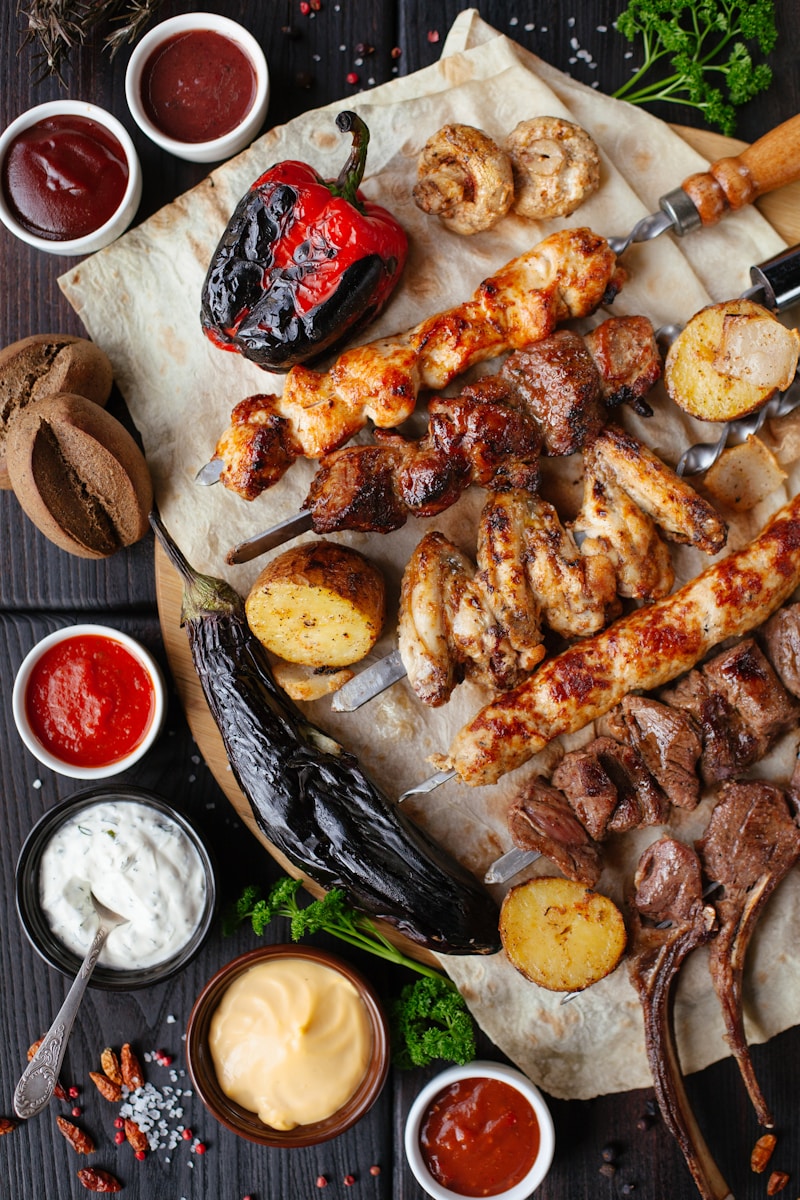
When we say "meat," the Church refers to the meat of land animals: beef, pork, lamb, chicken, rabbit, etc. Also their direct derivatives such as sausages, ham, bacon, or hot dogs.
What CAN be eaten
Abstinence from meat does NOT include:
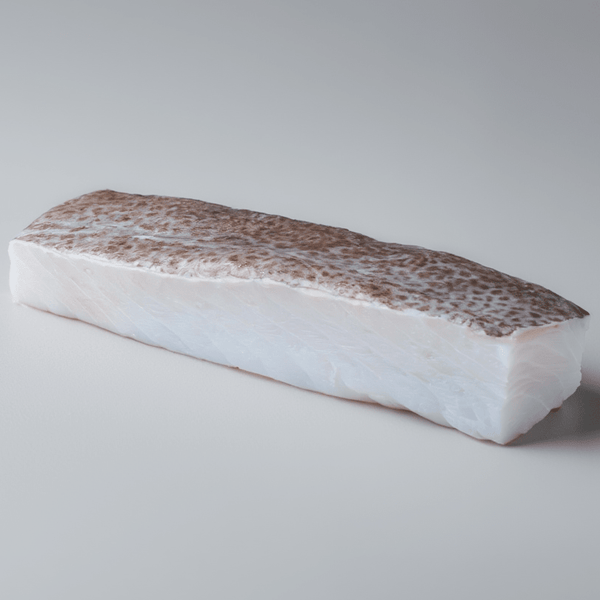
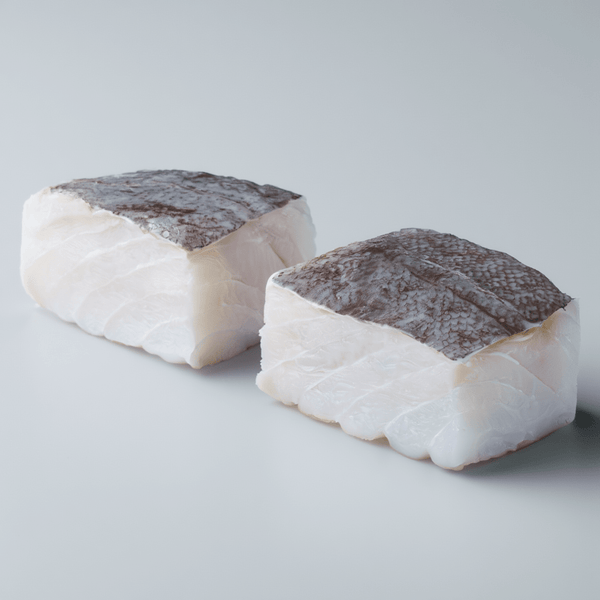
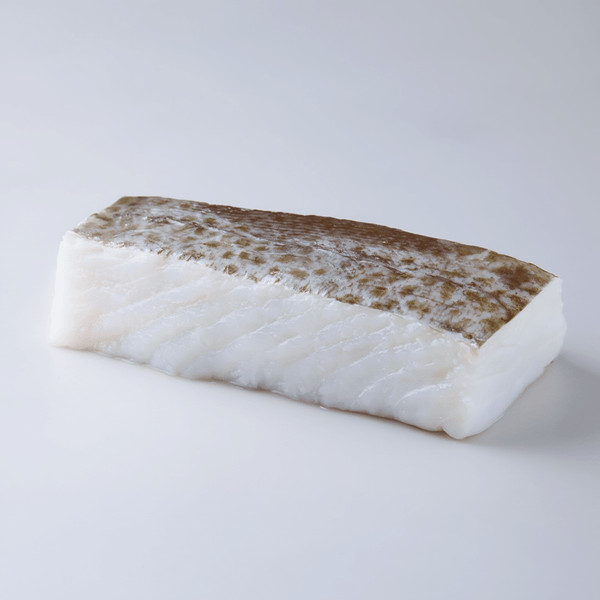
- Fish and seafood: all types of fish (including cod), shrimp, mussels, squid, octopus, anchovies, etc.
- Eggs: are allowed every day.
- Dairy: milk, cheese, yogurt, butter.
- Vegetables and legumes: all.
- Cereals and bread: all.
- Fruits and nuts: all.
This is why fish became the main food of Lent. It's not that it's mandatory to eat fish: it's that by removing meat, fish takes its place as the main protein source.
Fasting
Fasting is different from abstinence. Fasting means eating only one full meal a day. Two "colaciones" (light meals) are allowed, which together do not equal the main meal.
Fasting is mandatory only two days a year:
- Ash Wednesday
- Good Friday
On these two days, fasting and abstinence are combined: one eats only once a day, and that meal cannot include meat.
Who is obligated and who is not
The rules do not apply equally to everyone.
- Abstinence from meat: obliges all Catholics over 14 years old.
- Fasting: obliges Catholics between 18 and 59 years old.
- Exempt: sick people, pregnant women, people with physically demanding jobs, and those whose doctor advises against fasting.
Children under 14 are not obligated to abstain from meat, although many families include them in the tradition.
Myths and confusions about food during Lent
"You can't eat meat any day during Lent"
False. Abstinence from meat only affects Fridays of Lent and Ash Wednesday. On other days, meat can be eaten normally. The idea of not eating meat throughout Lent is a stricter voluntary practice, but it is not the official rule.
"Chicken doesn't count as meat"
False. Chicken is meat from a land animal and is included in abstinence. This confusion is surprisingly common.
"Meat broths cannot be consumed either"
There's a debate here. The rule speaks of "eating meat," not drinking broth. In practice, most moral theologians advise avoiding meat broths on days of abstinence as well, but some allow them if they do not contain pieces of meat. The most prudent approach is to use fish or vegetable broth on those days.
"Holy Saturday is also a day of abstinence"
Not necessarily. The official rule only requires abstinence on Fridays and Ash Wednesday. Holy Saturday is a day of recollection, but not of obligatory abstinence. Many families extend abstinence to Thursday, Friday, and Saturday of Holy Week, but this is personal devotion.
What to eat instead: the prominence of fish
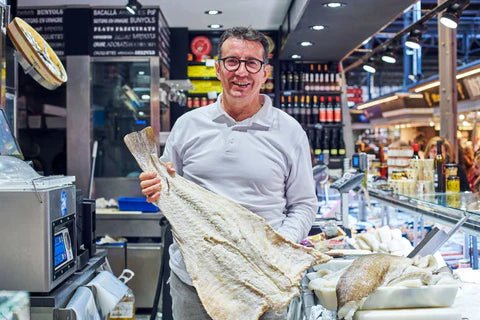
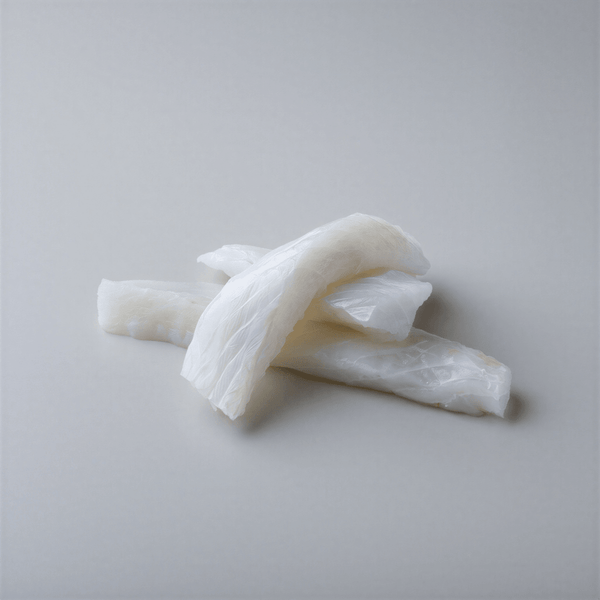
The prohibition of meat made fish the star food of Lent. And among fish, salted cod gained a special place. Practical reasons: it could be preserved for months without refrigeration, it was affordable, and it could be transported inland.
Today, Icelandic cod continues to be the fish most associated with Lent in Spain. Stews, casseroles, fried dishes, baked, pil pil style: there are hundreds of recipes that were born out of this need to replace meat.
Other common fish and seafood during Lent:
- Cantabrian anchovies as an appetizer or in salads
- Hake in green sauce
- Squid in its ink or with onions
- Garlic shrimp
- Galician-style octopus
- Grilled sardines
If you are looking for specific ideas, consult our complete Holy Week 2026 menu with suggestions for each day.
Lent beyond food
Dietary rules are only one part of Lent. Tradition also includes prayer, almsgiving, and penance. For many non-practicing Spaniards, Lent is reduced to gastronomic tradition: torrijas, stew, and fish. And that is also valid as a cultural heritage.
What began as a religious obligation has generated a rich culinary heritage. Dishes like potaje de vigilia, torrijas, pestiños, or bacalao al pil pil exist because Lent forced creativity in the kitchen.
Frequently asked questions
Can meat be eaten on Sundays of Lent
Yes. Sundays of Lent are not days of abstinence. Abstinence only applies to Fridays of Lent and Ash Wednesday. On Sundays, all foods can be eaten normally.
Do children have to fast during Lent
No. Fasting is obligatory from 18 to 59 years old. Abstinence from meat is from 14 years old. Children under 14 are not obligated, although many families include them in the tradition.
Can eggs be eaten during Lent
Yes. Eggs are allowed every day of Lent, including Fridays and Ash Wednesday. Only meat from land animals is prohibited on days of abstinence.
What happens if you eat meat on a Friday of Lent
According to Catholic doctrine, knowingly violating abstinence from meat on a Friday of Lent without just cause is considered a sin. That said, there are exceptions (illness, necessity, impossibility) and each person must follow their conscience. The rule seeks a gesture of sacrifice, not punishment.
Does seafood count as meat during Lent
No. Seafood (shrimp, prawns, mussels, clams, etc.) is not considered meat for the purposes of Lenten abstinence. It can be eaten every day of Lent without restriction.
Discover more