Summary
That we eat cod during Lent due to religious tradition is something everyone knows. But that answer falls short. In this guide: Cod in Lent: a history of trade, not just faith, The Vikings: the first cod merchants, The Hanseatic League and the cod monopoly.
Cod in Lent: a history of trade, not just faith
That we eat cod during Lent due to religious tradition is something everyone knows. But that answer falls short. The true story of Lenten cod is a story of Vikings, Basque fishermen, trade routes, salt, empires, and money. Lots of money.
Cod did not become the fish of Lent by chance or devotion. It became the fish of Lent because it met three conditions that no other fish could match: it could be preserved, it could be transported, and it was cheap.
This is the complete economic history. From the icy waters of Norway to the tables of Andalusia.
The Vikings: the first cod merchants
It all begins in Scandinavia, around the 9th century. Norwegian Vikings discovered that Arctic cod (Gadus morhua), exposed to the cold, dry northern wind, would dry naturally into a rigid board that could last for years without spoiling.
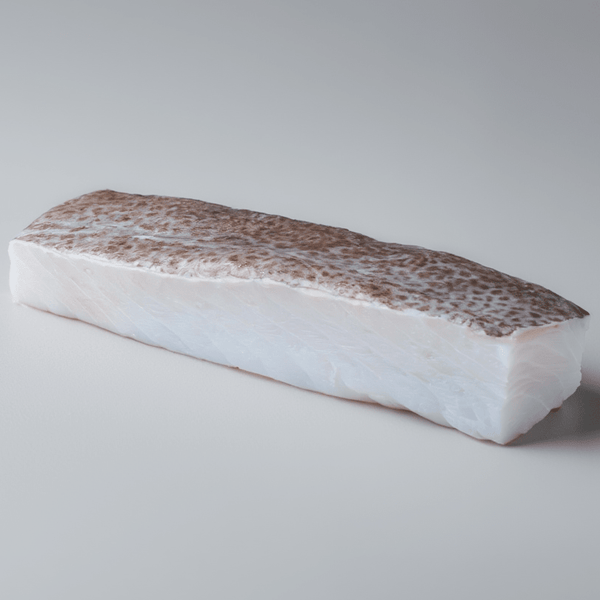
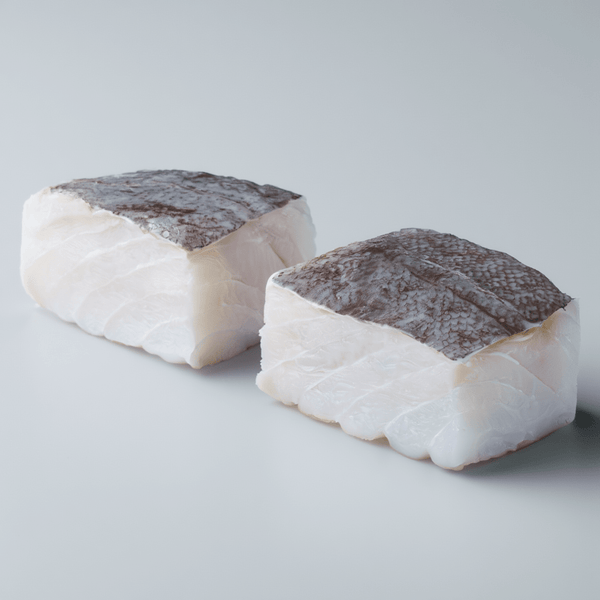
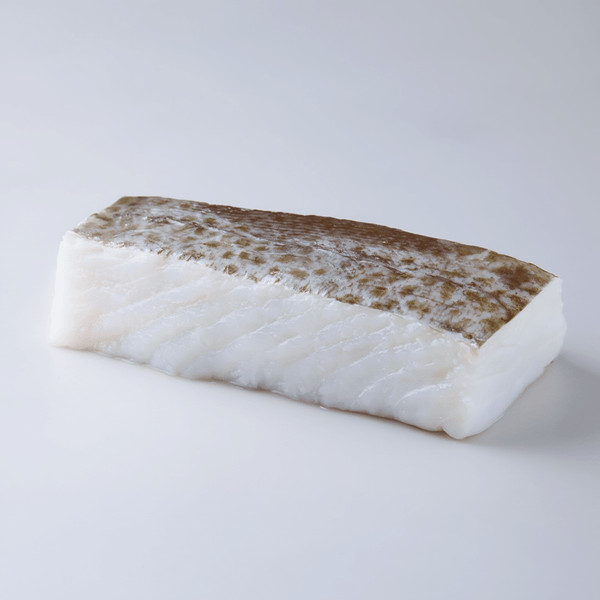
The product we use for this recipe is available in our cod catalog, with all the formats and origins we work with at the stand.
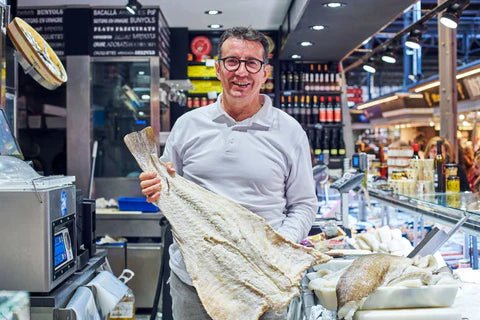
They called it stokkfisk (stockfish). It was hung on wooden structures called hjell in the Lofoten Islands, north of the Arctic Circle. The icy, dry air did the preservation work without the need for salt.
Stockfish fueled Viking expeditions. Light, compact, rich in protein. One kilo of dried cod was equivalent to 5 kilos of fresh fish. The Vikings brought it to Iceland, Greenland, and even the coasts of North America, centuries before Columbus.
But most importantly, the Vikings traded it. From the 10th century, Norwegian ships carried stockfish to the markets of London, Bruges, and the Baltic cities. It was a huge business. The city of Bergen became the center of dried cod trade in Europe.
The Hanseatic League and the cod monopoly
In the 12th century, the Hanseatic League (an alliance of northern European trading cities) took control of the cod trade. German merchants established the Bergen Kontor: a walled trading quarter where tons of Norwegian stockfish were stored and distributed.
The Hanseatic League controlled the flow of cod from Norway to the inland markets of Europe. And the demand was enormous. With more than 150 days of meat abstinence per year in medieval Europe (Lent, vigils, every Friday, Saturdays in many regions), fish was not a luxury: it was a necessity.
The problem with stockfish was that it required days of soaking to rehydrate. It was tough, fibrous, and difficult to cook. Southern European cooks sought an alternative. And they found it: salted cod.
The Basques: the salt revolution
This is where the Basque fishermen come into play. The Basques had been whaling in the Bay of Biscay for centuries. They were exceptional navigators and had access to something the Norwegians did not: salt.
The salt pans on the Atlantic coast (Portugal, Andalusia, Brittany) produced salt in abundance. The Basques discovered that salting cod preserved it just as well as drying, but the result was more tender, tastier, and easier to cook.
There is a historical debate about when the Basques began fishing for cod in the North Atlantic. Some historians believe they reached Newfoundland before Columbus, in the 15th century or even earlier. What is certain is that by the early 16th century, the Basques had a huge fleet fishing for cod on the Newfoundland banks and salting it on board or in coastal camps in what is now Canada.
Basque salted cod flooded the markets of Southern Europe. It was perfect for Spain, Portugal, Italy, and Southern France: hot regions where air drying did not work, but where salt was abundant and cheap.
Newfoundland: the Golden Sea
The cod banks of Newfoundland were of an abundance difficult to imagine today. 16th-century chroniclers describe seas where fish were so dense that they "slowed down ships." It is estimated that before industrial fishing, there were between 2 and 4 billion adult cod in the North Atlantic.
Basques, Portuguese, English, French, and Dutch competed for these resources. The Cod Wars between England and Iceland in the 20th century were just the last chapter of a rivalry that began 500 years earlier.
Portugal: the country of bacalhau
If there is one country that made cod its gastronomic identity, it is Portugal. The Portuguese say they have 365 recipes for bacalhau: one for each day of the year. More than an exaggeration, it is a statement of principles.
Portugal's relationship with cod intensified in the 15th century, with maritime discoveries. Portuguese navigators needed food that would last for months at sea. Salted cod was perfect: it didn't spoil, took up little space, and fed entire crews.
But it was in the 20th century that cod became a matter of state. Dictator Salazar (1932-1968) promoted cod fishing in Newfoundland as a national policy. Portuguese ships (the famous lugres of the "Bacalhau Campaign") sent thousands of fishermen every year to the icy waters of Newfoundland and Greenland. They fished with lines, one by one, from small boats (dóris) launched from the mother ship. A very hard job that lasted until the 1970s.
Spain: from salted cod to premium cod
In Spain, salted cod arrived through two channels: the Basques who fished it directly and merchants who imported it from Norway, Iceland, and Newfoundland.
Cod adapted to each regional cuisine. In the Basque Country, it became the star ingredient: pil pil, vizcaína, Club Ranero, al ajoarriero. In Castile, it became the soul of potaje de vigilia. In Catalonia, in esqueixada and bunyols. In Valencia, in all i pebre and rice dishes. In Andalusia, in pavías and soldaditos de Pavía.
The quality of cod depended on its origin. Icelandic cod was always considered the best: cold, clean waters, large fish, white and firm flesh. Newfoundland cod was more abundant but of irregular quality. Norwegian cod, skrei (seasonal fresh cod), was a luxury reserved for coastal areas.
Today, with the overfishing that collapsed the Newfoundland banks in 1992 (the Canadian moratorium that destroyed the industry), Iceland is the main source of quality cod for Spain. Icelandic fisheries are managed with strict quotas that guarantee the sustainability of the resource.
The salt trade: the other protagonist
There is no salted cod without salt. And salt was for centuries one of the most valuable products in the world. The word "salary" comes from sal: Roman legionaries were paid with it.
The Atlantic salt pans (Aveiro in Portugal, the marshes of Cadiz, Guérande in Brittany) produced thousands of tons of sea salt. This salt traveled to northern Europe, where fishermen needed it to preserve cod. And salted cod traveled south, where consumers needed it for Lent.
It was a perfect trade circuit: salt north, cod south. This triangular trade (salt-cod-wine/spices) was one of the bases of the Atlantic economy for four centuries.
Taxes on salt (gabelle in France, estanco de la sal in Spain) were one of the main sources of income for European states. The French Revolution began, in part, due to anger against the salt tax.
Premium Seafood Products — Bacalalo
Since 1990 selecting the best of the sea at Mercat del Ninot, Barcelona. Refrigerated shipping 24-48h.
View desalted cod →🛒 Products mentioned in this article
⭐ 4.9/5 · Cold shipping 24-48h · Since 1990 at Mercat del Ninot
Frequently asked questions
When did the Basques start fishing for cod?
The oldest documentation of Basque cod fishing dates back to the 15th century, but many historians believe the Basques reached Newfoundland earlier, possibly in the 14th century. They kept it secret to protect their fishing grounds. The first official document is from 1517, when the port of Pasajes recorded shipments of cod from Newfoundland.
Why is Icelandic cod better than cod from other origins?
Icelandic cod lives in very cold (2-6 °C), clean waters rich in food. It grows slower than cod from warmer waters, which gives it a denser, whiter, and firmer flesh. Additionally, Iceland has managed its fisheries with individual transferable quotas since 1984, which has kept the populations healthy.
Is it true that Newfoundland cod became extinct?
It didn't become extinct, but it came very close. In 1992, Canada declared a total moratorium on cod fishing on the Grand Banks. The population had dropped by 99% due to industrial overfishing. More than 30,000 people lost their jobs. The moratorium is still partially in effect today. Populations are slowly recovering.
Was cod always a cheap food?
Historically, yes. Salted cod was the cheapest protein available in much of Europe, which made it "the food of the poor." Today, quality cod (especially artisanally desalted Icelandic cod) is a premium product with prices that reflect the scarcity of the resource and the preparation work.
What is the difference between salted cod, dried cod, and desalted cod?
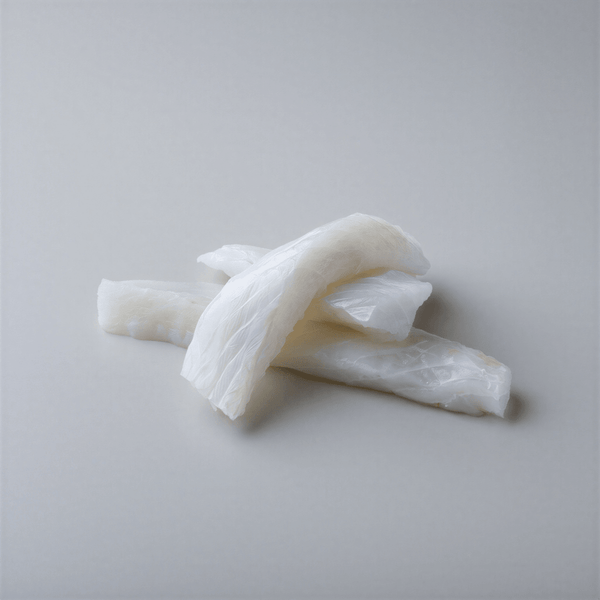
Salted cod is preserved covered in coarse salt; it needs 48-72 hours of desalting before cooking. Dried cod (stockfish) is air-dried without salt; it needs up to a week of soaking. Desalted cod is salted cod that has already gone through the desalting process and is ready to cook. At Bacalalo.com, we sell Icelandic cod that is already desalted and vacuum-packed, ready to use.
Discover more