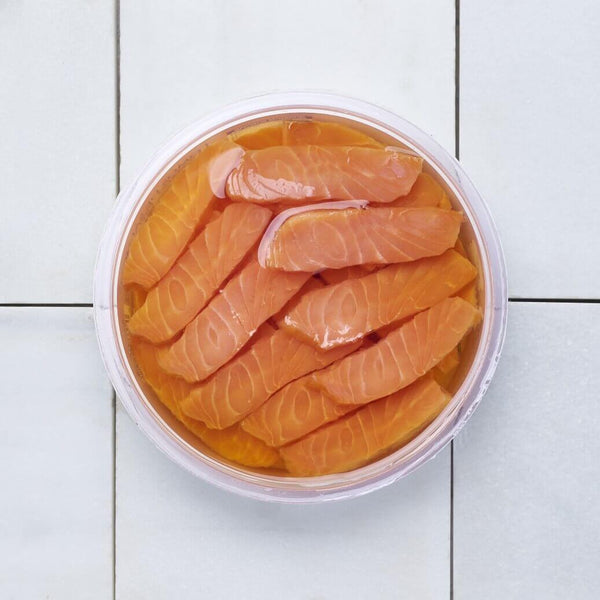
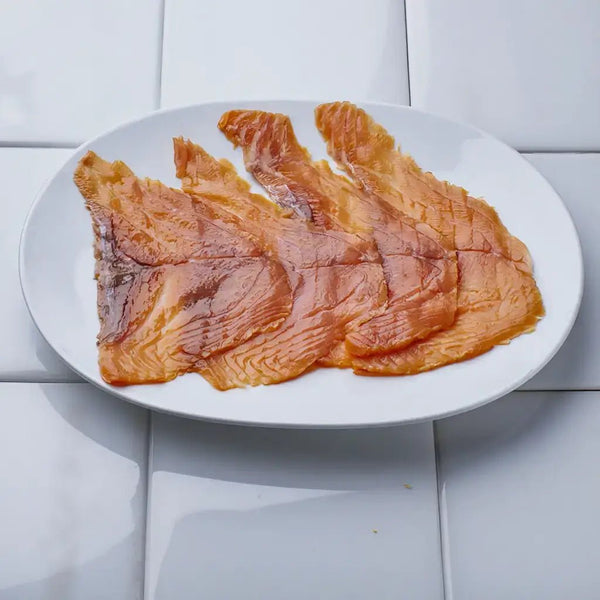
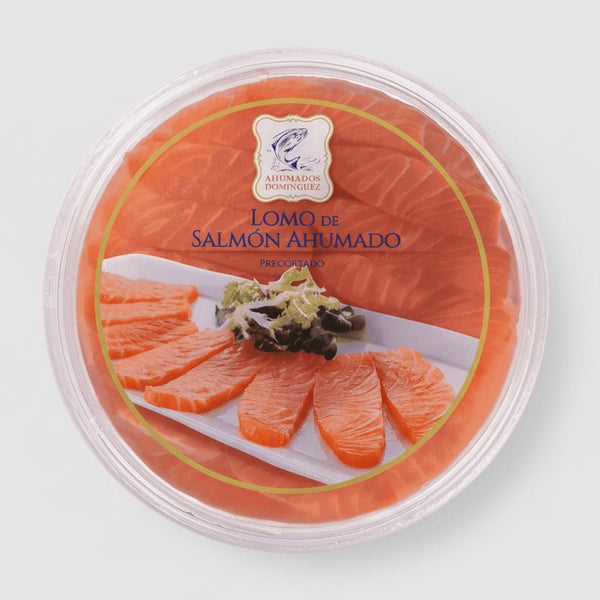
Summary: Smoked salmon is one of those products we associate with haute cuisine, hotel breakfasts, and special celebrations. However, preparing it at home is more accessible than it seems. With the right ingredients, a little patience, and this guide, you can achieve a surprising result that will impress any diner.

Table of Contents
- Why Make Smoked Salmon at Home?
- Two Methods: Cold Smoking vs. Cured Gravlax
- Necessary Equipment
- Method 1: Traditional Cold Smoking
- Method 2: Cured Gravlax with Salt and Dill
- Wood Smoking Guide
- Food Safety and Temperature Control
- Homemade vs. Artisanal: Real Differences
- Storage and Preservation
- Frequently Asked Questions
- Conclusions
Why Make Smoked Salmon at Home?
Smoked salmon is one of those products we associate with haute cuisine, hotel breakfasts, and special celebrations. However, preparing it at home is more accessible than it seems. With the right ingredients, a little patience, and this guide, you can achieve a surprising result that will impress any diner.

Making homemade smoked salmon has several advantages. Firstly, you control the quality of the raw fish: you can choose wild or sustainably farmed salmon, from your preferred origin. Secondly, you decide the intensity of the smoke, the salt level, and the flavorings, customizing the result to your taste. And thirdly, the process itself is gratifying: there's something deeply satisfying about transforming a raw salmon fillet into a gourmet product with your own hands.
Of course, we must be honest: quality artisanal smoked salmon, like the kind you can find at Bacalalo, is backed by decades of experience, professional equipment, and quality control that is difficult to replicate in a home kitchen. But that doesn't mean you can't get excellent results at home. The important thing is to understand the differences between the methods, respect food safety standards, and enjoy the process.
In this guide, we explain two complete methods: traditional cold smoking, which requires a smoker and produces a result closer to commercial smoked salmon, and cured gravlax, a Scandinavian technique that doesn't require smoke and is perfect for beginners. If you're interested in learning more about the types of smoked salmon available, we recommend our complete guide to smoked salmon.
Two Methods: Cold Smoking vs. Cured Gravlax
Before starting, it is essential to understand that there are two completely different approaches to preparing smoked salmon at home, and each produces a different result:
Cold Smoking
This is the traditional method that produces smoked salmon as we know it: thin slices, silky texture, deep smoky flavor. The process involves first curing the salmon with salt and sugar, and then exposing it to wood smoke at low temperatures (between 20 °C and 30 °C) for several hours. The fish is not cooked but slowly smoked, which gives it its characteristic texture and unmistakable flavor.
This method requires a smoker or a homemade improvisation that allows generating smoke without excessive heat. The result is very close to the artisanal smoked salmon you would find in our smoked salmon collection, although the precision of professional equipment will always make a difference in the consistency of the final product.
Cured Gravlax (Scandinavian style)
Gravlax is a fascinating alternative that requires no smoke at all. The salmon is cured for 48-72 hours under a mixture of salt, sugar, and fresh dill, pressed with weight in the refrigerator. The result is a cured salmon with a silky, slightly translucent texture, with a delicate flavor where herbs and the freshness of the fish predominate. It is milder than cold-smoked, but equally delicious.
Gravlax has the advantage of not needing special equipment: you only need a good salmon fillet, salt, sugar, dill, plastic wrap, and a weight. It is the perfect method for those who want to get started in the world of cured salmon without investing in a smoker.
Necessary Equipment
Depending on the method you choose, you will need different tools and materials. Here is what you need for each technique:

For Cold Smoking
- Cold smoker: this can be a commercial smoker with a cold smoke generator, an adapted smoking box, or even a homemade system with a cardboard box and a smoke generator (sawdust tube or spiral). The essential thing is to keep the temperature below 30 °C.
- Cold smoke generator: compressed sawdust tubes and spirals are the most accessible option. They burn slowly for 4-8 hours, generating smoke without flame.
- Sawdust or wood chips: beech, oak, apple, or cherry are classic choices.
- Grill rack or hook: to hang or support the salmon inside the smoker, allowing smoke to circulate on all sides.
- Ambient thermometer: essential to ensure the temperature does not exceed 30 °C.
- Coarse sea salt: without additives or iodine, preferably. Salt is the main curing agent.
- Brown or white sugar: complements the salt in the curing mixture.
- Thin slicing knife: for slicing the final product into thin, elegant sheets.
For Gravlax
- Tray or dish: glass, ceramic, or stainless steel, large enough for the fillet.
- Plastic wrap: to wrap the salmon during curing.
- Weight: a cutting board with cans on top, for example. You need between 1 and 2 kg of distributed weight.
- Coarse sea salt and sugar: in a 2:1 ratio (salt:sugar) approximately.
- Fresh dill: in abundance, it is the main aromatic for gravlax.
- Black peppercorns: lightly crushed, provides a spicy counterpoint.
Related products from Bacalalo


Method 1: Traditional Cold Smoking
This is the complete method for preparing cold-smoked salmon at home. The total process takes between 2 and 3 days, but most of the time is passive curing. The actual active work is about one hour.
Ingredients
- 1 fresh salmon fillet, 800 g - 1 kg, skin-on, boneless
- 200 g coarse sea salt
- 100 g sugar (white or brown)
- 10 g crushed black peppercorns
- A bunch of fresh dill (optional)
- Zest of 1 lemon (optional)
- Beech or oak sawdust for the smoker
Step-by-step preparation
- Check the salmon: run your fingers over the flesh to detect and remove any remaining bones. Kitchen tweezers are ideal for this. The salmon should be very fresh, smelling of clean sea, firm flesh, and uniform color.
- Prepare the curing mixture: in a large bowl, combine the salt, sugar, and crushed pepper. If using dill or lemon zest, incorporate them as well. Mix well until everything is homogeneous.
- Cure the salmon: spread one-third of the mixture over a tray lined with plastic wrap. Place the salmon fillet skin-side up and cover the entire surface with the rest of the mixture, ensuring it is well covered on all sides. Wrap tightly with the plastic wrap.
- Refrigerate under weight: place the wrapped salmon on a tray with a weight on top (1-2 kg). Refrigerate for 12 to 24 hours. At 12 hours, you will have a light cure; at 24, a more intense cure. You will see the salmon release liquid: this is normal and desirable.
- Rinse and dry the salmon: remove all the cure under cold running water. Dry thoroughly with paper towels. Place the salmon uncovered on a rack inside the refrigerator for 6-12 hours to form a sticky film on the surface called pellicle. This layer is crucial because it allows the smoke to adhere better.
- Prepare the smoker: light the cold smoke generator and wait for it to produce a constant, fine smoke. The temperature inside the smoker should not exceed 25-28 °C. If it's hot, place a frozen water bottle or a tray with ice inside the smoker to keep the temperature low.
- Smoke the salmon: place the salmon on the rack or hang it with a hook inside the smoker, skin-side down if horizontal. Smoke for 6-12 hours, depending on the intensity of flavor you desire. A 6-hour smoke will give a mild and elegant flavor; 10-12 hours will produce a deeper and more pronounced smoke.
- Final rest: once smoked, wrap the salmon in parchment paper and let it rest in the refrigerator for at least 12 hours before slicing. This rest allows the flavors to distribute evenly throughout the piece.
- Slice thinly: with a long, sharp knife, slice at an angle into thin slices, separating the flesh from the skin. Good smoked salmon slices almost transparently, in sheets 2-3 mm thick.
Method 2: Cured Gravlax with Salt and Dill
Gravlax (from Swedish grav, buried, and lax, salmon) is a centuries-old Scandinavian technique in which salmon is cured in salt, sugar, and dill without the need for smoke. It is the simplest and most accessible method for preparing cured salmon at home, and the result is spectacular.

Ingredients
- 1 fresh salmon fillet, 800 g - 1 kg, skin-on, boneless
- 150 g coarse sea salt
- 100 g white sugar
- 2 large bunches of fresh dill
- 15 g black peppercorns, lightly crushed
- Zest of 1 lemon
- 30 ml vodka or aquavit (optional, improves curing)
For the Mustard-Dill Sauce
- 3 tablespoons Dijon mustard
- 1 tablespoon mild mustard
- 2 tablespoons sugar
- 1 tablespoon white wine vinegar
- 80 ml sunflower oil
- 3 tablespoons chopped fresh dill
Step-by-step preparation
- Mix the cure: combine the salt, sugar, crushed pepper, and lemon zest in a bowl.
- Prepare the salmon: if you have a whole fillet, cut it in half to have two equal halves. Remove any bones with tweezers.
- Apply the cure: if using vodka or aquavit, first rub the flesh sides with the alcohol. Spread half of the curing mixture over the first half of salmon (flesh side). Cover with a generous bunch of dill. Place the second half on top, flesh against flesh, like a sandwich. Cover the outside with the rest of the mixture.
- Wrap and press: wrap the salmon sandwich tightly in several layers of plastic wrap. Place on a tray, put a weight on top (1.5-2 kg), and refrigerate.
- Flip every 12 hours: over the next 48-72 hours, flip the salmon package approximately every 12 hours. You will see liquid accumulate: this is natural brine and is completely normal. A 48-hour cure produces a milder gravlax; 72 hours gives a firmer, more intense result.
- Clean and dry: remove the salmon from the wrap, remove the dill and excess cure. You can rinse briefly under cold water and pat dry with paper towels. The salmon should have a more intense color and the flesh should feel firm to the touch.
- Slice and serve: slice thinly at an angle, separating from the skin, just like with smoked salmon. Serve with the mustard-dill sauce, toasted rye bread, capers, and thinly sliced red onion rings.
To prepare the mustard-dill sauce: mix both mustards with the sugar and vinegar. Slowly drizzle in the oil while whisking constantly until emulsified. Add the chopped dill, adjust salt, and serve at room temperature.
Wood Smoking Guide
The choice of wood is crucial for the final flavor of smoked salmon. Each type of wood adds different nuances, and knowing them will allow you to customize the result according to your preferences:
- Beech (faggio): the most commonly used in Europe for smoking salmon. It produces a smooth, clean, and slightly sweet smoke. It is the classic and most balanced choice, perfect for a first attempt. Most quality commercial smoked salmon is smoked with beech.
- Oak: generates a more intense and robust smoke than beech, with earthy notes and a hint of tannin. Ideal if you like strongly flavored smoked salmon. It is frequently used in Scotland and Ireland for their premium smoked salmon.
- Applewood: produces a fruity, delicate, and slightly sweet smoke. It is excellent for those looking for smoked salmon with subtle and elegant nuances. It pairs very well with a cure that includes brown sugar.
- Cherry: similar to applewood but with a more aromatic touch and a slight reddish tint that contributes to the salmon's color. Medium smoke, fruity, and pleasant.
- Alder: the traditional wood of the American Pacific Northwest for smoking wild salmon. Smooth, slightly sweet smoke with earthy nuances. Very balanced.
- Juniper: not used alone, but mixed with another base wood (beech or oak). Juniper berries and branches provide balsamic, resinous, and very aromatic notes. Typical in Nordic countries.
Important: Never use resinous woods (pine, fir, cypress) or treated or varnished woods. They produce toxic fumes and unpleasant bitter flavors. Always use natural, untreated wood sawdust or chips specifically for food use.
Food safety and temperature control
Working with raw or semi-cured fish requires strict adherence to food safety. These are the key points you must respect without exception:

- Salmon freshness: Use salmon as fresh as possible, bought on the same day or the day before. If you don't have access to quality salmon, consider using ultra-frozen salmon at -20 °C for at least 24 hours, which eliminates possible parasites such as anisakis.
- Curing temperature: Curing should always be done in the refrigerator, between 0 °C and 4 °C. Never leave salmon curing at room temperature.
- Smoking temperature: In cold smoking, the temperature should not exceed 30 °C. Above this temperature, the fish begins to partially cook, which alters the texture and can create a favorable environment for bacteria if the full cooking temperature is not reached.
- Hygiene: Wash your hands, utensils, and surfaces with hot water and soap before and after handling raw fish. Use cutting boards exclusively for fish.
- Salt: The salt concentration in curing is what guarantees the safety of the final product. Do not reduce the amounts of salt indicated in the recipe: salt acts as a natural preservative, inhibiting bacterial growth.
- Consumption: Homemade smoked or cured salmon should be consumed within 5-7 days refrigerated, and 4-5 days once opened. If you want to store it longer, freeze it immediately after smoking, following the advice in our smoked salmon freezing guide.
Note on anisakis: In Spain, regulations require freezing fish that is to be consumed raw or semi-raw at -20 °C for at least 24 hours. Cold-smoked salmon and gravlax do not reach cooking temperatures, so it is advisable to pre-freeze fresh salmon before curing it, especially if it does not come from aquaculture (farmed salmon has a lower risk of anisakis, but caution is always recommended).
Homemade vs. artisanal: real differences
We must be honest: homemade smoked salmon and professional artisanal salmon are different products, although both can be excellent. These are the main differences you should know:
- Consistency: A professional smoker controls temperature and smoke flow with millimeter precision. At home, variations are greater, which can produce uneven smoking or inconsistent curing between one preparation and another.
- Raw material: Artisanal producers work with selected suppliers and receive salmon of optimal caliber, fat, and freshness. In the retail market, quality is more variable, although excellent pieces can be obtained by buying from trusted establishments.
- Cutting: Slicing smoked salmon professionally—those translucent, uniform, and perfect slices—requires years of practice and a specific knife. At home, the cut will be thicker and more irregular, but this does not affect the flavor.
- Time and experience: Master smokers have spent decades perfecting their techniques, adjusting times, salt mixtures, and wood types. Your first homemade attempt will be an experiment; your tenth, probably something very respectable.
If you are looking for the highest quality without effort, in our smoked salmon collection you will find top-notch artisanal products. But if you enjoy the process and want to experiment, making smoked salmon at home is a fascinating gastronomic project. Also discover the nutritional properties of smoked salmon to understand why this product is so valued.
Preservation and storage
Once your smoked salmon or gravlax is ready, proper preservation is essential to maintain the quality and safety of the product:

- In the refrigerator: Wrapped in parchment paper (not plastic wrap, which traps moisture) and in an airtight container or zip bag. It keeps for 5-7 days. Once you start cutting slices, consume within 4-5 days.
- Freezing: Homemade smoked salmon freezes well. Wrap it in plastic wrap, then in aluminum foil, and place it in a freezer bag. It keeps for up to 2-3 months without losing too much quality. Always defrost in the refrigerator, never at room temperature or in the microwave.
- Portions: If you have made a large piece, consider portioning before freezing. Separate the portions with parchment paper so you can take out only what you need without defrosting everything.
- Vacuum packing: If you have a vacuum sealer, it is the best option for both refrigeration and freezing. It doubles the shelf life of the product and better maintains the texture.
For more details on how to properly preserve and freeze your smoked salmon, consult our dedicated article: Can smoked salmon be frozen?. You may also be interested in exploring Bacalalo's collection of smoked, salted, and pickled products to discover other artisanal smoked products.
Conclusions
- Why make smoked salmon at home?: Smoked salmon is one of those products that we associate with haute cuisine, hotel breakfasts, and special celebrations.
- Necessary equipment: Depending on the method you choose, you will need different tools and materials.
- Method 1: Traditional cold smoking: This is the complete method for preparing cold smoked salmon at home.
- Method 2: Gravlax cured with salt and dill: Gravlax (from Swedish grav, buried, and lax, salmon) is a centuries-old Scandinavian technique in which salmon is cured in salt, sugar, and dill without the need for smoke.
- Wood smoking guide: The choice of wood is decisive for the final flavor of the smoked salmon.
Frequently asked questions
Is homemade cold-smoked salmon safe to eat?
Yes, as long as hygiene and food safety standards are respected. Salt curing inhibits bacterial growth, and if you also pre-freeze fresh salmon at -20 °C for 24 hours, you eliminate the risk of anisakis. Always maintain the cold chain and consume the product within the indicated timeframes.
How long does it take to make smoked salmon at home?
The complete cold smoking process takes 2-3 days: 12-24 hours of curing, 6-12 hours for pellicle formation, 6-12 hours of smoking, and 12 hours of final resting. Gravlax needs 48-72 hours of curing in the refrigerator. The active working time in both cases is less than an hour.
Can I use frozen salmon to make smoked salmon?
Yes, in fact it is recommended. Freezing salmon at -20 °C for at least 24 hours eliminates the risk of anisakis. Defrost completely in the refrigerator before starting the curing process. The texture may vary slightly compared to fresh salmon, but the final result is still very good.
What is the difference between smoked salmon and gravlax?
Smoked salmon is cured with salt and then exposed to wood smoke, while gravlax is cured solely with salt, sugar, and dill, without any smoke. Smoked salmon has a deeper, more complex flavor; gravlax is fresher and more delicate, with dill and fish as the main protagonists.
Can I make smoked salmon without a smoker?
For cold smoking, you need some type of smoker, even a homemade one. However, you can make gravlax without any special equipment. There are also very affordable portable cold smoke generators that can be used inside a large box or container as a makeshift smoker.
What wood is best for smoking salmon?
Beech is the most versatile and widely used option in Europe. It produces clean, mild smoke. Oak gives a more intense smoke, and applewood provides fruity notes. Always avoid resinous woods like pine or fir, which produce bitter flavors and potentially toxic fumes.
How much salt do I need to cure salmon?
The standard ratio is 200 g of coarse salt and 100 g of sugar per kilo of salmon. This amount ensures safe curing and a balanced flavor. Do not reduce the salt below 150 g per kilo, as it would compromise the food safety of the product.
Does homemade smoked salmon taste the same as commercial?
It is similar but not identical. Homemade usually has less uniform smoking and a thicker cut, but it can be just as tasty. The main difference is consistency: a professional artisan always achieves the same result, while at home there will be variations between batches. If you are looking for the highest quality, at Bacalalo you will find top-notch artisanal smoked salmon.
What are the ingredients for making smoked salmon?
1 kg salmon loin. 400 g coarse salt. 50 g brown sugar. 1.5 g smoked salt.
What is the best way to smoke salmon?
After curing and drying the salmon, it's time to hot smoke it. Smoke it for 3-4 hours at 102 °C until it reaches an internal temperature of 63 °C. The best way to control the internal temperature when cooking is with a meat thermometer.
What are common mistakes when smoking salmon?
The time depends on the fish and your taste, but leaving the dry brine too long will make the fish too salty. If you tend to be conservative with salt, take out thinner pieces early and opt for less time. An hour is too long; I've made that mistake.
Keep exploring
If you are passionate about smoked salmon, at Bacalalo we have much more for you:
- Smoked salmon: complete guide to types, preservation, and uses
- Easy and elegant smoked salmon recipes
- Properties of smoked salmon: benefits and nutrition
- Artisanal smoked salmon collection
- All our smoked, salted, and pickled products
Products you might be interested in