Summary: Bacalao a la donostiarra is one of San Sebastián's most iconic preparations: cod loins slowly cooked in a garlic and olive oil broth that is emulsified to create a brothy, silky, and flavorful sauce. It's a cousin of pil pil but with more liquid, more broth, and a more comforting result. This recipe teaches you the complete technique to achieve that perfect brothy emulsion, step by step.
Recipe Card
Time: 40 min | Servings: 4 people | Difficulty: Medium-High
Main ingredients:
4 desalted cod loins (600g), 200ml EVOO, 8 cloves garlic, 1 chili pepper, 200ml fish stock, fresh parsley
Content
What is bacalao a la donostiarra
Bacalao a la donostiarra — literally, "San Sebastián style" — is a preparation that defines the cuisine of the Gipuzkoan capital. It originated in the gastronomic societies of San Sebastián, those txokos where members cook together and amicably compete over who prepares the best cod.
The recipe is based on a simple but difficult-to-execute principle: slowly cooking cod in olive oil with sliced garlic, and then creating a brothy sauce by emulsifying the oil with fish stock and the gelatin released by the cod itself. The result is a brothy, comforting, and deeply flavorful dish — a dense, silky broth that envelops the cod like a blanket.
In San Sebastián, every txoko and every restaurant has its own version. Some add chili, others incorporate a light sofrito of onion, some build the sauce in the same pot and others make it separately. But the spirit is always the same: cod, garlic, olive oil, and patience to achieve that brothy emulsion that is the dish's signature.
Donostiarra is Basque comfort food at its finest. If pil pil is a dish of technique and precision, donostiarra is a dish of generosity and warmth. It's served in an earthenware casserole, with crusty bread for dipping, and shared at the table with chilled txakoli.
Donostiarra vs. pil pil: two techniques, two results
The confusion between bacalao a la donostiarra and bacalao al pil pil is common, even among experienced chefs. Both share basic ingredients (cod, garlic, oil, chili) and both depend on an emulsion, but the technique and result are fundamentally different.
Pil pil is a thick sauce, almost like a hot mayonnaise. It is achieved by moving the pot in a circular motion while the cod releases gelatin, which emulsifies with the oil. It contains no water or stock — the emulsion is pure gelatin + oil. The final sauce is dense, sticky, and greenish-yellow in color. It is a dish of pure technique.
Donostiarra, on the other hand, incorporates fish stock (fumet) into the oil. The emulsion is lighter, more liquid, more brothy. The cod swims in this sauce instead of being covered by it. The texture is reminiscent of a thick seafood broth, silky and full-bodied, but one that can be eaten with a spoon.
| Characteristic | Pil pil | Donostiarra |
|---|---|---|
| Liquid | Only oil | Oil + fish stock |
| Sauce texture | Thick, mayonnaise-like | Brothy, thick broth-like |
| Difficulty | High (delicate emulsion) | Medium-high (more margin for error) |
| Pot movement | Constant circular | Gentle back and forth |
| Presentation | Sauce clinging to the cod | Cod swimming in broth |
| Serving temperature | Hot, immediately | Very hot, bubbling |
Both techniques require excellent quality cod, with a good proportion of gelatin. Cod from Iceland is ideal because the *Gadus morhua* species from cold waters has a high collagen content, which transforms into gelatin when heated and is the basis of both emulsions.
Ingredients
- 4 desalted cod loins (150-180 g each, with skin)
- 200 ml extra virgin olive oil (mild)
- 8 cloves garlic peeled and thinly sliced
- 1 dried chili pepper (cayenne or choricera)
- 200 ml fish stock (homemade or quality)
- Fresh parsley chopped
- Salt (only if needed, cod is already salted)
The fumet: key to the dish
A good fumet makes the difference between a correct donostiarra and an extraordinary one. You can make it quickly with the bones and trimmings of the cod itself: boil bones + onion + leek + bay leaf for 20 minutes, strain, and done. If you don't have bones, a quality fish stock in a glass jar (not bouillon cubes) is an acceptable alternative.
Do not use chicken or vegetable broth. Fish stock has the natural gelatin that helps with the emulsion. A stock without gelatin will yield a watery rather than silky result.
About the cod skin
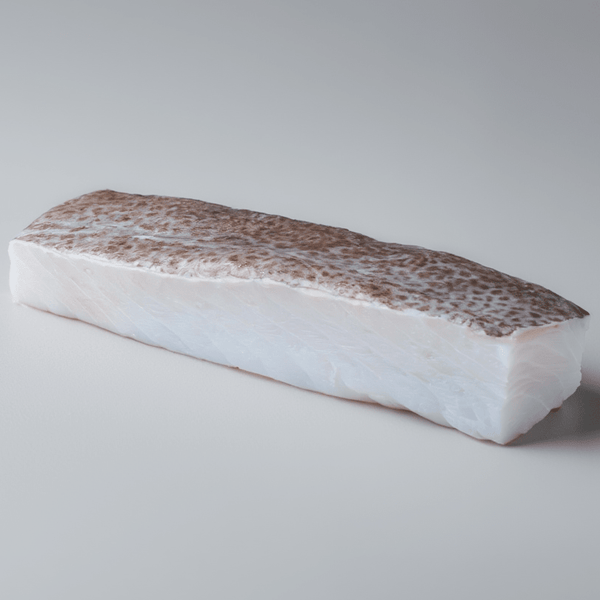
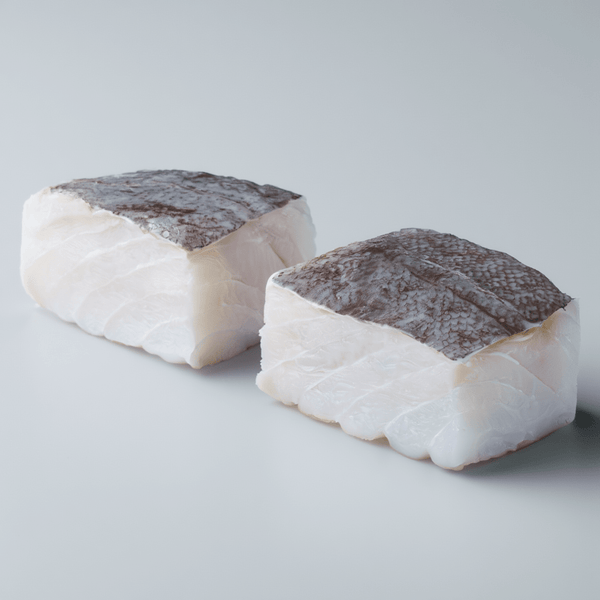
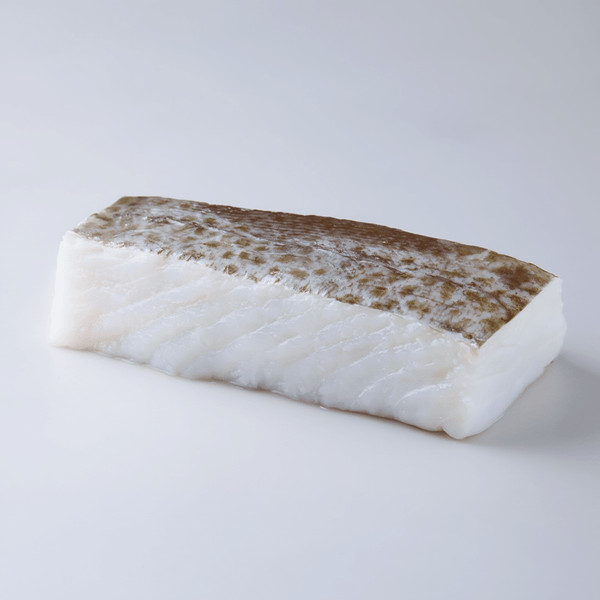
It is essential that the cod has skin for this recipe. Cod skin is rich in collagen, which transforms into gelatin during cooking and is the natural emulsifier that binds the oil with the stock. Without skin, the emulsion does not form correctly, and you will have separated oil and stock instead of a uniform sauce.
Cod with skin for your donostiarra
For donostiarra you need thick loins with skin, rich in gelatin. Bacalalo's Icelandic cod has the exact quality this recipe demands.

Step-by-step recipe
Step 1: Brown the garlic and chili
In a wide earthenware casserole (or a deep skillet), pour in the 200 ml of olive oil and heat over medium-low heat. When the oil is warm (not hot), add the sliced garlic and the chili pepper broken in half.
Cook the garlic slowly, stirring, until it is light golden. This takes 3-4 minutes. It is important that they do not burn — burnt garlic will bitter the entire sauce, and there's no way to fix it. When golden, remove the garlic and chili with a slotted spoon and set them aside on a plate. The oil remains flavored in the casserole.
Step 2: Cook the cod
Lower the heat to minimum. Place the cod loins in the casserole with the skin facing up. This is counter-intuitive but fundamental: skin facing up allows the gelatin to be released directly into the oil, which is underneath.
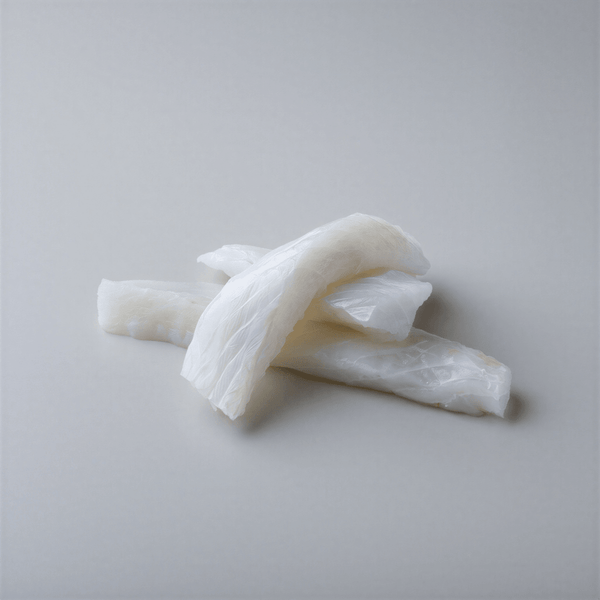
Cook over very low heat for 8-10 minutes. The oil should not bubble — if it does, the heat is too high. The cod should cook slowly, almost confiting. You will see it begin to release a white, gelatinous substance: this is the key to the emulsion.
Step 3: Flip and add the fumet
Carefully, flip the loins (skin facing down now). Heat the fish stock in a separate saucepan until it is hot (not boiling).
Pour the hot fumet into the casserole, around the cod, not directly on top. The liquid should cover about half the loin. You will see the oil and stock begin to mix.
Step 4: Create the brothy emulsion
Here is the key technique of the dish. With the casserole over low heat, move the casserole with a rocking motion (back and forth), holding it by the handles. This movement, gentler than the circular motion of pil pil, gradually mixes the oil with the stock and the gelatin from the cod.
You can also help with a wooden spoon, gently stirring the liquid around the cod (never over it, as it will break). Little by little, in 5-7 minutes, you will see that the stock and oil are no longer separated and form a unique sauce: a thick, creamy liquid, pale white to yellow in color, slightly opaque.
When the sauce has that texture — creamy but still liquid, like a light seafood cream — the emulsion is ready. Return the browned garlic and chili to the casserole.
Step 5: Finish and serve
Taste the sauce and adjust salt if necessary (remember the cod already adds salt). Sprinkle fresh chopped parsley generously over it.
Serve directly in the earthenware casserole, bubbling, with crusty bread on the side for dipping in the sauce. Bacalao a la donostiarra is eaten with a spoon — the brothy sauce is as much a protagonist as the fish.
The brothy emulsion technique
The emulsion is the soul of donostiarra and what distinguishes this dish from a simple cod in broth. Understanding how it works will give you total control over the recipe.
The gelatin from the cod (mainly from the skin and the interstitial area of the flesh) acts as a natural emulsifier. When dissolved in the hot liquid, its molecules interpose themselves between the oil droplets and the watery broth, preventing them from separating. This is exactly the same principle by which the lecithin in egg emulsifies mayonnaise.
For the emulsion to work, you need three conditions:
- Low and constant temperature: Between 60-80°C. If it boils, the emulsion breaks because the violent movement of the water separates the phases. If it's too cold, the gelatin won't dissolve and won't emulsify.
- Gentle and continuous movement: The rocking motion of the casserole or the spoon gradually incorporates the oil into the broth. Don't shake vigorously — the emulsion forms little by little.
- Enough gelatin: Without cod skin, the emulsion is very difficult to achieve. If your cod doesn't have much skin, you can reinforce by adding a dissolved gelatin leaf (fish gelatin) to the fumet. It's not orthodox, but it works.
If the emulsion doesn't bind (the oil and stock separate), carefully remove the cod and work only the liquid: lower the heat to minimum and move the casserole more persistently for 3-4 minutes. If it still doesn't bind, add a teaspoon of corn flour dissolved in cold water — it acts as an emergency emulsifier.
Pairings and presentation
Donostiarra is a dish that requires few but well-chosen accompaniments:
- Crusty bread: It's mandatory. Sourdough bread, thickly cut, lightly toasted. It's for dipping in the brothy sauce and is an integral part of the experience. Without bread, donostiarra loses half its charm.
- Boiled potatoes: Small potatoes boiled whole, added to the casserole in the last 5 minutes, so they absorb the sauce. It's the most traditional garnish of the txokos donostiarras.
- Peas: In season (spring), fresh cooked peas added to the casserole add color and freshness to the dish.
- White asparagus: From Navarra, cooked and placed next to the cod. Their sweetness complements the intensity of the garlic.
The classic presentation is in the earthenware casserole itself, directly from the fire to the table. The earthenware retains heat and keeps the sauce bubbling throughout the meal. If you don't have an earthenware casserole, a preheated deep ceramic dish works.
Recipe variations
Donostiarra has as many versions as there are cooks in the Basque Country. These are the most interesting variations:
- With caramelized onion: Some cooks add finely chopped onion to the oil, before the garlic, and caramelize it until translucent. This adds sweetness to the broth and facilitates the emulsion (the onion provides sugars that help bind).
- With choricero peppers: Hydrated choricero pepper pulp is added to the broth. It changes the color (from white to reddish) and adds a very interesting sweet and smoky depth. This is the "red donostiarra" version.
- With clams: Some versions incorporate clams that open in the broth just before serving. The clam juice greatly enriches the sauce and adds a touch of the sea that complements the cod.
- Extreme brothy version: Adding double the fumet (400 ml) results in an almost soup-like version. It's served in a deep bowl with a spoon and is perfect for cold winter days.
Whatever the variation, the essence is always the same: quality cod, garlic, olive oil, stock, and the patience to achieve that emulsion that transforms humble ingredients into an extraordinary dish.
Premium Seafood Products — Bacalalo
Since 1990, selecting the best from the sea at Mercat del Ninot, Barcelona. Refrigerated shipping 24-48h.
View desalted cod →🛒 Products mentioned in this article
⭐ 4.9/5 · 24-48h chilled delivery · Since 1990 at Mercat del Ninot
Frequently asked questions
Can I use cod without skin for donostiarra?
It is not recommended. The skin provides the necessary gelatin to emulsify the sauce. Without skin, the oil and stock will separate. If you only have skinless cod, you can add a neutral gelatin leaf (fish gelatin) to the fumet as a substitute, although the result will not be identical.
Can I make "donostiarra" with frozen cod?
Yes, but you need to thaw it completely in the refrigerator (24 hours) and dry it very well before cooking. Frozen cod releases more water during cooking, which can make emulsification difficult. Fresh desalted cod is always preferable.
What should I do if the emulsion breaks?
Carefully remove the cod. Reduce the heat to a minimum and stir the casserole insistently for 3-4 minutes. If it doesn't thicken, dissolve half a teaspoon of cornstarch in a tablespoon of cold water and add it to the broth, stirring. It will thicken again. Reincorporate the cod.
How much broth should the final dish have?
The cod should be "swimming" in the sauce, covered up to the middle of the loin. If too much liquid has evaporated during cooking, add a little more hot fish stock at the end and stir the casserole to re-emulsify. Donostiarra is a soupy dish by definition.
Can "donostiarra" be reheated?
With caution. Reheat over very low heat, stirring the casserole to maintain the emulsion. Do not boil — if it boils, the sauce will curdle. The cod reheats well, but the sauce is more delicate. Ideally, it should be eaten freshly made.
Can I use a regular pot instead of an earthenware one?
Yes, although an earthenware pot has advantages: it retains heat uniformly, naturally maintains a low temperature, and allows the dish to be served directly at the table. A deep cast iron skillet or a thick steel pot work well as alternatives.