Summary: Kokotxas al pil pil are the jewel of Basque gastronomy. These small pieces from the jowl of cod or hake are slowly cooked in olive oil with garlic and chili, and thanks to their extremely high gelatin content, they produce an easier and smoother pil pil emulsion than that made from loins. Karlos Arguiñano masterfully prepares them on his show: few ingredients, a lot of technique, and a spectacular result. This recipe is inspired by Arguiñano's technique and style. It is not a literal reproduction, but our interpretation.
What are kokotxas?
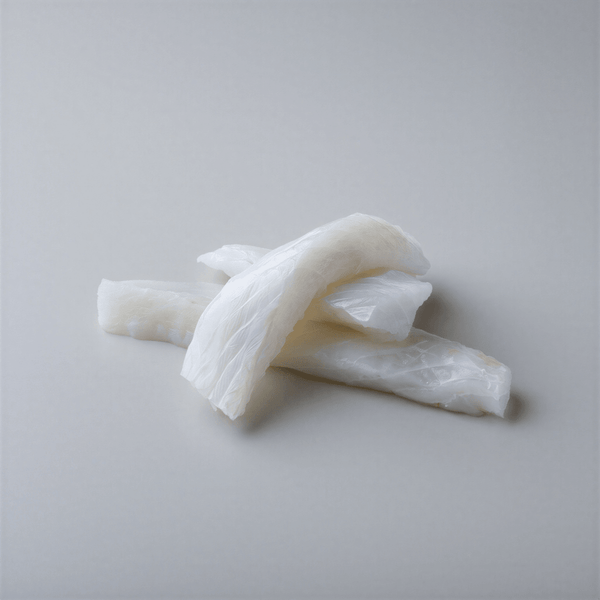
Kokotxas (or cocochas in Castilian Spanish) are the lower part of the cod or hake jaw — what would anatomically be the "jowl" of the fish. They are small, oval-shaped pieces with a unique texture: gelatinous, tender, and extraordinarily juicy.
Each cod has only two kokotxas, which makes them a scarce and highly prized cut. In the Basque Country, they have been considered a delicacy for centuries. Arrantzales (Basque fishermen) would separate them from the fish before selling it, reserving them for their own consumption — a sign that they always knew they were the best part.
What makes kokotxas special is their very high concentration of collagen and gelatin. This gelatin allows for a much easier pil pil emulsion than with loins: having more gelatinous surface in proportion to their size, the sauce forms almost by itself with the movement of the casserole.
In the gastronomic societies of Euskadi, kokotxas al pil pil are served as a dish of honor. It is not an appetizer or a tapa: it is the main course, the highlight of the meal.
Arguiñano and kokotxas: his approach
Karlos Arguiñano has prepared kokotxas al pil pil dozens of times on his Antena 3 show over the years. His philosophy is always the same: let the product dictate. With kokotxas, that means not complicating the recipe.
Key points of Arguiñano's approach to kokotxas:
- Fresh, good-sized kokotxas: neither too small (they fall apart) nor too large. A medium size that allows them to cook evenly.
- Very thinly sliced garlic: to brown slowly and release its flavor without burning.
- Ibarra chili: its mild spicy touch is the Basque signature of the dish.
- Mild extra virgin olive oil: arbequina or similar, so it doesn't compete with the fish's flavor.
- Constant pan movement: Arguiñano always says that kokotxas emulsify "on their own" if you move them well.
His version is purist: it doesn't include parsley (though he admits it "looks nice"), no onion, no tomato. It is the essence of pil pil in its most concentrated expression.
Ingredients for 4 servings
| Ingredient | Quantity |
|---|---|
| Desalted cod kokotxas | 500 g |
| Mild extra virgin olive oil | 200 ml |
| Garlic cloves | 4 cloves |
| Ibarra chili peppers | 2 units |
| Fresh parsley (optional) | A handful |
Premium desalted cod kokotxas
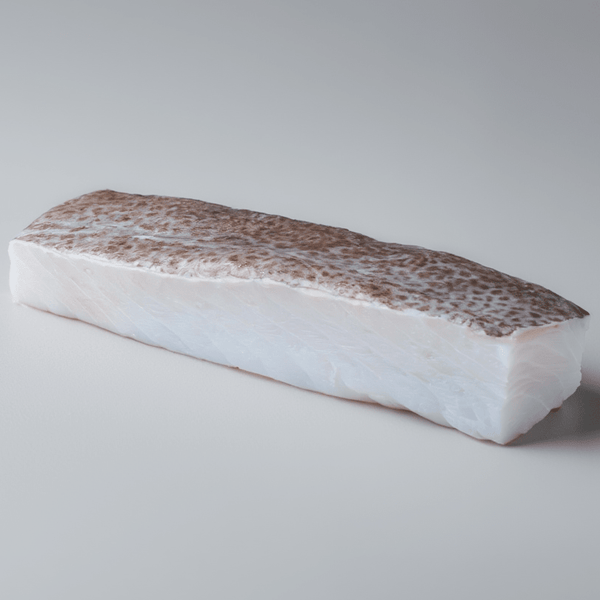
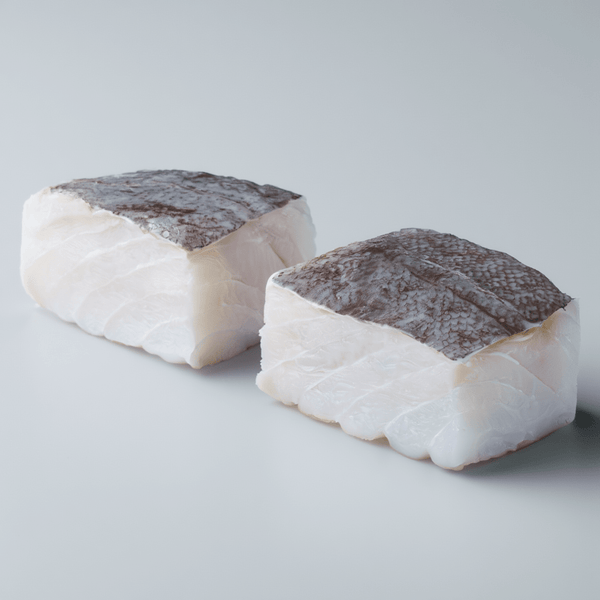
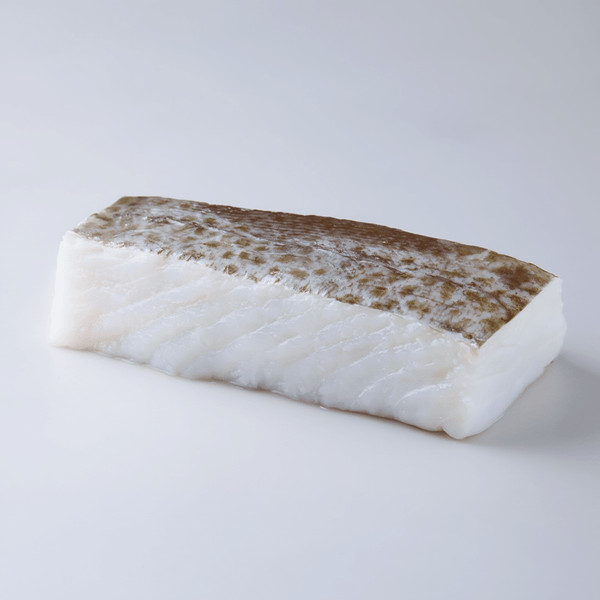
Cod kokotxas are an exclusive item. At Bacalalo, we work with producers who select this delicacy for you.
View desalted cod collectionStep-by-step recipe
Step 1 — Prepare the kokotxas. If they are salted cod, they must be well desalted (24-36 hours in cold water, changing every 8 hours). Pat them dry with kitchen paper. If they are fresh hake, simply pat them dry thoroughly and season lightly with salt.
Step 2 — Confit garlic and chili. Pour 200 ml of olive oil into a wide, shallow earthenware casserole. Over low heat, add the thinly sliced garlic and Ibarra chili peppers. Let them brown gently for 3-4 minutes. The garlic should be golden, never dark. Remove the garlic and chilies and set them aside.
Step 3 — Cook the kokotxas. With the heat on minimum, place the kokotxas in the flavored oil. The most gelatinous part (the most irregular and shiny) should face down in contact with the oil. Cook for 2-3 minutes per side. Kokotxas are delicate: they fall apart if you handle them too much. Flip them only once carefully using a thin spatula.
Step 4 — Start the emulsion. With the kokotxas still in the casserole, begin to move the casserole with a circular wrist motion. Unlike loins, kokotxas release gelatin quickly, so the emulsion can start with them inside. You'll see how the oil begins to thicken and turn whitish in 2-3 minutes.
Step 5 — Complete the emulsion. If the emulsion needs help, remove the casserole from the heat and continue stirring. The drop in temperature favors binding. Stir constantly for 3-5 minutes until you get a creamy, silky, whitish sauce that coats the kokotxas.
Step 6 — Serve. Return the sliced garlic and chili peppers over the kokotxas. If desired, sprinkle very finely chopped parsley. Serve immediately in the same earthenware casserole. Pil pil doesn't wait.
Emulsion secrets with kokotxas
Emulsifying with kokotxas is significantly easier than with cod loins, and there are scientific reasons for this:
- Higher gelatin/weight ratio: kokotxas are practically pure gelatin and collagen. While a cod loin concentrates gelatin only in the skin, the entire kokotxa is gelatinous.
- Lower temperature: kokotxas are cooked at a lower temperature than loins (minimum heat is sufficient), which favors emulsion.
- Emulsion during cooking: you don't need to remove the kokotxas to emulsify, as is the case with loins. The emulsion starts while they are cooking.
- Less oil needed: 200 ml is enough for 500 g of kokotxas, compared to the 250 ml needed for 800 g of loins.
- Shorter time: emulsion with kokotxas forms in 2-5 minutes of stirring, compared to 5-8 minutes with loins.
A trick Arguiñano sometimes uses: if the emulsion doesn't start, add a teaspoon of cold water to the hot oil. The thermal shock helps initiate the binding of the gelatin with the oil.
To delve deeper into the world of kokotxas, consult our complete guide to kokotxas with all variants and preparations.
Cod kokotxas vs hake kokotxas
| Characteristic | Cod | Hake |
|---|---|---|
| Size | Larger | Smaller |
| Gelatin | Very high (desalted) | High (fresh) |
| Flavor | More intense, saline | Softer, more delicate |
| Texture | Firm and gelatinous | Tender and melting |
| Emulsion | Easier | Slightly more difficult |
| Price | High | Very high |
| Availability | Year-round (salted) | Seasonal |
Both are excellent for pil pil. Cod kokotxas are the most traditional in the Basque Country and those Arguiñano uses most frequently. Hake kokotxas are more delicate and subtle, preferred in high-end restaurants.
Common mistakes when cooking kokotxas al pil pil
- Too high heat: kokotxas are extremely sensitive to heat. Minimum heat is sufficient. If the oil bubbles, it's too hot.
- Stirring kokotxas with a spoon: never touch them with a spoon or fork. Move the entire casserole with your wrist. If you need to flip them, use a thin, very gentle spatula.
- Overcooking: kokotxas overcook in seconds. 2-3 minutes per side is enough. Overcooked, they become rubbery and lose their creamy texture.
- Not drying them well: surface water causes splattering and hinders emulsion. Dry them thoroughly with kitchen paper.
- Using strong-flavored oil: a picual oil or similar masks the delicate flavor of the kokotxas. Always use mild oil.
- Serving lukewarm: kokotxas pil pil should be served hot. The sauce loses texture when it cools. Serve in the casserole directly from the heat to the table.
If you're interested in mastering the pil pil technique in all its variations, check out our article on pil pil in MasterChef, where we analyze the most common mistakes made by contestants.
Pairing and serving
Kokotxas al pil pil are a top-tier dish that deserves an equally excellent accompaniment:
- Wine: a dry, fresh txakoli (Getariako Txakolina) is the classic pairing. Its acidity cuts through the richness of the sauce. Alternative: an Albariño from Rías Baixas.
- Bread: mandatory. A crusty country bread for dipping in the pil pil sauce. It's a sin to waste that sauce.
- Garnish: strictly speaking, kokotxas do not come with a garnish. They are served alone in the casserole. If you need something extra, some confit potatoes or white asparagus.
- Presentation: always in an individual or shared earthenware casserole. Never serve on a flat plate — pil pil needs a container that maintains temperature.
In the Basque Country, kokotxas al pil pil are eaten in reverent silence. No joke: it's one of those dishes that invites you to concentrate on every bite.
Nutritional values per serving
| Nutrient | Per serving |
|---|---|
| Calories | ~420 kcal |
| Proteins | 30 g |
| Fats | 34 g |
| Carbohydrates | 1 g |
| Collagen | High |
Kokotxas are rich in natural collagen, omega-3, and high-quality protein. It's a carb-free dish, suitable for ketogenic diets. Olive oil provides oleic acid, healthy monounsaturated fats for the heart.
🛒 Products used in this recipe
⭐ 4.9/5 · Cold shipping 24-48h · Since 1990 at Mercat del Ninot
Discover our premium selection
Carefully selected seafood products since 1990 at Mercat del Ninot, Barcelona. Refrigerated shipping in 24-48h.
Conclusion
Kokotxas al pil pil Arguiñano-style are the quintessence of Basque cuisine: a dish that, with four ingredients, achieves gastronomic excellence. If you've ever doubted your ability to emulsify a pil pil, start with kokotxas — their high gelatin content means they almost do the work themselves.
The key to success lies in three factors: quality raw ingredients, minimum heat, and patience with the movement of the pan. If you respect these three principles, the result will be a silky sauce, tender kokotxas, and a top-notch culinary experience.
At Bacalalo, we work directly with producers who select the best cuts of cod, including kokotxas and skin-on loins. Discover our selection of desalted cod and bring Basque cuisine to your table.
Premium cod for your kokotxas al pil pil
We select directly from the producer. Top quality cod kokotxas and loins.
Buy desalted codFrequently Asked Questions
What exactly are kokotxas?
Kokotxas (cocochas in Spanish) are the lower part of the cod or hake jaw. They are small, gelatinous pieces highly valued in Basque gastronomy. Each fish only has two, making them scarce and prized.
Are cod or hake kokotxas better?
It depends on your preferences. Cod kokotxas are larger, firmer, and have a more intense flavor — ideal for pil pil. Hake kokotxas are more delicate, tender, and subtle. For Arguiñano's recipe, desalted cod kokotxas are the most suitable.
Why is emulsion easier with kokotxas?
Because kokotxas have a much higher concentration of collagen and gelatin than loins. This gelatin acts as a natural emulsifier. Having more gelatin in proportion to their size, the emulsion forms faster and with less effort.
How long do you cook kokotxas?
2-3 minutes per side is enough on minimum heat. Kokotxas cook very quickly: if you overcook them, they become rubbery. The entire dish (with confit garlic and emulsion) takes about 20 minutes.
Can I use frozen kokotxas?
Yes, but thaw them completely in the refrigerator (12-24 hours) and dry them very well. Frozen ones release more water, which can make emulsification difficult. The result is good but doesn't match fresh or desalted salted cod kokotxas.
Where can I buy quality kokotxas?
In specialized fishmongers and online premium seafood stores. Desalted cod kokotxas are easier to find than fresh hake kokotxas, which are seasonal. At Bacalalo, we work with producers who select this exclusive cut.
Which wine pairs best with kokotxas al pil pil?
Dry txakoli (Getariako Txakolina) is the classic and perfect pairing. Its acidity and freshness cut through the richness of the pil pil sauce. As an alternative, a young and fresh Albariño from Rías Baixas or a Verdejo from Rueda.
How many kokotxas per person?
As a main course, calculate 120-150 g per person. That's usually about 6-8 medium-sized cod kokotxas. If it's as an appetizer or tapa, 80-100 g is sufficient.
Can you make kokotxas pil pil without an earthenware pot?
Yes, you can use a shallow, heavy-bottomed frying pan. But an earthenware pot maintains heat more uniformly and allows for better temperature control for the emulsion. It's an investment worth making if you enjoy Basque cuisine.
Do kokotxas have bones?
No. Kokotxas are a boneless piece. They are made of muscle, gelatin, and collagen. This is one of their advantages: they can be eaten without worry, even children enjoy them without risk.
Marc González Sáez
Since 1990 at Mercat del Ninot, Barcelona. We select cod and seafood products directly from the producer. It's not marketing — there are verifiable factors.