Summary: Hake kokotxas are the jewel of Basque gastronomy. More delicate than cod kokotxas, with a subtle flavor and a melt-in-your-mouth texture. This guide teaches you all the ways to prepare them: breaded, in green sauce, pil pil style, and grilled, with tips for choosing the best ones and not ruining them in the kitchen.
Table of contents
What are hake kokotxas?
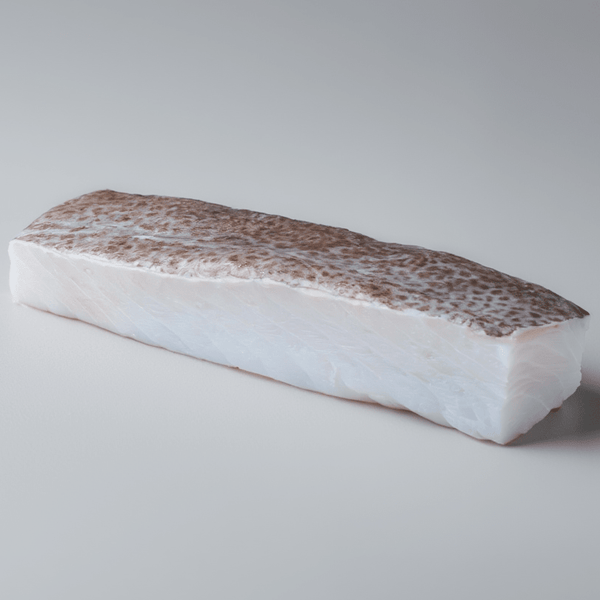
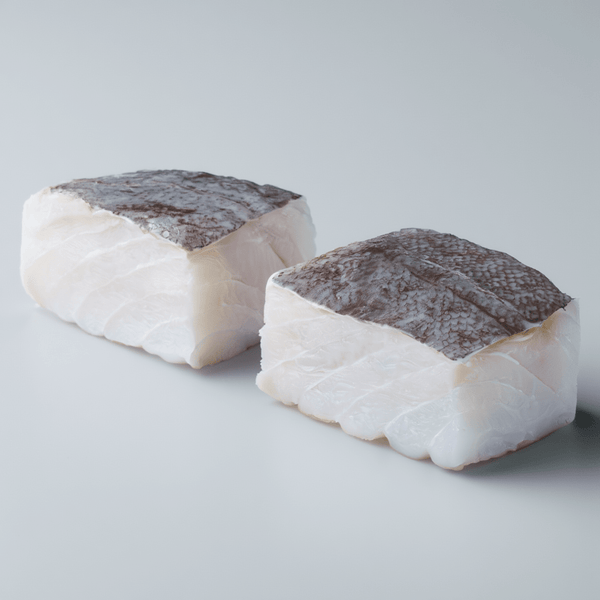
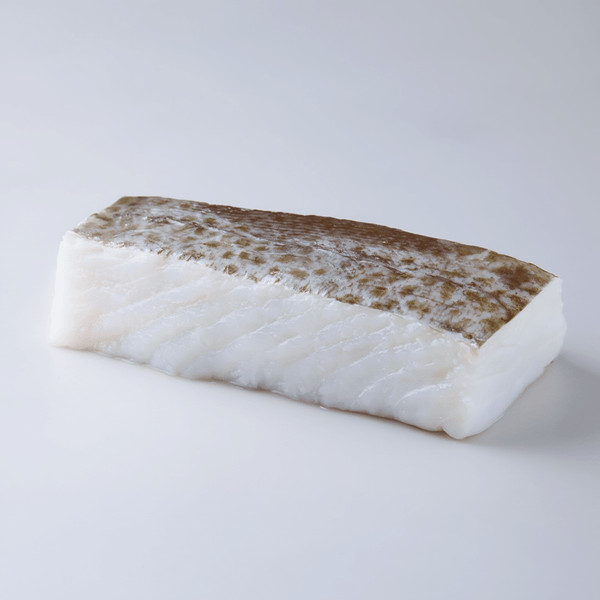
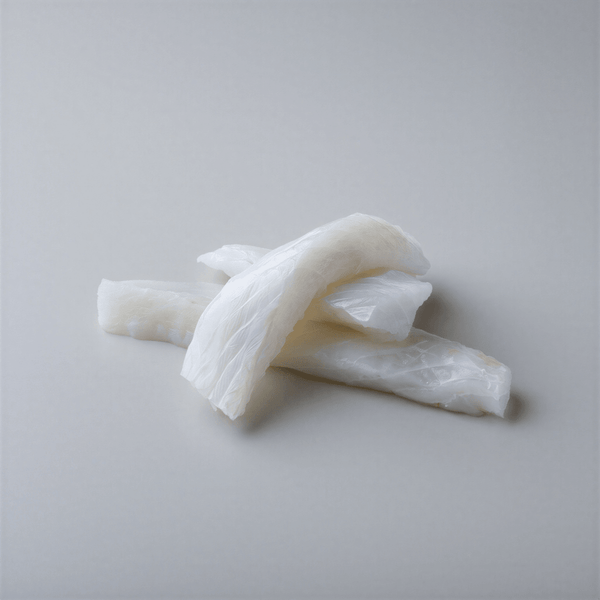
Hake kokotxas are the V-shaped muscle located under the fish's lower jaw. This is the part that the hake uses to move its gills during respiration. This constant function gives it a unique composition: lean meat intertwined with collagen and gelatin fibers that, when cooked, give it that unmistakable texture — firm to the bite but melting in the mouth, releasing all its sea flavor.
European hake (Merluccius merluccius), especially that caught in the Cantabrian Sea and the Bay of Biscay, produces the most prized kokotxas. They are smaller than cod kokotxas but their flavor is finer, more elegant, with sweet and marine notes that make them one of the most sought-after items on the market.
Each hake has only two kokotxas, one on each side of the jaw. This, coupled with growing demand, explains why their price is considerably higher than that of other fish cuts. A 3 kg hake can yield two kokotxas totaling barely 30-40 grams. To serve 4 people, you need the kokotxas from at least 6-8 hakes.
In the Basque fishing tradition, kokotxas were the part kept by the arrantzales (fishermen) for their own consumption. They were not sold because there was no demand. It was the revolution of the New Basque Cuisine in the 1970s that elevated them to a haute cuisine ingredient, and today they are sought after by restaurants and individuals alike.
How to choose the best hake kokotxas
Choosing good kokotxas is fundamental for the final result. These are the criteria we use at Mercat del Ninot:
Freshness
- Color: Pearly white with pink reflections. If they are yellowish or grayish, they are not fresh.
- Texture: Firm to the touch but elastic. If they are soft or sticky, discard them.
- Smell: Of clean sea. Any ammoniacal or unpleasant smell indicates spoilage.
- Skin: Intact and well-attached to the flesh. The gelatin is in the skin.
Size
Large kokotxas (from hake weighing 3+ kg) are the most prized because they have more meat and proportionally more gelatin. Small ones (from hake weighing 1-2 kg) are cheaper but just as tasty — you simply need more of them.
Origin
The most prized are those from the Cantabrian Sea (caught by the Basque and Cantabrian fleet) and from the Gran Sol (waters between Ireland and Brittany). Hake kokotxas from Argentina or Chile are larger but less flavorful.
Fresh vs. frozen
Fresh kokotxas have an extra point of texture, but those frozen on board (flash-frozen immediately after capture) retain their properties very well. For recipes like green sauce or breaded, frozen ones are an excellent option. For pil pil, fresh ones yield better results.
Recipe: Breaded hake kokotxas
The simplest and most popular way to prepare kokotxas. Perfect as a tapa, pintxo, or starter.
Ingredients (4 servings)
- 400 g hake kokotxas
- 2 beaten eggs
- Wheat flour for breading
- Olive oil for frying (plenty)
- Fine salt
- Lemon for serving
Preparation
- Prepare the kokotxas: Dry them thoroughly with paper towels. If frozen, thaw them in the refrigerator beforehand and then dry them. Season them with a little salt.
- Bread: Dip each kokotxa first in flour (shake off excess) and then in beaten egg. The breading should be light — we don't want a thick layer that hides the kokotxa.
- Fry: Heat plenty of olive oil to 180°C (350°F). Fry the kokotxas in batches of 4-5 (do not overcrowd the pan) for 2-3 minutes. They should be golden brown on the outside but juicy on the inside.
- Drain and serve: Remove them to paper towels. Serve immediately with a lemon wedge. Breaded kokotxas don't wait — they are eaten right away.
Tips for perfect breading
- The oil should be exactly 180°C (350°F). Lower and the breading will be oily; higher and it will burn on the outside before cooking through on the inside.
- Do not prick the kokotxas with a fork when turning them — use a slotted spoon. Pricking them releases the juices and they become dry.
- For a crispier breading, substitute part of the flour with tempura flour or cornstarch.
Recipe: Grilled kokotxas
The purest option. No breading, no sauce — just the kokotxa, heat, and good oil.
Ingredients (4 servings)
- 400 g fresh hake kokotxas
- Extra virgin olive oil
- Maldon salt (or salt flakes)
- Fresh chopped parsley
- 1 clove garlic (optional)
Preparation
- Very hot griddle: Heat a griddle or cast-iron pan over high heat with a drizzle of oil.
- Dry kokotxas: It is essential that they are perfectly dry. Moisture prevents them from browning.
- Brief cooking: 1-2 minutes per side, depending on size. They should be golden on the outside with the inside barely cooked — translucent and gelatinous.
- Finish: Remove from heat. Add a few Maldon salt flakes, a drizzle of raw olive oil, and chopped parsley. If desired, rub a cut garlic clove over the surface of the griddle to aromatize.
Grilled kokotxas are an exercise in gastronomic minimalism. The product must be excellent because there is no sauce or breading to disguise anything. If the kokotxa is good, this is the method that best respects it.
Related Bacalao Products


Hake kokotxas vs cod kokotxas: a complete guide
This is the big question we get asked at Mercat del Ninot. The answer depends on what you're looking for:
| Criterion | Hake | Cod |
|---|---|---|
| Flavor | Subtle, sweet, elegant | Intense, saline, deep |
| Texture | Very tender, delicate | Firmer, gelatinous |
| Size | Small (15-20g/pc) | Large (25-40g/pc) |
| Gelatin | Medium | High |
| Price | 60-90 €/kg | 30-50 €/kg |
| Availability | Seasonal, fresh | Year-round |
| Best recipe | Breaded, green sauce | Pil pil, green sauce |
| Pil pil difficulty | High | Medium |
Which one to choose?
For pil pil: Cod. Its higher gelatin content greatly facilitates emulsification.
For green sauce: Both are excellent. Hake kokotxas give a finer result; cod kokotxas, a more powerful one.
For breading: Hake. Its tender texture contrasts perfectly with the crispy breading.
For grilling: Fresh hake, without a doubt. This is where its delicacy is best appreciated.
Value for money: Cod. At almost half the price, it offers excellent results in any preparation.
Where to buy quality kokotxas
Kokotxas are not a product that can be easily found in every supermarket. The usual channels are:
- Municipal markets: The best option for fresh kokotxas. Market fishmongers usually have direct access to the fish market and can order fresh kokotxas on request. At Mercat del Ninot in Barcelona, we have them available both fresh (on request) and in dried cod form.
- Specialized fishmongers: Basque and Cantabrian fishmongers have the best selection, but also large fishmongers in cities like Madrid, Barcelona, and Bilbao.
- Online: More and more specialized stores offer frozen kokotxas with delivery throughout Spain. It's a good option for those who don't have access to fresh kokotxas.
- Supermarkets: Some large supermarkets have frozen kokotxas in their fish section, but the quality varies greatly. Always look for European hake, not South American species.
Kokotxas in Basque haute cuisine
Kokotxas are a regular presence in the best restaurants in the Basque Country. Some iconic dishes:
Arzak (San Sebastián, 3 Michelin stars): Juan Mari Arzak was one of the first to elevate kokotxas to haute cuisine in the 1970s. His version of pil pil with squid ink marked an era.
Martín Berasategui (Lasarte, 3 Michelin stars): Prepares kokotxas in green sauce with baby peas and a touch of truffle oil. A refined version of the classic.
Mugaritz (Errenteria, 2 Michelin stars): Andoni Luis Aduriz has experimented with kokotxas in avant-garde preparations, from sous-vide cooking to deconstructed textures.
Karlos Arguiñano (Zarautz): Spain's most popular chef has popularized kokotxas on television, showing that you don't need to be a Michelin-starred chef to prepare them at home. His recipes are accessible and delicious.
What all these chefs share is absolute respect for the product. Kokotxas don't need complicated preparations — they need quality product and careful technique. It's a dish that demonstrates that simplicity, well executed, is the highest form of sophistication.
Frequently asked questions
How many kokotxas do I need per person?
Calculate 100-120 g per person as a starter and 150-200 g as a main course. Hake kokotxas weigh between 15-20 g each, so you'll need 5-8 pieces per person as a starter or 8-12 as a main course.
Do kokotxas have bones?
No. Kokotxas are a boneless, cartilageless muscle. This is one of their great advantages, especially for children or people who don't want to deal with bones when eating fish.
Can I freeze fresh kokotxas?
Yes, you can freeze them at home. Dry them well, place them on a tray without touching, freeze them for 2 hours, and then transfer them to a freezer bag. They last 3-4 months in the freezer. To thaw, always do so in the refrigerator for 12-24 hours.
What do kokotxas taste like?
Hake kokotxas have a mild, sweet, and clean flavor, with subtle marine notes. The texture is the most distinctive: firm to the bite but melting in the mouth, with a gelatinous quality that makes them unique. It's hard to compare them to anything else — you have to try them.
Are supermarket kokotxas good?
It depends on the supermarket and the origin. Some large supermarkets have frozen kokotxas of acceptable quality. The key is to look at the origin (European hake, preferably from the Cantabrian Sea or Gran Sol) and avoid cheaper but less flavorful South American species. For an optimal experience, buy them from a market fishmonger or a specialized store.
Can kokotxas be prepared in the microwave?
Technically yes, but we don't recommend it. The microwave cooks unevenly and it's easy to overcook them, leaving the kokotxas rubbery. Kokotxas need gentle, controlled heat — a clay pot, griddle, or frying pan are the appropriate methods.
🛒 Products mentioned in this article
⭐ 4.9/5 · Refrigerated delivery 24-48h · Since 1990 at Mercat del Ninot
Discover our premium selection
Seafood products selected with care since 1990 at Mercat del Ninot, Barcelona. Refrigerated delivery in 24-48h.
Conclusion
Hake kokotxas are one of the great jewels of Spanish gastronomy. Their unique texture, delicate flavor, and versatility in the kitchen make them an exceptional ingredient worth discovering and mastering.
Whether you prepare them breaded as a quick tapa, in a green sauce loaded with parsley, or in a patient pil pil, the result is always rewarding. The key is in the product: look for fresh European hake kokotxas, of good size and with intact skin. Everything else — the technique, the ingredients, the presentation — comes later.
And if hake kokotxas are out of budget, cod kokotxas are an extraordinary alternative that is just as good. They are more accessible, easier to work with, and have an intense and comforting flavor that connects with the most authentic fishing tradition.