Summary: Miso-glazed cod is one of the most iconic recipes in contemporary cuisine. Popularized by chef Nobu Matsuhisa in the 90s, this dish combines the tenderness of cod with the umami intensity of white miso, the sweetness of mirin, and the depth of sake. The result is a fish that is caramelized on the outside, juicy and almost creamy on the inside, with a complexity of flavor that surprises with every bite. This recipe teaches you how to replicate this haute cuisine dish at home using premium Icelandic cod.
Recipe Card
Time: 30 min + 48h marinating | Servings: 4 people | Difficulty: Easy
Main ingredients:
4 desalinated cod loins (600g), 200g white miso (shiro miso), 3 tbsp mirin, 2 tbsp sake, 1 tbsp sugar, fresh ginger
The origin of miso cod: from Nobu to your kitchen
The story of miso-glazed cod is inseparable from one name: Nobu Matsuhisa. The Japanese chef, born in Saitama in 1949, opened his first Matsuhisa restaurant in Beverly Hills in 1987 and revolutionized world gastronomy with his Japanese-Peruvian-Western fusion cuisine. But it was one dish that catapulted him to fame: the Black Cod with Miso.
Nobu's original recipe uses black cod (Anoplopoma fimbria), a deep-water fish from the North Pacific with extremely fatty and unctuous flesh. Nobu marinates it for 2-3 days in a paste of white miso, mirin, and sake, then roasts it at high temperature until the surface caramelizes into a shiny, dark glaze.
What many people don't know is that the technique works just as well—and some argue even better—with Atlantic cod (Gadus morhua), the Icelandic cod you can find at Bacalalo. The reason? Icelandic cod has a firmer, flakier texture than black cod, which creates a more interesting contrast with the sweet-savory miso glaze. While black cod almost disintegrates into a purée, Icelandic cod maintains its structure and separates into juicy flakes that absorb the marinade without losing its identity.
Since Nobu put it on the map, miso cod has become a global dish. It appears in Japanese restaurants on five continents, in haute cuisine tasting menus, in food blogs, and in the home kitchens of millions of people. It's one of those dishes that always impresses—both for its flavor and for how surprisingly easy it is to prepare.

What is miso and why it works with cod
Miso is a fermented Japanese paste made from soybeans, rice or barley, salt, and the fungus Aspergillus oryzae (koji). Fermentation, which can last from weeks to years, transforms simple ingredients into an umami concentrate—that fifth flavor that the Japanese identified as the sensation of depth and satisfaction in food.
There are dozens of varieties of miso, but for this recipe you need shiro miso (white miso). It is the mildest, sweetest, and shortest-fermented miso (weeks to a few months). Its color ranges from creamy white to pale yellow, and its flavor is delicate, slightly sweet, with a not-too-aggressive salty undertone.
Why does it work so well with cod? Three scientific reasons:
- Umami + umami: Cod has natural glutamate (an amino acid responsible for umami). Miso is also loaded with free glutamate from fermentation. When you combine them, the umami effect multiplies synergistically—it doesn't just add up, it multiplies. It's the same principle that makes Parmesan cheese on tomatoes addictive.
- Amplified Maillard reaction: The sugars in mirin and miso, when combined with the proteins in cod under high heat, produce an intense Maillard reaction. This generates that caramelized, shiny, slightly bitter crust that is the visual signature of the dish.
- Tenderizing enzymes: The enzymes in miso (koji proteases) act during marination to partially break down the surface proteins of the cod. This makes the outer layer more tender and absorbs more flavor, while the inside remains firm and juicy.
The result is a dish with a complexity of flavor that seems impossible for so few ingredients: sweet, salty, umami, slightly bitter from the caramelization, with the clean, mineral background of the cod peeking through it all.
Ingredients
For the miso marinade
- 200g white miso (shiro miso)
- 3 tablespoons mirin (Japanese sweet rice wine)
- 2 tablespoons sake
- 1 tablespoon sugar (white or brown)
For the cod
- 4 desalinated cod loins (150-180g each, thick)
- 1 piece fresh ginger (3 cm, finely grated) — optional but recommended
- Chives or spring onion for garnish
- Sesame seeds for garnish
Where to buy miso, mirin and sake
All three ingredients are easily found in large supermarkets (international or Asian section), Asian stores, and online gourmet shops. Shiro miso usually comes in a plastic or glass jar and lasts for months in the refrigerator once opened. Mirin and cooking sake are economical—you don't need premium sake, a cooking sake (ryorishu) is perfect.
If you can't find mirin, you can substitute it with a mixture of 2 tablespoons sweet white wine + 1 teaspoon sugar. It's not identical, but it's close. Sake can be substituted with dry white wine in a 1:1 ratio.
Icelandic Cod for your Japanese recipe
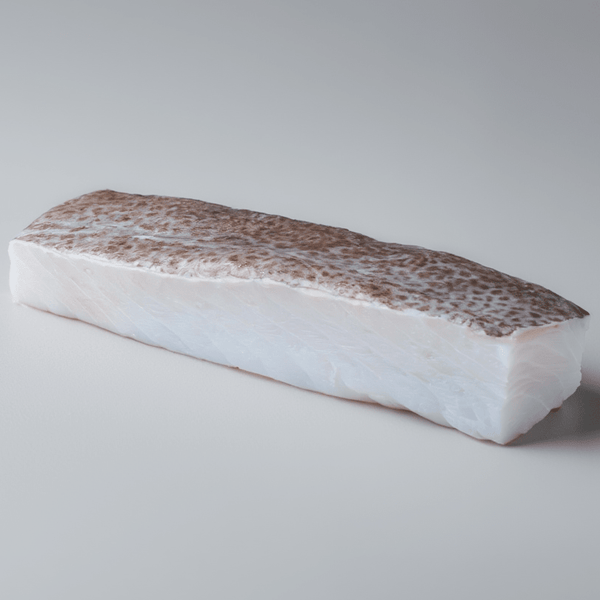
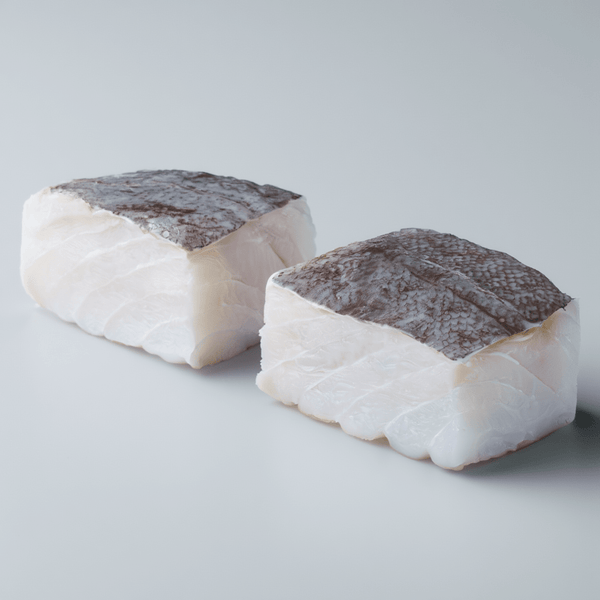
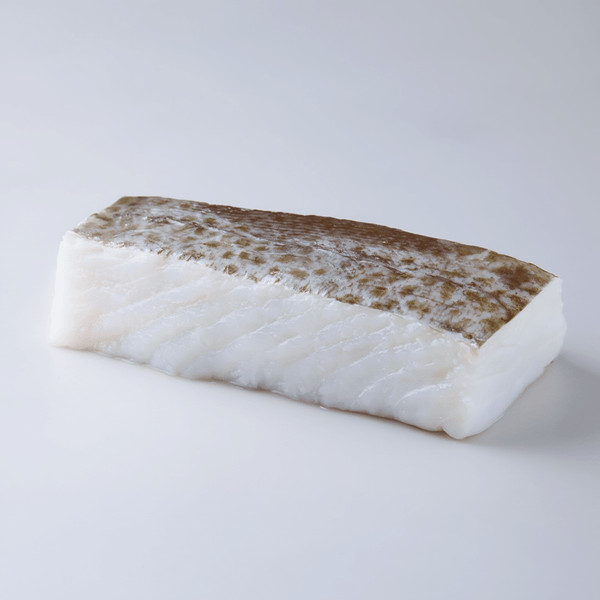
Bacalalo's premium Icelandic cod has the firm, flaky texture ideal for miso marinade: it absorbs the flavor without falling apart.
The miso marinade: preparation and timing
Prepare the marinade
In a small saucepan over medium heat, pour the sake and mirin. Bring to a boil for 30 seconds to evaporate the alcohol. This softens the flavor and leaves only the sweetness and depth.
Remove from heat and add the sugar. Stir until completely dissolved. Let cool for 5 minutes, then incorporate the white miso, whisking until a homogeneous, lump-free paste with a thick cream-like texture is obtained.
If you want to add ginger (highly recommended), grate 3 cm of fresh ginger directly into the paste and mix. Ginger adds a spicy freshness that balances the sweetness of the miso and mirin.
Marinate the cod
Pat the cod loins dry with paper towels. It is important that they are as dry as possible so that the marinade adheres well.
Spread a 3-4 mm layer of miso marinade over all surfaces of each loin. You can do this directly with your hands (miso does not irritate the skin) or with a kitchen spatula. Make sure to cover the sides and top thoroughly.
Place the marinated loins in an airtight container or wrap them individually in cling film. Refrigerate for a minimum of 24 hours and a maximum of 72 hours.
Marinating time is crucial:
- 24 hours: Superficial, subtle flavor. Miso penetrates 2-3 mm.
- 48 hours (ideal): Deep and balanced flavor. Miso penetrates 5-6 mm and the enzymes have tenderized the surface.
- 72 hours: Very intense, almost dominant flavor. Can be excessive if the miso is potent. Only recommended with very mild shiro miso.
Nobu's original recipe marinates for 2-3 days. For a first-timer, 48 hours is the optimal balance between flavor and intensity.
Cooking: baking and glazing the cod
Preparation
Take the loins out of the fridge 20 minutes before cooking. With paper towels or the back of a knife, remove excess marinade from the surface. You don't need to clean it completely—a thin layer should remain—but large clumps of miso will burn and become bitter under direct heat.
This step is important. Most mistakes with this recipe come from leaving too much marinade on the surface, which burns before the cod cooks through.
Option 1: Oven with grill (recommended)
Preheat the oven to 200°C (392°F) with top and bottom heat. Line a baking sheet with lightly oiled parchment paper (miso sticks a lot).
Place the loins on the baking sheet and bake in the middle rack for 10-12 minutes, until the surface begins to color. Then switch to grill function and move the tray to the upper part of the oven. Grill for 2-3 minutes, watching constantly, until the surface caramelizes with dark golden tones and some almost black spots (this is normal and desirable—it's the Maillard reaction).
The cod is ready when the surface is shiny, caramelized and irregular (with darker and lighter areas) and the flesh flakes easily when pressed with a finger but still offers resistance.
Option 2: Pan + oven
If you prefer more caramelization, you can sear the loins in a hot pan (without oil—the marinade has enough fat) for 1-2 minutes per side to create a crust, then finish in the oven at 200°C (392°F) for 6-8 minutes. This technique gives more control over the glaze but requires more attention.
Option 3: Pan only
For thin portions (less than 2 cm), you can cook everything in a pan over medium-high heat: 3-4 minutes on the first side (without moving), flip and 2-3 more minutes. The miso caramelizes directly in contact with the hot pan, creating an intense crust.
Presentation
Place each loin on a plate, with the most caramelized side facing up. Sprinkle with sesame seeds (white or black) and chopped chives. For an extra touch, a thin drizzle of reduced soy sauce or toasted sesame oil around the plate.
Miso cod is visually striking: the shiny, caramelized surface, with golden and brown tones, contrasts with the flaky white interior when cut. It's a dish that begs to be photographed before eating.
Japanese and fusion accompaniments
Miso cod works well in both a Japanese context and on a Western table. These are the accompaniments that best complement it:
- Japanese rice: Short-grain rice cooked Japanese style (sushi rice without vinegar). It absorbs the juices of the cod and balances the intensity of the miso. It is the canonical accompaniment.
- Japanese pickles (tsukemono): Pickled daikon (takuan), pickled ginger (gari) or cucumber in rice vinegar. The acidity of the pickles cuts through the richness of the miso and cleanses the palate.
- Edamame: Cooked soybean pods with coarse salt. Simple, fresh and thematically coherent.
- Sautéed bok choy: Baby bok choy sautéed with garlic and a touch of soy sauce. It cooks in 2 minutes and adds vegetables and a crispy texture.
- Sweet potato purée: In a fusion key, a sweet potato purée with a touch of butter and ginger combines wonderfully with the sweetness of the miso. It is the most successful fusion accompaniment.
- Wakame salad: Rehydrated wakame seaweed with cucumber, rice vinegar and sesame. Fresh, marine and light—the perfect counterpoint.
To drink, a cold sake (junmai ginjo) is the obvious choice. For wine, a dry Alsatian Riesling or a Galician Albariño work extraordinarily well with the sweet-umami-salty combination of miso.
Variations and adaptations
Nobu's recipe is the starting point, but there are variations worth exploring:
- Red miso (aka miso): More intense, saltier, more fermented. Gives a more powerful and darker result. Reduce marinating time to 24 hours if using red miso, or mix half white / half red for an intermediate point.
- With yuzu: Add yuzu zest (Japanese citrus) to the marinade. Yuzu adds a floral and citrus aroma that elevates the dish to another level. If you can't find fresh yuzu, bottled yuzu juice works.
- Express version (2 hours): If you don't have time to marinate for 48 hours, lightly heat the marinade (40°C/104°F), cover the cod and marinate for 2 hours. It won't be as deep but works for an impromptu dinner.
- With miso butter: Mix 50g of soft butter with 2 tablespoons of white miso. Place a tablespoon over each loin fresh out of the oven. It melts and creates a quick and irresistible sauce.
- Miso and citrus: Substitute sake with orange juice and add zest. The miso-orange combination is surprising and perfect for the Western palate.
Whatever the variation, the base is always the same: a premium quality desalinated cod, thick enough to withstand marinating and high-temperature cooking without drying out. At Bacalalo, our Icelandic cod loins are perfect for this recipe: firm, with a flaky texture and the ideal proportion of intramuscular fat for a juicy and caramelized result.
Premium Seafood — Bacalalo
Since 1990, selecting the best from the sea at Mercat del Ninot, Barcelona. Refrigerated delivery in 24-48h.
View desalinated cod →🛒 Products mentioned in this article
⭐ 4.9/5 · Chilled delivery 24-48h · Since 1990 at Mercat del Ninot
Frequently Asked Questions
Can I use a type of miso other than white?
Yes, but with adjustments. Red miso (aka miso) is more intense and salty — reduce the amount to 150g and the marinating time to 24 hours. Barley miso (mugi miso) also works. Avoid hatcho miso (pure soy) — it's too strong for cod and completely overwhelms the fish's flavor.
Is it necessary to use sake and mirin or can I substitute them?
You can substitute sake with dry white wine and mirin with sweet white wine and a teaspoon of sugar. It's not identical but it's close. What you shouldn't skip is the step of briefly boiling to evaporate the alcohol — it significantly softens the marinade.
Why do I need to remove excess marinade before cooking?
Miso lumps burn quickly under direct heat, creating bitter spots and smoke. A thin layer caramelizes perfectly, but lumps will char. Remove excess with a paper towel or the back of a knife, leaving only a uniform film.
Can I marinate for less than 24 hours?
Yes. A 2-4 hour marinade gives a superficial but appreciable flavor. For optimal results, 48 hours is ideal. If you're in a hurry, heat the marinade to 40°C before applying it — heat accelerates penetration. Never marinate for more than 72 hours or the cod may become too soft.
Does this recipe work with salted cod without desalting?
No. Miso already adds significant salt to the dish. If you use unsoaked salted cod, the result will be extremely salty and inedible. Always desalt the cod completely (24-48 hours in the refrigerator) before applying the miso marinade.
Can leftover miso marinade be reused?
Not if it has been in contact with raw fish. But you can prepare extra marinade and store the unused portion in a jar in the refrigerator for up to 2 weeks. It also works for marinating chicken, salmon, tofu, eggplant, or shiitake mushrooms.
Products you might be interested in