Yes to light tuna and albacore tuna; NO to bluefin tuna, swordfish, shark, or pike. AESAN recommends avoiding large predatory species during pregnancy and breastfeeding due to their mercury content. Canned light tuna (1 serving/week) and albacore tuna are safe and nutritious options (omega-3 + protein). Always well-preserved, with no raw or semi-raw products.
⚠️ Medical advisory: This content is for informational purposes only and does not substitute professional medical advice. Recommendations during pregnancy should be individualized with your obstetrician, midwife, or gynecologist. Sources consulted: AESAN (Spanish Agency for Food Safety and Nutrition), EFSA (European Food Safety Authority), SEGO (Spanish Society of Gynecology and Obstetrics), and WHO.
Direct answer: can you eat tuna during pregnancy?
The answer is neither "yes" nor "no": it depends on the species and the form.
According to the official recommendations of AESAN (Spanish Agency for Food Safety and Nutrition) published in its report on methylmercury exposure (revised in 2019 and currently in force), during pregnancy and breastfeeding you should:
- ✅ Consume: canned light tuna, albacore tuna, white fish, sardines, cooked anchovies (not raw in vinegar). Recommendation: 3-4 servings per week of fish in total.
- ❌ COMPLETELY AVOID: bluefin tuna (Thunnus thynnus), swordfish / emperor fish, shark / dogfish / mako shark, pike.
- ⚠️ Limit to 1 serving/week: canned light tuna, albacore tuna.
- ❌ Never raw or undercooked during pregnancy (risk of listeria, anisakis, salmonella). This rules out tuna sushi, tartare, tataki, sashimi, ceviche.
The reason is always the same: methylmercury, a heavy metal that accumulates in large predatory fish and crosses the placenta, potentially affecting fetal neurological development.
Real risks: mercury, listeria, anisakis
Three different risks to consider:
1. Mercury (methylmercury)
Mercury bioaccumulates in the food chain. Large predatory fish (bluefin tuna, swordfish, shark) accumulate more because they live longer and eat other fish that already contain mercury. The fetus is particularly sensitive: methylmercury crosses the placenta and can affect the development of the central nervous system.
EFSA established a tolerable weekly intake of 1.3 μg/kg of body weight. For a 65 kg pregnant woman, this is 84.5 μg of mercury/week. One serving of bluefin tuna (130 g) can provide 130-260 μg—already exceeding the weekly limit in a single meal.
2. Listeria monocytogenes
Bacteria that grows at refrigerator temperatures. Listeriosis during pregnancy can cause miscarriage, premature birth, or severe neonatal infection. This is why refrigerated smoked fish (salmon, smoked tuna), refrigerated fish pâtés, and prepared fish salads are avoided during pregnancy.
Canned tuna is sterilized at 116-121 °C: listeria does not survive. It is safe as long as the packaging is in perfect condition and it is consumed within 24-48 hours after opening.
3. Anisakis
Parasite present in raw or undercooked fish. To inactivate it: cook at over 60 °C for 1 minute in the center of the product, or freeze at –20 °C for 5 days (EU Regulation 1276/2011 for raw products). Canned tuna does not carry this risk (thermal processing). Raw tuna (sushi, tartare, tataki) does—ruled out during pregnancy.

Verifiable Data — AESAN, EFSA
These are the official data supporting the recommendation. They are average values published by AESAN/EFSA; variability exists due to origin and specimen size:
| Parameter | Value | Source |
|---|---|---|
| Mercury in light/skipjack tuna | 0.1-0.2 mg/kg | AESAN 2019 |
| Mercury in large bluefin tuna | 0.3-1.0 mg/kg | AESAN/EFSA (official range) |
| Mercury in albacore tuna | 0.15-0.25 mg/kg | AESAN |
| Mercury in swordfish | 0.5-1.5 mg/kg | AESAN |
| Mercury in sardine/anchovy | < 0.05 mg/kg | AESAN |
| EFSA tolerable intake | 1.3 μg/kg body weight/week | EFSA 2012 |
| AESAN pregnancy recommendation | 1 serving/week light tuna | AESAN 2019 |
| Total fish recommendation pregnancy | 3-4 servings/week | SEGO + AESAN |
Conditions for safe consumption
If you want to safely consume tuna during pregnancy, follow these conditions:
- Choose safe species: light tuna (skipjack) or albacore tuna. Never bluefin tuna or "sushi-grade tuna."
- Cooked or sterilized: grilled, baked, steamed, or pasteurized canned. NEVER raw (sushi, tataki, tartare, sashimi).
- Maximum 1 serving/week: a serving is 100-125 g cooked or 1 standard can (80 g drained).
- Perfectly preserved can: no dents, rust, or bulging. Once opened, refrigerate and consume within 24-48 hours.
- Hygiene in preparation: wash hands, utensils, and surfaces thoroughly. Avoid cross-contamination with other raw foods.
- Traced origin: prioritize brands with full traceability (Olasagasti, Ortiz, Cantábrico). Avoid tuna of unknown origin or without clear labeling.

How much and how often
The exact quantities according to AESAN for pregnant and breastfeeding women and children aged 1 to 10 years:
- Canned light tuna / albacore: up to 1 serving/week (80 g drained = 1 can).
- Fresh light tuna, pan-seared: up to 1 serving/week (100-125 g).
- Bluefin tuna / swordfish / shark: 0 servings. AVOID.
- Sardines / anchovies / mackerel / horse mackerel: up to 3-4 servings/week (no specific restriction). These are small oily fish with very low mercury and an excellent source of omega-3.
- White fish (hake, sole, cod): up to 3-4 servings/week. Very low mercury.
These guidelines also apply during breastfeeding and for children under 10 years old, according to AESAN's update.
Safe alternatives during pregnancy
If you are concerned about mercury or want variety, these are the safest and most nutritious alternatives during pregnancy:
- Sardines and anchovies (cooked, never raw in vinegar): same omega-3 content as tuna, minimal mercury, calcium (with bones) and vitamin D.
- Fresh or canned albacore tuna: premium option, delicate flavor, low mercury.
- Cooked fresh salmon (not refrigerated smoked): high omega-3, low mercury. Check origin.
- Hake, sole, desalted cod: white fish, very low mercury, easy to digest.
- Mackerel and horse mackerel: small oily fish, very nutritious.
The general rule: the smaller the fish and the shorter its life cycle, the less mercury it accumulates. Sardines and anchovies are the best nutritional/safety investment during pregnancy.

And during breastfeeding?
AESAN maintains the same recommendations as during pregnancy: methylmercury is transmitted through breast milk. Light tuna 1 serving/week, avoid bluefin tuna, swordfish, and shark. Maintain 3-4 servings/week of fish in total.
Omega-3 (DHA) is critical during breastfeeding for the baby's brain development. Therefore, it's not about avoiding fish, but choosing the right species.
Recommended selections for pregnancy
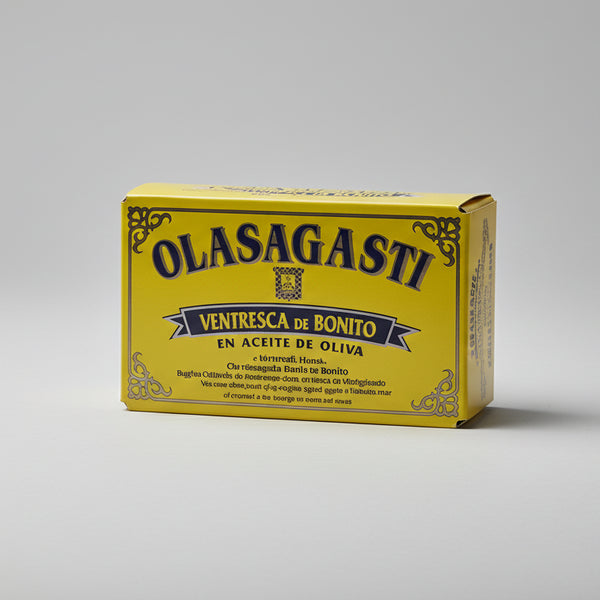
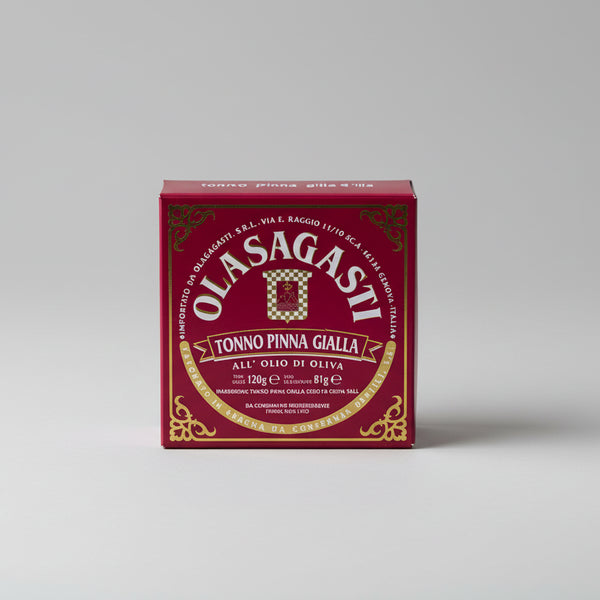
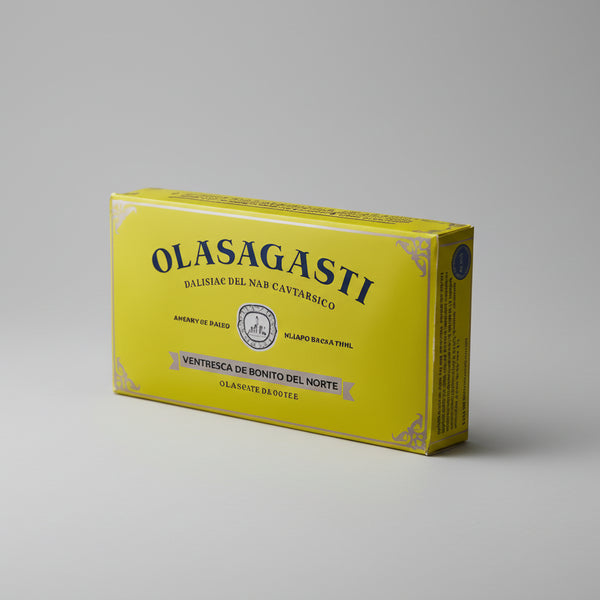
If you want safe tuna or albacore to consume during pregnancy, we recommend options from extractive fishing with full traceability. Olasagasti albacore tuna, Cantabrian light tuna, or albacore belly are low-mercury, high-quality alternatives. Always in sterilized cans (never refrigerated smoked or raw).
As a reminder: limit to 1 serving/week and always consult your obstetrician or midwife if you have specific concerns about your case.
Conclusion
Tuna during pregnancy is not prohibited, but you need to choose wisely. Light tuna or albacore tuna, maximum 1 serving per week, always cooked or in sterilized cans. Bluefin tuna, swordfish, shark, and pike are completely ruled out due to their high mercury content.
Breast milk and the placenta transmit methylmercury, so these recommendations also apply during breastfeeding. If you have specific questions about your situation (anemia, medical history, specific week of gestation), always consult your obstetrician, midwife, or gynecologist. These are general recommendations for healthy individuals and do not replace individual medical assessment.
⚠️ Medical advisory: This content is for informational purposes only and does not substitute professional medical advice. Recommendations during pregnancy should be individualized with your obstetrician, midwife, or gynecologist. Sources consulted: AESAN (Spanish Agency for Food Safety and Nutrition), EFSA (European Food Safety Authority), SEGO (Spanish Society of Gynecology and Obstetrics), and WHO.
Related articles
- Canned tuna during pregnancy: is it safe? Real limits
- Mercury in tuna: how much you can safely eat
- Mercury in fish: complete table by species
- Fish during pregnancy: which to eat, which not, and why
- Cod during pregnancy: can you eat it? Benefits and risks
- Anchovies during pregnancy: are they safe?
- View tuna and albacore canned goods collection
Frequently asked questions
Can I eat canned tuna during pregnancy?
Yes, light tuna or albacore in cans, maximum 1 serving (80 g drained) per week according to AESAN. It is thermally sterilized, with no risk of listeria or anisakis.
What if I ate bluefin tuna without knowing?
A one-off consumption should not cause serious problems. Methylmercury is an cumulative risk. The important thing is not to repeat it during pregnancy and breastfeeding. If you'd feel more at ease, mention it at your next check-up with your midwife.
Is natural light tuna better than tuna in oil during pregnancy?
Both are safe if properly sterilized. The difference is only nutritional (calories and fat-soluble vitamins), not food safety.
How many milligrams of mercury are in a can of light tuna?
Approximately 8-16 μg of mercury per 80g drained can (assuming 0.1-0.2 mg/kg). A weekly serving is well below the EFSA tolerable intake of 84 μg/week for 65 kg.
Can I eat tuna sushi during pregnancy?
No. Sushi contains raw tuna: risk of anisakiasis, listeria, and, if it's bluefin tuna, high mercury. It is doubly discouraged during pregnancy.
Is smoked tuna safe during pregnancy?
Refrigerated cold smoked tuna is NOT safe (risk of listeria). Hot smoked or sterilized canned tuna is. When in doubt, avoid it.
Does tuna belly (ventresca) have more mercury?
Slightly more due to its fat content (mercury accumulates in fat), but if it's BONITO or light tuna belly, it's within safe limits with 1 serving/week. Bluefin tuna belly should be avoided during pregnancy.
And can I eat tuna normally during breastfeeding?
No. The same recommendations for pregnancy apply during breastfeeding: mercury passes into breast milk. Light tuna/bonito 1 serving/week, avoid bluefin tuna, swordfish, shark, and pike.
Is it better to avoid tuna completely during pregnancy?
No. Omega-3 (DHA) from fish is important for fetal neurological development. The correct approach is to choose safe species (light tuna, bonito, sardines, anchovies, cooked salmon) and respect the quantities.
Can I give canned tuna to young children?
Children under 10 are in the "vulnerable" group according to AESAN: same recommendation as pregnancy (light tuna 1 serving/week, avoid bluefin tuna/swordfish/shark/pike). Varying with sardines and white fish is ideal.