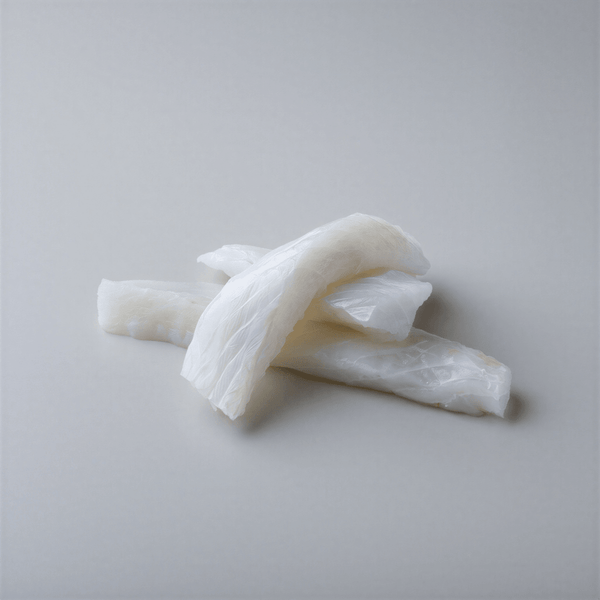
Smoked eel is one of the most unique products in European gastronomy: an intense, rich, and elegant flavor that is barely known in Spain. In this guide, we explain what it is, how it's produced, what it tastes like, how to serve it, and where to find quality smoked eel. With real data, not marketing hype.
Contents
- What is smoked eel
- The smoking process
- Flavor and texture: what it tastes like
- Types of smoked eel
- How to serve and enjoy
- Pairing: wines and accompaniments
- Nutritional value
- Prices and where to buy
- Frequently asked questions
- Conclusions
What is smoked eel
Updated March 2026. Every day at Mercat del Ninot we see what works and what doesn't. This is our real experience.
Smoked eel is European eel (Anguilla anguilla) that has been salt-cured and slowly smoked with noble woods, traditionally beech or oak. It is a luxury product in countries such as the Netherlands, Germany, Denmark, and Japan, where it has been consumed as a delicacy for centuries.
In Spain, smoked eel is practically unknown outside specialized gastronomic circles. This is surprising considering that the Ebro Delta and Albufera of Valencia were historically rich eel areas. The decline of the European eel population (classified as critically endangered by the IUCN) has made this product increasingly exclusive.
What distinguishes smoked eel from other smoked fish is its extraordinary fat content: between 25% and 30% fat, compared to 10-12% for smoked salmon. This fat is what gives it that unctuous, almost buttery texture that melts in the mouth.
The smoking process
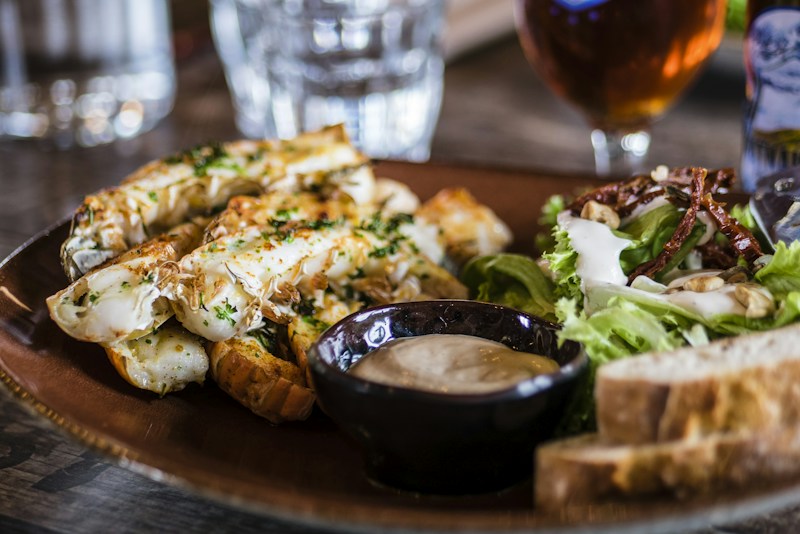
Traditional eel smoking follows a process that has not substantially changed for centuries:
- Evisceration and cleaning: The eel is cut open along the back (not the belly, like other fish) and the entrails are removed.
- Salting: It is salt-cured for 1-3 hours depending on the size. This extracts moisture and enhances flavor.
- Drying: It is hung on vertical rods inside the smokehouse for several hours to lose surface moisture.
- Hot smoking: It is hot-smoked at temperatures of 60-80 °C for 1-3 hours using beech, oak, or alder wood chips. Hot smoking cooks the meat while smoking it.
- Cooling: It is allowed to cool slowly before packaging.
The result is a dark golden piece on the outside, with white, juicy flesh inside. The skin is taut and shiny, almost lacquered.
Hot smoking vs. cold smoking
Unlike smoked salmon (which is typically cold-smoked, below 30 °C), eel is almost always hot-smoked. The reason is its high fat content: the heat of smoking partially melts the intramuscular fat, creating that mellow texture that defines the product. Cold smoking would leave the fat intact and the texture would be firmer and less characteristic.
Flavor and texture: what it tastes like
If you've never tried smoked eel, prepare yourself for something unlike any other smoked fish:
- Texture: Extremely smooth and unctuous. It melts in your mouth like butter. It doesn't have the firmness of salmon or the dryness of smoked trout.
- Flavor: Deep, smoky but not aggressive, with a sweet and slightly earthy undertone. The natural fat acts as a vehicle for the smoky flavor, prolonging the experience in the mouth.
- Aftertaste: Long and elegant. Notes of wood, a hint of saltiness, and a clean finish.
The closest comparison would be a smoked foie gras, both for its fatty texture and the intensity of its flavor. It's no coincidence that in the Netherlands it is served on the same occasions where we would serve Iberian ham: as a celebratory appetizer.
Types of smoked eel
| Type | Common origin | Characteristics | Approximate price |
|---|---|---|---|
| Whole smoked eel | Netherlands, Denmark | Whole piece, maximum freshness | 60-90 €/kg |
| Smoked eel fillets | Netherlands, Germany | Skinless and boneless, ready to serve | 70-110 €/kg |
| Japanese smoked eel (unagi) | Japan, China | Glazed with kabayaki sauce | 40-80 €/kg |
| Canned smoked eel | Germany, Poland | In oil or natural | 30-50 €/kg |
Quality varies enormously depending on origin and smoking method. Dutch eels from IJsselmeer are considered among the best in the world due to the freshwater ecosystem in which they are raised. Farmed eels (common in the Asian market) have a less complex flavor.
How to serve and enjoy
Smoked eel is a product that shines with minimal preparation. The less you transform it, the better.
Classic Dutch serving
In the Netherlands, the most common way is to serve it on dark rye bread with a pinch of grated horseradish and a few drops of lemon. Nothing else. It's the way that best respects the product.
As a tapa or pintxo
A piece of smoked eel on a sourdough toast with a touch of herb butter. Simple and devastatingly good.
In a salad
Pieces of smoked eel on bitter green leaves (arugula, endive) with an old-fashioned mustard vinaigrette. The bitterness of the leaves contrasts with the richness of the eel.
Warm: briefly grilled
A quick pass over the grill (30 seconds per side) warms the fat and makes it even more unctuous. There's no need to cook it further: it's already cooked by the hot smoking.
Pairing: wines and accompaniments
The high fat content of smoked eel needs accompaniments to balance it:
- White wine with acidity: Dry Riesling, Albariño, Muscadet. Acidity cuts through the fat.
- Beer: In the Netherlands and Germany, smoked eel is traditionally served with cold lager beer. It's a perfect pairing.
- Champagne or brut cava: The bubbles and acidity cleanse the palate between bites.
- Avoid: Red wines (fish fat reacts poorly with tannins) and sweet wines (excessive sweetness).
Recommended accompaniments
- Fresh grated horseradish (the classic)
- Pickles (to cut through the fat)
- Rye bread or pumpernickel
- Capers and thinly sliced red onion
- Thinly sliced green apple (sweet and sour contrast)
Nutritional value
| Nutrient | Per 100 g |
|---|---|
| Calories | 330 kcal |
| Protein | 18 g |
| Total fat | 28 g |
| Omega-3 (EPA+DHA) | 2.5 g |
| Vitamin A | 1,000 µg (125% NRV) |
| Vitamin D | 20 µg (400% NRV) |
| Sodium | 1.2 g |
It stands out for its exceptional content of Vitamin A and Vitamin D, much higher than other smoked fish. It is also one of the richest sources of omega-3 in the animal kingdom. However, its caloric content is high: it is a product to be enjoyed in small quantities, not to eat half a kilo.
Prices and where to buy
Smoked eel is not a cheap product, and there are objective reasons for this:
- Scarcity: European eel is critically endangered. The EU has drastically restricted fishing quotas.
- Long process: From catch to final smoking, several days of artisanal work are involved.
- Low yield: Eel loses 30-40% of its weight during smoking.
Prices in Spain range between 60 and 110 €/kg depending on the format (whole, filleted) and origin. In specialized smoked fish and delicatessen stores is where you will find the best value for money. Be wary of very low prices: it is probably Asian farmed eel with industrial smoking.