

In short: Vermouth + gildas pairing: why it technically works (bitterness balances acidity + salt), which vermouth to choose (classic Yzaguirre, modern Atxa, premium Lustau), and how to serve it. Basque-Catalan tradition.
Table of Contents
Origin of the pairing
The "vermouth + gilda" pairing has two parallel genealogies that eventually converged:
Catalan tradition: vermouth as a midday aperitif appeared in Catalonia in the late 19th century, imported from Italy. "La hora del vermut" (vermouth hour, between 12 PM and 2 PM) became a social ritual in working-class neighborhoods of Barcelona. The accompanying tapas were olives, anchovies, mussels.
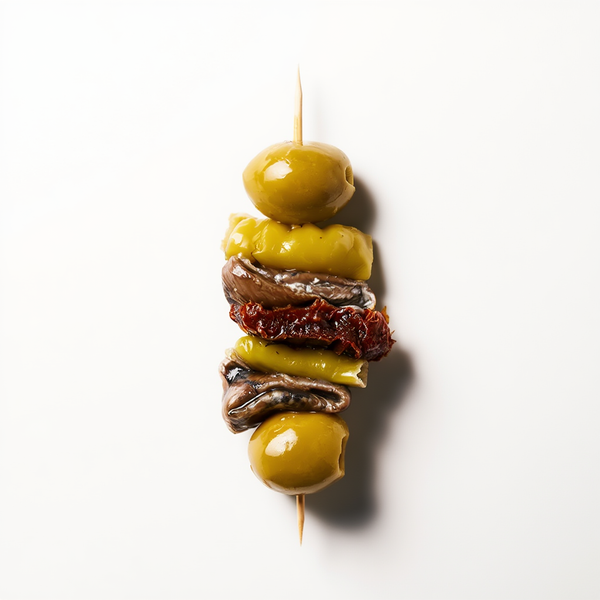
Basque tradition: the gilda (a pintxo of anchovy, olive, and guindilla pepper) was created in San Sebastián in the 1940s, at the Casa Vallés bar. Initially, it was accompanied by txakoli or white wine, but from the 1970s onwards, the pairing with vermouth spread due to Catalan influence.
Today, "vermouth + gilda" is a widespread ritual throughout Spain.
Why it technically works
The pairing works due to balanced contrasts:
- Vermouth bitterness ↔ guindilla acidity: the wormwood and gentian in vermouth balance the vinegar of the pickled pepper.
- Vermouth sweetness ↔ anchovy saltiness: slightly sweet vermouths compensate for the salty umami of the anchovy.
- Vermouth herbs ↔ olive oil: the aromatic herbs in vermouth cut through the oil's fat that preserves the anchovy.
The result: a fresh palate after each bite, ready for the next. The gilda alone can quickly become "fatiguing" due to its intensity; with vermouth, you can eat 4-5 without getting overwhelmed.
Which vermouth to choose
For beginners (classic): Yzaguirre Reserva red, Cinzano 1757 rosso. Balanced, no surprises.
For a refined aperitif: Lustau Vermut (Sherry vermouth), Atxa Basque white, Padró & Co. More complex.
For experimenting: Riofrío dry white vermouth, Sangueti Bianco Vermouth (Italian). Different from the classic style.
Good private label (budget): Yzaguirre classic red (€8-12). Mercadona's Hacendado vermouth is acceptable but flatter.
How to serve it properly
Serve in a tall glass (tubo) or a lowball glass with ice (Catalonia, Madrid) or a small glass without ice (Basque Country). A slice of orange on the rim. Olives on the side. Serve directly from the refrigerator (8-10°C).
NEVER fill the glass: 3/4 full, leaving space. Ice is optional but dilutes after 5 minutes: better without if you drink it quickly.
Premium gildas for your vermouth
Artisan Bacalalo gildas with Cantabrian anchovy, gordal olive, and Basque guindilla pepper. Ready to serve with your favorite vermouth.
Frequently Asked Questions
Why do vermouth and gildas pair well?
Red or white vermouth for gildas?
Which vermouth brands work best?
What temperature should vermouth be served at?
What garnish should be used with vermouth?
How many gildas per person for an aperitif?
To conclude
Vermouth hour with gildas is one of Spain's most deeply rooted gastronomic rituals. If you want to recreate it at home, all you need is decent chilled vermouth, quality gildas, and 30 leisurely minutes. A simple, satisfying, and reproducible pairing.
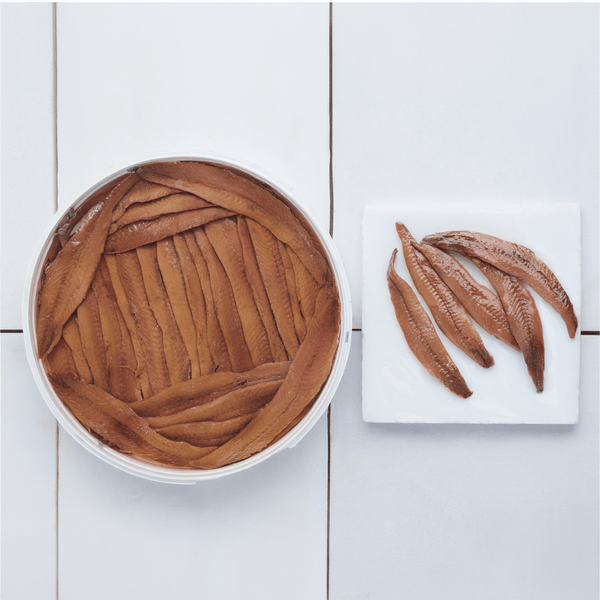
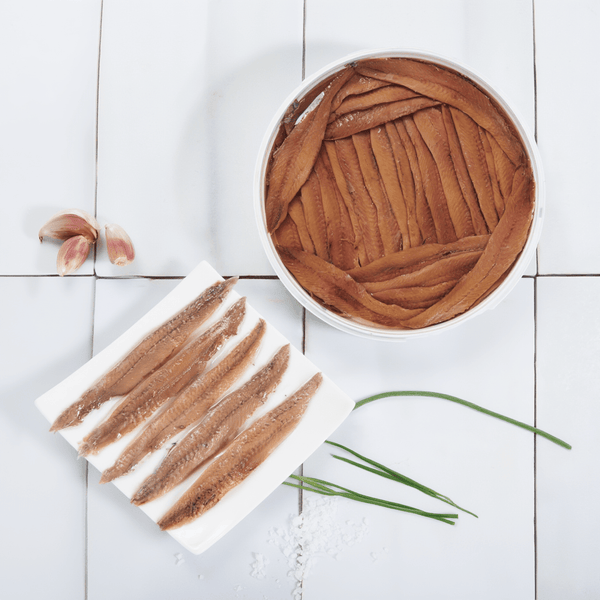
Premium anchovies for homemade gildas
Cantabrian anchovies size 00, cured for 12 months. If you prefer to assemble your own gildas at home.