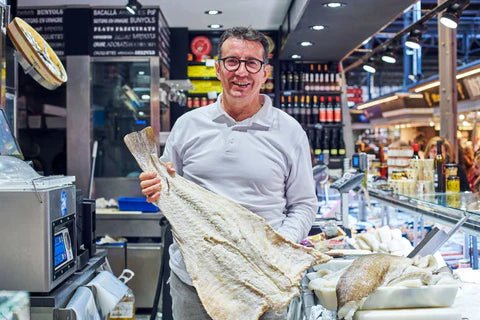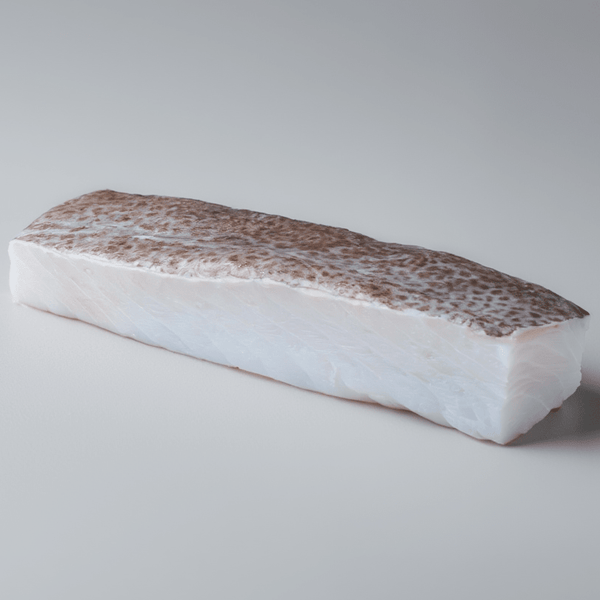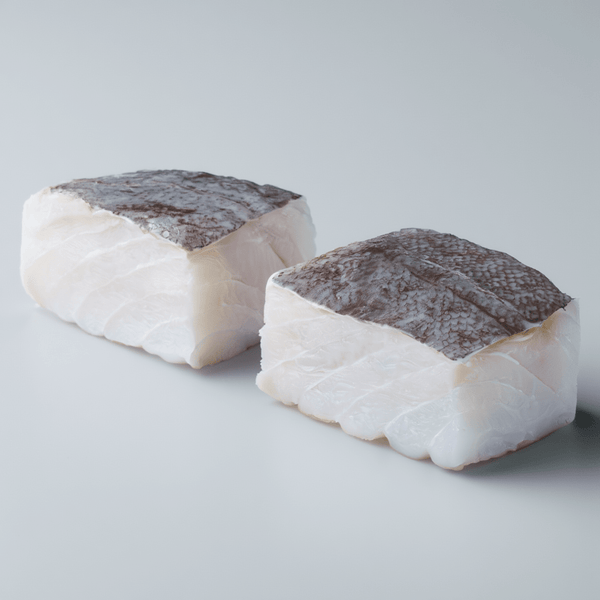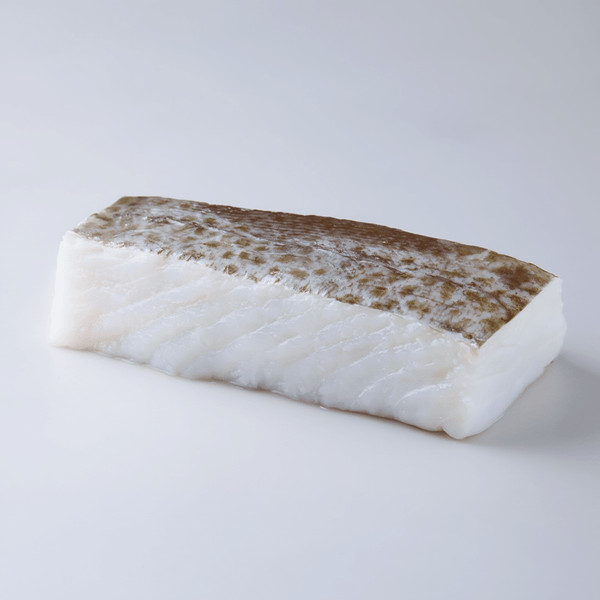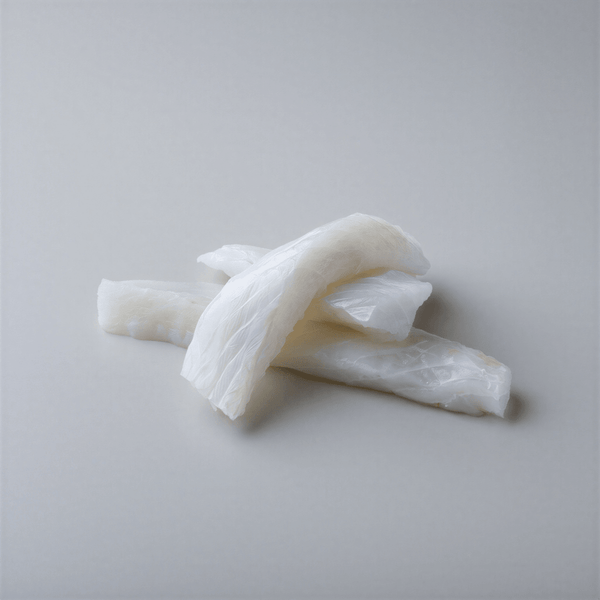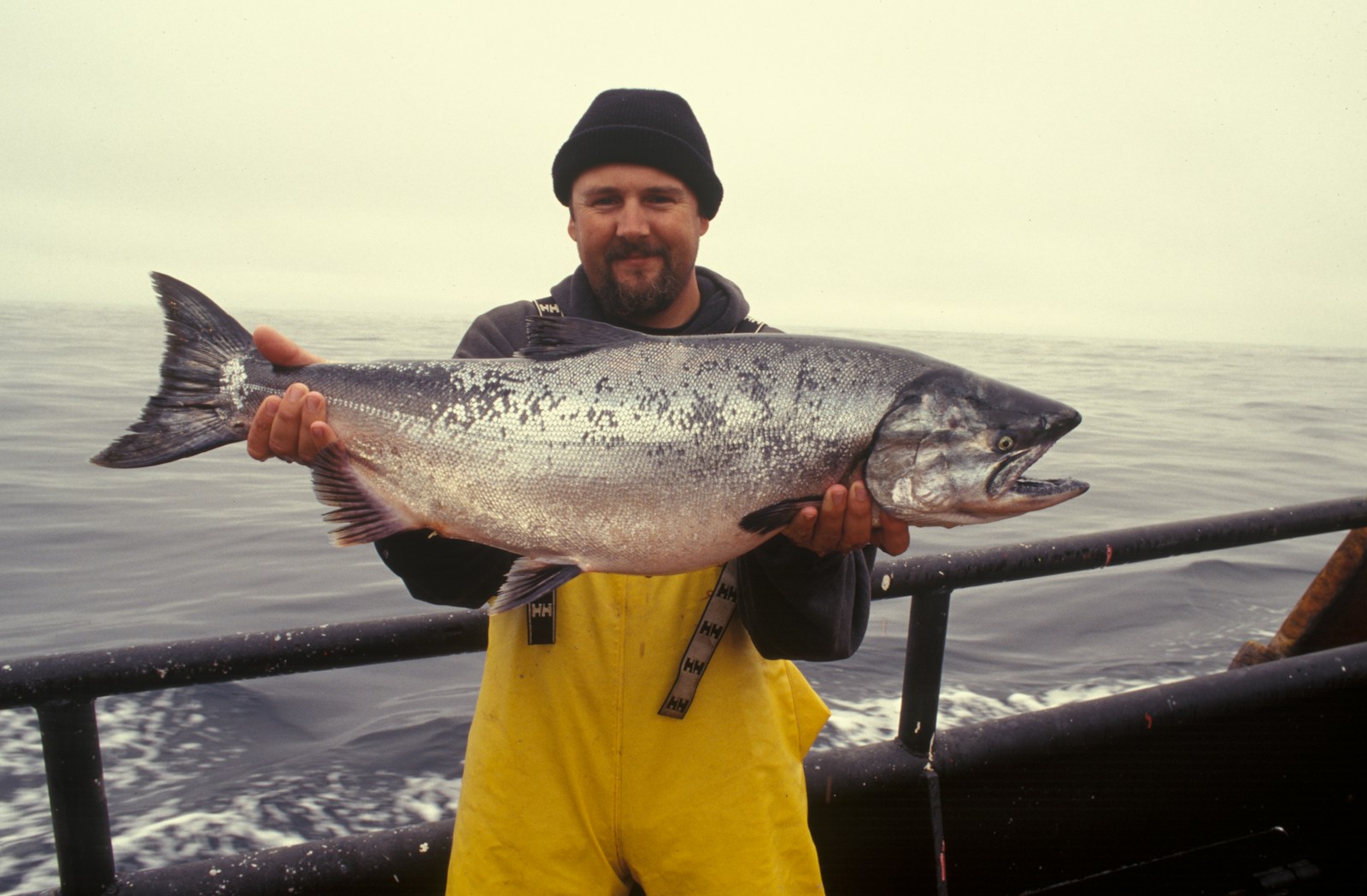
Skrei vs. traditional cod: same species (Gadus morhua), different life stage. Skrei is adult cod in reproductive migration (January–April) — firm flesh, low fat, price 18–28 €/kg to consumer. Traditional cod (common or sedentary) is fished year-round — fattier, cheaper (8–14 €/kg). For long-cooking dishes or gratins, traditional performs better; for confit, grilling, or raw preparations, Skrei justifies the premium.
Same species, different life stage
Skrei and traditional cod are both Gadus morhua. There is no significant genetic difference: they are the same species. What changes is the population stock and the time of capture.
Skrei belongs to the Norwegian-Arctic stock (Northeast Arctic Cod), lives in Arctic waters of the Barents Sea (-1 to 4 °C) and migrates every January–April to Lofoten to spawn. It is then, during this migration, that it is sold as Skrei.
"Traditional cod" can refer to several stocks: Norwegian coastal cod (sedentary, does not migrate), Icelandic cod (sedentary), North Sea cod, Faroese cod. All are Gadus morhua, all live and are fished in Atlantic waters, but they are not Arctic migratory like Skrei.
The 7 real differences
| Characteristic | Skrei | Traditional cod |
|---|---|---|
| Species | Gadus morhua | Gadus morhua |
| Stock | Norwegian-Arctic (Barents) | Norwegian coastal / Icelandic / Faroese |
| Catch season | January – April | Year-round |
| Minimum age | 5 years | Variable, no minimum |
| Muscle fat | 0.4–0.8 g/100 g | 0.7–1.5 g/100 g |
| Texture | Firm, athletic | Looser |
| Consumer price | 18–28 €/kg fresh | 8–14 €/kg fresh / 22–32 €/kg salted |
Detailed price comparison
2026 professional market, verifiable wholesale prices:
| Product | Price | Availability |
|---|---|---|
| Whole fresh Skrei (Lofoten fish market) | 6.5–8.5 €/kg | Peak February–March |
| Fresh Skrei loin in Spain (wholesaler) | 14–18 €/kg | Only Jan–Apr |
| Skrei consumer premium fishmonger | 18–28 €/kg | Only Jan–Apr |
| Whole salted-dried Norwegian coastal cod | 5–7 €/kg | Year-round |
| Whole salted-dried Icelandic cod | 5.5–7 €/kg | Year-round |
| Clean desalted cod (consumer) | 35–55 €/kg | Year-round |
Consumers pay ~3x more for Skrei than for whole salted-dried traditional cod. If you buy clean desalted cod (including professional desalting and cleaning work), the difference is reduced.

When is Skrei worth it?
Cases where paying the premium makes sense:
- Short and precise cooking techniques: low-temperature confit, grilling, steaming. Skrei's firm and lean texture is appreciated.
- Raw or semi-raw preparations: tartare, sashimi, ceviche. The white, firm flesh yields visually superior results. (Requires pre-freezing at -20 °C/24h according to EU Regulation 853/2004 against anisakiasis.)
- Haute cuisine: plating where presentation is part of the value.
- Traditional Norwegian recipe: Skrei med lever og rogn, where the fresh piece with liver and roe is essential.
When is traditional cod best?
Traditional cod (especially desalted or salted-dried) excels in:
- Long cooking times: stews, soups, llauna, suquet. The organoleptic differences are diluted, and cured cod adds a concentrated flavor that fresh cod does not have.
- Dishes where the cured flavor is essential: pil-pil, vizcaína, esqueixada, bunyols, brandada. Salt curing is irreplaceable.
- Year-round availability: outside of January–April, Skrei legally does not exist; traditional cod covers all 12 months.
- Controlled budget: 60–70% cheaper for equivalent pieces.
- Preservation: salted-dried cod lasts 12 months; fresh, 2–3 days.
By recipe: what to choose
| Recipe | Recommendation | Why |
|---|---|---|
| Pil-pil | Traditional cod (salted-dried or desalted) | Needs the curing and skin gelatin |
| Llauna (Catalonia) | Traditional desalted cod | 25 min cooking, cured flavor key |
| Esqueixada | Dried shredded traditional cod | Raw dish, requires curing |
| Cod fritters (Bunyols) | Shredded traditional cod | Dough paste, expected cured flavor |
| Low-temperature confit | Skrei (in season) or premium desalted | Short technique highlights differences |
| Grilling | Skrei (in season) or desalted loin | Short technique, texture matters |
| Sushi/Tartare | Fresh Skrei (previously frozen) | For texture and visual whiteness |
| Fish suquet | Traditional cod | 15 min cooking, integration with stew |
| A la vizcaína | Desalted Norwegian cod | Historical Basque tradition |
| Brandada | Desalted Icelandic cod | For creamy texture when emulsifying |
📌 Honest note: Be honest with yourself: in a pil-pil or llauna recipe, almost no one can blindly distinguish Skrei from good premium desalted cod. Intense cooking and seasoning absorb the subtleties that justify Skrei's premium.
Your year-round option
For the 36 weeks a year when Skrei legally does not exist, premium options from the Bacalalo catalog:


Related articles
- Norway Cod vs. Iceland Cod — an honest comparison
- Types of Cod: Gadus morhua, Skrei, Iceland, and Faroe
- View the entire Bacalalo cod collection
- Desalted cod ready to cook
- Traditional salted dried cod
Frequently asked questions
Why are Skrei and common cod the same species but different?
Both are Gadus morhua. The difference is not genetic but vital: Skrei is the Norwegian-Arctic stock (Northeast Arctic Cod), which lives in Arctic waters (-1 to 3 °C) and migrates annually to Lofoten. "Traditional cod" usually refers to the Norwegian coastal stock, Icelandic stock, or North Sea stock, which live more sedentarily and are caught year-round.
Is it worth paying 3x more for Skrei?
It depends on the use. For short cooking times (grilling, confit, steaming, sushi/tartare) Skrei's texture justifies the price: firmer flesh, less exudate, whiter color. For long stews, cod a la llauna, esqueixada, or pil-pil, the organoleptic difference is diluted, and traditional cod (especially desalted Icelandic cod) offers better value for money.
How much fat does Skrei have compared to traditional cod?
Skrei in season: 0.4–0.8g fat per 100g muscle (extraordinarily lean). Traditional Icelandic cod: 0.7–1.2g. Norwegian coastal cod: 0.8–1.5g. Skrei is leaner precisely because it consumes its reserves during the migration to Lofoten.
Does Skrei have more omega-3 than regular cod?
Not significantly in the muscle (300–500 mg/100 g in both). Skrei fat is concentrated in the liver (very high omega-3), which is sold separately. For high omega-3 in muscle, look for oily fish (salmon, sardines, anchovies) — cod in general is low-fat white fish.
When is it best to buy Skrei and when is it best to buy rehydrated cod?
Skrei makes sense between January and April if you plan to cook it within 48 hours (it's fresh) and use a quick cooking method. Rehydrated cod makes sense all year round, especially if you want to plan ahead (it keeps well refrigerated), if you're going to cook it in a stew, or if you value the cured flavor that prior salting provides.
Which is more sustainable: Skrei or traditional cod?
Both fisheries have MSC certification, but the Northeast Arctic stock (Skrei) is one of the most stable in the North Atlantic: spawning biomass ~2.3 million tons, sustainable catch. North Sea cod has been recovering after historical overfishing. Iceland has maintained strict individual transferable quotas since 1990.
Is the difference noticeable in a bacalao al pil-pil dish?
Honestly, very little. Pil-pil is an emulsion that depends on the gelatin released by the skin and controlled-temperature cooking. A good Icelandic or Norwegian dry-salted cod, properly rehydrated, will yield a pil-pil that is just as good, or even better, than Skrei (which is not sold salted). For classic pil-pil, we recommend rehydrated jowls or collars.
Can I freeze fresh Skrei?
Yes, but it loses some of the premium texture that justifies its price. If you are going to freeze it, it is better to buy quality rehydrated cod or IQF frozen cod from origin, which are designed for that chain. If you freeze Skrei, do it in individual portions with a vacuum bag and consume within 2 months.