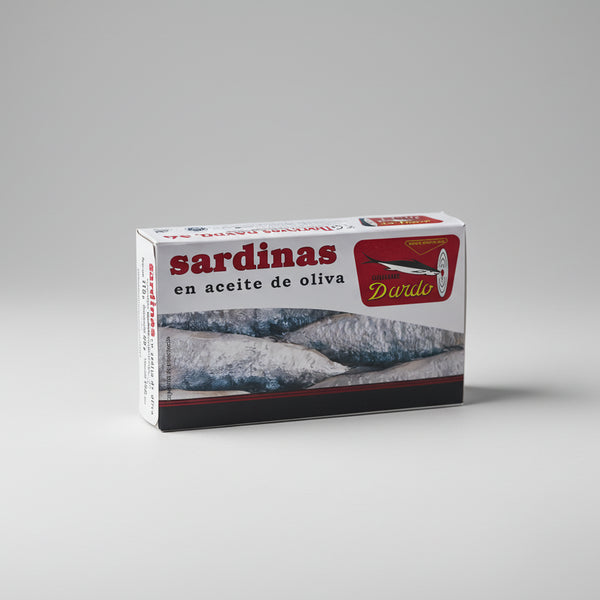
Summary: Smoked sardines are one of the most underrated canned foods in the gourmet market. They offer a complex flavor profile — smoke, sea, omega-3 fat — at a significantly lower price than premium anchovies. In this guide, we explain how they are made, what to look for, how to serve them, and why they should be in your pantry.
Table of Contents
- What exactly are smoked sardines?
- How they are made: from sea to can
- Smoked sardines vs. sardines in oil: key differences
- How to recognize quality smoked sardines
- Flavor profile: what to expect
- How to serve smoked sardines
- 5 preparations with smoked sardines
- Pairing: wines, beers, and accompaniments
- Nutritional value: omega-3 and more
- Frequently Asked Questions
What exactly are smoked sardines?
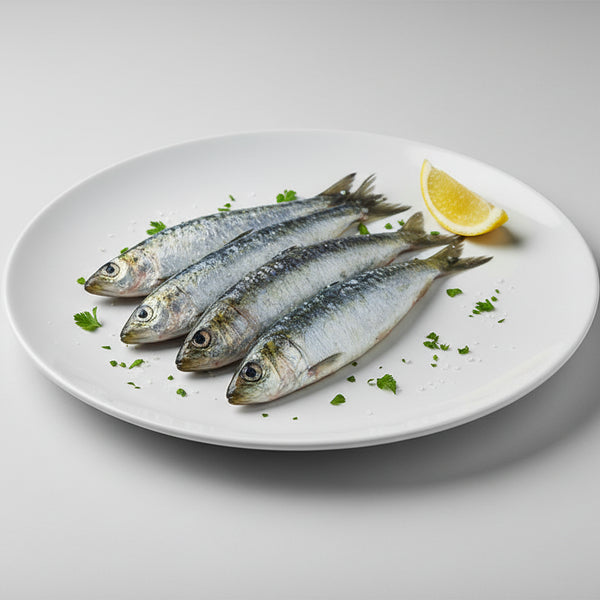
Smoked sardines are sardines (Sardina pilchardus) subjected to a smoking process — generally cold, at temperatures below 30°C — which completely transforms their flavor profile and texture compared to fresh sardines or conventional sardines in oil.
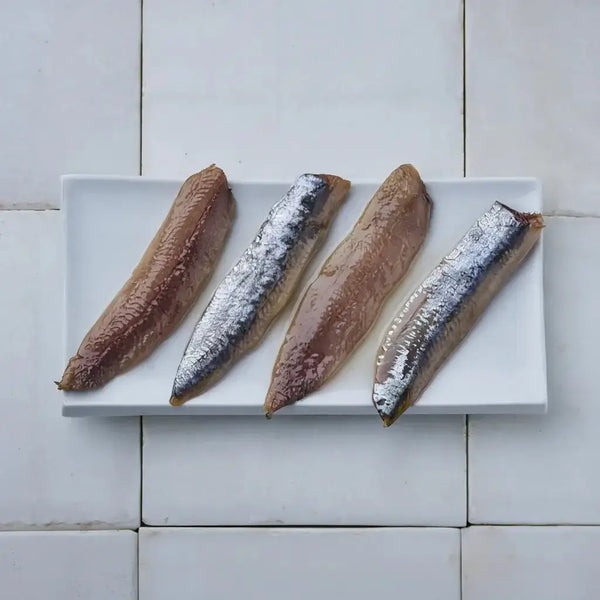
While sardines in olive oil maintain a direct, somewhat fatty marine flavor with the nuance of the oil, smoked sardines acquire a complexity that brings them closer to much higher-end products: notes of wood smoke, a pronounced umami base, a firmer texture, and a dark golden color that reveals the transformation.
In Spain, smoked sardines are still a niche product. Most consumers are familiar with classic canned sardines — in oil, in tomato, in escabeche — but are unaware that there is a smoked version that rivals the complexity of products like smoked cod or smoked salmon, at a fraction of their price.
At Mercat del Ninot, we have been championing this product for years to customers who initially view it with skepticism. One tasting is enough to change their minds. Smoked sardines have gastronomic potential that the Spanish market has only just begun to explore.

How they are made: from sea to can
The process of making quality smoked sardines has five distinct phases, each with a direct impact on the final result.
Fish selection
Not all sardines are suitable for smoking. Medium-to-large specimens (minimum 15 cm) are selected, with a high fat content — sardines are oily fish with between 8% and 12% fat, depending on the season. Sardines caught between June and October, when the fat content is highest, produce the best smoked products. A lean winter sardine will yield a dry, unnuanced smoked product.
Pre-salting
Before smoking, the sardines undergo a brief curing with salt — between 30 minutes and 2 hours, depending on the size and the manufacturer's tradition. This salting extracts surface moisture, slightly concentrates the flavors, and prepares the muscle to absorb the smoke. Unlike anchovies, where salting lasts for months, in smoked sardines, salt is a preliminary step, not the main process.
Cold smoking
The sardines are arranged on trays inside a smokehouse where smoke generated by the slow combustion of selected woods — beech, oak, apple, or cherry are the most common — circulates. The temperature never exceeds 28-30°C, so the fish is not cooked: it absorbs the phenolic compounds from the smoke that give it color, aroma, and additional preservation.
Smoking time varies between 4 and 12 hours depending on the desired intensity. A light smoking (4-6 hours) leaves the sardine with subtle smoky notes; intense smoking (8-12 hours) produces a deeper flavor and a darker color. The best producers adjust the time according to the size and season of the fish, not by a fixed formula.
Packaging
Smoked sardines are generally packed in extra virgin olive oil, which acts as a preservative and flavor enhancer. Some producers use sunflower oil — a clear indicator of low quality — or refined olive oil. The can is the most common format, although glass jars allow the product to be seen before opening.
Canning maturation
As with the best preserves, smoked sardines improve with time. In the first 3-6 months after canning, the oil and smoke compounds integrate with the fish fat, developing a rounder, more balanced flavor. A can aged 12-18 months is generally superior to a freshly canned one.
Gourmet Canned Goods — Artisanal Selection
Anchovies, sardines, albacore tuna, belly. Expertly selected since 1990.
View Canned Goods →Smoked sardines vs. sardines in oil: key differences
They are the same fish with radically different processes and results.
Flavor: sardines in oil have a marine, fatty, and direct flavor. Smoked sardines add layers of complexity: smoke, toastiness, deep umami. It's like comparing naturally cured Serrano ham with cooked ham: both legitimate, but with an enormous difference in complexity.
Texture: sardines in oil are soft and crumble easily. Smoked sardines have more firmness, more body, a texture that holds better on toast or on a plate without turning into mush.
Color: sardines in oil maintain a silvery-grayish color. Smoked sardines are golden, with coppery tones on the skin and a more visually appetizing appearance.
Versatility: sardines in oil work well in sandwiches, salads, and recipes where they are mixed with other ingredients. Smoked sardines are a star product: they work on their own, on bread, as the centerpiece of an appetizer. Hiding them in a salad is wasting their potential.
Price: quality smoked sardines cost between 20% and 40% more than sardines in oil from the same producer. The difference is justified by the additional smoking process and the selection of larger specimens.
How to recognize quality smoked sardines
The same principles that apply to any gourmet canned food apply here, with some specific considerations.
Extra virgin olive oil: essential. If the oil is sunflower or refined olive oil, the sardine is not gourmet, no matter what the label says.
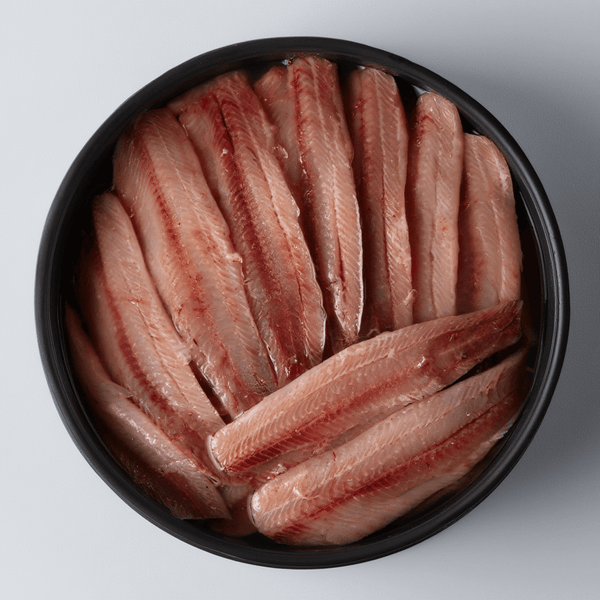
Whole and well-placed sardines: when opening the can, the sardines should be whole, without breaks, well-aligned. Broken or crushed sardines indicate a careless canning process or excessive mechanical handling.
Uniform golden color: a well-made smoking produces a homogeneous golden color. Dark or irregular spots may indicate uneven smoking or mixed-size sardines.
Clean smoke aroma: when opened, the aroma should be of clean wood smoke, without notes of artificial liquid smoke (more acrid, more penetrating) or rancid smell. Natural smoke has a sweet nuance; artificial smoke is flat and aggressive.
Number of pieces: fewer sardines per can means larger size and higher individual quality. A high-end can has 3-4 large sardines; a low-end one may have 6-8 small ones.
Flavor profile: what to expect
The first impression of a good smoked sardine is the smoke: present but not aggressive, with a sweet hint from the wood. Immediately, the omega-3 fat of the sardine appears, providing a characteristic unctuousness in the mouth. Then comes the salt — moderate if the producer has been careful — and a long umami finish that lingers after swallowing.
The skin of the smoked sardine has a slight crunch and a more concentrated flavor than the flesh. Don't discard it: it's part of the product and one of the best gustatory parts.
Compared to other smoked products: smoked salmon is fattier and milder; smoked cod is drier and more concentrated; smoked sardine is somewhere in between, with more personality than salmon and more juiciness than cod. For many who discover it, it is the smoked product with the best intensity-balance ratio on the market.

How to serve smoked sardines
The fundamental rule is the same as for any quality preserve: room temperature. Take the can out of the fridge 15-20 minutes before serving. The fat in the sardine partially solidifies when cold, which stiffens the texture and dulls the smoke aromas.
Plain on bread: the purest format and the one that best showcases the product's quality. Rye bread, seed bread, or sourdough, lightly toasted. The sardine on top, a drizzle of its own oil. Nothing else.
On a canned goods platter: smoked sardines are the perfect centerpiece for a canned goods appetizer platter, alongside anchovies, marinated mussels, and good olives. The contrast of flavors between the different products is what makes a platter interesting.
With lemon and chives: a few drops of lemon and finely chopped fresh chives cut through the fat and refresh the smoky flavor. It's the "casual elegant" version that works for any appetizer.
5 preparations with smoked sardines
1. Smoked sardine toast with cream cheese and dill
Toasted rye bread, a generous layer of cream cheese, smoked sardine on top, fresh dill, and a squeeze of lemon. The cream cheese softens the smokiness and creates a creamy texture that contrasts with the firmness of the sardine. Time: 3 minutes.
2. Smoked sardine salad with beetroot and arugula
Arugula, diced cooked beetroot, crumbled smoked sardine, capers, and a mustard vinaigrette. The beetroot has an earthy sweetness that perfectly balances the smoke. The arugula provides a fresh bitterness. A complete and visually striking dish.
3. Pasta with smoked sardines, garlic, and chili
Al dente spaghetti, sliced garlic browned in olive oil, chili, crumbled smoked sardines added off the heat. The residual heat integrates them without overcooking. Fresh parsley and lemon zest at the end. A 15-minute dinner with restaurant-level quality.
4. Smoked sardine pâté
Blend smoked sardines with cream cheese, lemon juice, chives, and black pepper. The texture should be rustic, not completely smooth. Serve in a bowl with toast around it. Keeps for 2-3 days in the fridge. Perfect for snacking or a group appetizer.
5. Scrambled eggs with smoked sardines
Creamy scrambled eggs (low heat, stir constantly) with diced smoked sardine added at the end, off the heat. The smoke from the sardine perfumes the entire scramble. Serve on toast with chives. Perfect breakfast or dinner.

Pairing: wines, beers, and accompaniments
The smoky and fatty profile of the sardine calls for specific accompaniments. For a more complete guide to pairing canned goods, consult our article on pairing canned goods with wine.
Full-bodied white wine: a Galician Albariño or a Godello from Bierzo have the acidity and body to stand up to the smoke without being overwhelmed. The acidity of the white wine cleanses the fat in the mouth.
Cava Brut Nature: the bubbles and acidity of cava cut through the fat and refresh the palate between bites. It is one of the best possible pairings for any smoked product.
Wheat beer: a weizen or witbier has a mild bitterness and effervescence that work very well with smokiness. Avoid IPAs: their intense bitterness clashes with the smoke.
Accompaniments that work: rye bread, cream cheese, avocado, beetroot, capers, pickled red onion, arugula, dill, lemon.
What doesn't work: raw tomato, strong undiluted vinegars, very sweet sauces, excessive spices that mask the smokiness.
Nutritional value: omega-3 and more
Smoked sardines are one of the most nutritionally dense foods available, concentrating a remarkable amount of essential nutrients in few calories.
Omega-3 (EPA + DHA): sardines are one of the richest sources of long-chain omega-3 fatty acids, with 1.5-2.5g per 100g of product. Smoking does not destroy these fatty acids if done cold (below 30°C).
Protein: approximately 20-24g per 100g. Complete protein of high biological value.
Calcium: canned sardines are eaten with bones, which are soft and edible. This makes them an exceptional source of calcium: up to 380mg per 100g, more than a glass of milk.
Vitamin D: a serving of sardines can cover 50-80% of the daily requirement for vitamin D, a nutrient that most of the population is deficient in.
Calories: between 200 and 250 kcal per 100g drained, including the oil. It is a caloric food but extremely nutritious per calorie.
Sustainability: sardines are one of the most sustainable fish on the market. Their reproductive cycle is fast, their populations recover well from fishing, and their capture has a low environmental impact compared to other species. Choosing sardines is a nutritionally smart and environmentally responsible decision.
Discover our selection of smoked sardines at Bacalalo. Selected at Mercat del Ninot since 1990. With discernment, not slogans.
Gourmet Canned Goods — Artisanal Selection
Anchovies, sardines, albacore tuna, belly. Expertly selected since 1990.
View Canned Goods →🛒 Related Products from Bacalalo
Cantabrian Anchovies "00" Gourmet Selection
Premium 00 size, artisanal preparation
€38.90
View product →⭐ 4.9/5 · Cold shipping 24-48h · Since 1990 at Mercat del Ninot
Frequently asked questions
What is the difference between smoked sardines and regular canned sardines?
The main difference is the cold smoking process that transforms the flavor (adds smoky, toasted, umami notes), texture (firmer and less soft), and color (golden vs. silver). Smoked sardines are a more gastronomically complex product, intended for primary consumption, not as a secondary ingredient.
Can smoked sardines be eaten directly from the can?
Yes. Smoked sardines are a ready-to-eat product, no cooking required. In fact, overcooking them destroys the smoky aromas and dries out the texture. Simply take them out of the fridge 15-20 minutes beforehand to serve at room temperature.
Are smoked sardines healthy?
They are one of the most nutritious foods available: rich in omega-3, high-biological-value protein, calcium, vitamin D, and vitamin B12. Cold smoking preserves the fish's nutrients. The only caveat is the sodium from the prior salting, which makes them unsuitable in large quantities for people with hypertension.
How long do smoked sardines last once opened?
Between 2 and 4 days in the fridge, transferred to a glass container and covered with their own oil. Never leave the can open in the fridge: the metal can transmit flavors. Unopened, respect the manufacturer's best-before date.
What wine pairs well with smoked sardines?
A Galician white (Albariño, Godello) or a brut nature cava are the best options. The acidity and freshness of the white wine cut through the fish's fat and refresh the smoky flavor in the mouth. Avoid red wines with tannins and very sweet whites.
Where can I buy gourmet smoked sardines?
In specialty seafood stores or delicatessens. At Bacalalo, we offer directly selected smoked sardines with extra virgin olive oil. At Mercat del Ninot since 1990 or with shipping throughout the Peninsula.
Related articles:
Discover our premium selection
Carefully selected seafood products since 1990 at Mercat del Ninot, Barcelona. Refrigerated shipping in 24-48h.