

Summary
In Extremadura, the Lenten stew has its own version. It doesn't contain spinach. It doesn't have a hard-boiled egg on top. It has noodles. And that changes everything. In this guide: The Lenten stew eaten in Extremadura, Ingredients for 6 people, Step-by-step preparation.
The Lenten stew eaten in Extremadura
In Extremadura, Lenten vigils have their own version of "potaje". It doesn't contain spinach. It doesn't have a hard-boiled egg on top. It has noodles. And that changes everything.
The Extremaduran Lenten vigil stew is a hearty, spoonable dish, designed to feed large families with inexpensive ingredients. Chickpeas, desalted cod, and thick noodles cooked in a broth with "pimentón de la Vera" (the authentic, smoked paprika, from the region itself) and a sofrito with plenty of garlic.
It's the kind of dish you find in the towns of Cáceres and Badajoz throughout Lent. In the taverns of Trujillo, in the inns of Extremaduran Siberia, in the country houses of La Serena. Each family makes it slightly differently, but "pimentón de la Vera" is always present.
Ingredients for 6 people
- 400 g dried chickpeas (or 2 400g cans)
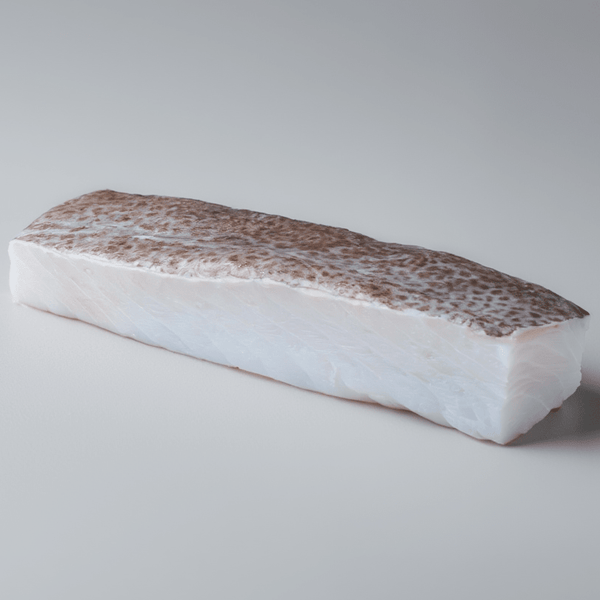
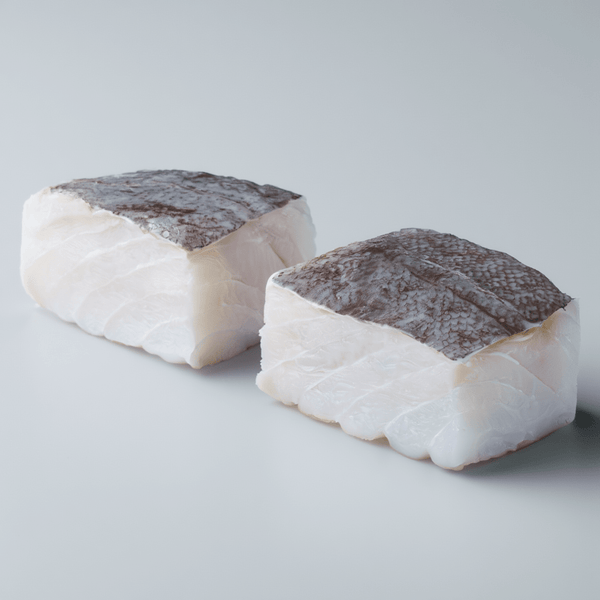
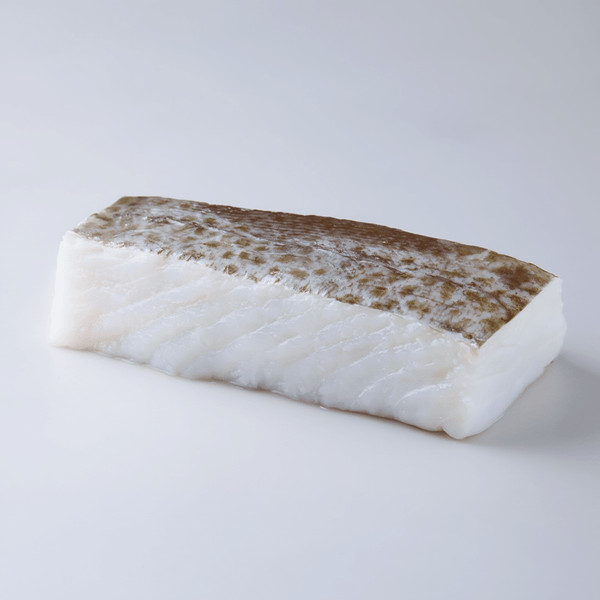
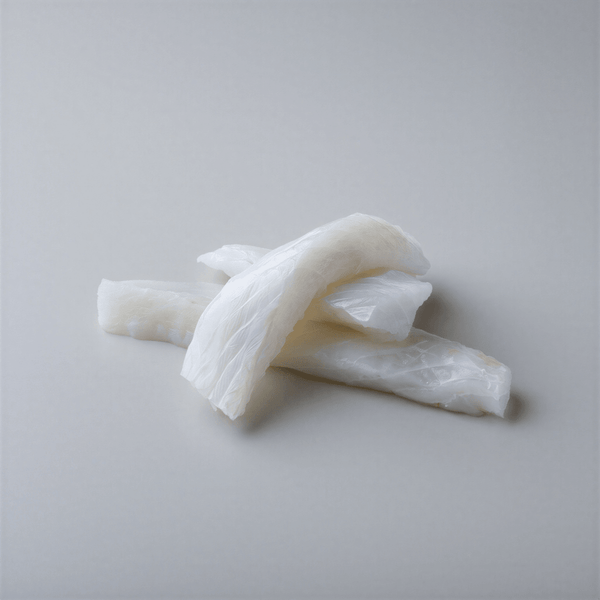
- 350 g desalted cod in thick pieces
- 200 g thick noodles (No. 4 or thick vermicelli)
- 1 large onion
- 4 cloves of garlic
- 1 ripe tomato
- 2 teaspoons "pimentón de la Vera" (sweet or a mix of sweet and hot)
- 1 bay leaf
- Extra virgin olive oil — 5 tablespoons
- Salt
- Water or fish broth — approximately 2 liters
Optional: 1 dried "pimiento choricero" (or 1 tablespoon "pimiento choricero" paste).
Step-by-step preparation
1. Soaking the chickpeas (the night before)
Soak the chickpeas in warm salted water for 10-12 hours. If using canned, drain and set aside.
2. Cooking the chickpeas (50 minutes)
Place the chickpeas in a pot with cold water, the bay leaf, and a dash of oil. Bring to a boil and then reduce the heat. Cook for 50-60 minutes until tender. In a pressure cooker, 18-20 minutes from when the valve rises.
Reserve the chickpeas in their broth. You will need this broth to cook the noodles.
3. The Extremaduran sofrito (10 minutes)
Finely chop the onion and slice the garlic. Heat the oil in a large skillet. Sauté the onion for 6-7 minutes over medium heat until golden. Add the garlic and cook for 1 minute.
Grate the tomato over the skillet and cook for 3-4 minutes. Remove from heat, add the "pimentón de la Vera," and stir quickly. The paprika only needs residual heat; if you burn it, it will taste bitter.
If using "pimiento choricero," hydrate it for 20 minutes in hot water, scrape the pulp with a knife, and add it to the sofrito with the tomato.
4. Assembling the stew (20 minutes)
Pour the sofrito into the pot with the chickpeas. Add water or fish broth until there is enough liquid (noodles absorb a lot; estimate twice the liquid that seems necessary).
Bring to a boil and add the noodles. Cook according to the package instructions (usually 8-10 minutes). Halfway through cooking, add the cod pieces.
The noodles and cod should finish cooking at the same time: the noodles al dente and the cod tender but intact.
5. Rest and serve
Remove from heat and let rest, covered, for 5 minutes. The stew will thicken as it rests. If it becomes too dry, add a little hot broth.
Serve in deep plates with a drizzle of extra virgin olive oil on top.

What makes Extremaduran potaje different?
Three things distinguish it from other Lenten stews:
- The noodles. They replace bread, rice, or hard-boiled eggs found in other versions. They are the hallmark of Extremaduran "potaje." They absorb the paprika broth and become full of flavor.
- "Pimentón de la Vera." This is not the same as generic sweet paprika from the supermarket. "Pimentón de la Vera" is smoked with oak and holm oak wood for 10-15 days. It has a deep, earthy flavor with a smoky aroma that permeates the entire dish.
- No leafy greens. Unlike the Andalusian cod and spinach stew, the Extremaduran version omits leafy greens. It's a drier, denser stew, more typical of inland regions.
Tips for Extremaduran Potaje
- Add the noodles at the end. If you cook them from the beginning, they will become overcooked and the broth will turn pasty. Noodles go in at the end, timed precisely.
- Calculate the broth carefully. Thick noodles absorb a lot of liquid. Use twice as much broth as you think you'll need. You can always reduce it, but you can't revive a dry stew.
- Use authentic "Pimentón de la Vera." Look for the Protected Designation of Origin on the package. There are three types: sweet, bittersweet, and hot. For this stew, mix sweet with a touch of hot.
- Do not stir the cod. Place it on top and let it cook with the steam. If you stir too much, it will flake apart and disappear among the chickpeas.
- Serve immediately. Unlike other stews, this one doesn't improve as much the next day because the noodles swell and absorb all the broth. If you have leftovers, reheat them with a splash of extra broth or water.

Premium Seafood Products — Bacalalo
Since 1990, selecting the best from the sea at Mercat del Ninot, Barcelona. Refrigerated shipping 24-48h.
See desalted cod →🛒 Products mentioned in this article
⭐ 4.9/5 · Cold shipping 24-48h · Since 1990 at Mercat del Ninot
Frequently asked questions about Extremaduran stew
What type of noodles should I use?
Thick noodles, No. 3 or No. 4. You can also use thick vermicelli or even cut macaroni. The important thing is that they have enough body not to fall apart in the broth.
Can I use regular sweet paprika if I don't have Pimentón de la Vera?
You can, but the result will be different. The smoky flavor is what defines Extremaduran stew. If you don't have Pimentón de la Vera, add a pinch of smoked paprika, which is sold in any supermarket. It's not the same, but it's close.
Can it be made without chickpeas?
Yes. In some towns, it's made only with noodles, cod, and the sofrito. It's lighter but equally tasty. Add more cod (500 g) to compensate.
What is the difference with Manchego stew?
The Manchego Lenten vigil stew is based on mashed potatoes with cod and walnuts (similar to "atascaburras"). It doesn't contain chickpeas or noodles. They are completely different dishes, even though they share the name.
Can I add spinach or chard?
You can, but then it wouldn't be a strictly Extremaduran stew. It would be a hybrid with the Andalusian version. If you want to add vegetables, opt for turnip greens or borage, which are used in some rural versions in Extremadura.
Discover more