Summary: The salmon poke bowl has become one of the most popular dishes in Spain. And with good reason: it's healthy, colorful, filling, and can be prepared in under 30 minutes. But most recipes you find online call for ingredients you have no idea where to buy.
Content
- What a poke bowl is (and what it isn't)
- Classic salmon poke bowl recipe
- Variation: Smoked salmon poke bowl (no raw fish)
- Three poke bowl sauces that make all the difference
- The best toppings for salmon poke bowls
- Common mistakes when making poke bowls at home
- Nutritional values of a salmon poke bowl
- Frequently asked questions about salmon poke bowls
- Frequently asked questions
- Conclusion
Salmon Poke Bowl: Easy Recipe with Market Ingredients
The salmon poke bowl has become one of the most popular dishes in Spain. And with good reason: it's healthy, colorful, filling, and can be prepared in under 30 minutes. But most recipes you find online call for ingredients you have no idea where to buy.
In this guide, we'll show you how to make an authentic salmon poke bowl using ingredients you can find at any well-stocked market or supermarket. No shortcuts, but no unnecessary complications either.
What a poke bowl is (and what it isn't)
Poke (pronounced "po-keh") is a Hawaiian dish that literally means "to slice or cut into pieces." In its original version, it's simply raw fish cut into cubes, seasoned with soy sauce and sesame oil, served over rice.
What we now call a "poke bowl" in restaurants is an evolution that includes rice, protein (usually salmon or tuna), vegetables, avocado, and various sauces. It's not sushi, it's not ceviche, and it's not a salad with fish. It's its own thing.
To make a good poke bowl, you need three balanced elements:
- Base: well-seasoned sushi rice (40% of the dish)
- Protein: quality raw or smoked fish (30%)
- Toppings and sauce: what gives it variety and texture (30%)
Classic salmon poke bowl recipe
This is the basic recipe. Once you master it, you can vary the toppings to your liking.
Ingredients (2 servings)
-
For the rice:
- 200 g sushi rice (or short-grain rice)
- 2 tablespoons rice vinegar
- 1 tablespoon sugar
- 1 teaspoon salt
-
For the salmon:
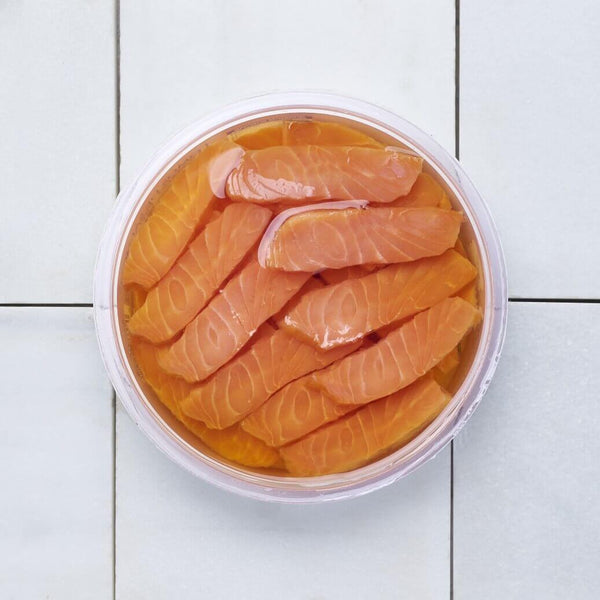
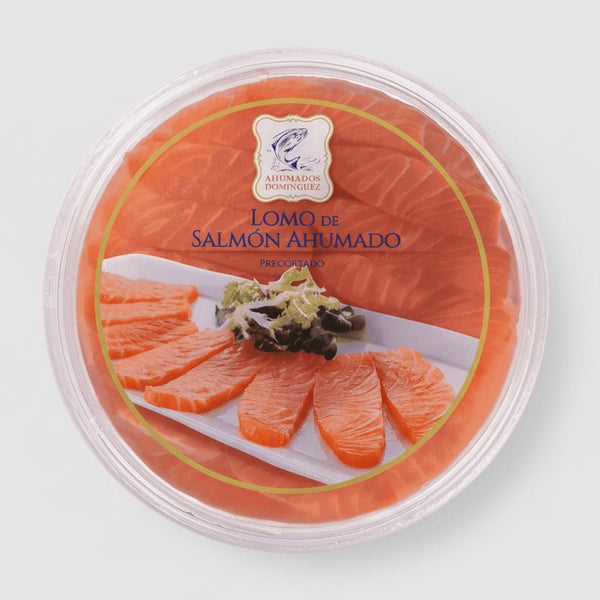
- 250 g smoked salmon sashimi (€22.50) or quality sashimi-grade fresh salmon
- 2 tablespoons soy sauce
- 1 tablespoon sesame oil
- 1 teaspoon lime juice
-
Toppings:
- 1 ripe avocado
- 1 cucumber
- Cooked edamame (a handful)
- Grated carrot
- Thinly sliced spring onion rings
- Toasted sesame seeds
- Nori seaweed strips (optional)
- Salmon roe (€26.90) — the premium touch
Step-by-step
1. Prepare the sushi rice (20 minutes)
- Rinse the rice under running water until the water runs clear (4-5 rinses)
- Cook with 250 ml of water: bring to a boil, cover, simmer on low heat for 12 minutes, let rest for 10 minutes without uncovering
- Mix vinegar, sugar, and salt in a small saucepan over low heat until dissolved
- Pour over the hot rice and mix with a gentle folding motion (do not mash)
- Let cool to room temperature. Do not put it in the refrigerator
2. Prepare the marinated salmon (5 minutes)
- If using fresh salmon: ensure it has been previously frozen at -20°C for at least 24 hours
- Cut the salmon into uniform 2 cm cubes. Use a very sharp knife
- Mix soy sauce, sesame oil, and lime in a bowl
- Add the salmon cubes and mix carefully. Marinate for 5-10 minutes while preparing the toppings
If you prefer not to use raw fish, smoked salmon sashimi is the perfect alternative: it comes pre-sliced, doesn't require pre-freezing, and offers a smoky flavor that pairs spectacularly with soy sauce.
3. Prepare the toppings (10 minutes)
- Cut the avocado in half, remove the pit, and slice thinly
- Slice the cucumber into thin half-moons
- Grate the carrot into long strips
- Slice the spring onion into very thin rings
- Thaw edamame if frozen (1 minute in boiling water)
4. Assemble the bowl
- Divide the rice into 2 wide bowls as the base
- Place the marinated salmon on one side
- Arrange the toppings in neat sections around the salmon
- Crown with sesame seeds, nori strips, and, for a premium touch, a spoonful of ikura salmon roe
- Drizzle with the remaining salmon marinade
Variation: Smoked salmon poke bowl (no raw fish)
If you're not keen on raw salmon or want something more accessible, smoked salmon works perfectly in a poke bowl.
What changes
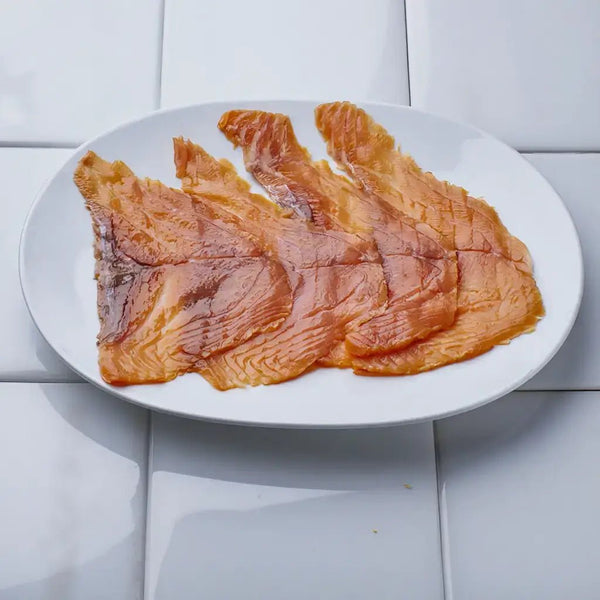
- Substitute raw salmon with 150 g of hand-sliced smoked salmon (€23.90)
- Cut the smoked salmon into wide strips instead of cubes
- Halve the soy sauce (smoked salmon is already salty)
- Add a tablespoon of cream cheese during assembly to create contrast
Hand-sliced smoked salmon has a silky texture that melts in your mouth and pairs exceptionally well with sushi rice and avocado. To learn more about varieties of smoked salmon, check out our complete guide to smoked salmon.
Related products from Bacalalo


Three poke bowl sauces that make all the difference
Homemade ponzu sauce
- 3 tablespoons soy sauce
- 2 tablespoons lemon or lime juice
- 1 tablespoon mirin (or 1/2 honey + water)
- 1 teaspoon rice vinegar
The most versatile. Works with any combination of toppings.
Spicy mayo sauce
- 3 tablespoons Japanese mayonnaise (Kewpie) or regular mayonnaise
- 1 tablespoon sriracha
- 1 teaspoon sesame oil
- Juice of half a lemon
Ideal if you like spice. The classic found in poke restaurants.
Mango sauce
- 1/2 ripe mango, pureed
- 1 tablespoon soy sauce
- 1 teaspoon grated ginger
- Lime juice
Fruity and fresh. Perfect for summer.
The best toppings for salmon poke bowls
Beyond the basics, these toppings elevate your poke bowl:
- Salmon roe (ikura): bursts in your mouth with intense sea flavor. Our Tanit salmon roe is perfect for this
- Mango: the tropical fruit that best combines with salmon and soy
- Wakame: rehydrated seaweed that adds umami and texture
- Pickled ginger (gari): cleanses the palate between bites
- Tempura crumbs: tempura pieces for extra crunch
- Kimchi: spicy fermented vegetables that transform the bowl
- Crispy onion: texture and concentrated flavor
To learn more about salmon roe — types, preservation, and culinary uses — visit our ikura (salmon roe) guide.
Common mistakes when making poke bowls at home
- Hot rice: the rice should be at room temperature. Serving it hot will denature the salmon and turn the avocado brown faster
- Poor quality salmon: for raw, you need sashimi-grade salmon, previously frozen. Do not use supermarket tray salmon without freezing
- Too much sauce: poke should be seasoned sparingly. It's better to serve the sauce separately and let each person add to their taste
- Hard avocado: an unripe avocado will ruin the bowl. If it's hard, leave it for 2-3 days in a paper bag with a banana
- Poorly cut toppings: the beauty of poke is that each bite has a little bit of everything. Cut ingredients to a similar size as the salmon cubes
- Not washing the rice: unwashed, the rice will be sticky and heavy. 4-5 rinses until the water runs clear are essential
Nutritional values of a salmon poke bowl
A well-assembled salmon poke bowl is one of the most balanced dishes you can eat:
- Calories: 450-550 kcal per serving
- Protein: 30-35 g (salmon + edamame)
- Healthy fats: 20-25 g (omega-3 from salmon + avocado)
- Carbohydrates: 45-55 g (rice)
- Fiber: 6-8 g (edamame + vegetables)
It's a complete dish that provides protein, healthy fats, complex carbohydrates, and vitamins in a single meal.
Frequently asked questions
Can I make a poke bowl with smoked salmon instead of raw?
Yes, smoked salmon is a perfect alternative to raw salmon for a poke bowl. It doesn't require pre-freezing or marinating. Cut it into wide strips, reduce the soy sauce (it's already salty), and assemble as you would with raw salmon. The result is different but equally delicious.
What kind of rice is used for poke bowls?
The best rice for a poke bowl is sushi rice (short-grain japonica rice), which becomes slightly sticky. If you can't find it, you can use round-grain rice or bomba rice. Always season it with rice vinegar, sugar, and salt once cooked and cooled.
Is it safe to eat raw salmon in a poke bowl?
Yes, provided the salmon has been previously frozen at -20°C for at least 24 hours (or 5 days in a home freezer) to eliminate anisakis. Look for salmon labeled 'sashimi quality' or 'suitable for raw consumption'. If in doubt, use smoked salmon.
How long does a prepared poke bowl last?
An assembled poke bowl should be consumed immediately. If you prepare the components separately, the seasoned rice lasts 24 hours at room temperature (covered), the marinated salmon lasts a maximum of 2 hours in the refrigerator, and cut toppings last 4-6 hours refrigerated.
Can you make a poke bowl without rice?
Yes. The most popular alternatives are a quinoa base, cold rice noodles, green leafy salad, or even grated cauliflower (for a low-carb version). The quinoa version is especially good because it provides a similar texture to rice with more protein and fiber.
What sauces do restaurant poke bowls use?
The most common sauces used in poke restaurants are: ponzu sauce (soy + citrus), spicy mayo (mayonnaise with sriracha), teriyaki sauce, eel sauce (unagi), and sesame dressing. Ponzu and spicy mayo are the most versatile and easiest to make at home.
How many calories are in a salmon poke bowl?
A standard salmon poke bowl has between 450 and 550 kcal per serving, with about 30-35 g of protein, 20-25 g of healthy fats (omega-3 and avocado), and 45-55 g of carbohydrates. It is one of the most nutritionally balanced dishes you can prepare at home.
Related products from Bacalalo
Conclusion
From the Mercat del Ninot in Barcelona, we have been selecting the finest seafood products for over 35 years. If this guide has been helpful to you, explore our catalog at bacalalo.com and receive the same quality at home that we have been selling at the market since 1990.
Related guides
Discover more