Quick summary: Oily fish has more than 5% fat (anchovy, sardine, tuna, bonito, salmon, mackerel, horse mackerel) and is rich in omega-3. White fish has less than 2% fat (cod, hake, monkfish, sole, sea bream, sea bass) and is lower in calories. Neither is "better": the ideal is 2-3 servings of oily fish + 2-3 servings of white fish per week. The WHO and AESAN agree.
The classification between oily fish and white fish is one of the most misunderstood concepts in popular nutrition. Many people believe that oily fish is "fattening" and white fish is "slimming," when in reality, oily fish is precisely the main source of omega-3 EPA and DHA in the Mediterranean diet — and no one should stop eating it due to miscalculated calories.

What is oily fish?
Oily fish contains more than 5% fat in its flesh (some define it as >2%, but the strict boundary is 5%). This is a functional classification, not an aesthetic one — it has nothing to do with the color of the skin, although it is often true that many oily fish have bluish-silver shiny skin.
This fat, far from being a problem, is what makes it nutritionally valuable: it is composed of omega-3 EPA and DHA fatty acids, the most beneficial for the heart, brain, and chronic inflammation.
Classic examples of oily fish:
- Anchovy / boqueron
- Sardine
- Tuna (red, albacore, bonito)
- Salmon
- Mackerel
- Horse mackerel
- Herring
- Trout
- Eel
- Swordfish
- Pompano
Cantabrian Anchovies "00" Gourmet Selection
Oily fish at its best: Cantabrian anchovies cured for 7 months in salt, without chemicals. Spring catch (May).
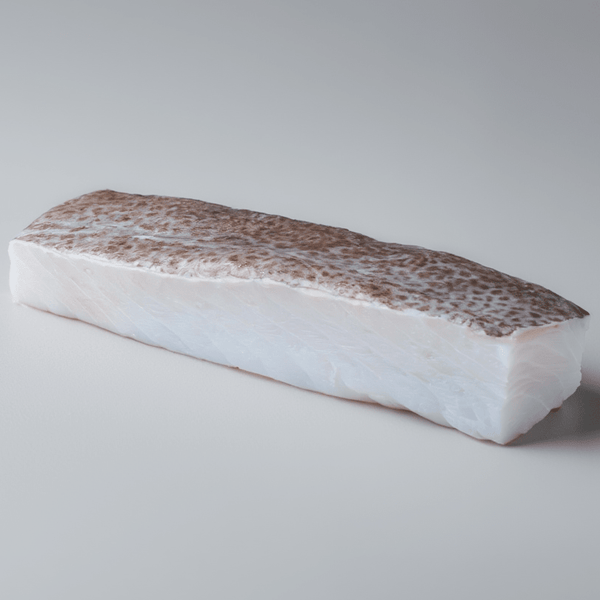
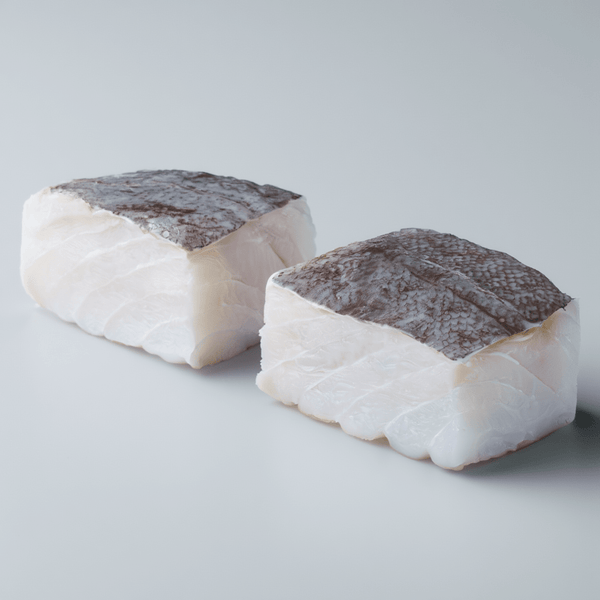
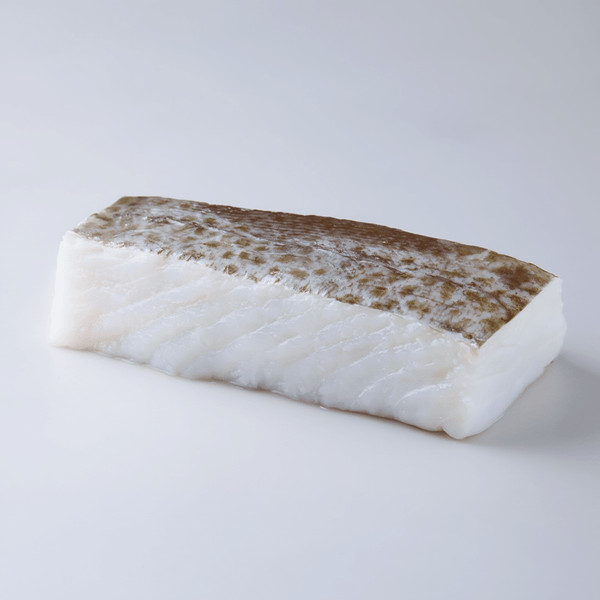
What is white fish?
White fish has less than 2% fat and, therefore, less omega-3 (although it does contain some DHA and EPA, especially in the liver and roe). They usually live near the seabed and swim less — they don't need reserve fat.
Characteristics:
- Fewer calories: 70-100 kcal/100g (vs 100-180 for oily fish).
- More proportional protein: 18-20 g per 100g.
- Easier digestion: due to less fat.
- Milder flavor: ideal for meal starters or soft diets.
Classic examples:
- Cod
- Hake / whiting
- Monkfish
- Sole
- Sea bream / sea bass
- Turbot
- Megrim
- Blue whiting
- Scorpionfish
- Grouper
- Conger eel
Extra Dried Cod Snout Clean Whole - 900g
The white fish par excellence: Icelandic cod, longline caught, naturally cold-dried. Deep flavor, firm texture.
Nutritional comparison table
| Indicator (per 100g cooked) | Oily fish (average) | White fish (average) |
|---|---|---|
| Calories | 100-180 kcal | 70-100 kcal |
| Total fat | 5-20 g | 0.5-2 g |
| Omega-3 EPA+DHA | 1,500-3,000 mg | 100-300 mg |
| Protein | 18-25 g | 18-22 g |
| Vitamin D | High (5-15 µg) | Low (1-3 µg) |
| Iodine | Medium | High (cod stands out) |
| Digestion | Slower | Easier |
| Flavor | Intense, "of the sea" | Mild, neutral |
List of examples: 30 fish classified
Oily fish (15): red tuna, albacore tuna, northern bonito, anchovy, boqueron, sardine, sprat, mackerel, horse mackerel, Atlantic horse mackerel, herring, salmon, trout, pompano, eel.
White fish (15): cod, hake, whiting, monkfish, sole, megrim, sea bream, sea bass, turbot, grouper, blue whiting, scorpionfish, conger eel, pollock, ray.
Semi-oily fish (unofficial but useful): intensively farmed sea bream, fattened sea bass, farmed pompano — can have between 2-5% fat depending on diet.
Omega-3 and cardiovascular health: why oily fish wins
Omega-3 EPA and DHA (the two that matter for heart and brain) are only obtained in relevant quantities from oily fish. Plant-based omega-3 (ALA from flax, chia, walnuts) is different, and the body only converts 5-10% into EPA/DHA.
Per 100g cooked, the approximate amounts of EPA+DHA are:
- Wild salmon: 2,500 mg
- Canned anchovy: 2,100 mg
- Sardine: 2,000 mg
- Mackerel: 1,800 mg
- Northern bonito: 1,500 mg
- Albacore tuna: 1,000 mg
- Hake: 350 mg
- Cod: 280 mg
- Sole: 200 mg
The American Heart Association recommends at least 2 servings of oily fish per week to reduce cardiovascular risk. The Spanish AESAN agrees.
Smoked Sardine Fillets Fish Gourmet
Oily fish with potent omega-3 and deep flavor. Cold smoked with natural wood.
Mercury: the myth to clarify
Many people avoid oily fish "because of mercury." This is partially true, but it needs clarification:
- High in mercury (limited consumption): large red tuna, swordfish, shark (dogfish), pike. AESAN recommends that pregnant women and children under 10 avoid these.
- Low in mercury (free consumption): anchovy, sardine, boqueron, mackerel, horse mackerel, salmon, northern bonito, trout. These are small oily fish that do not accumulate mercury.
- Minimal mercury: most white fish.
Conclusion: anchovy, sardine, and northern bonito are safe oily fish and should be the basis of your weekly omega-3 intake. The "fear of oily fish" often comes from confusing red tuna with everything else.
How much oily and white fish per week?
Official recommendation (AESAN, WHO, AHA):
- Healthy adult: 3-4 servings of fish per week, alternating 2 oily + 2 white.
- Pregnant women and children: same, but avoiding large red tuna, swordfish, shark, pike.
- Adult with cardiovascular problems: prioritize oily fish (salmon, sardine, anchovy) 3-4 times.
- Hypocaloric diet: 4 servings white fish + 1-2 oily, prioritizing satiety from protein.
Bacalalo products in each category
In our catalog, you will find both types in their best artisan versions:
Oily fish:
- Cantabrian Anchovies — May spring
- Cantabrian Boquerones
- Canned tuna and bonito
- Gourmet smoked salmon
- Sardines and sprats
White fish:
- Cod — the king of white fish
- Dried cod
- Desalted cod to perfection
- Cod derivatives
Bacalalo Gourmet Canned Goods
Selected oily and white fish. Anchovies, bonito, tuna, sardines, smoked salmon, and cod in all its forms.
Conclusion
Oily fish is the best dietary source of omega-3 EPA and DHA, and you should eat it 2-3 times a week. White fish is perfect when you're looking for something light, easy to digest, and rich in lean protein. Neither is "better" — both are fundamental in a well-executed Mediterranean diet. The myth of "oily fish is fattening" is just that: a myth. The fats in oily fish are the ones you want in your body. The only thing to watch out for is large red tuna and swordfish during pregnancy or childhood. For everything else, eat oily fish without fear.
Frequently asked questions
Which fish has the most omega-3?
Is tuna oily or white fish?
Is cod oily fish?
Are sardines fattening?
How many servings of each type per week?
Is oily fish safe during pregnancy?
Why does hake have so little omega-3?
Does farmed salmon have the same omega-3 as wild salmon?
Does canned fish retain omega-3?
What about smoked fish?
Related articles
- Anchovy vs. boquerón: differences and when to use them
- Tuna belly vs. bonito: which is better
- Boquerones vs. sardines vs. herring: comparison of oily fish
- Collection: gourmet preserves
About the author — Lalo González Rodríguez
Third generation of Bacalalo at Mercat del Ninot (Barcelona). He has worked with cod since 1990 and personally selects suppliers in Iceland, Norway, Cantabria, and the Caspian Sea. He writes about the identity and real provenance of seafood products.