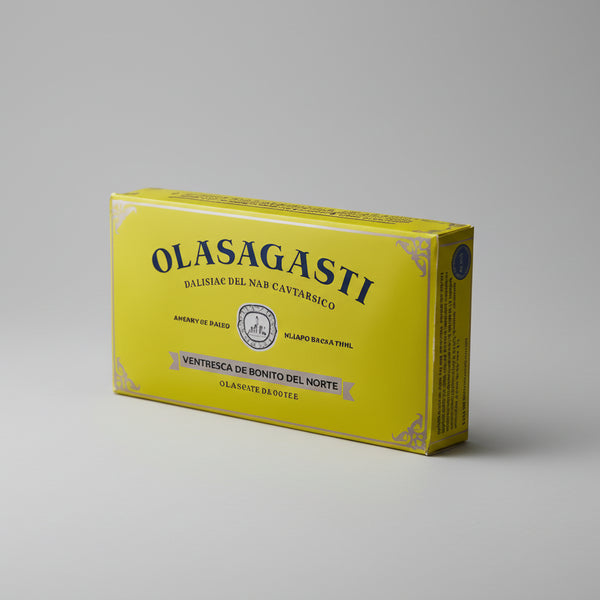
Quick summary: Bonito del Norte is Thunnus alalunga (albacore tuna), white-ivory flesh, delicate flavor, artisanal Cantabrian summer fishing, 30-65 €/kg. Light tuna is Thunnus albacares (yellowfin), pinkish flesh, intense flavor, more industrial tropical Atlantic fishing, 12-25 €/kg. They are distinct species, not qualities of the same. For an appetizer with just EVOO: bonito. For salads and cooked dishes: light tuna.
Many people enter the supermarket thinking that Bonito del Norte and light tuna are the same thing with different labels — one "premium" and the other "cheap." They are not. They are two biologically distinct species, caught in different seas, with different methods. And that justifies the price difference. This guide explains why.

They are not the same species
The confusion comes from the fact that both belong to the genus Thunnus, but they are distinct species:
- Bonito del Norte = Thunnus alalunga = albacore tuna.
- Light tuna = Thunnus albacares = yellowfin tuna.
- Bluefin tuna (another distinct one) = Thunnus thynnus.
Each species has its own size, migratory habits, flesh color, taste, and conservation status. Calling them "the same fish" would be like calling a trout and a salmon the same just because both are salmonids.
Bonito del Norte (Thunnus alalunga)
- Size: 60-120 cm, 4-25 kg.
- Habitat: temperate and cold waters. Migrates to the Bay of Biscay in summer (June-October).
- Fishing: pole-and-line fishing in Cantabria, Basque Country, and Galicia. Each fish is brought aboard individually.
- Flesh color: white-ivory. The lightest among tunas.
- Flavor: delicate, sweet, unctuous.
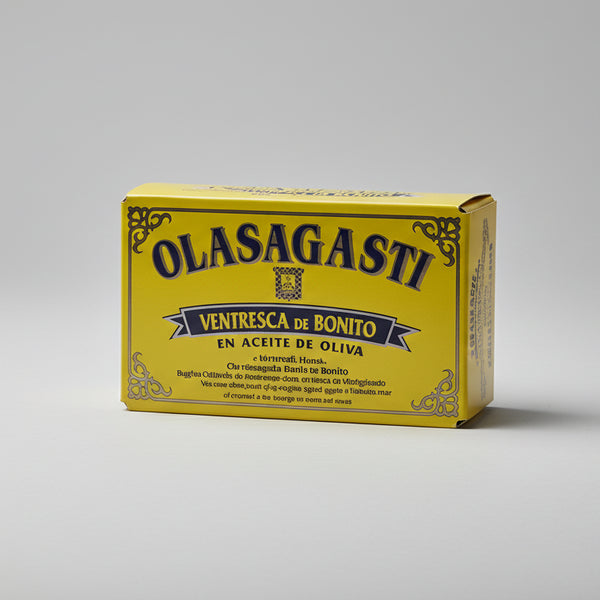
- Historic brands: Olasagasti, Ortiz, La Brújula, Serrats, Lolín, Hijos de Carlos Albo.
- Bonito season: Cantabrian summer fishing tradition, culturally recognized.
Bonito del Norte Loins Olasagasti 315g
Glass jar with whole loins in extra virgin olive oil. Pole-and-line caught. The "jewel" of the Cantabrian Sea.
Light Tuna (Thunnus albacares)
- Size: 100-200 cm, 30-180 kg.
- Habitat: tropical and subtropical waters (equatorial Atlantic, Indian, Pacific).
- Fishing: purse seine with FADs (Fish Aggregating Devices), longline, pole-and-line in some cases. Much more mechanization.
- Flesh color: pinkish-orange, similar to salmon but paler.
- Flavor: intense, distinct, "oceanic."
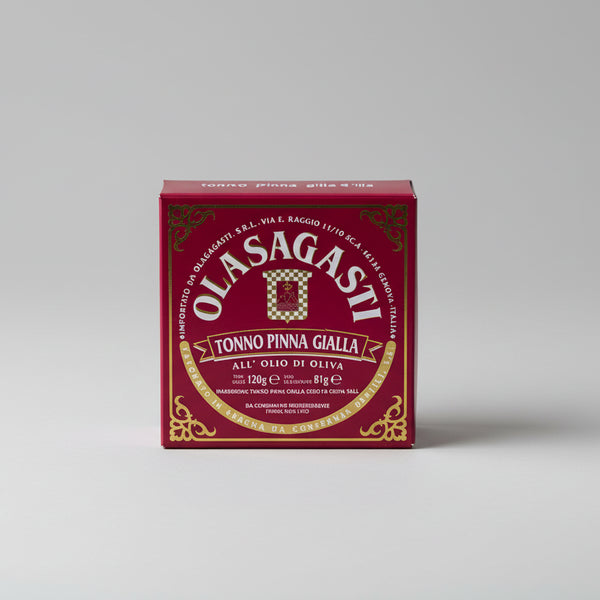
- Common brands: Olasagasti (yes, they also make it), Dardo, Calvo, Cuca.
Light Tuna Loins Olasagasti 315g
Same house, different species. Whole loins in olive oil. Stronger flavor, more affordable price.
Comparison Table
| Characteristic | Bonito del Norte | Light Tuna |
|---|---|---|
| Species | Thunnus alalunga | Thunnus albacares |
| Commercial Name | Albacore tuna | Yellowfin |
| Flesh Color | White-ivory | Pinkish-orange |
| Flavor | Delicate, sweet | Intense, distinct |
| Texture | Fine, almost buttery | Firmer, fibrous |
| Fishing Method | Pole-and-line (Cantabrian Sea) | Purse seine / longline |
| Origin | Bay of Biscay summer | Tropical Atlantic, Indian Ocean |
| Size | 4-25 kg | 30-180 kg |
| Price €/kg (2026) | 30-65 €/kg | 12-25 €/kg |
| Best Use | Appetizer, fine salad | Salads, pasta, empanadas |
Taste and Texture: Direct Tasting
In a blind tasting, the differences in mouthfeel are clear:
- Bonito del Norte: soft initial impact, melting texture, sweet-buttery aftertaste. Clean olive oil. Almost always eaten "as is."
- Light tuna: stronger initial impact, chewy texture, "real tuna" aftertaste, more persistent. Needs accompaniment (onion, tomato, pepper).
Someone accustomed to light tuna all their life will try Bonito del Norte and say "this doesn't taste like much." It's the other way around: bonito tastes like bonito; light tuna tastes like tuna. They are different profiles for different uses.
Price €/kg in 2026
Current differences in the Spanish market:
- Premium Bonito del Norte (315g glass jar): 50-65 €/kg.
- Standard Bonito del Norte (120g can): 30-45 €/kg.
- Premium Light Tuna (315g glass jar): 18-25 €/kg.
- Standard Light Tuna (120g can): 12-18 €/kg.
- Light tuna for catering (1 kg): 10-14 €/kg.
If you find "Bonito del Norte" for less than 25 €/kg, be suspicious: it's either mislabeled light tuna, low-quality bonito (mixed pieces), or close to its expiration date. The real difference between the two species at the fish market is 4-6 €/kg to the producer, which translates to 15-25 €/kg to the final consumer due to the artisanal process of bonito.
Sustainability and Fishing Method
Here there is an important ethical difference:
- Cantabrian Bonito del Norte: pole-and-line fishing, no trawling nets, no bycatch. The Cantabrian bonito fleet is an international example of sustainable fishing.
- Purse seine light tuna with FADs (Fish Aggregating Devices): uses buoys that attract tuna but also turtles, sharks, and dolphins. Has higher bycatch.
- Longline or pole-and-line light tuna: more sustainable options within light tuna. Some brands (Olasagasti, Dardo) certify origin.
If sustainability weighs on your decision, Cantabrian Bonito del Norte is the cleanest choice.
When to choose each one?
Choose Bonito del Norte if:
- You're going to eat it simply with good EVOO and breadsticks.
- It's a special dinner, gastronomic gift, or appetizer.
- You value artisanal fishing and origin.
- You want the finest Spanish preserved seafood.
Choose light tuna if:
- You're going to use it in salads, pasta, empanadas, or salpicón.
- You're looking for a flavor that won't be lost in the recipe.
- You need a 1 kg format for batch cooking or catering.
- Budget is a key factor.
Honesty: for a potato salad with tomato and onion, the difference between bonito and light tuna is 15%. For a matrimonio (anchovy + sardine + bonito on bread), the difference is 60%. Decide based on the dish.
What we sell at Bacalalo
Olasagasti is our main brand because it handles both species with the same level of care — the customer can see both options side-by-side and choose.
Bonito del Norte in Sauce Olasagasti 1850g
Large format for catering and restaurants. Traditional Cantabrian in sauce, ready to serve.
Light Tuna Loin Olasagasti 120g
Whole loin, canned format. High-medium quality light tuna with the most balanced value for money.
Tuna and Bonito Preserves Collection
Both species, all formats. Olasagasti, Dardo, BayMar.
Discover our premium selection
Selected seafood products with discernment since 1990 in Mercat del Ninot, Barcelona. Refrigerated shipping in 24-48h.
Conclusion
Bonito del Norte and light tuna are distinct species. Bonito is whiter, finer, more expensive, and is fished artisanally in the Cantabrian Sea. Light tuna is pinker, more flavorful, more affordable, and is fished more industrially in tropical waters. Both are good products when purchased from reputable brands — Olasagasti, Ortiz, Serrats, Dardo. The decision depends on the dish and the budget. Don't just go by the label: read the species in the ingredients list (Thunnus alalunga vs Thunnus albacares) and choose wisely.
Frequently Asked Questions
Is Bonito del Norte bluefin tuna?
Why is bonito more expensive if it's smaller?
Do they have the same omega-3 content?
Which has more mercury?
Can one be substituted for the other in a recipe?
Which brand is the best for bonito del norte?
Is "light tuna" poor quality?
Glass jar vs. can: which is better?
Related articles
- Tuna belly vs. bonito: which is better
- Mojama de atún: complete guide
- Blue fish vs. white fish: differences
- Collection: tuna and bonito
About the author — Lalo González Rodríguez
Third generation of Bacalalo at Mercat del Ninot (Barcelona). He has worked with cod since 1990 and personally selects suppliers in Iceland, Norway, Cantabria, and the Caspian Sea. He writes about the identity and true origin of seafood products.