

Summary: Fish is the main dietary source of omega-3 EPA and DHA, essential fatty acids for the heart, brain, and inflammation. But not all fish provide the same amount. In this comprehensive ranking, we compare EPA+DHA levels per 100g of more than 20 species — from salmon and sardines to cod and hake — with a comparative table, recommended daily intake, and how to maximize your consumption.
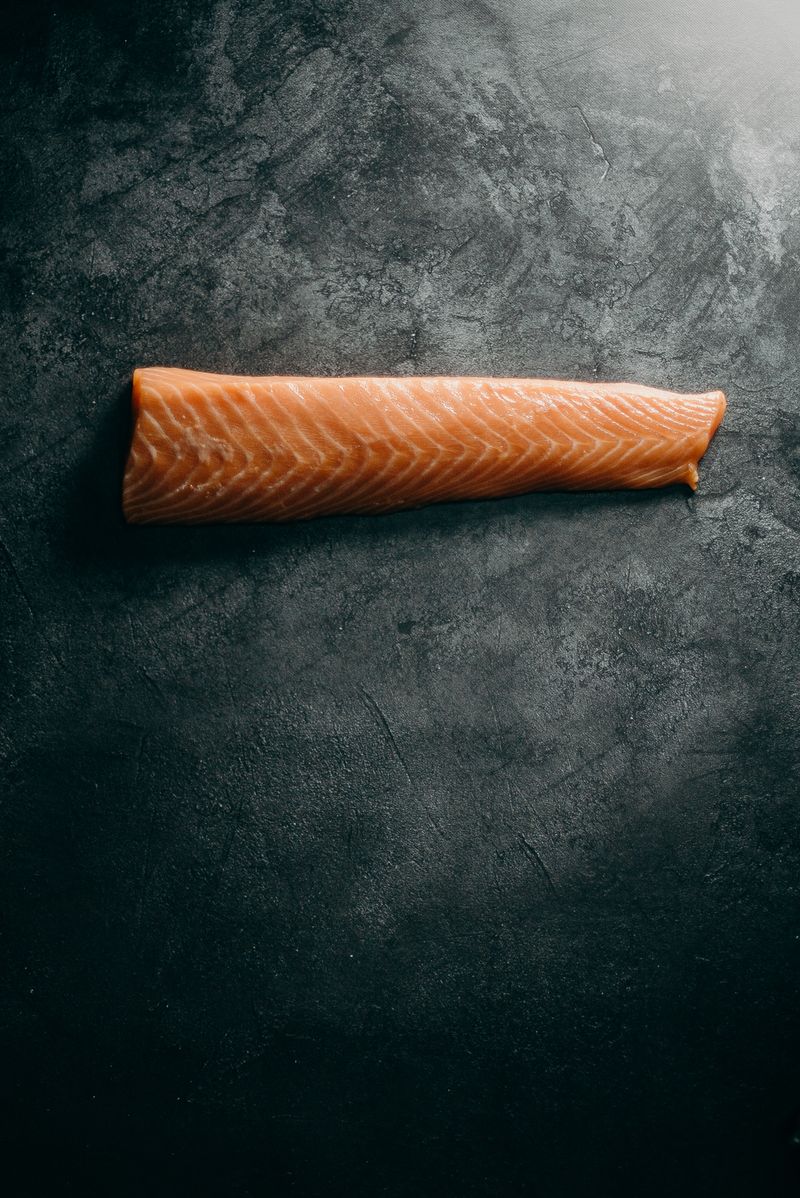
What are omega-3 fatty acids?
Omega-3s are essential polyunsaturated fatty acids — your body needs them but cannot produce them. You must obtain them from your diet. They are structural components of cell membranes, especially in the brain and retina, and regulate inflammatory processes throughout the body.
There are three main types: ALA (alpha-linolenic), of plant origin; and EPA (eicosapentaenoic) and DHA (docosahexaenoic), of marine origin. The latter two are the ones that have direct effects on cardiovascular and brain health — and fish is their most efficient natural source.
Scientific evidence is compelling: the WHO recommends consuming at least 250 mg of EPA+DHA daily, and studies such as GISSI-Prevenzione and REDUCE-IT have shown significant reductions in cardiovascular events with adequate intake of marine omega-3.
EPA, DHA, and ALA: not all omega-3s are equal
This is a critical point that most articles overlook:
- ALA (alpha-linolenic): found in flax seeds, chia seeds, and walnuts. Your body converts only 5-10% to EPA and less than 5% to DHA. It is useful, but insufficient as the sole source of omega-3.
- EPA (eicosapentaenoic): direct anti-inflammatory action. Reduces triglycerides, improves endothelial function. Present in oily fish and shellfish.
- DHA (docosahexaenoic): structural component of the brain (represents 40% of fatty acids in the cerebral cortex). Essential during pregnancy and child development. Also in oily fish.
The conclusion is clear: if you want effective omega-3s (EPA+DHA), you need fish. Plant sources (ALA) are a supplement, not a substitute.
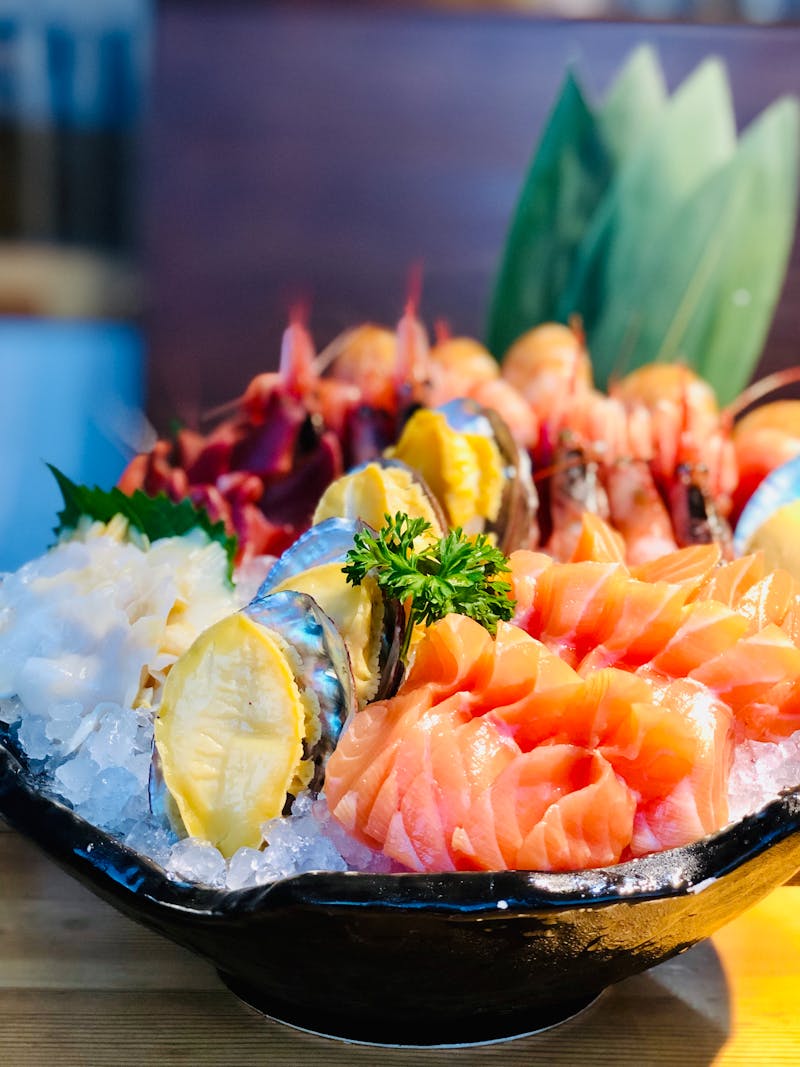
Ranking of fish with the most omega-3 (EPA+DHA)
We have compiled data from the USDA, BEDCA (Spanish Food Composition Database), and peer-reviewed studies to create the most comprehensive ranking in Spanish. Values are per 100g of edible portion, raw:
- Atlantic Mackerel: 2,670 mg — the absolute queen of omega-3. Economical, sustainable, and with a strong flavor. Ideal canned or grilled.
- Wild Salmon (Sockeye): 2,150 mg — the most well-known. Wild salmon surpasses farmed salmon in its omega-3/omega-6 ratio.
- Herring: 1,730 mg — undervalued in Spain, it is the basis of famous Nordic smoked fish. Versatile and inexpensive.
- Sardine: 1,480 mg — possibly the best nutritional quality/price ratio on the entire list. Also rich in calcium and vitamin D.
- Anchovy/Boqueron: 1,290 mg — Cantabrian anchovies in oil retain much of their omega-3. A concentrated bite of nutrition.
- Rainbow Trout: 1,060 mg — a freshwater alternative very rich in omega-3, especially farmed trout fed with enriched feed.
- Bluefin Tuna (fresh): 1,020 mg — high in omega-3 but also in mercury. Consume in moderation according to AESAN.
- Farmed Salmon: 980 mg — less omega-3 than wild and a worse omega-3/omega-6 ratio, but still a good source.
- Albacore Tuna: 890 mg — white tuna. Excellent canned, where it retains most of its omega-3.
- Swordfish: 870 mg — tasty but high in mercury. Limited to 1 serving/week for adults.
And in the second half of the ranking, fish with moderate or low omega-3:
- Sea Bass: 650 mg
- Gilt-head Bream: 590 mg
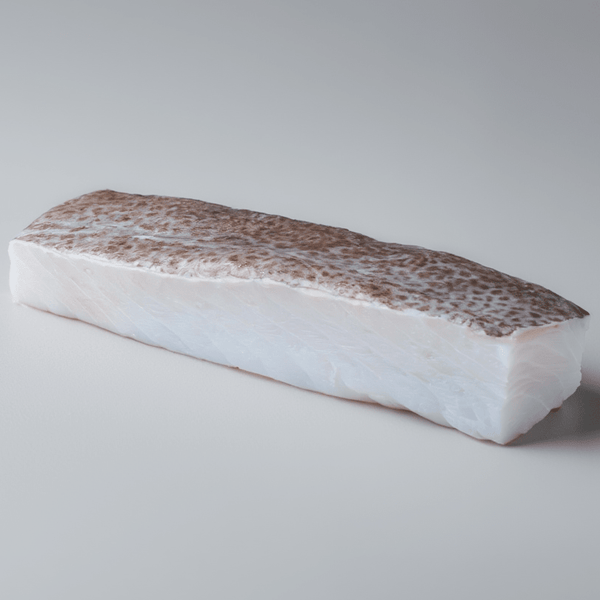
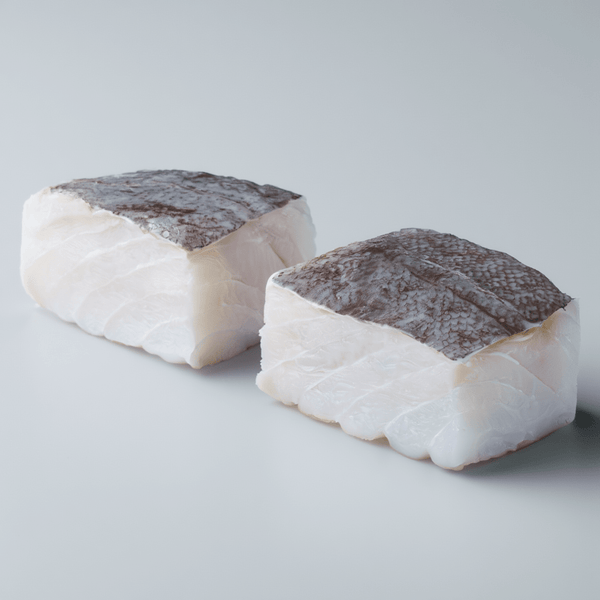
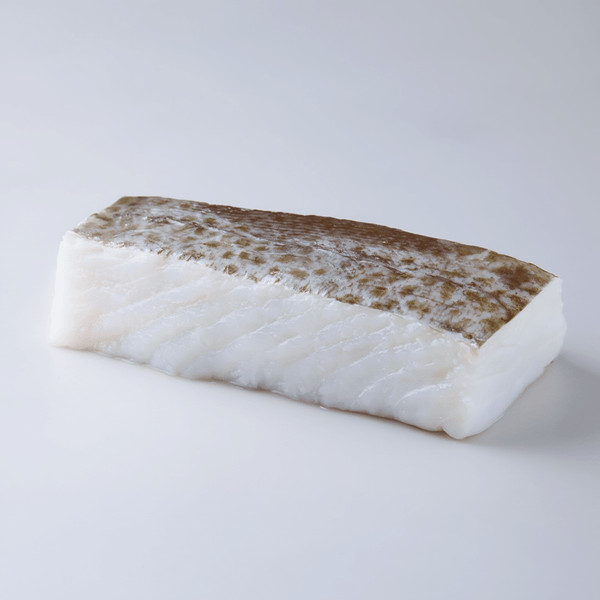
- Fresh Cod: 240 mg — surprisingly low, but cod makes up for it with very high protein and minimal fat. Its value lies in being the most versatile white fish with the best protein profile.
- Hake: 220 mg
- Monkfish: 180 mg
- Sole: 150 mg
- Shrimp/Prawn: 540 mg — crustaceans are a surprisingly good source of omega-3.
Comparative table: EPA + DHA per 100g
| Species | EPA (mg) | DHA (mg) | Total EPA+DHA | Type |
|---|---|---|---|---|
| Atlantic Mackerel | 900 | 1,770 | 2,670 | Oily |
| Wild Salmon | 530 | 1,620 | 2,150 | Oily |
| Herring | 710 | 1,020 | 1,730 | Oily |
| Sardine | 510 | 970 | 1,480 | Oily |
| Anchovy/Boqueron | 540 | 750 | 1,290 | Oily |
| Rainbow Trout | 260 | 800 | 1,060 | Oily |
| Bluefin Tuna | 280 | 740 | 1,020 | Oily |
| Farmed Salmon | 340 | 640 | 980 | Oily |
| Albacore Tuna | 230 | 660 | 890 | Oily |
| Shrimp/Prawn | 250 | 290 | 540 | Shellfish |
| Fresh Cod | 70 | 170 | 240 | White |
| Hake | 80 | 140 | 220 | White |
Sources: USDA FoodData Central, BEDCA, EFSA studies. Approximate raw values per 100g edible portion.
Proven benefits of marine omega-3
The scientific evidence on EPA and DHA omega-3s is among the most robust in nutrition. These are the most well-supported benefits:
Cardiovascular health: the most studied effect. Omega-3s reduce triglycerides (up to 30%), improve endothelial function, lower blood pressure, and have an antithrombotic effect. The REDUCE-IT study (2019) demonstrated a 25% reduction in cardiovascular events with high-dose pure EPA.
Brain and cognitive function: DHA is a structural component of neurons. Observational studies link regular fish consumption to a lower risk of dementia and cognitive decline. During pregnancy, DHA is critical for fetal brain development.
Inflammation: omega-3s compete with omega-6s in inflammatory pathways, producing anti-inflammatory mediators (resolvins, protectins). This has implications for rheumatoid arthritis, inflammatory bowel disease, and sports recovery.
Eye health: DHA represents 60% of the fatty acids in the retina. Adequate intake is associated with a lower risk of age-related macular degeneration (AMD).
Mental health: recent meta-analyses suggest a modest but significant effect of EPA in reducing depressive symptoms, especially as an adjunct to conventional treatment.
Recommended daily intake of omega-3
Recommendations vary by organization, but there is reasonable consensus:
| Organization | EPA+DHA Recommendation |
|---|---|
| WHO | 250-500 mg/day |
| EFSA (Europe) | 250 mg/day (minimum) |
| AHA (Am. Heart Assoc.) | 2 servings of fish/week (~500 mg/day) |
| AESAN (Spain) | 250 mg/day + 200 mg DHA in pregnancy |
| High cardiovascular risk | 1,000-2,000 mg/day (under medical supervision) |
In practice: 2-3 weekly servings of oily fish (salmon, sardines, mackerel, anchovies) easily cover the recommended 250-500 mg/day. A single can of sardines (120g drained) provides about 1,780 mg of EPA+DHA — enough for 3-7 days.
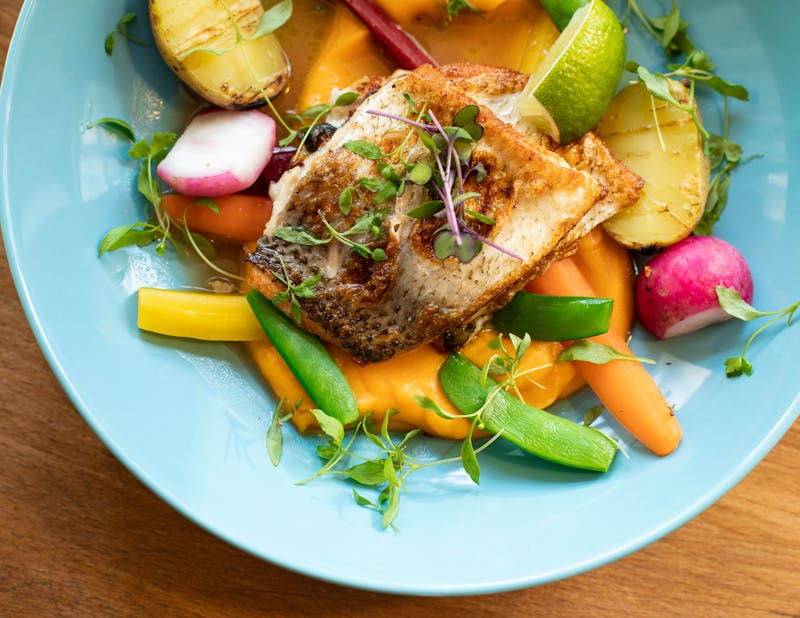
How to maximize your omega-3 when cooking fish
The way you cook fish affects how much omega-3 you retain:
- Steamed or poached: retains ~95% of omega-3. The best option.
- Baked: retains ~85-90%. Excellent.
- Grilled: retains ~80-85%. The fat released by the fish contains omega-3, but the loss is moderate.
- Canned: retains ~70-80%. The oil in the can absorbs part of the fish's omega-3 — which is why you should use that oil.
- Fried: retains ~50-70%. The worst option. High temperatures degrade fatty acids and frying oil dilutes omega-3.
Practical tip: if you grill oily fish, don't throw away the juice it releases. Use it as a sauce or dip bread in it — it contains concentrated omega-3.
Oily fish vs. white fish: which has more omega-3?
Oily fish (sardines, salmon, mackerel, albacore tuna, anchovies, herring) contain 5 to 15 times more omega-3 than white fish (cod, hake, sole, monkfish). The reason is simple: oily fish store fat in their muscles (intramuscular fat), while white fish store it in their liver.
This doesn't make white fish inferior. Cod, for example, is an exceptional source of lean protein (18 g/100 g), with only 0.7 g of fat and just 82 kcal. For weight management or high-protein diets, cod is unbeatable.
The optimal strategy is to combine both: oily fish 2-3 times/week for omega-3 and white fish 1-2 times for lean protein. As the WHO recommends in its report on the benefits of eating fish, the balance between species is key.
Omega-3 in canned fish: Is it preserved?
Yes, but with nuances. The sterilization process slightly reduces the omega-3 content (by 10-20%), but in return, canned fish has unique advantages:
- Availability: You always have omega-3 in your pantry, without depending on fresh fish.
- Price: Canned sardines are the most economical source of EPA+DHA available.
- Convenience: Open and eat. No cooking, no cleaning.
- The oil in the can: Absorbs omega-3 from the fish during maturation. In sardines in olive oil, the oil can contain up to 30% of the total omega-3. Never discard it.
Canned sardines, anchovies, bonito, and mackerel are excellent sources of omega-3. Discover our selection in the gourmet preserves collection.
Conclusion
Not all fish are equal in omega-3 content. Mackerel, wild salmon, herring, sardines, and anchovies lead the ranking with more than 1,200 mg of EPA+DHA per 100 g. White fish (cod, hake) provides little omega-3 but compensates with exceptional lean protein.
The winning strategy is clear: 2-3 weekly servings of oily fish cover your omega-3 needs. Canned sardines and anchovies are the most practical and economical option. And cod and salmon complement each other perfectly: one for protein, the other for omega-3.
At Bacalalo, we work with both worlds: from traditional cod to artisanal smoked salmon and the best canned sardines and anchovies. Everything you need for an omega-3-rich diet, in one store.
Frequently asked questions
Which fish has the most omega-3?
Atlantic mackerel with 2,670 mg of EPA+DHA per 100 g. This is followed by wild salmon (2,150 mg) and herring (1,730 mg). Among common fish in Spain, sardines (1,480 mg) and anchovies (1,290 mg) are the most accessible and economical options.
Does cod have omega-3?
Yes, but little: 240 mg per 100 g. Cod is white fish and stores fat in its liver (hence cod liver oil). Its nutritional value lies in its high-quality protein (18 g/100 g) with very little fat (0.7 g).
How much fish should you eat to meet daily omega-3 needs?
With 2-3 weekly servings of oily fish (sardines, salmon, mackerel), you meet the 250-500 mg/day recommended by the WHO. A can of sardines (120 g) provides about 1,780 mg — enough for several days.
Do canned fish retain omega-3?
Yes. Sterilization reduces omega-3 by 10-20%, but canned foods are still an excellent source. Important: the oil in the can absorbs omega-3 from the fish, so always use it.
Is it better to take omega-3 supplements or eat fish?
Fish. Studies show that the cardiovascular benefit of fish is greater than that of isolated supplements, probably because fish contains other nutrients (selenium, vitamin D, proteins) that act synergistically. Supplements are an alternative for those who don't eat fish.
Are chia and flax seeds good sources of omega-3?
They contain ALA, a precursor to omega-3, but your body only converts 5-10% to EPA and less than 5% to DHA. They are a complement, not a substitute for fish to obtain active EPA+DHA.
Which fish has the most omega-3 and the least mercury?
Sardines and anchovies: high omega-3 (1,290-1,480 mg) and low mercury due to their small size. Wild salmon also has a good ratio. Avoid swordfish and bluefin tuna if you are concerned about mercury.
Is omega-3 lost when cooking fish?
It depends on the method. Steaming retains ~95%, baking ~85-90%, grilling ~80-85%, canning ~70-80%, and frying ~50-70%. Gentle cooking methods are better for preserving fatty acids.
Lalo González Rodríguez
Since 1990 in Mercat del Ninot, Barcelona. We select cod and seafood directly from the producer. It's not marketing — there are verifiable factors.