There are salads, and then there's this salad. A combination of confit cod, shredded txangurro (spider crab), Basque piperrada, and a rosé sauce made with spider crab roe that elevates a cold dish to the category of haute cuisine. It's the salad you serve when you really want to impress: elegant, balanced, with flavors from the Cantabrian Sea that complement each bite. We'll show you how to prepare it step by step, from the cod confit technique to the artisanal preparation of the rosé sauce with spider crab coral.
Table of contents
- Why this salad is special
- Key ingredients and how to choose them
- How to confit cod for salad
- Preparing txangurro: disassembling a spider crab
- Piperrada: the Basque touch
- The spider crab rosé sauce: the jewel in the crown
- Complete step-by-step recipe
- Variations and adaptations
- Wine pairing for this salad
- Frequently asked questions
- Conclusions
Why this salad is special
The combination of cod and spider crab (txangurro in Basque) is a classic of Basque cuisine that is rarely seen in salad form. Typically, these two ingredients are found in hot stews or in separate preparations. Uniting them in a cold dish, with piperrada as a flavor bridge and rosé coral sauce as a luxurious link, is a proposal that surprises with its coherence and elegance.
The four components work in harmony:
- Confit cod: Provides a solid base, with its flaky texture and mild salty flavor.
- Shredded txangurro: Provides marine sweetness, delicate texture, and visual presence.
- Piperrada: Provides vegetable sweetness, color (red, green) and a slightly smoky counterpoint.
- Spider crab rosé sauce: Provides creaminess, deep umami, and the luxury of spider crab coral.

Key ingredients and how to choose them
Cod
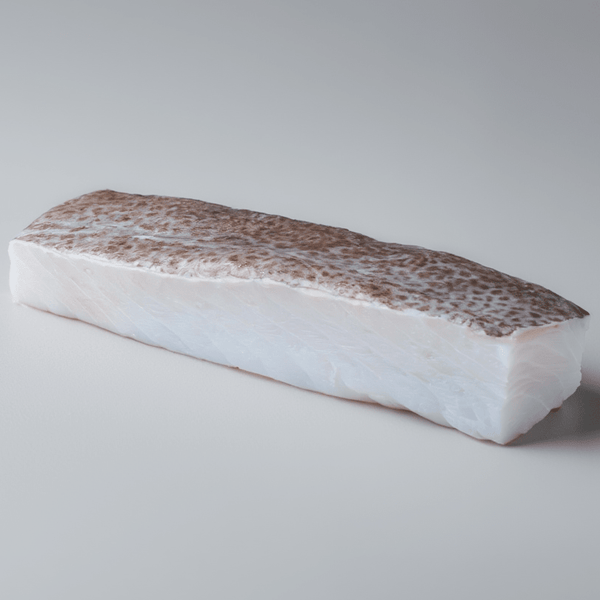
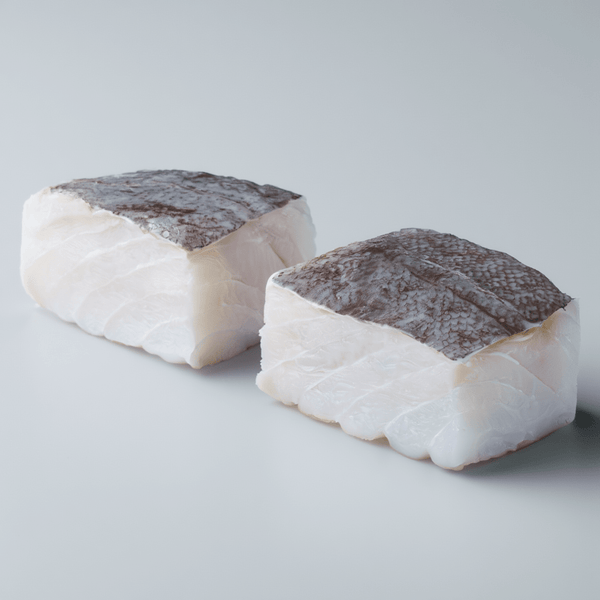
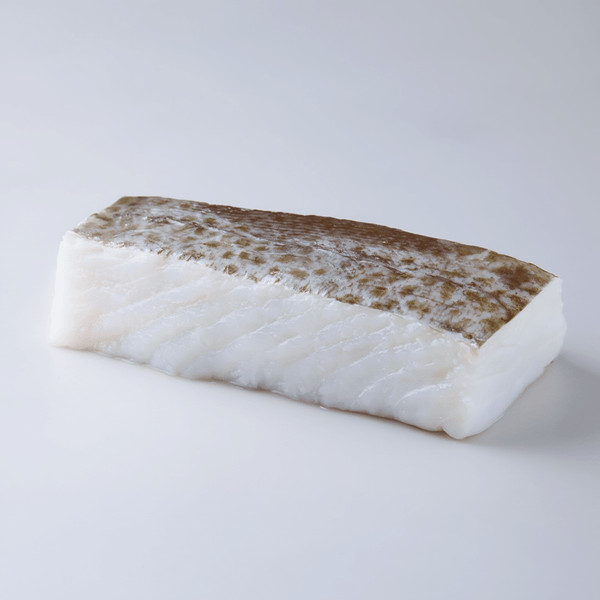
You need a premium desalinated cod loin. Firm, white, without a strong odor. The loin is the ideal cut because it flakes into clean, uniform pieces after confiting. Avoid thin or tail pieces, which break apart too easily.
Spider crab (txangurro)
Galician or Cantabrian spider crab, ideally female (it has more coral, the orange mass under the shell that we need for the sauce). The season runs from November to March. Out of season, you can use quality frozen cooked spider crab or brown crab as an alternative.
Peppers for piperrada
Italian green pepper (long, thin) and red pepper. If it's the season, Lodosa or roasted piquillo peppers will be even better. Sweet onion completes the classic piperrada trio.
How to confit cod for salad
Confit is the ideal technique for preparing the cod in this salad. It produces a juicy, silky texture that flakes into perfect pieces, without the dryness that can result from oven baking or grilling.
Ingredients for the confit
- 400 g desalinated cod loin
- 400 ml extra virgin olive oil (Arbequina, mild)
- 2 cloves garlic
- 1 bay leaf
- A few sprigs of fresh thyme
Process
- Heat the oil with the crushed garlic, bay leaf, and thyme to exactly 55°C. Use a thermometer.
- Submerge the cod in the hot oil. Maintain the temperature between 50-55°C for 15 minutes. It should not bubble at any point.
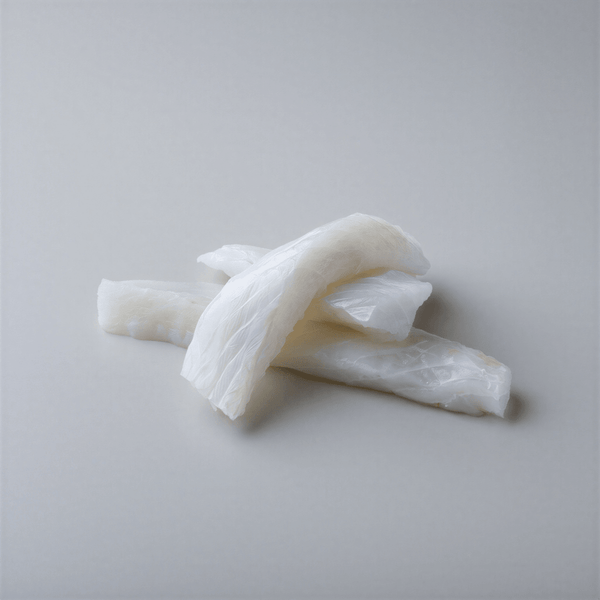
- Remove from the oil and let cool to room temperature. The cod will flake into perfect pieces when gently handled with your hands.
- Reserve the confit oil, which will have absorbed the cod flavor: it will be perfect for dressing the salad.

Preparing txangurro: disassembling a spider crab
If you're working with a whole cooked spider crab, this is the process to extract all the meat and coral:
- Separate legs and claws: Twist and pull off the legs with a sharp movement. Set aside.
- Open the shell: Insert your thumbs into the back (where the body and shell meet) and firmly pull apart.
- Extract the coral: The orange/red mass under the shell is the coral (roe or hepatopancreas). Remove it with a spoon into a bowl. It is the star ingredient of our rosé sauce.
- Clean the gills: Remove the gray gills (the "dead man's fingers") from the body. They are not toxic but are not eaten.
- Extract the meat: With a toothpick or a thin fork, extract the white meat from the body cavities, legs, and claws (use a nutcracker for the claws).
- Separate: White meat in one bowl (for the salad), coral in another (for the sauce).
From a medium spider crab (800g-1kg cooked), you will get approximately 200-250g of meat and 40-60g of coral.
Piperrada: the Basque touch
Piperrada is the quintessential Basque sofrito: peppers and onion slowly cooked until they confit and acquire an extraordinary natural sweetness.
Ingredients
- 2 Italian green peppers
- 1 large red pepper
- 1 sweet onion
- 3 tablespoons extra virgin olive oil
- A pinch of salt and a pinch of sugar
Preparation
- Cut the peppers into thin strips and the onion into julienne.
- Sauté over low heat with olive oil for 25-30 minutes, stirring occasionally. Don't rush: slowness is key.
- When they are completely tender and caramelized, add a pinch of sugar and raise the heat for 2 minutes to brown lightly. Season with salt and let cool.
The spider crab rosé sauce: the jewel in the crown
Forget commercial rosé sauce made with ketchup and mayonnaise. This rosé sauce uses spider crab roe as its base and is a completely different product: creamy, with a natural coral color and a deep marine flavor.
Ingredients
- 40-60 g spider crab coral
- 1 egg yolk
- 150 ml mild extra virgin olive oil
- 1 tablespoon lemon juice
- 1 teaspoon brandy or cognac
- Salt and white pepper
- 1 teaspoon sweet paprika (optional)
Preparation
- Blend the coral with the egg yolk until a homogeneous paste is obtained.
- Add the oil in a thin stream, emulsifying like mayonnaise. You can do this by hand (with a whisk) or with a hand blender.
- Add the lemon juice, brandy, salt, and pepper. If you want a more intense color, add the paprika.
- Pass through a fine sieve to remove any lumps. The result should be a silky, shiny, pink-orange sauce.
- Refrigerate for at least 30 minutes before use. It keeps for 2-3 days in the refrigerator.
Complete step-by-step recipe
Ingredients (4 servings as a main course)
- 400 g desalinated cod loin (confit as indicated above)
- 1 medium cooked spider crab (800 g-1 kg) or 200 g spider crab meat
- Piperrada (prepared as indicated above)
- Spider crab rosé sauce (prepared as indicated above)
- 100 g endive or mixed greens
- Fresh chives
- Cod confit oil
- Sherry vinegar
- Maldon salt
Assembly
- Base: Place a bed of green leaves (endive or mixed greens) on wide individual plates.
- Piperrada: Distribute spoonfuls of piperrada at room temperature over the leaves.
- Cod: Flake the confit cod into large pieces over the piperrada. Do not shred too much: large flakes are more elegant.
- Txangurro: Distribute the shredded spider crab meat over the cod.
- Rosé sauce: Using a spoon or kitchen squeeze bottle, distribute the spider crab rosé sauce in dots and lines over the salad.
- Final dressing: Drizzle with the confit oil and a few drops of sherry vinegar. Garnish with finely chopped chives and Maldon salt flakes.
Variations and adaptations
- Without spider crab: Substitute with brown crab (easier to find and more economical) or crab meat.
- Without piperrada: Use canned piquillo peppers, which are already roasted and ready.
- Warm version: Serve the cod and piperrada lukewarm (not cold) over the green leaves. The rosé sauce should always be cold.
- Optional additions: Poached quail egg, capers, black Aragon olives, sun-dried tomatoes.
- Individual presentation: Assemble in wide glasses or cups for a cocktail appetizer: a layer of piperrada, a layer of cod, a layer of txangurro, and rosé sauce on top.
Wine pairing for this salad
A salad with such flavor complexity deserves a wine to match:
- Txakoli from Getaria: The natural choice. Its refreshing acidity and subtle bubbles cut through the richness of the rosé sauce and complement the Cantabrian flavors. Serve very cold (6-8 °C).
- Albariño Rías Baixas: Fruity, saline, with good acidity. Perfect with spider crab and cod. Look for one with some aging on lees for more complexity.
- Verdejo from Rueda: If you prefer a wine with more structure. Verdejo wines with barrel fermentation provide enough body for the rosé sauce.
- Brut Champagne: For special occasions. The bubbles cleanse the palate between bites and the acidity balances the richness of the dish.