Quick summary: boquerones (Engraulis encrasicolus) are small fresh anchovies in vinegar or oil, with a mild and delicate flavor, 15-30 €/kg. Sardines (Sardina pilchardus) are larger (12-25 cm), have a more intense and fatty flavor, fresh or smoked, 8-25 €/kg. Herrings (Clupea harengus) are from the North Atlantic, with a powerful "Scandinavian smoked" flavor, 12-25 €/kg. Three small oily fish, three completely different profiles.
Boquerones, sardines, and herrings are the three most common small oily fish in European cuisine. They are often confused, especially boquerones and small sardines, and are frequently prepared as if they were interchangeable. They are not. Each has a clear identity, origin, flavor, and traditional preparations. This guide resolves the confusion.

Small oily fish: why it matters
Small oily fish (forage fish) are the foundation of the marine food chain and the best source of omega-3 EPA and DHA per euro. They are sustainable (short lifespan, high reproduction), low in mercury (they don't accumulate it because they are small and young), and very rich in nutrients.
The AESAN recommends consuming 2-3 servings of small oily fish per week as a source of omega-3, especially for pregnant women and children, who should avoid large fish (bluefin tuna, swordfish).
What is boquerón?
- Species: Engraulis encrasicolus (European anchovy / boquerón).
- Size: 10-20 cm, average weight 15-30g.
- Habitat: Mediterranean, Cantabrian Sea, Northeast Atlantic.
- Fishing: March-October, with artisanal purse seines.
- Key difference with anchovy: boquerón is the same species but is called so when consumed fresh or in vinegar. When cured in salt for 6-12 months, it is called anchoa (salted anchovy). Identical species, different technique.
- Flavor: delicate, mild, slightly "of the sea".
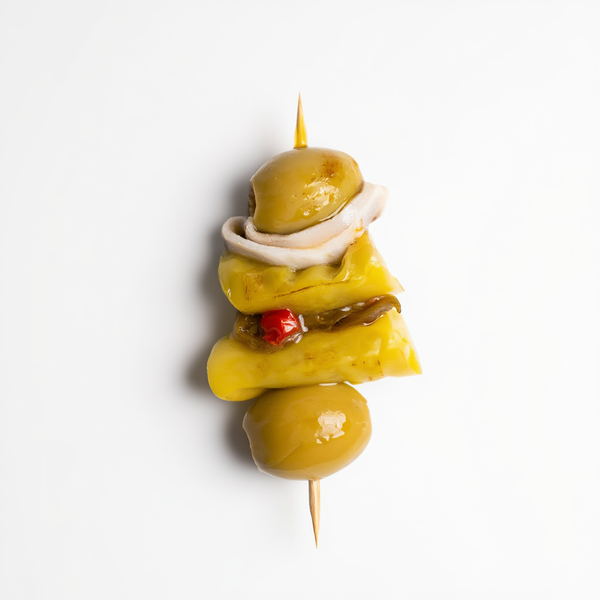
- Preparations: fried (Malaga-style boquerones a la malagueña), in vinegar with garlic and parsley, in a gilda with olive and chili pepper.
Gourmet Boquerón Fillets in Vinegar
Cantabrian boquerón marinated in sherry vinegar, garlic and olive oil. The quintessential Spanish appetizer.
What is sardine?
- Species: Sardina pilchardus (European sardine).
- Size: 12-25 cm, average weight 30-80g.
- Habitat: Northeast Atlantic (Galicia, Portugal), Mediterranean.
- Fishing: mainly May-October, with purse seines.
- Seasonality: the saying "sardine and woman in July" — sardines are at their fattest peak between June and September.
- Flavor: intense, fatty, "deep sea".
- Preparations: grilled (Malaga-style espetos), canned in oil or tomato, smoked, in Galician empanada.
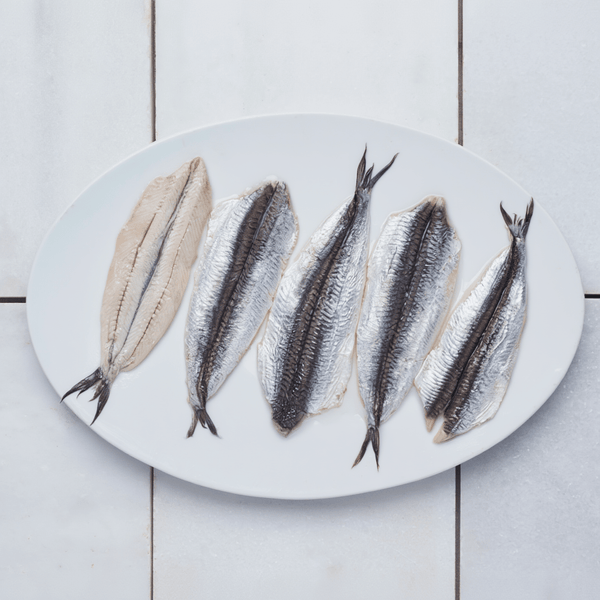
Fish Gourmet Smoked Sardine Loins 900g
Sardines cold-smoked with natural woods. Clean loins, ready for platters, salads or pasta.
What is herring?
- Species: Clupea harengus (Atlantic herring).
- Size: 25-40 cm, average weight 80-200g.
- Habitat: North Atlantic, North Sea, Baltic Sea.
- Fishing: year-round under strict EU/Norway quotas.
- Tradition: a staple of Nordic, Dutch, and German cuisine. Smoked, salted, in vinegar, fermented (Swedish surströmming).
- Flavor: powerful, "Scandinavian smoked" when smoked, always intense.
- Preparations: German rollmops, Dutch matjes, Norwegian sild in brine, English kipper (smoked).
Comparative table
| Characteristic | Boquerón | Sardine | Herring |
|---|---|---|---|
| Species | E. encrasicolus | S. pilchardus | C. harengus |
| Size | 10-20 cm | 12-25 cm | 25-40 cm |
| Weight | 15-30 g | 30-80 g | 80-200 g |
| Main origin | Mediterranean, Cantabrian Sea | Galicia, Portugal | North Sea, Baltic Sea |
| Fat content | 5-8% | 8-15% | 10-20% |
| Flavor | Mild, delicate | Intense, fatty | Powerful, traditionally smoked |
| Typical preparation | Vinegar, fried | Grilled, canned, smoked | Smoked, Nordic vinegar |
| Price €/kg (2026) | 15-30 €/kg | 8-25 €/kg | 12-25 €/kg |
| Omega-3 (EPA+DHA / 100g) | 1,500-2,000 mg | 2,000-2,500 mg | 2,000-3,000 mg |
Typical preparations: cultural identity
Each has its own gastronomic tradition:
Boquerón — Spanish Mediterranean cuisine:
- Boquerones in vinegar with garlic and parsley.
- Fried boquerones a la malagueña (breaded in flour).
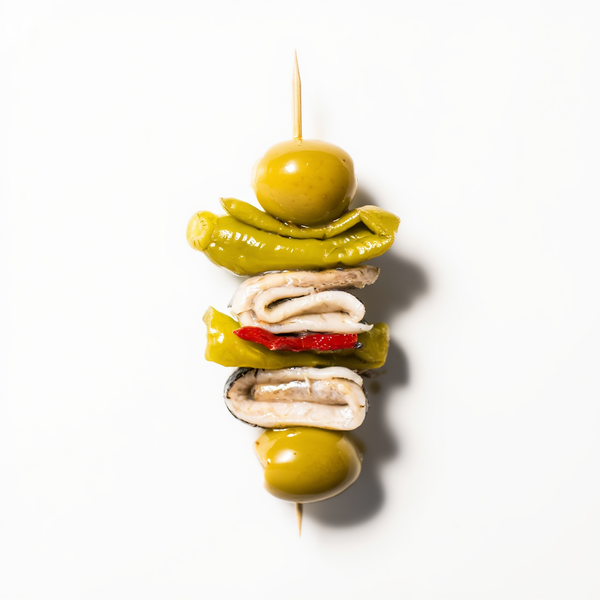
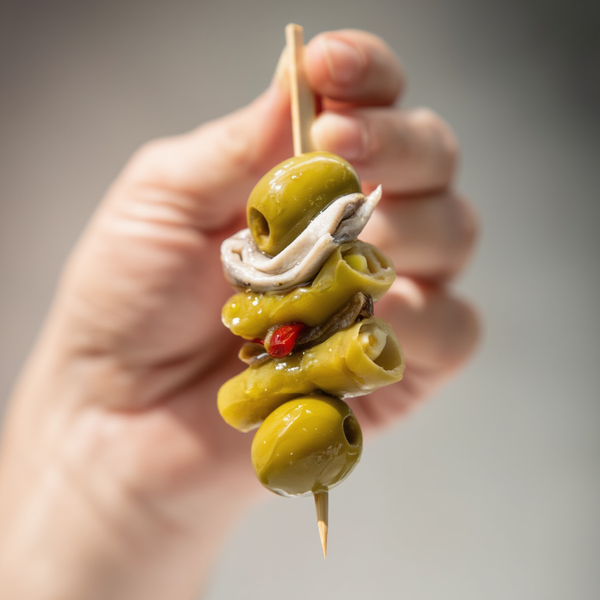
- Boquerón gilda with manzanilla olive and chili pepper.
- Salt-cured anchovy (same fish, different process).
Sardine — Atlantic and Mediterranean cuisine:
- Malaga espetos grilled over wood fire.
- Canned sardines (tomato, oil, escabeche).
- Cold-smoked sardine.
- Galician sardine empanada.
- Portuguese grilled sardines at popular festivals.
Herring — Nordic and Central European cuisine:
- Rollmops (fillet rolled with onion and pickle, in vinegar).
- Matjes (young fillet, lightly salted, sweet).
- Norwegian sild in brine.
- English kipper (whole smoked for breakfast).
- Swedish surströmming (fermented — extreme flavor).
Omega-3 and nutrition
Per 100g of product:
- Boquerón in vinegar: 1,500-2,000 mg EPA+DHA, 110 kcal, 18g protein, 6g fat.
- Sardine in oil: 2,000-2,500 mg EPA+DHA, 200 kcal, 22g protein, 12g fat.
- Smoked sardine: 2,000-2,500 mg EPA+DHA, 180 kcal, 24g protein, 9g fat.
- Smoked herring: 2,500-3,000 mg EPA+DHA, 220 kcal, 22g protein, 14g fat.
All three are excellent sources of omega-3, vitamin D, B12, and calcium (if eaten with bones). Sardines and herrings are slightly fattier, boquerones have the mildest profile.
Price €/kg in 2026
- Fresh boquerón at the fish market: 10-18 €/kg (depends on season).
- Premium jarred boquerón in vinegar: 25-35 €/kg.
- Fresh sardine: 6-12 €/kg.
- Premium canned sardine in oil (Dardo, Albo, La Brújula): 18-28 €/kg.
- Smoked sardine loins: 22-35 €/kg.
- Fresh / frozen herring: 8-12 €/kg.
- Smoked herring or rollmops: 15-25 €/kg.
- Nordic premium matjes: 20-30 €/kg.
These are three of the most affordable oily fish. Their greatest nutritional virtue at the lowest price.
When to choose each one?
Choose boquerón if:
- You want a mild appetizer to go with beer or vermouth.
- You're making light Mediterranean cuisine.
- You have guests who prefer delicate flavors.
- It's May-September (season).
Choose sardine if:
- You want a powerful "sea" flavor and satisfying protein.
- You're grilling (espetos) or making pasta with sardines.
- You're looking for omega-3 at the best price.
- It's June-September (the best sardine season).
Choose herring if:
- You like Nordic or German cuisine.
- You want an intensely traditional smoked flavor.
- You're making rollmops or smörgåsbord.
- You're looking for a powerful flavor that stays cold.
What we sell at Bacalalo
Of these three small oily fish, at Bacalalo we mainly work with Cantabrian boquerón (same origin as our anchovies) and artisanal smoked sardine. We don't feature whole herring as a main product, though it is an ingredient in our mújol Shikrán as a background smoked herring component:
Artisanal Boquerón Gilda
Boquerón in vinegar + manzanilla olive + Riojan chili pepper + piquillo pepper. The classic Basque appetizer, handmade.
Smoked Sardine Loins 120g
Small individual format. Cold-smoked sardine, boneless, ready for salads or toast.
Cantabrian Boquerones
Our entire selection of boquerones in vinegar, smoked, and gildas.
Sardines and Small Sardines
Sardines in oil, in tomato, smoked, and special formats.
Discover our premium selection
Seafood products carefully selected since 1990 at Mercat del Ninot, Barcelona. Refrigerated shipping in 24-48h.
Conclusion
Anchovies, sardines, and herring are three distinct small oily fish in terms of species, size, flavor, origin, and tradition. Anchovies are the finest and most Mediterranean. Sardines are the fattiest, most flavorful, and Atlantic-Mediterranean. Herring are the most potent and Nordic. All three are exceptional sources of omega-3s at a reasonable price and are the honest foundation of a heart-healthy diet. Don't confuse them, don't substitute them thoughtlessly — each has its own use and personality.
Frequently asked questions
Are anchovy (boquerón) and anchovy (anchoa) the same fish?
Is a sardinilla a small sardine?
Is herring the same as sardine?
Which oily fish has the least mercury?
Why do sardines make you gain more weight?
Which is best canned?
How many servings per week?
Can you eat them with bones?
Small oily fish during pregnancy?
Related articles
- Anchovy (Anchoa) vs Anchovy (Boquerón): detailed differences
- Oily fish vs white fish
- Spring anchovy vs coastal anchovy
- Collection: gourmet canned fish
About the author — Lalo González Rodríguez
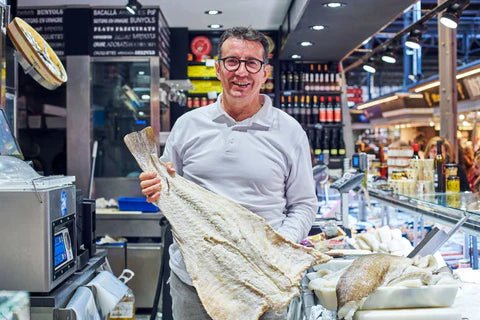
Third generation of Bacalalo in Mercat del Ninot (Barcelona). He has worked with cod since 1990 and personally selects suppliers in Iceland, Norway, Cantabria, and the Caspian Sea. He writes about the identity and true origin of seafood products.