In short: Andalusian fried anchovies (boquerones): special fish flour (wheat+chickpea blend), oil at exactly 180°C, small batches. Thin and crispy, juicy inside. Serve with lemon.
Table of Contents
The Andalusian technique: what makes it unique
Andalusian fried anchovies are one of Spain's most internationally recognized culinary techniques. It is distinguished by: special flour (blended with chickpea), oil at an exact temperature (180°C), small quantities per batch, and immediate frying after flouring (do not flour and wait).
The result is an anchovy with a thin, crispy crust, no greasy residue, and a juicy interior. If done well, it needs no sauce or accompaniment other than lemon.
Ingredients (4 servings)
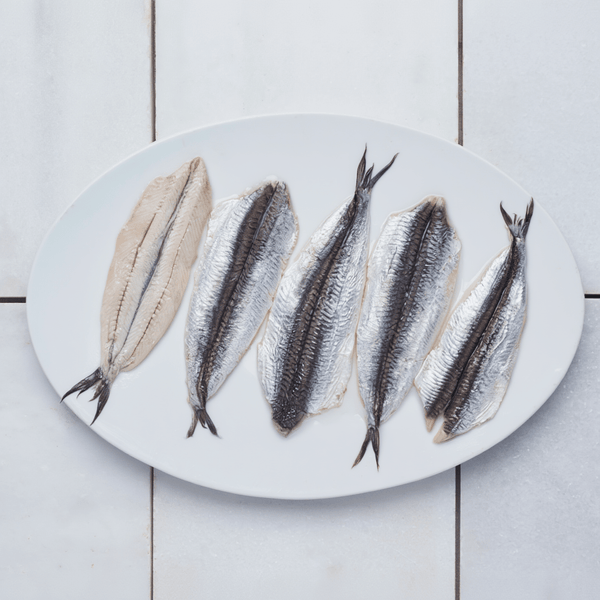
- 600 g cleaned anchovies (size 1 or 2), anisakis treated
- 150 g flour for frying fish (or homemade blend of 70/30 wheat/chickpea)
- Fine salt
- Mild olive oil or high oleic sunflower oil (700 ml)
- 2 lemons for serving
- Fresh parsley (optional, for garnish)
Step-by-step frying
- Thoroughly dry the anchovies with paper towels. Water causes the oil to splatter.
- Heat oil in a deep pan to 180°C. Test with a bread cube: it should brown in 30 seconds.
- Flour: place anchovies in a plastic bag with flour, shake well. Remove and shake off excess (this step is KEY: excess flour makes the anchovies stick together).
- Fry in batches of 6-8 anchovies, 1-2 minutes per side. Remove with a slotted spoon as soon as they are golden.
- Drain on paper towels to absorb excess oil.
- Serve immediately with lemon wedges on the side and, optionally, a pinch of Maldon salt on top.
Regional variations
Málaga style: flour with a pinch of sweet paprika. More orange color.
Cádiz style: pure chickpea flour. More intense crispiness.
Seville style: add virgin olive oil at the end of the dish.
Tempura fried: tempura batter instead of dry flour. Fluffier, different but delicious.
Common mistakes
Oil not at temperature. Anchovies absorb oil and become greasy.
Too many anchovies at once. Lowers oil temperature, and they steam instead of fry.
Excess flour. Causes them to stick together and form too thick a crust.
Not drying before. Water + hot oil = dangerous splatters.
Oil reused too many times. After the 3rd frying, the oil darkens and imparts a burnt flavor.
Serving and pairing
In the south, they are served in a basket with wax paper, nothing more. Lemon on the side. Cold Cruzcampo, Alhambra, or Victoria beers are the classic pairing. Cold Manzanilla de Sanlúcar also works exceptionally well.
Premium Cantabrian Anchovies
Fresh Cantabrian anchovies, anisakis treated. Ready for your frying. Refrigerated shipping.
Frequently asked questions
What flour is used for Andalusian-style anchovies?
What temperature should the oil be?
Why do they stick together when frying?
How much oil do I need to fry properly?
Lemon before or after?
What anchovies are best for Andalusian-style frying?
How to prevent the kitchen from smelling like frying?
To conclude
If you master Andalusian fried anchovies, you master one of Spain's most iconic tapas. The key is the temperature (180°C) and the flour ritual (in a bag, shaken). With fresh Cantabrian anchovies, the result is almost unbeatable.
All anchovy and boquerones products
Premium cans, fresh, smoked. For frying, for vinegar, for tapas. Artisan selection.