Summary — Pickled Bonito: Pickling is one of Spain's oldest preservation techniques, and albacore tuna (bonito del norte) is its best canvas. Fried bonito slices, submerged in a broth of sherry vinegar, olive oil, onion, garlic, bay leaf, and paprika. It's prepared in 50 minutes and improves with age. We also tell you how to choose the best pickled bonito preserves.
What is escabeche? History and technique
Escabeche is one of the oldest culinary techniques on the Iberian Peninsula. Its origin is Arabic — the word comes from the Arabic sikbāj, a sweet and sour meat stew with vinegar — and it arrived in Spain during the eight centuries of Muslim presence. The Spanish adapted it to fish and perfected it, turning it into one of the pillars of Iberian gastronomy.
The technique is elegant in its simplicity: the fish is fried, a vinegar broth is prepared with oil, spices, and aromatic vegetables, and the fried fish is submerged in this hot broth. The acidity of the vinegar and the layer of oil create a hostile environment for bacteria, preserving the fish for weeks without refrigeration. It was travel food, Lenten food, pantry food — food with a purpose.
But escabeche is not just a preservation technique: it's a cooking method that transforms the flavor of the fish. The acids in the vinegar slightly break down the proteins, the oil infused with spices penetrates the flesh, and the aromatic vegetables permeate everything with their flavor. The result is a dish that gets better with each passing day in the refrigerator.
Why albacore tuna is perfect for pickling
Although escabeche works with almost any fish — sardines, mackerel, trout, partridge (yes, even meats) — albacore tuna (Thunnus alalunga) is arguably its finest expression. And there are objective reasons:
- White, firm flesh: Unlike red tuna, albacore has light-colored flesh that maintains its structure when fried and marinated in the escabeche. It doesn't fall apart or become mealy.
- Delicate flavor: Its flavor is milder than light tuna, which allows the aromas of the escabeche (vinegar, bay leaf, paprika) to express themselves without competing with an overly powerful fish.
- Intramuscular fat: As an oily fish, it has fat infiltrated in the muscle that melts during cooking and acts as a flavor vehicle. This fat absorbs the spices from the escabeche and distributes them in every bite.
- Texture after marinating: After 24-48 hours submerged in escabeche, albacore tuna achieves a silky texture — firm yet melt-in-your-mouth — which is the hallmark of perfect escabeche.
Albacore tuna season is between June and October, when it travels up the Cantabrian Sea following warm currents. That's the time to make it fresh. The rest of the year, frozen bonito works perfectly for escabeche — the technique compensates for any difference. If you're interested in learning more, our albacore tuna guide gives you all the context.
Recipe: Homemade pickled bonito
This is the classic escabeche recipe — the same one that has been made in Spain for centuries, with adjustments born from experience. No shortcuts, no unusual ingredients, with artisanal cannery results.
Ingredients (4 servings)
- 600 g fresh albacore tuna, in 2 cm thick slices
- Flour for coating
- 200 ml extra virgin olive oil
- 200 ml sherry vinegar (or white wine vinegar)
- 200 ml water
- 2 medium onions, julienned
- 6 whole garlic cloves, peeled
- 2 bay leaves
- 1 teaspoon sweet paprika from La Vera
- 8-10 black peppercorns
- 1 teaspoon salt
- 1 carrot, sliced (optional)
- 1 sprig fresh thyme (optional)
Preparation (20 min prep + 30 min cooking)
- Prepare the bonito: Lightly salt the slices and let them rest for 10 minutes. The salt draws out moisture and helps the flour adhere. Pat dry with paper towels.
- Fry the bonito: Flour the slices, shaking off any excess. Fry in hot olive oil (180°C) for 1-2 minutes per side until golden. Do not overcook — the bonito should remain juicy inside because it will continue to cook in the hot escabeche. Set aside on absorbent paper.
- Sauté the vegetables: In the same oil (filter if it has flour residue), lower the heat to medium and sauté the julienned onion with the whole garlic cloves for 8-10 minutes until transparent and starting to caramelize.
- Add the spices: Add bay leaf, carrot, black peppercorns, thyme, and sweet paprika. Stir for 30 seconds — paprika burns quickly, so pay attention.
- Pour in the liquids: Add the sherry vinegar and water. Increase the heat and bring to a boil. Simmer for 5 minutes so the vinegar loses its harshness but retains its acidity.
- Assemble the escabeche: Place the fried bonito slices in a deep glass or earthenware dish. Pour the hot escabeche with all the vegetables and spices over them. The bonito should be completely submerged.
- Marinate: Let cool to room temperature, cover, and refrigerate for a minimum of 12 hours. Optimal flavor is reached at 48 hours.
Albacore tuna preserves and more
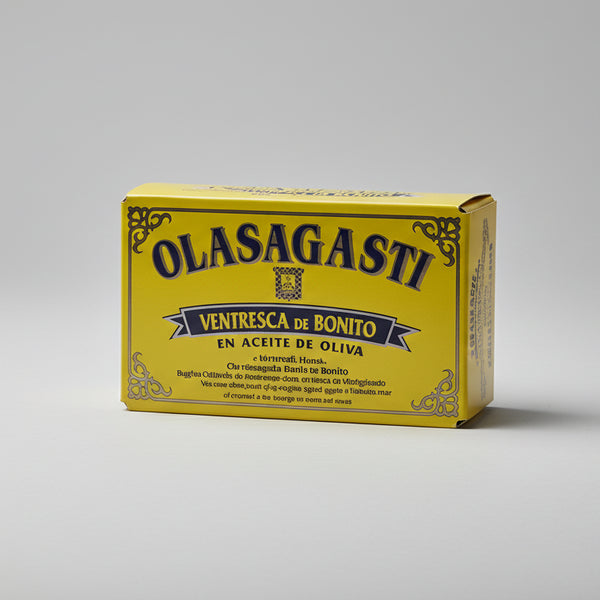
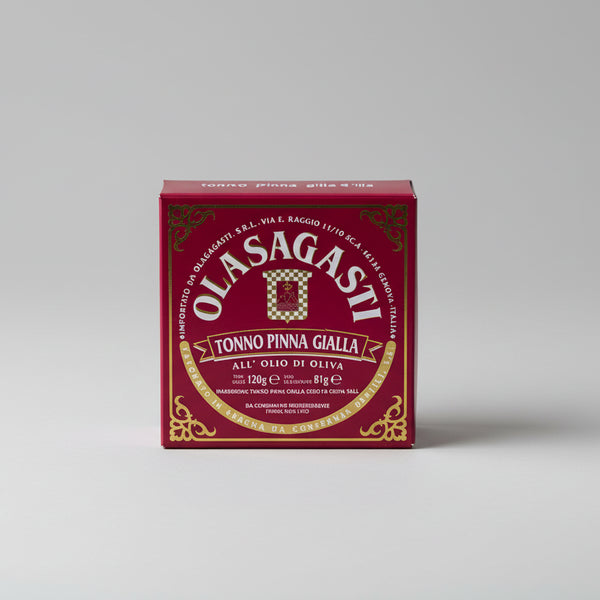
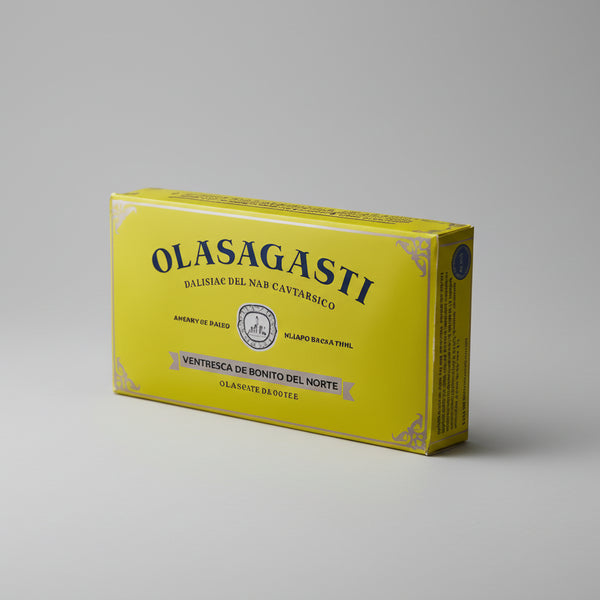
If you prefer the convenience of a quality preserve, at Bacalao we select the best artisanal fish preserves.
7 tips for a perfect escabeche
- Don't overcook the bonito when frying: The most common mistake. The bonito will continue to cook when you cover it with the hot escabeche. If you fry it too much, it will be dry and crumbly. Brown it on the outside and leave it pink on the inside.
- Sherry vinegar, not white wine vinegar: Sherry vinegar has depth, woody notes, and a rounder acidity. The result is more complex. If you only have white wine vinegar, it works, but it's not the same.
- 1:1:1 ratio: Oil, vinegar, and water in equal parts is the classic ratio. If you want it milder, increase the water. If you want it more intense, increase the vinegar. But 1:1:1 is the working starting point.
- Add the paprika at the end of the sauté: Maximum 30 seconds with the heat. If you add it earlier and it burns, it will bitter the entire escabeche.
- Glass or earthenware dish: Never metal (vinegar reacts). Glass is ideal because it doesn't absorb flavors and you can see the bonito submerged.
- Minimum 12 hours, ideally 48: Escabeche needs time. At 12 hours it's good, at 24 it's better, at 48 it's exceptional. The flavors integrate, the flesh absorbs the liquid, and the vinegar softens.
- Serve at room temperature: Take the escabeche out of the refrigerator 20-30 minutes beforehand. When cold, it loses aroma and the oil fat partially solidifies.
The best pickled bonito preserves
If you don't want to make homemade escabeche — or want to always have pickled bonito ready in the pantry — preserves are the alternative. But not all are created equal. There are abysmal differences between an industrial preserve costing €1.50 and an artisanal one costing €6.
What to look for in a quality preserve
| Indicator | High quality | Low quality |
|---|---|---|
| Species | Albacore tuna (Thunnus alalunga) | Yellowfin tuna or unspecified |
| Oil | Extra virgin olive oil | Sunflower oil or "vegetable oil" |
| Vinegar | Wine or Sherry vinegar | Alcohol vinegar, acetic acid |
| Vegetables | Visible whole onion, garlic, carrot | No vegetables or only "natural flavors" |
| Texture | Whole, firm slices | Crumbly, pasty texture |
| Price (110-120g) | €4-8 | €1-2 |
To choose the best fish preserves in general — bonito, tuna, sardines, mussels — we have a complete guide to fish preserves where we analyze brands, types, and quality criteria. And if you're interested in tuna specifically, our canned tuna guide covers everything you need to know.
How to choose a pickled bonito preserve
Beyond the table above, these details will help you make the right choice:
- Read the ingredient list in order: The first ingredient should be "bonito del norte" or "Thunnus alalunga." If it just says "tuna" or "light tuna," it's not albacore tuna.
- Look for "artisanal production": Artisanal canneries usually process bonito manually, cutting and packing by hand. The result is more intact pieces and better texture.
- Origin: Canneries in the Cantabrian region (Santoña, Bermeo, Getaria, Galicia) have a centuries-old tradition in bonito. It's not an absolute guarantee, but it is an indicator.
- Packing date: Pickled bonito preserves improve with time (up to 4-5 years). A 2-year-old preserve is usually better than a freshly made one because the flavors have fully integrated.
How to serve pickled bonito
Pickled bonito is a versatile dish that works as a tapa, starter, or main course depending on how you present it:
As a tapa (appetizer)
A slice of bonito on toasted bread, with a little of the escabeche juice poured over it and an onion from the escabeche itself. Serve with a small beer or a txakoli wine. This is the most popular way and what you'll find in any bar in northern Spain.
As a cold starter (summer)
Flaked bonito on a bed of sliced tomatoes and thinly sliced red onion. Dress with the oil from the escabeche. Add black olives and hard-boiled egg if you want more substance. It's the perfect summer salad.
As a main course (winter)
Warm pickled bonito served with country-style potatoes (patatas panadera) or mashed potatoes. Gently heat the escabeche (never boil) and serve as a stew. The potatoes absorb the escabeche juice, and the result is comforting without being heavy.
In a modern salad
Flaked pickled bonito over a mix of baby lettuces, with avocado, cherry tomatoes, quick-pickled onion, and a dressing made from the escabeche itself. It provides protein, omega-3s, and a flavor that no grilled chicken can match.
Variations of classic escabeche
Escabeche allows for variations that respect the basic technique but add different nuances:
- Oriental escabeche: Replace paprika with grated ginger, add soy sauce and rice vinegar instead of sherry vinegar. Finish with toasted sesame seeds and fresh spring onion. It works surprisingly well.
- Mild escabeche (for children): Reduce the vinegar by half and double the water. Omit the pepper. Add a tablespoon of honey. This is the version for palates that find classic escabeche too intense.
- Citrus escabeche: Replace half of the vinegar with orange juice. Add lemon and orange zest. The citrus acidity is milder and provides freshness. Ideal for summer.
- Smoked escabeche: Use smoked paprika from La Vera (instead of sweet) and add a pinch of chipotle. The smoky flavor enhances the bonito's taste and adds depth. For those who like intense flavors.
Preservation and home sterilization
If you want to preserve pickled bonito for months in the pantry, you need to sterilize it:
- Prepare the pickled bonito following the recipe above.
- Sterilize the jars: Boil glass jars with screw-on lids (Le Parfait type) for 15 minutes. Drain upside down on a clean cloth.
- Pack while hot: Fill the jars with the bonito and hot escabeche, leaving 1 cm free to the rim. Ensure there are no air bubbles.
- Seal and sterilize: Close the jars firmly. Place them in a large pot covered with water. Boil at 100°C for 40-50 minutes.
- Cool gradually: Turn off the heat and let the jars cool in the water. Do not remove them while hot — thermal shock can break the glass.
- Check the seal: Once cool, check that the lid is concave (indented inward). If you can press it and it "clicks," it hasn't properly vacuum-sealed — consume these jars first.
Duration: Properly sterilized jars last up to 12 months in a cool, dark pantry. Once opened, consume within 5-7 days, keeping them refrigerated.
🛒 Our premium alternative
⭐ 4.9/5 · 24-48h refrigerated delivery · Since 1990 at Mercat del Ninot
Conclusion
Pickled bonito is one of those preparations where Spanish tradition reaches the sublime. An ancient preservation technique that also turns out to be an extraordinary cooking method — the vinegar, oil, and spices transform the bonito into something that improves with each passing day in the refrigerator.
Making it at home is accessible to anyone: 50 minutes of active work and then patience. The result rivals the best artisan canned goods and gives you complete control over the ingredients and the intensity of the pickle. And if you prefer convenience, quality canned goods are an excellent alternative, provided you know what to look for.
Explore our northern bonito guide to learn more about this exceptional fish, and discover more ways to enjoy quality canned goods in our fish canning guide.
Premium canned fish
Northern bonito, tuna, sardines, mussels — we select the best artisan canned goods from Cantabria and Galicia.
Frequently Asked Questions about Pickled Bonito
What is the difference between northern bonito and tuna for pickling?
Northern bonito (Thunnus alalunga) has whiter meat, a finer texture, and a more delicate flavor than red or skipjack tuna. It is the premium choice for pickling because it absorbs the flavors of the vinegar and spices better without its own flavor being lost. Skipjack tuna also works but the result is less refined.
How long does homemade pickled bonito last?
In a well-sealed glass jar, in the refrigerator: 2-3 weeks. The pickle acts as a natural preservative. If you can it using a water bath (sterilization for 40-50 minutes), it can last up to 12 months in the pantry unopened.
Can bonito be pickled without frying the fish?
Yes, it's a lighter variation. You can steam the bonito or gently poach it before submerging it in the hot pickle. Another modern option is cold pickling: marinating without cooking for 24-48 hours.
Which vinegar is best for pickling?
Sherry vinegar is our recommendation: depth, woody notes, and rounded acidity. White wine vinegar is classic. Apple cider vinegar gives a milder touch. Avoid balsamic (too sweet) and alcohol vinegar (too aggressive).
Is pickling healthy?
Yes. It retains the properties of oily fish (omega-3, proteins, vitamin D), olive oil provides monounsaturated fats, and vinegar has digestive properties. It is a nutritionally complete dish.
Can I use frozen bonito?
Yes, it works well. Thaw slowly in the refrigerator, pat dry thoroughly with paper towels before flouring. The result is practically identical to fresh if frozen correctly.
What are the best canned pickled bonito products?
Ortiz, Olasagasti, and Arroyabe are benchmarks. Look for northern bonito (not skipjack tuna), artisanal preparation, and olive oil. Fair price: €4-8 per 110-120g can.
What goes well with pickled bonito?
As a tapa: toasted bread with the pickling juice. As a main dish: salad, boiled potatoes, or white rice. The onions from the pickle are an accompaniment in themselves. Cold in summer, warm in winter.