Summary: Romescada is one of the most representative dishes of the Camp de Tarragona seafood cuisine, and one of the least known outside of Catalonia. It is the result of applying romesco sauce—the most famous of Catalan gastronomy—as the base for a fish stew: in this case, desalted cod.
If romesco is a thick-textured sauce made from ñoras, tomato, garlic, almonds, hazelnuts, and olive oil, romescada is that same flavor transformed into a refined broth where cod is slowly cooked, absorbing all the nuances of the sauce and releasing its natural gelatin to bind the whole dish.
The result is a dish of exceptional flavor depth: the smoky sweetness of the ñoras, the toasted fat of the almonds and hazelnuts, the acidity of the tomato, and, above all, the clean marine flavor of quality cod that permeates the entire sauce. It is a hearty yet not heavy dish, with Mediterranean flavors that layer without overwhelming each other.
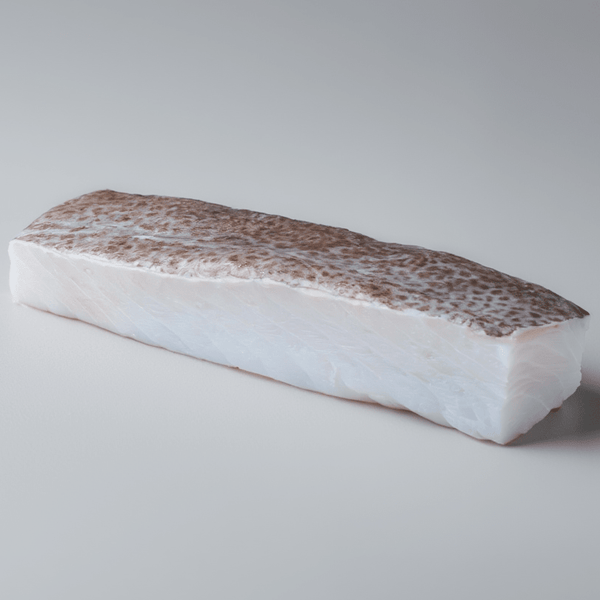
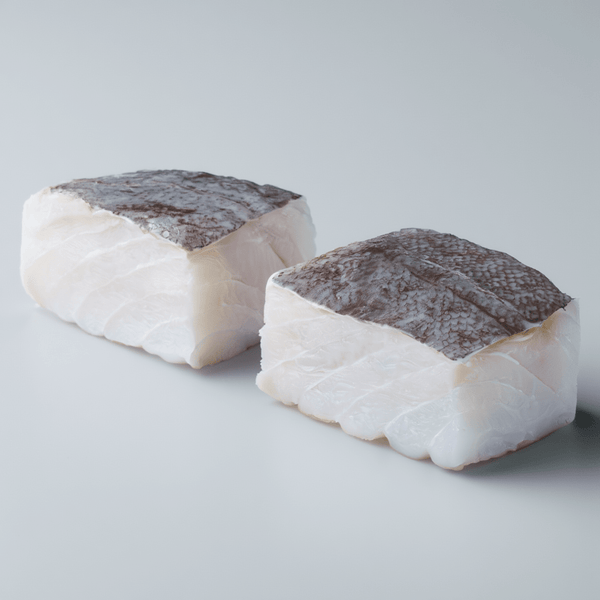
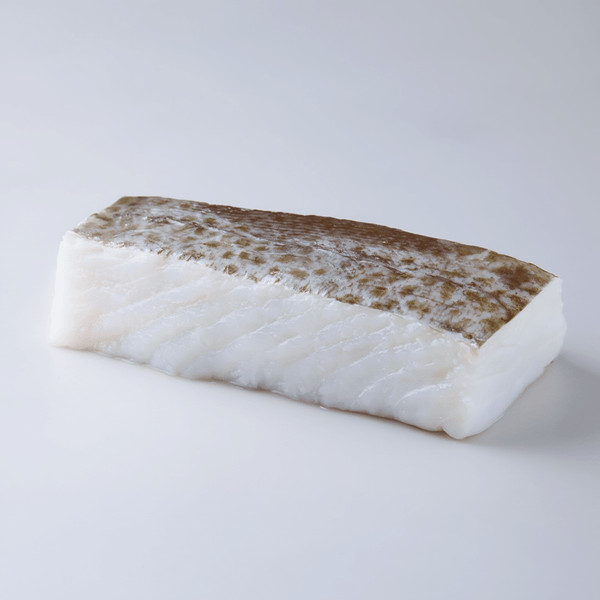
At Bacalalo, we have been working with cod in all its culinary dimensions since 1990 in Barcelona's Mercat del Ninot. Romescada is one of the dishes that best utilizes a quality loin: the cod is not only the main ingredient but also the element that gives meaning to the entire sauce.
Contents
- Romesco and Romescada: Two Different Things
- Ñoras: The Ingredient That Defines the Dish
- The Blending of Romesco: Ideal Texture
- Ingredients for 4 Servings
- Step-by-step Preparation
- How to Avoid Overcooking Cod in Romescada
- Romescada Variations
- Pairing: What to Drink with Romescada
- Traditional vs. Modern Presentation
- Bacalalo and Romescada: The Product That Makes the Dish Possible
Romesco and Romescada: Two Different Things
Before delving into the recipe, it is worth clarifying a distinction that many people confuse.
Romesco is a sauce. It is served cold or at room temperature as an accompaniment to vegetables (especially calçots), grilled meats, seafood, or as a dip. Its texture is dense, almost a thick paste, and it is spread on bread or used as a dipping sauce.
Romescada is a stew with fish. Romesco sauce is used as a liquid base in which fish—cod, monkfish, shrimp—is cooked slowly. The result is more soupy than pure romesco, with greater depth of flavor because the fish broth and the gelatin from the cod integrate into the sauce during cooking.
In other words: romesco is the sauce, and romescada is the application of that sauce as a fish stew.
Romescada originated in the fishing tradition of Camp de Tarragona (Tarragona, Reus, Salou), where fishermen prepared stews with the day's catch using local ingredients: ñoras from the garden, almonds from the farmhouses, garlic, and oil. Cod, as a readily available preserved fish year-round, gradually became incorporated into romescada alongside fresh fish.
Ñoras: The Ingredient That Defines the Dish
The most important ingredient in romescada, the one that gives it its unmistakable character, is the ñora. The ñora is a variety of dried red pepper, round in shape, primarily cultivated in Levante and Murcia, and plays a central role in Catalan and Mediterranean cuisine.
Unlike the pimiento choricero (from the Basque Country) or the ancho (from Mexico), the ñora has a sweet and slightly smoky flavor, with notes of dried fruit and little to no spiciness. It is this concentrated sweetness that gives romescada its character.
How to prepare ñoras:
Dried ñoras need to be rehydrated before use. There are two methods:
Method 1 (in cold water): Place the ñoras in a bowl with cold water and let them rehydrate for 2-3 hours. This is the longer method but best preserves the aromas.
Method 2 (in hot water): Place the ñoras in a bowl with very hot (almost boiling) water and leave for 20-30 minutes. Much faster, useful when you're in a hurry.
Once rehydrated, open each ñora in half, remove the stem and seeds, and scrape out the inner flesh with a spoon. This flesh is the ñora pulp, the ingredient you will use.
If you can't find ñoras:- Dried pimiento choricero: the closest substitute, although it gives a slightly different flavor (richer in umami, less sweet)
- Artisan dried red pepper from any origin: less common but works
- Ñora paste (canned, available in supermarkets): the most convenient option, although it loses some freshness
The Blending of Romesco: Ideal Texture
The texture of the romesco sauce used in romescada is different from that of romesco served as a dipping sauce: it is more fluid, less dense, so that the cod can cook within it without the sauce being too thick.
The ideal blending for romescada has small lumps but is not completely smooth: the almonds and hazelnuts should provide texture, and the tomato should remain in perceptible, albeit small, pieces. A too-fine blend loses the roughness that characterizes traditional romescada.
The right tool: A mortar and pestle is the traditional option and gives the best texture. An immersion blender is more practical but tends to blend too finely. If using a blender, do so in short pulses and stop before it becomes completely smooth.
Related Products from Bacalalo


Recommended Products

Natural Cod Foie Gras - 120g | Smoked Cod Liver from Iceland...
3,90 €

CHATKA Wild King Crab 60% Legs 40% Shredded Meat...
95,00 €

Smoked Cod Carpaccio Artisan Cut | 1 Pack...
15,90 €

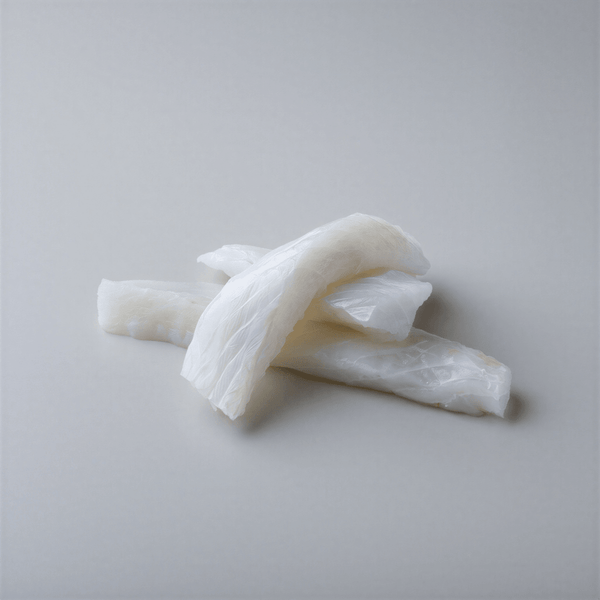
Dried Cod Tongues (1 tray) - 500g
19,95 €
Refrigerated shipping 24-48h throughout the Peninsula
Ingredients for 4 Servings
For the romescada sauce:- 3 dried ñoras (rehydrated and pulp scraped)
- 2 large ripe tomatoes (or 300g natural crushed tomatoes)
- 4 cloves of garlic
- 50g peeled toasted almonds
- 30g peeled toasted hazelnuts
- 1 slice of bread (day-old, fried or toasted)
- 1 teaspoon sweet paprika (or a sweet-spicy mix if preferred)
- 100ml extra virgin olive oil
- 150ml fish broth (or water if no broth is available)
- Salt and pepper
- 4 desalted cod loins (150-180g per loin)
- 1 medium onion
- 2 additional tablespoons olive oil
- Fresh parsley for garnish
Step-by-step Preparation
Step 1: Desalting the Cod
If using salt cod: desalinate it for 48 hours in cold water in the refrigerator, changing the water every 8-12 hours. For loins 3 cm thick, 3-4 water changes over 48 hours are sufficient. Taste a piece before cooking: it should taste like cod with a pleasant hint of salt, never overly salty.
Once desalted, pat the loins dry with kitchen paper. Pre-drying is essential to prevent the cod from releasing too much water into the pot and diluting the romescada.
Step 2: Prepare the Sauce Base
- Rehydrate the ñoras according to the chosen method (see previous section). Scrape out the pulp and set aside.
- In a frying pan with 2 tablespoons of oil, fry the slice of bread until golden brown on both sides. Set aside.
- In the same pan, fry the peeled whole garlic cloves over medium heat until golden (not burnt). Set aside.
- Peel the tomatoes (submerging them in boiling water for 30 seconds facilitates peeling) and chop them.
Step 3: Make the Sofrito Base
- In a wide, heavy-bottomed pot, heat 4 tablespoons of oil over medium heat.
- Sauté the finely chopped onion for 15-20 minutes, until transparent and starting to brown.
- Add the chopped tomato and cook over low-medium heat for another 20 minutes, until all the water has evaporated from the tomato and the sofrito has a thick consistency and intense color.
Step 4: Prepare the Blended Ñoras, Almonds, and Hazelnuts
In a mortar or with an immersion blender (in short pulses):- Crush or blend the fried garlic.
- Add the toasted almonds and hazelnuts. Crush or blend until they are in small pieces but not powder.
- Add the scraped ñora pulp.
- Incorporate the fried, chopped bread.
- Add the paprika.
- Blend or crush everything together until a rough, textured paste is obtained. It should not be completely smooth.
Step 5: Combine Sofrito and Blended Mixture
- Add the blended ñoras, almonds, and hazelnuts to the sofrito in the pot.
- Mix well and sauté everything together over medium heat for 5 minutes. This combined cooking integrates the flavors and removes the raw taste of the paprika.
- Gradually add the hot fish broth, stirring to integrate. The sauce should be soupy but not watery: a thick sauce consistency that covers the cod but doesn't drown it.
- Cook the sauce over low heat for 10 minutes. Taste for salt and adjust.
Step 6: Incorporate the Cod (the Critical Moment)
- Place the cod loins on top of the romescada with the skin side up (if they have skin). The cod should be partially submerged in the sauce.
- Cover the pot and cook over very low heat for 10-12 minutes. The cod will cook with the heat of the sauce and steam, absorbing the flavors of the romescada.
- Halfway through cooking, tilt the pot and baste the cod loin with the sauce using a spoon: this ensures even cooking and that the cod absorbs the romescada well.
The doneness of the cod: The cod is ready when the flakes begin to separate slightly when gently pressed. The flesh should be completely opaque on the outside but with a slight pearlescent center.
Step 7: Serve
Serve the cod loins in a deep plate with the romescada generously spooned over them. Garnish with fresh chopped parsley and a drizzle of quality extra virgin olive oil.
How to Avoid Overcooking Cod in Romescada
The most common mistake when making bacallà amb romescada is overcooking the cod. Once the cod loses its ideal point, there's no going back: the flakes fall apart, the texture disappears, and the dish loses its essence.
Signs that the cod is ready:- The flakes separate slightly when pressed with a finger
- The flesh is completely opaque on the outside
- The color has changed from translucent to pearly white
- The flakes fall apart without pressure
- The flesh is dry and fibrous when bitten
- It has visibly shrunk (released too much water)
The heat trick: During the last 5 minutes of cooking, work with the heat as low as possible and with the lid on. The residual heat from the romescada is enough to finish cooking the cod without the risk of overdoing it.
Romescada Variations
With potatoes
Add 2 medium potatoes, peeled and cut into cubes (3x3 cm), to the sofrito before adding the broth. Simmer the potatoes until almost tender (15-20 minutes) before incorporating the cod. The potato absorbs the romescada and makes the dish heartier and more complete.
With shrimp and cod
In some versions from Camp de Tarragona, shrimp or langoustines are added to the romescada along with the cod. The shrimp are incorporated in the last 3-4 minutes of cooking. Seafood adds an additional seafood flavor that enriches the sauce.
With monkfish in addition to cod
Monkfish and cod are a classic combination in Catalan seafood stews. Monkfish provides firmness and a different flavor to cod. Use the same amount of cod but substitute one or two loins with monkfish tail medallions. The cooking time is similar.
Version with pan con tomate as an accompaniment
Romescada is traditionally served with pa amb tomàquet: toasted country bread, rubbed with ripe tomato and drizzled with olive oil. The bread acts as a vehicle for the leftover romescada in the dish and completes the meal impeccably.
Pairing: what to drink with romescada
Romescada has an intense and complex flavor profile: the sweetness of the ñoras, the richness of the almonds, the brininess of the cod. It needs drinks that have their own personality but don't compete.
Light red wine: A young, unoaked Priorat Garnacha with a medium body and soft tannins. Or a Penedès Pinot Noir. The tannins of a light red complement the richness of the almonds and hazelnuts and balance the seafood flavor of the cod better than one might expect.
Full-bodied white wine: An Empordà Garnatxa Blanca, a Viognier, or a Chardonnay with short barrel aging. The weight of a full-bodied white wine stands up well to the intensity of the romescada.
Cava brut nature: The acidity and bubbles cleanse the palate between bites. Penedès Cava has the acidity and minerality that balance the richness of the romescada.
Alcohol-free: A cold sparkling water with a slice of lemon. The carbonation cleanses the palate in the same way as cava bubbles.
Traditional vs. modern presentation
Traditional presentation
Served in an earthenware pot directly at the table. The cod submerged in the romescada, with chopped parsley on top and pan con tomate (bread with tomato) on the side. The hot pot in the center of the table and each diner serving themselves directly. This is the presentation in the eateries of Camp de Tarragona, simple and direct.
Modern restaurant presentation
In a deep white plate, the cod fillet centered with the skin facing up (if it has crispy skin), the romescada poured around it like a well-finished sauce, not a stew, a whole toasted almond on top to indicate the ingredient, a few drops of extra virgin olive oil, and a sprig of parsley. The same dish, a different interpretation.
Frequently asked questions about bacallà amb romescada
Can choricero peppers be used instead of ñoras?
Yes, it is the most valid substitute. Choricero pepper has a more intense flavor, richer in umami, and less sweet than ñora. The result of romescada with choricero is equally good but with a different character: more Basque than Catalan. Use the same amount (3 dried peppers).
How long do leftovers last?
Romescada without cod lasts up to 3 days in the refrigerator and freezes perfectly. Romescada with cod already incorporated lasts 24-36 hours in the refrigerator, but the cod loses texture when reheated. We recommend storing the sauce separately and adding fresh cod when reheating.
Can it be made with fresh cod instead of desalted cod?
Yes. Fresh cod has a milder flavor and a different texture. With fresh cod, the cooking time is similar (8-10 minutes) but the result is less intense in flavor than with desalted cod. If using fresh cod, season with salt before adding it to the romescada.
Are hazelnuts essential or can I use only almonds?
Hazelnuts give a different nuance than almonds: softer, sweeter, with a slight bitterness that balances the richness of the almond. If you don't have hazelnuts, use only almonds (increase the amount to 70-80g). The result is equally good, although the romesco profile changes.
Does romesco use fried or toasted bread?
Traditional romescada uses day-old bread fried in olive oil. Fried bread contributes to the texture and provides fat from the frying oil. Toasted bread (in a toaster or oven) gives a slightly different result: drier, less fatty. Both options are valid.
Can I make romescada without nuts for allergy sufferers?
Technically yes, but it loses an essential part of its character. The texture and flavor of almonds and hazelnuts are defining of the dish. For nut allergy sufferers, a romescada without nuts is basically a ñora and tomato sauce: equally good but different in essence.
Does romescada contain wine?
In some traditional versions, a glass of dry white wine is added to the sofrito before the fish broth. The wine adds acidity and complexity. If you add it, let the alcohol evaporate (2-3 minutes over high heat) before adding the broth.
Which part of the cod is best for romescada?
The upper loin (morro or center de llom) is the juiciest part and the one that best withstands cooking in a stew without drying out. The tail, leaner, dries out more easily with prolonged cooking. For romescada, reserve the upper loin and use the tail for faster preparations such as grilling.
Can I add the Catalan picada (almonds, garlic, bread, saffron) at the end instead of at the beginning?
Yes, that's another way to do it. Some versions incorporate a picada at the end of cooking to thicken and enrich the sauce at the last moment. The difference is in the flavor: added at the beginning, the picada is fully integrated into the sauce. Added at the end, it provides a fresher and more intense nut flavor.
Why is my sauce too thick?
Add hot fish broth spoonful by spoonful until you get the desired consistency. Romescada should have body but not be so thick that it doesn't move. The correct consistency is that of a sauce that covers the cod but flows if you tilt the pot.
Can romescada be made vegetarian?
The romescada sauce itself is completely vegan (ñoras, tomato, almonds, hazelnuts, oil). You can substitute fish broth with vegetable broth. The vegetarian version of romescada is delicious as a sauce for roasted vegetables, especially calçots, peppers, or eggplant.
Should I use intense flavored olive oil or a mild one?
For romescada, a medium-flavored extra virgin olive oil (Arbequina, Hojiblanca) balances well without competing with the ñoras and nuts. A very intense oil (Picual) can mask the more delicate nuances of the romesco. For the final drizzle of oil added when plating, use the best oil you have.
Bacalalo and romescada: the product that makes the dish possible
Romescada is a dish that amplifies the flavor of cod. Such an intense and aromatic sauce could overpower mediocre cod, but what quality cod does in romescada is exactly the opposite: it integrates into the sauce, contributes its natural gelatin to bind the whole, and maintains its own identity even within all that complexity of flavors.
At Bacalalo, since 1990 in the Mercat del Ninot in Barcelona, we make a personal selection of the loins that arrive at our shop. For romescada, we recommend the upper loin: it has the intramuscular fat and collagen that make the cod cook perfectly in stew, release its gelatin to bind the sauce, and maintain its juicy flaky texture.
Romescada is a dish that requires good ingredients and patience. The sauce needs its cooking time. The cod needs its exact point. When everything aligns, the result is one of the most satisfying stews in Mediterranean cuisine.
You can buy our desalted cod at bacalalo.com with refrigerated shipping throughout Spain. If you are in Barcelona, find us at the Mercat del Ninot: we have been helping dishes like romescada turn out just right since 1990.
Discover more