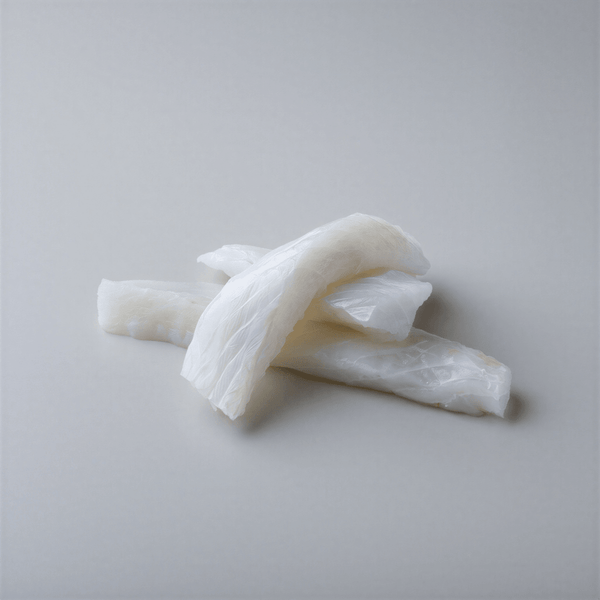


Arengada is the smoked herring of Catalan tradition. For centuries, it was the fish of Lent in Catalonia — cheap, durable, and with an unmistakable smoky flavor. Today, it is an almost forgotten product that deserves to be rediscovered. This is its history, how it is prepared, and where to find it.
Contents
- What is Arengada
- History in Catalonia: from Lent to the table
- The traditional smoking process
- How to eat arengada
- 3 ways to prepare arengada
- Arengada vs kipper vs bückling
- Where to buy arengada today
- Nutritional value
- Frequently Asked Questions
- Conclusions
What is arengada
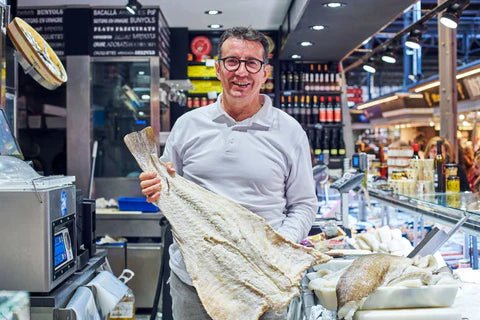
Updated March 2026. Every day at Mercat del Ninot we see what works and what doesn't. This is our real experience.
Arengada is a herring (Clupea harengus) smoked cold or hot, traditionally whole and uneviscerated. The name comes from the Catalan areng (herring) with the suffix -ada, which indicates preparation or result. It is, literally, a "prepared herring".
Herring is a fatty fish from the North Atlantic and the North Sea, historically abundant and cheap. Smoked, it can be stored for weeks without refrigeration — which made it the perfect food for Lent, when the Catholic Church prohibited meat consumption for 40 days.
In Catalonia, arengada was a mass-consumed product for centuries. Street vendors would hawk it through the streets ("Arengades, arengades fresques!"), and its smoky smell was so characteristic that it permeated entire neighborhoods during Lent. Today it is a niche product that few know about and even fewer commercialize.
History in Catalonia: from Lent to the table
The arrival of smoked herring in Catalonia is documented since the Middle Ages, when merchant ships brought barrels of salted and smoked herring from the North Sea (Netherlands, Denmark, Norway) to Mediterranean ports.
The trade was so important that the Gremi de Salabrosos (guild of cured meat sellers) was a powerful institution in medieval Barcelona. Arengadas were sold in the Santa Caterina market and in street stalls in Barceloneta and El Raval.
Its consumption was linked to the liturgical calendar:
- Lent (February-April): the period of maximum demand. Arengada was the most accessible protein for the popular classes during the 40 days of meat abstinence.
- Ash Wednesday: official start of the "arengada season".
- Good Friday: the last big day of consumption.
- Advent: second peak of demand, before Christmas.
With modernization, the improvement of the cold chain, and secularization, the consumption of arengada plummeted from the 1960s onwards. Today it survives as a gastronomic curiosity, but it deserves a better fate.
The traditional smoking process
Herring smoking follows a process that has not changed substantially in centuries:
- Salting: herrings are immersed in brine (salt-saturated water) for 6-24 hours, depending on the desired degree of preservation.
- Drying: they are hung on wooden rods and air-dried for several hours. The surface must be dry before smoking.
- Smoking: they are smoked with beech, oak, or alder wood for 8-24 hours. Smoking can be cold (below 30°C, which preserves without cooking) or hot (70-80°C, which cooks and smokes simultaneously).
- Resting: after smoking, the pieces are left to rest so that the flavors settle.
The result is a golden, firm fish with an intense smoky aroma and a flavor that combines the fat of the herring with the smoke of the wood. It is an ancestral flavor — the same one that Catalans tasted in the 14th century.

Smoked Salmon Crepes (2 units) - 400g
Available at Bacalalo.com with refrigerated shipping in 24-48h
How to eat arengada
The traditional Catalan way is direct and uncomplicated:
- Open the arengada in half, removing the central spine.
- If it is very salty, soak it in milk or water for 30 minutes.
- Grill or pan-fry it for 2-3 minutes per side — just to heat it and lightly toast it.
- Serve it on bread with tomato (pa amb tomàquet) with a drizzle of olive oil.
That's all. Bread, tomato, arengada, oil. The combination of the smoked flavor with grated tomato and olive oil is one of the most honest in Catalan cuisine.
At Mercat del Ninot, the oldest customers still ask for it this way: "una arengada per sucar el pa" (an arengada for dipping bread). It is a gesture that connects with generations of Catalans who ate the same thing during Lent.
3 ways to prepare arengada
1. Grilled arengada with pa amb tomàquet
The classic. Clean the arengada, butterfly it open, remove the spine. Place it on a very hot grill or griddle for 2 minutes per side. Serve on pa amb tomàquet with extra virgin olive oil. The smoked flavor, tomato, and crunchy bread form a perfect trio.
2. Arengada salad with beans and onion
Shred the arengada (raw if hot-smoked, or after grilling if cold-smoked). Mix with cooked white beans, thinly sliced spring onion, chopped cherry tomatoes, and arbequina olives. Dress with Sherry vinegar and oil. It's an updated Lenten dish.
3. Pasta with arengada and capers
Sauté sliced garlic and chili in oil. Add shredded arengada and a handful of capers. Mix with al dente spaghetti and a splash of cooking water. It's the Catalan version of pasta with anchovies — more intense, more rustic, more smoky.
Arengada vs kipper vs bückling
| Product | Species | Processing | Origin | Flavor |
|---|---|---|---|---|
| Arengada | Whole herring | Salted + smoked (cold or hot) | Catalonia / Mediterranean | Intense smoky, salty |
| Kipper | Butterfly-cut herring | Lightly salted + cold smoked | Great Britain | Mild smoky, buttery |
| Bückling | Whole herring | Hot smoked (cooked) | Germany / Baltic | Smoked + cooked, golden |
| Bloater | Whole uneviscerated herring | Lightly salted + very lightly smoked | Great Britain (Yarmouth) | Very mild, slightly gamey |
| Smoked sardine | Sardine (Sardina pilchardus) | Hot smoked | Galicia / Portugal | More delicate than herring |
Catalan arengada is closer to German bückling than to British kipper in terms of flavor intensity. For those who prefer something milder, smoked sardines are the most accessible Mediterranean alternative.

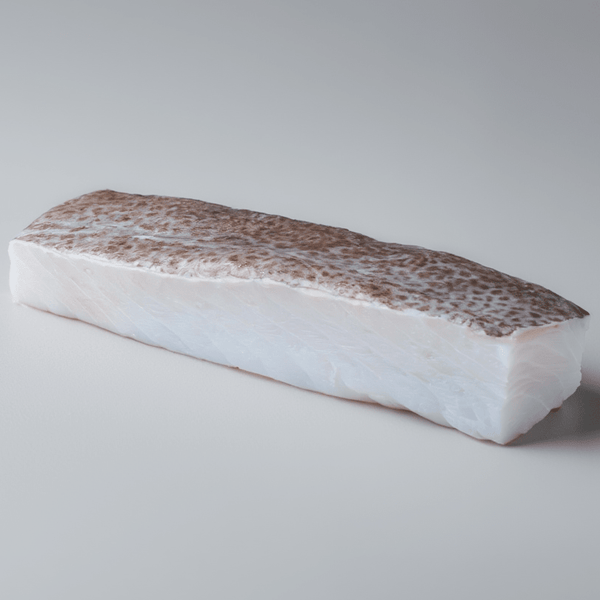
Smoked Cod Carpaccio Artisan Cut | 1 Tray Pack
Available at Bacalalo.com with refrigerated shipping in 24-48h
Where to buy arengada today
Arengada is a difficult product to find. These are the real options:
- Traditional markets: some cured fish stalls in historic markets (Boqueria, Santa Caterina, Mercat del Ninot) still offer it, especially during Lent.
- Dutch import stores: the Netherlands still produces quality smoked herring. Look for "gerookte haring" in Dutch product stores.
- Specialized online stores: there are artisan producers in Galicia and Cantabria who smoke herring on demand.
- More accessible substitute: smoked sardine offers a similar (less intense) experience and is easier to find. Check out our selection of smoked products.
Nutritional value
Smoked herring is one of the most nutritious fish available:
| Nutrient (per 100g) | Arengada (smoked herring) |
|---|---|
| Calories | 210-250 kcal |
| Proteins | 20-24 g |
| Total Fats | 12-18 g |
| Omega-3 (EPA+DHA) | 2.0-3.0 g |
| Vitamin D | 12-20 µg (240-400% RDA) |
| Vitamin B12 | 10-14 µg (400-560% RDA) |
| Selenium | 35-45 µg |
| Sodium | 600-1,200 mg (varies by salting) |
It stands out especially for its content of omega-3 (higher than salmon), vitamin D (very scarce in food), and vitamin B12. The only point to watch is the sodium due to the salting.

Smoked Cod in Oil in Fine Slices - 1000g
Smoked collection — Salmon, cod, sardines and more. Artisan smoked products selected for those who appreciate the taste of real smoke, not liquid smoke. View smoked products
Frequently Asked Questions
Does arengada smell a lot?
Yes. Smoked herring has an intense and pungent smell. It is part of its charm and part of the reason it fell out of use in small apartments without ventilation. If you cook it on a griddle or grill, do so with ventilation. The smell dissipates in 1-2 hours; the taste is worth it.
Can arengada be eaten raw?
If it's hot-smoked (bückling), yes — it's already cooked by the smoking process. If it's cold-smoked, it's technically "raw" although salting and smoking preserve it. It's common to briefly pan-fry or grill it before eating.
How long does arengada last once purchased?
In the refrigerator, a whole, unopened arengada can last 2-3 weeks. Once opened, 3-5 days well wrapped in cling film. At room temperature (cool pantry), very cured pieces can last 1 week. Smoking is a very effective natural preservative.
Does arengada have bones?
Yes, like all herring. It has a central spine and side bones. To eat it, open it in half, remove the central spine, and the side bones are removed with a fork as you eat. It's not a fish to eat in a hurry.
What is the relationship between arengada and Catalan Carnival?
In Catalan tradition, Ash Wednesday celebrates the "Enterrament de la Sardina" (Burial of the Sardine), which marks the beginning of Lent and, symbolically, the end of meat and the beginning of fish. Arengada and sardine were the two quintessential Lenten fish. Today, the Burial of the Sardine survives as a popular festival, but the consumption of arengada that accompanied it has almost completely disappeared.
Arengada is a product that deserves to be rescued from oblivion. Not out of nostalgia, but because it is an extraordinary food: nutritious (more omega-3 than salmon), sustainable (herring is one of the best-managed fisheries in the world), flavorful, and with a history that connects with centuries of Catalan culture.
If you have the opportunity to try an arengada during Lent, on pa amb tomàquet, you are tasting exactly what Barcelona residents of the 14th century tasted. There are few foods that offer such a connection to history.
Marc González Sáez · Bacalalo · Mercat del Ninot, Barcelona (since 1990)
Related articles: Smoked Sardines · Cured Fish Guide · Smoked Collection