In summary: Umami is the 5th taste (along with sweet, salty, sour, bitter). Discovered by Kikunae Ikeda in 1908. Caused by free monosodium glutamate. Top Spanish umami foods: Cantabrian anchovy (480 mg), mojama (440 mg), caviar, Iberian ham, Parmesan, sun-dried tomato. Synergy 1+1=8 when combined.
Table of Contents
What exactly is umami?
Umami (from Japanese うま味, "savoury") is the fifth basic taste recognized by human physiology, alongside sweet, salty, sour, and bitter. It was formally discovered in 1908 by Japanese chemist Kikunae Ikeda of the University of Tokyo, who identified that dashi broth (a base of Japanese cuisine) had a distinct taste from the 4 known ones.
Umami corresponds to the presence of free monosodium glutamate, inosinate (in fish and meats), and guanylate (in dried mushrooms). When these compounds coincide, a synergistic effect (1+1=8) occurs, multiplying the perceived flavor.
History: Ikeda and dashi
In 1908, Ikeda studied why dashi broth (konbu seaweed broth + dried bonito) had a unique flavor. He isolated glutamic acid from konbu as the responsible compound. He patented monosodium glutamate (MSG) in 1909, founding what is now the Ajinomoto corporation.
Although industrial MSG got bad press in the 70s (the myth of "Chinese restaurant syndrome," debunked by the WHO), free glutamate naturally present in cured, fermented, or concentrated foods is safe and highly appreciated.
Top 10 umami foods in Spanish cuisine
1. Cantabrian Anchovy: 480 mg free glutamate/100g. The top umami food in Spanish cuisine.
2. Tuna Mojama: 440 mg. Concentrated salted fish.
3. Parmesan aged 24m: 1,200 mg. The absolute king.
4. Sun-dried Tomato: 650 mg. Perfect concentration.
5. Iberian Bellota Ham: 350 mg.
6. Caviar: 240 mg. Inosinate bonus.
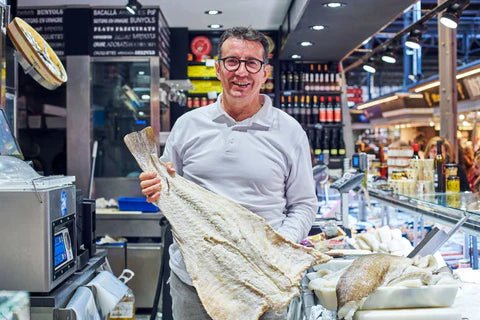
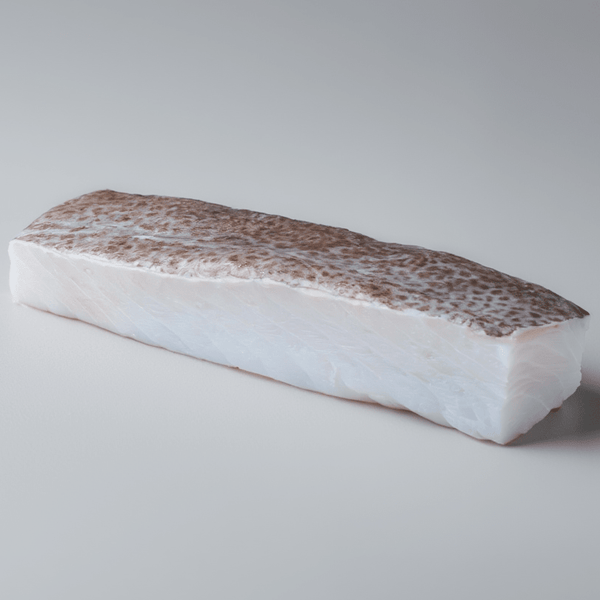
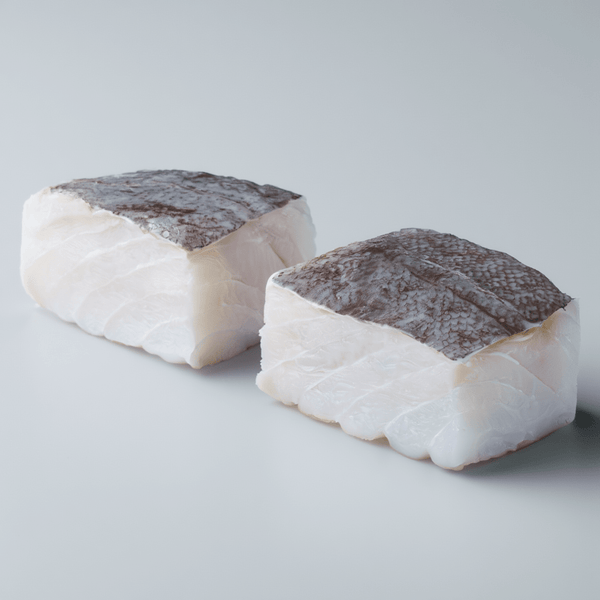
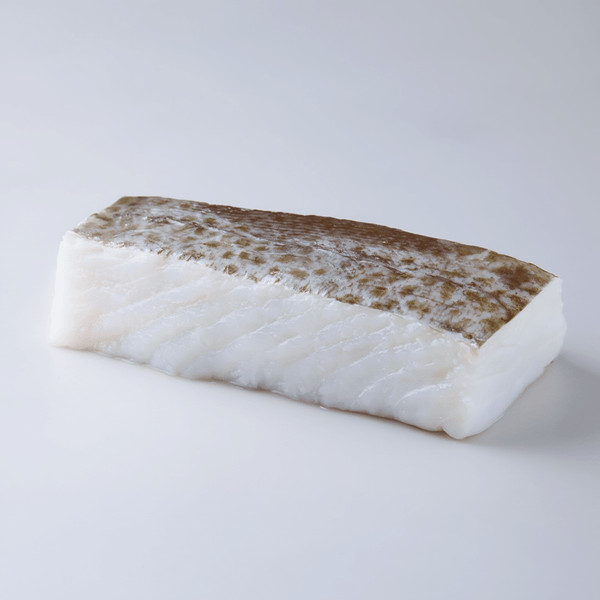
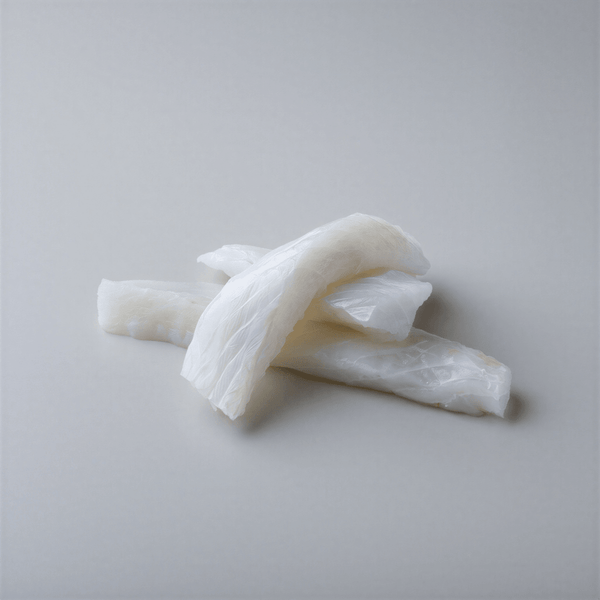
7. Cured Cod: 320 mg.
8. Mullet Bottarga: 380 mg.
9. Japanese Soy Sauce: 1,090 mg.
10. Dried Mushroom: 1,060 mg.
Synergy: the 1+1=8 rule
The great practical lesson of umami: the synergistic effect. When you combine two different umami sources (glutamate + inosinate/guanylate), the perceived intensity multiplies 7-8 times.
Classic Spanish combinations:
- Anchovy + Parmesan (Caesar Salad)
- Tomato + anchovy (bread with tomato and anchovy)
- Ham + tomato (bread with tomato and ham)
- Caviar + crème fraîche (eggs benedict)
- Mojama + arbequina EVOO + almond
This is the scientific reason why these dishes "taste so much" without needing a lot of salt or fat.
How to apply umami in your daily cooking
1. Always have premium anchovies in the fridge — adding 2 chopped fillets to a tomato sauce transforms it.
2. Quick dashi broth: 1 piece of konbu + 30g dried bonito in 1L water, boil 3 min, strain. Base for soups/sauces.
3. "Umami bomb" for pasta: anchovy + butter + garlic + Parmesan. A 5-minute recipe that tastes like a restaurant dish.
4. Partial salt substitution: add grated mojama or Parmesan instead of extra salt. Better taste, less sodium.
Umami and health: what science says
Natural glutamate present in umami foods is not dangerous. The WHO, FDA, and EFSA consider it safe. In fact, umami-rich foods are often HEALTHY: fermented (probiotics), cured (concentrated proteins), oily fish (omega-3).
For people with hypertension: umami allows reducing salt while maintaining flavor. For athletes: provides essential amino acids. For the elderly: umami stimulates appetite (important in senile appetite loss).
Frequently asked questions
What is umami in simple words?
Is umami the same as monosodium glutamate (MSG)?
How do I identify umami in a dish?
What is the food with the most umami in the world?
How much does it cost to get into umami cooking?
Does umami replace salt?
To conclude
Umami is the difference between good cooking and memorable cooking. It's not an esoteric trick — it's applied science from 120 years ago. If you're interested, start with premium Cantabrian anchovies, mojama, and good Parmesan. The combination of all three can transform any simple dish into one with depth. At Bacalalo you'll find the anchovies with the most free umami per gram on the Spanish market, validated by independent analysis.