Summary
If there is one dessert that evokes family memories in Spain, it's torrijas de leche (milk-soaked French toast). The smell of cinnamon and lemon filling the kitchen. In this guide: Torrijas de leche: the recipe passed down from generation to generation, Ingredients for 12-14 torrijas de leche, The key: infusing the milk correctly.
Torrijas de leche: the recipe passed down from generation to generation
If there is one dessert that evokes family memories in Spain, it's torrijas de leche (milk-soaked French toast). The smell of cinnamon and lemon filling the kitchen. Grandma watching the pan. The plate of freshly made torrijas on the counter, tempting everyone who passed by.
Torrijas de leche are the most common version in Spain. Unlike those made with wine (more popular in the south), milk torrijas dominate in Castile, Madrid, Catalonia, Aragon, and the north. Their secret lies in the infused milk: an aromatic bath of cinnamon, lemon peel, and sugar that transforms a simple piece of bread into an irresistible bite.
This recipe is the most faithful to tradition. No shortcuts, no modernizations. The timeless recipe.
Ingredients for 12-14 torrijas de leche
- 1 loaf of torrija bread or dense brioche bread (400-450 g)
- 800 ml full-fat milk (semi-skimmed works but is less creamy)
- 130 g sugar for the milk
- 1 Ceylon cinnamon stick (more aromatic than cassia cinnamon)
- Peel of 1 large lemon (yellow part only)
- Peel of 1/2 orange (optional, adds an extra citrus note)
- 3 large eggs
- Mild olive oil for frying (about 500 ml)
- Sugar and ground cinnamon for coating (3 tablespoons sugar + 1 teaspoon cinnamon)
The key: infusing the milk correctly
The difference between good torrijas and extraordinary ones lies in the milk. It's not enough to heat milk with cinnamon for five minutes. You have to give it time.
Classic method (30 minutes)
Pour the milk into a large saucepan. Add the sugar, cinnamon stick, and citrus peels. Heat over medium-low heat, stirring occasionally until the sugar dissolves and the milk begins to steam. When the first bubbles appear at the edges, remove from heat. Cover with a cloth and let it rest for at least 30 minutes.
Grandma's method (overnight)
Prepare the infused milk the night before. Heat it, remove from heat, and leave it covered in the refrigerator until the next day. The result is much more aromatic milk. The essential oils of cinnamon and citrus have hours to dissolve and create a deep, rounded flavor.
Whichever method you choose, strain the milk before use to remove the cinnamon and peels.
Step-by-step preparation
1. Prepare the bread
Cut the bread into slices 2-2.5 cm thick. If the bread is fresh, leave it cut in the air for 2-3 hours to dry out a bit. Grandma's torrijas were made with 2-3 day old bread: hard on the outside, somewhat dry on the inside. That bread absorbs milk like a sponge without crumbling.
2. Soak in milk
Place the slices in a dish and pour the infused milk (strained and at room temperature or lukewarm) over them. Let them soak for 1-2 minutes per side. The exact time depends on the bread: very dry bread needs more time; bread from just the day before, less. The slice should be soaked through to the center but maintain its shape. If you gently squeeze it and milk oozes out but it doesn't break, it's perfect.
3. Dip in egg
Beat the 3 eggs in a deep dish until uniform. Dip each soaked slice in the egg, being careful not to break it. Cover it well on both sides and the edges. The egg forms the outer layer that, when fried, creates that characteristic golden crust.
4. Fry
Heat the oil in a large pan to 165-170 °C. Carefully place the torrijas (use a wide spatula or two forks). Fry for 2-3 minutes per side over medium heat. The color should be intense golden, not dark brown. Remove and let drain on paper towels or a rack.
5. Coat in sugar and cinnamon
Mix the sugar with the ground cinnamon in a wide dish. Coat the torrijas while they are warm (not boiling, so the sugar doesn't melt and form a sticky crust). Turn them to cover all sides.
Mistakes that ruin torrijas (and how to avoid them)
- Too fresh bread: it falls apart when soaked. Solution: let it air dry for 3-4 hours after slicing.
- Milk too hot when soaking: it cooks the bread and turns it to mush. Let the milk cool to room temperature or lukewarm before pouring.
- Oil not hot enough: the torrija absorbs oil and becomes greasy. Check the temperature with a small piece of bread.
- Moving torrijas while frying: they break. Place them and don't touch them until it's time to flip them.
- Piling hot torrijas: they sweat and lose their crispy texture. Leave them in a single layer on a rack.
When to serve and how to store
Torrijas de leche are delicious freshly made, but many prefer to eat them the next day, cold from the fridge. The flavors meld, and the texture settles.
Store them covered in the refrigerator for up to 4 days. To reheat, use the oven at 180 °C for 5-7 minutes. The microwave softens them too much.
They also freeze well. Place them in a single layer on a tray, freeze for 2 hours, then transfer them to a freezer bag. They last for 2 months. Thaw them in the refrigerator the night before and reheat in the oven.
Your complete Easter table
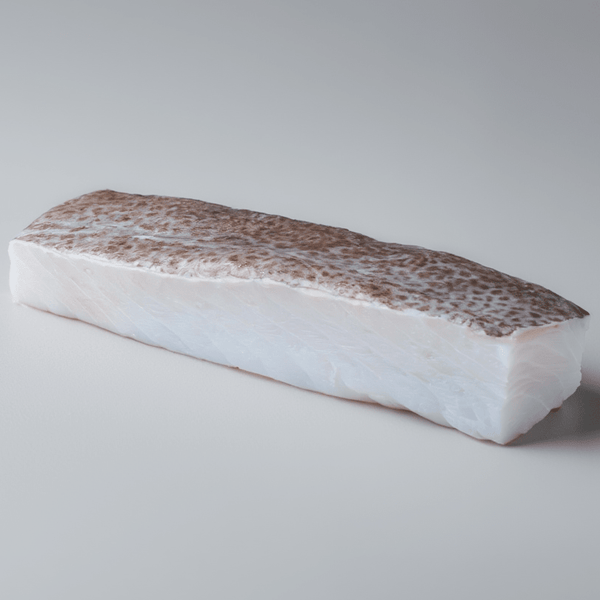
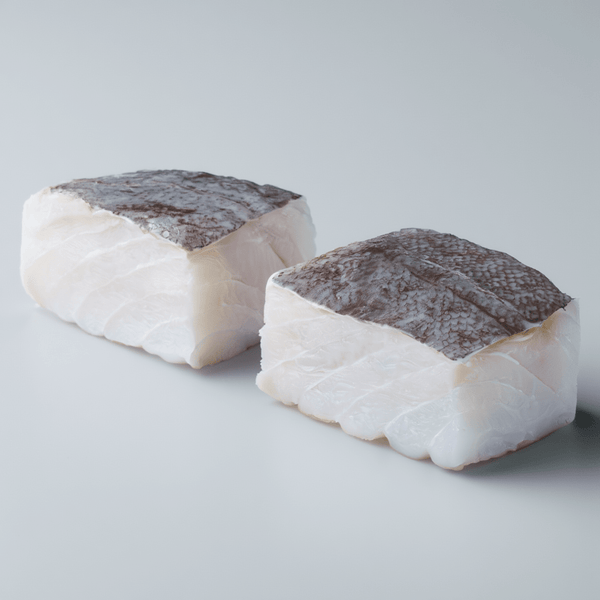
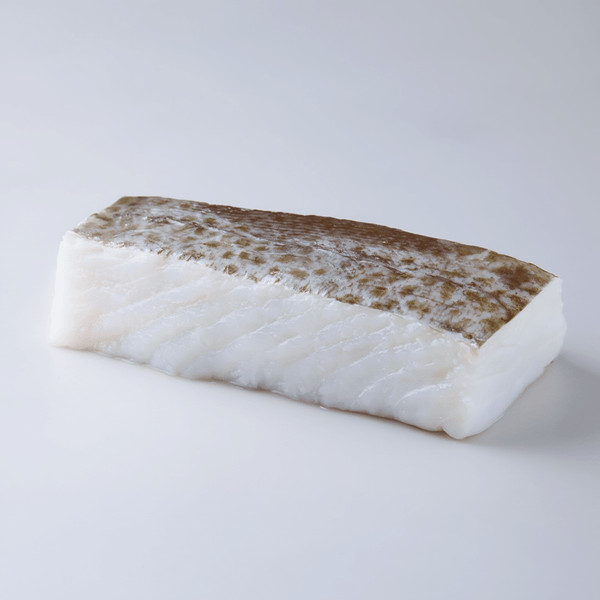
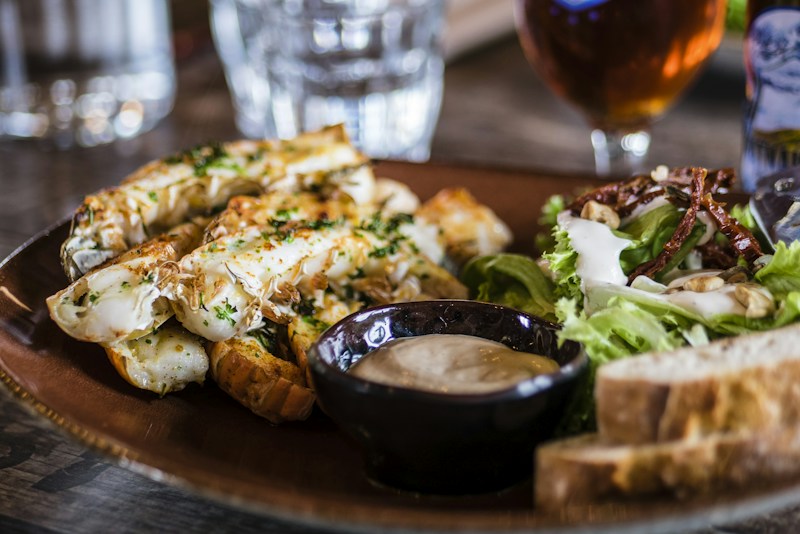
Torrijas de leche are the perfect finishing touch for an Easter meal. Combine them with a fish-based menu: oven-baked Icelandic cod as the main course, some artisan cod croquettes as an appetizer, and torrijas for dessert. If you want to put together a complete menu for the week, check out our Easter Menu 2026.
Premium Seafood — Bacalalo
Since 1990, selecting the best from the sea at Mercat del Ninot, Barcelona. Refrigerated shipping 24-48h.
See Icelandic cod →Frequently asked questions about torrijas de leche
Can skim milk be used for torrijas?
It can be used, but the result is inferior. The fat in whole milk provides creaminess and flavor. With skim milk, torrijas are drier and less substantial. If you are looking for a lighter version, try baked torrijas instead.
How long should the bread be left in the milk?
Between 1 and 3 minutes per side, depending on how dry the bread is. 2-3 day old bread needs more time; day-old bread, less. The trick is to observe: when the slice is soaked through to the center but doesn't fall apart when picked up, it's ready.
Can torrijas de leche be made without egg?
Technically yes, but they lose their characteristic golden crust. Without egg, the soaked bread is fried directly and has a flatter flavor. If you have an egg allergy, coat them in a mixture of flour with a little sparkling water: it's not the same, but it's close.
What type of cinnamon is best for torrijas?
Ceylon cinnamon (also called true cinnamon) is softer and more aromatic. Cassia cinnamon, the most common in supermarkets, is more intense and pungent. Both work, but Ceylon cinnamon gives a more refined result. You can find it in herbalists and spice shops.
Why do my torrijas fall apart when frying?
The most common causes are: bread that is too fresh, soaking for too long, or milk that is too hot when soaking. Make sure the bread is at least a day old, don't soak it for more than 3 minutes per side, and use milk at room temperature.
Discover more