Summary: If there's one dish that defines Catalan fishermen's cuisine, it's suquet. Born on fishing boats as a humble stew to make use of the day's catch, suquet de pescado has evolved into a jewel of Mediterranean gastronomy, served in the best re...
Table of Contents
- Suquet de Pescado: The Soul of Catalan Seafood Cuisine
- Ingredients for Suquet de Pescado for 4 People
- Step-by-Step Preparation of Suquet de Pescado
- Variations of Suquet de Pescado
- The Picada: The Secret That Distinguishes a Good Suquet from an Exceptional One
- Pairing: What Wine to Serve with Suquet de Pescado
- Common Mistakes When Preparing Suquet de Pescado
- Frequently Asked Questions
- Conclusion
Suquet de Pescado: The Soul of Catalan Seafood Cuisine
If there's one dish that defines Catalan fishermen's cuisine, it's suquet. Born on fishing boats as a humble stew to make use of the day's catch, suquet de pescado has evolved into a jewel of Mediterranean gastronomy, served in the best coastal restaurants.
At Mercat del Ninot in Barcelona, where we have worked with seafood products since 1990, suquet is part of our culinary culture. And today, we're going to show you how to prepare it just as the fishing families of the Costa Brava did: with patience, good ingredients, and that picada that changes everything.
Ingredients for Suquet de Pescado for 4 People
The foundation of a good suquet lies in the simplicity of its ingredients and the quality of the product:
- 600g mixed rock fish (scorpionfish, monkfish, rascasse) cut into slices
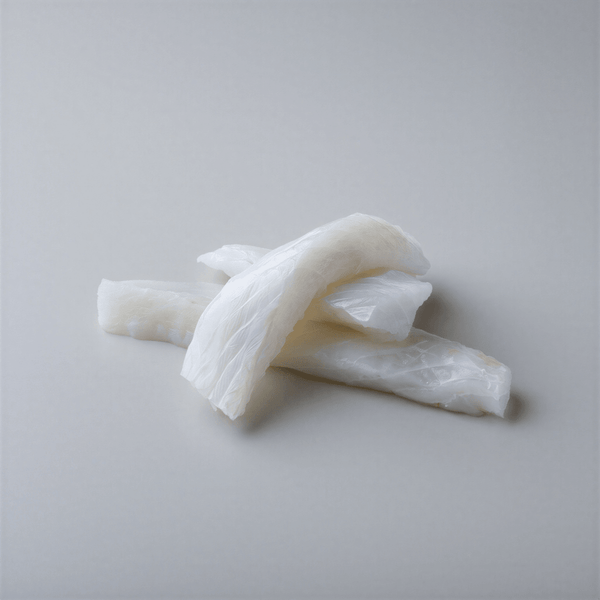
- 200g shredded cod (previously desalted) or 300g fresh cod
- 500g potatoes cut into 1cm slices
- 12 clean mussels
- 8 prawns or langostinos with heads
- 2 ripe tomatoes, grated
- 1 medium onion, finely chopped
- 4 cloves of garlic
- 1 dried ñora pepper (soaked for 30 minutes)
- 150ml white wine
- 1 liter homemade fish fumet
- Extra virgin olive oil
- Salt and pepper
For the picada (the secret to suquet)
- 20 toasted almonds
- 2 cloves of garlic
- 1 slice of fried bread
- A few saffron threads
- Fresh parsley
- A splash of olive oil
Step-by-Step Preparation of Suquet de Pescado
Step 1: Prepare the fumet
If you don't have homemade fumet, you can prepare it with the fish heads and bones. Boil them with a chopped onion, a carrot, a leek, bay leaf, and parsley for 30 minutes. Strain and set aside. A good fumet is the foundation of an exceptional suquet.
Step 2: The Sofregit
In a wide earthenware casserole (the traditional cassola), heat a generous splash of olive oil over medium heat. Sauté the onion for 10 minutes until translucent. Add 2 minced garlic cloves and cook for 2 more minutes.
Add the grated tomato and the pulp of the ñora pepper (discard the skin). Cook the sofrito over low heat for 15-20 minutes, stirring occasionally, until it darkens and all the water evaporates. This step cannot be rushed: a good sofregit needs time.
Step 3: The Potatoes
Add the sliced potatoes to the sofrito and stir to coat them. Pour in the white wine and let the alcohol evaporate for 2-3 minutes. Add the hot fumet until it covers the potatoes. Bring to a gentle boil and cook for 15-20 minutes until the potatoes are almost tender.
Step 4: The Fish and Seafood
Place the rock fish slices and the cod over the potatoes. Add the prawns and mussels. Cover the casserole and cook over medium heat for 8-10 minutes, without stirring. Gently move the casserole in circular motions to thicken the sauce.
Step 5: The Picada
While the fish cooks, prepare the picada. In a mortar, crush the toasted almonds with the garlic, fried bread, saffron, and parsley. Add a splash of olive oil and work until you get a coarse but homogeneous paste.
When there are 3-4 minutes left of the fish's cooking time, add the picada to the suquet, distributing it throughout the casserole. Gently move the casserole (never with a spoon, to avoid breaking the fish) and let the picada integrate with the broth.
Step 6: Rest and Serve
Remove from heat and let it rest, covered, for 5 minutes. The suquet will thicken slightly during this rest, and the flavors will round out. Serve directly in the earthenware casserole with toasted bread for dipping.
Related Products from Bacalalo


Variations of Suquet de Pescado
Suquet allows for multiple versions depending on the coastal area and the available fish:
Cod Suquet
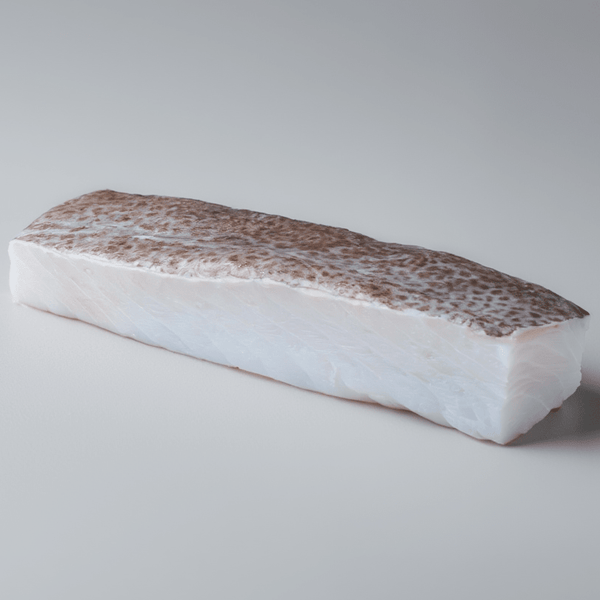
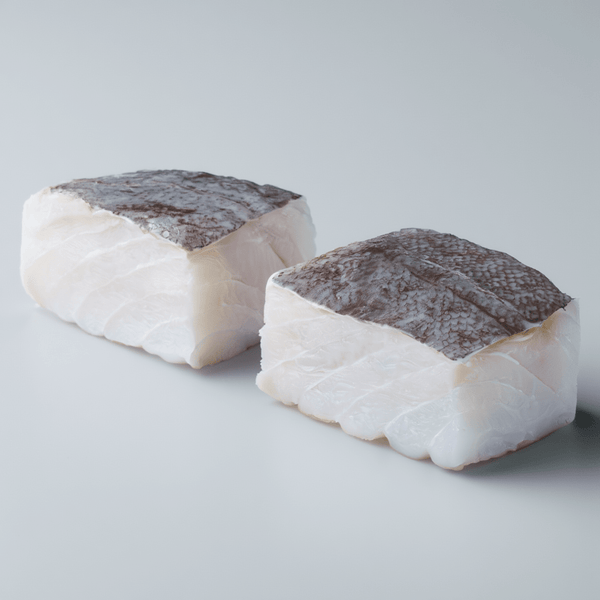
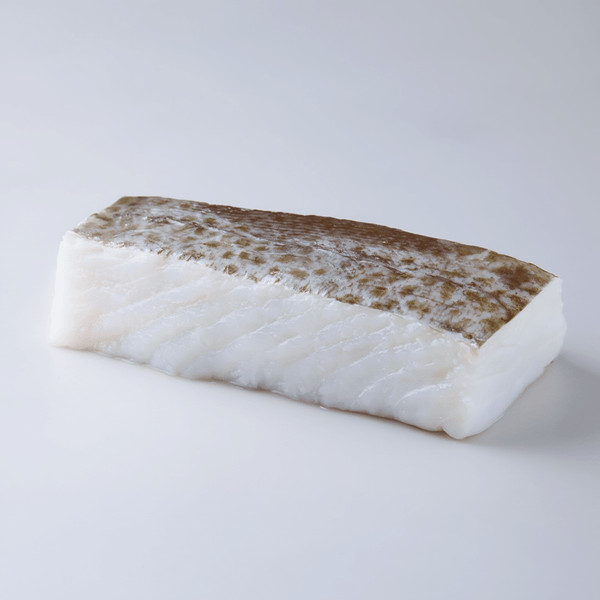
The most popular version in Barcelona. It uses desalted cod as the sole star, without rock fish. Cod provides a firm texture, and its natural gelatin helps to thicken the sauce. We recommend using our special dried cod fillet for the best result.
Monkfish Suquet
Monkfish is ideal for suquet due to its firm flesh that doesn't fall apart during cooking. Cut it into thick medallions and add it along with the potatoes so it absorbs all the flavors of the broth.
Hake Suquet
A softer and more delicate version. Hake should be added at the end, with only 5-6 minutes of cooking, so it doesn't fall apart. Serve with clams instead of mussels for a more elegant version.
Black Suquet
A modern variation that incorporates squid ink into the sofrito, resulting in a suquet with an intense dark color and very pronounced sea notes. Spectacular for impressing at a dinner party.
The Picada: The Secret That Distinguishes a Good Suquet from an Exceptional One
The picada is the element that transforms a simple fish stew into an authentic Catalan suquet. Without picada, you have a good stew; with picada, you have a masterpiece.
Keys to a perfect picada:
- The almonds must be well toasted, golden inside. This adds depth and a bitter touch that balances the sweetness of the tomato.
- The bread should be fried in olive oil, not toasted. The difference in texture and flavor is noticeable.
- Saffron makes all the difference. Use saffron threads, never coloring. If you don't have saffron, don't substitute it: simply omit it.
- The picada is added almost at the end. If you cook it too long, it loses its function as a natural thickener and binder.
In some areas of the Costa Brava, the picada includes crushed monkfish liver, which provides an intense umami reminiscent of Japanese dashi. It's a fisherman's secret that few restaurants know.
Pairing: What Wine to Serve with Suquet de Pescado
Suquet calls for a full-bodied white wine, capable of standing up to the intensity of the stew without being overshadowed:
| Wine | D.O. | Why it works |
|---|---|---|
| Aged Xarel·lo | Penedès | Body and freshness, perfect with the picada |
| White Grenache | Terra Alta | Volume and Mediterranean notes |
| Godello | Valdeorras | Mineral quality that enhances seafood |
| Barrel-fermented Verdejo | Rueda | Complexity for suquets with cod |
| Albariño | Rías Baixas | Classic with seafood, fresh and aromatic |
Our recommendation: an aged Xarel·lo from Penedès. Being a Catalan dish, pairing it with a Catalan wine makes perfect sense. And its structure perfectly supports the picada and sofrito of the suquet.
Common Mistakes When Preparing Suquet de Pescado
After 35 years of seeing our customers at Mercat del Ninot prepare suquet at home, these are the most frequent mistakes:
- Stirring with a spoon: suquet is moved by gently shaking the casserole in circular motions. If you use a spoon, you'll break up the fish.
- Using store-bought fumet: industrial fumet will ruin any suquet. If you don't have time to make it homemade, at least boil the prawn heads in salted water for 20 minutes.
- Not giving the sofrito enough time: a 5-minute sofrito is not a sofrito. You need at least 15-20 minutes over low heat for the tomato to caramelize.
- Overcooking the fish: 8-10 minutes is enough. The fish continues to cook with residual heat during resting.
- Forgetting the picada: without picada, it's not a suquet; it's a fish stew with potatoes. The picada is the soul of the dish.
- Serving directly without resting: those 5 minutes of covered rest are essential for the sauce to thicken naturally and the flavors to integrate.
Suquet is one of those dishes that improve with practice. Each time you prepare it, you'll adjust the proportions to your liking and find your perfect version. And remember: the quality of the fish is everything. At Bacalalo, we select each piece so that your suquet starts with an advantage.
Frequently Asked Questions
Which fish is best for suquet?
Traditional Catalan suquet is prepared with varied rock fish (scorpionfish, rascasse, monkfish) combined with seafood. Cod is also a very popular option in Barcelona. It's ideal to mix 2-3 types of fish to achieve a broth with more depth of flavor.
What is the suquet picada and why is it so important?
The picada is a paste made in a mortar with toasted almonds, garlic, fried bread, saffron, and parsley. It's added at the end of cooking and acts as a natural thickener, binder for the sauce, and flavor enhancer. Without picada, suquet loses its Catalan identity.
Can suquet be made without an earthenware casserole?
Yes, you can use any wide, shallow pot. However, the earthenware casserole (cassola) distributes heat more evenly and retains temperature better, which helps to thicken the sauce. If using another pot, reduce the heat slightly.
How long does it take to make suquet de pescado?
A complete suquet de pescado takes between 60 and 90 minutes: 30 minutes for the fumet, 20 minutes for the sofrito, 20 minutes for the potatoes, and 10 minutes for the fish. It's a dish that requires patience but no technical difficulty.
Can suquet de pescado be reheated?
Suquet can be reheated the next day over very low heat, but the fish's texture will suffer. The ideal is to prepare the base broth with potatoes and picada, and add fresh fish just before serving. The base broth lasts 2-3 days in the refrigerator.
What is the difference between suquet and zarzuela?
Suquet is a Catalan fishermen's stew with potatoes, picada, and light broth, originating from fishing boats. Zarzuela is a more festive dish with a wider variety of seafood, more tomato, flamed brandy, and no potatoes. Suquet is more rustic; zarzuela is more celebratory.
Related Products from Bacalalo
Conclusion
From Mercat del Ninot in Barcelona, we have been selecting the best seafood products for over 35 years. If this guide has been useful to you, explore our catalog at bacalalo.com and receive the same quality we've sold in the market since 1990 at home.
Related Guides
Discover more