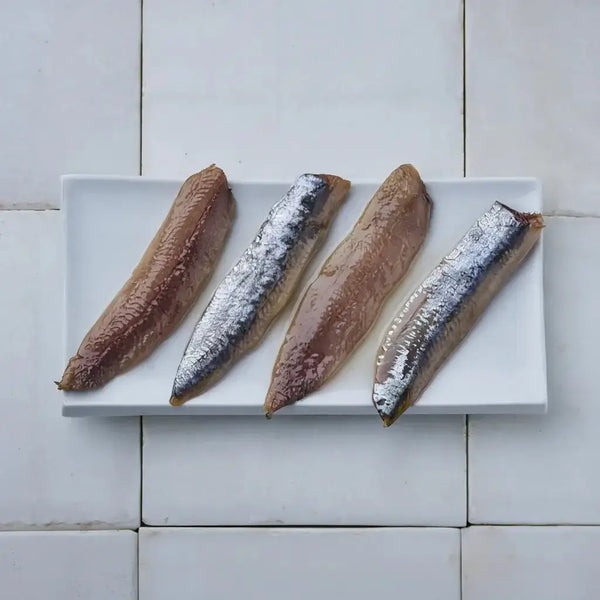
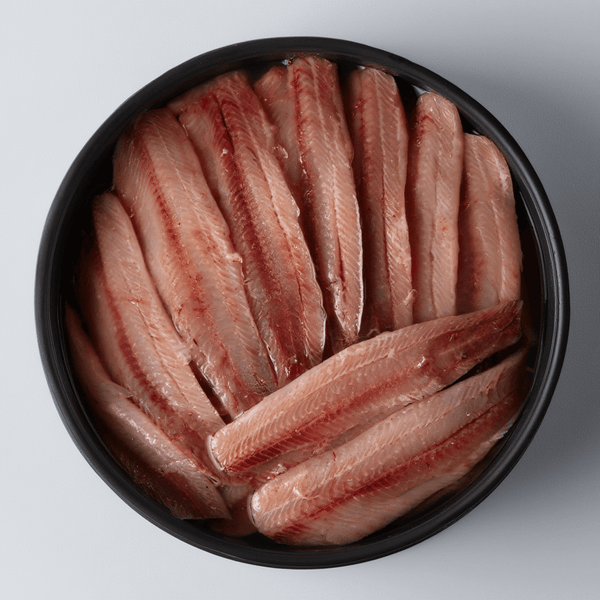
Homemade pickled sardines are an ancient preserve that can be prepared in 35 minutes and lasts 2-3 weeks in the fridge: sardines briefly fried, submerged in a hot mixture of vinegar, olive oil, garlic, bay leaf, and paprika. The result is a dish with a deep flavor that improves with age. Serves 4.

What are pickled sardines?
Escabeche is one of the oldest preservation techniques in Spanish cuisine, documented since the 13th century. It involves submerging cooked food (usually fried) in a mixture of vinegar, oil, spices, and aromatics. The acidity of the vinegar preserves the fish and gives it a characteristic flavor — sweet and sour, spicy, and deep.
Sardines are one of the fish that work best in escabeche. Their fatty flesh absorbs the flavors of the liquid, and their texture holds up without falling apart. The bones soften with the vinegar's acid, making them edible (and providing extra calcium).
Homemade escabeche is a perfect batch cooking preparation: you prepare it on Sunday and eat it all week. It noticeably improves after 24-48 hours of resting in the fridge.
Ingredients (4 servings, ~16 sardines)
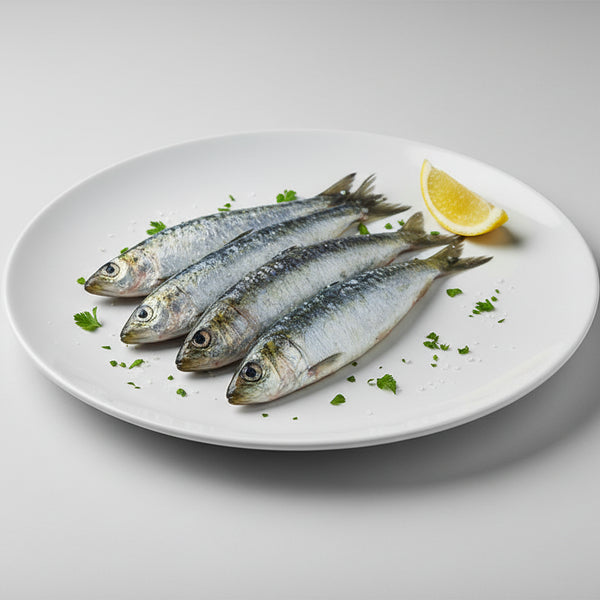
- 16 medium fresh sardines, cleaned and headless
- Flour for coating
- 200 ml extra virgin olive oil
- 150 ml white wine vinegar
- 150 ml water
- 6 whole garlic cloves (peeled)
- 2 bay leaves
- 1 teaspoon sweet paprika (pimentón de la Vera)
- 10 black peppercorns
- 1 teaspoon dried oregano
- Salt
Step-by-step pickled sardine recipe
Step 1: Prepare the sardines
Clean the sardines: remove head, guts, and central bone if desired (though in escabeche, they can be left — they will soften). Dry them well and coat them in flour, shaking off any excess. Read our guide to cleaning sardines if you need help.
Step 2: Briefly fry
Heat 100 ml of oil in a pan over medium-high heat. Fry the floured sardines for 1-2 minutes per side — just until golden brown on the outside. They don't need to be fully cooked; they will finish cooking in the escabeche. Remove to absorbent paper.
Step 3: Prepare the escabeche
In the same pan (or a saucepan), heat the remaining 100 ml of oil over medium heat. Add the whole garlic cloves and lightly brown them (2-3 minutes). Incorporate the paprika (off the heat to prevent burning), bay leaves, peppercorns, and oregano. Return to the heat, pour in the vinegar and water. Bring to a boil and cook for 5 minutes.
Step 4: Assemble
Place the fried sardines in a glass or ceramic container (not metal). Pour the hot escabeche over them, ensuring it completely covers the sardines. If it doesn't cover them, add a little more vinegar and oil in equal parts.
Step 5: Rest
Allow to cool to room temperature. Cover and refrigerate. The sardines are ready to eat in 4-6 hours, but they are best after 24-48 hours of resting when the flavors have fully integrated.
Tips for perfect pickling
1. Vinegar:oil:water ratio. The classic recipe is 1:1:1 (equal parts). If you prefer less acidity, use 1 part vinegar : 1.5 parts oil : 1 part water. Vinegar preserves, oil adds texture, water softens.
2. Paprika off the heat. Add the paprika to the hot oil but off the direct flame. It burns in seconds and becomes bitter. Mix well, then return to low heat.
3. Hot escabeche over sardines. Pouring hot escabeche is essential: the thermal shock seals the sardines and the heat facilitates the penetration of the vinegar.
4. Glass container, never metal. Vinegar reacts with metal. Use Pyrex, a glass container, or glazed ceramic.
5. Cover completely. The sardines must be 100% submerged. Parts exposed to air oxidize and can spoil faster.
Storage and shelf life
In the fridge: 2-3 weeks covered, as long as the sardines are completely covered by the escabeche liquid. Vinegar acts as a natural preservative.
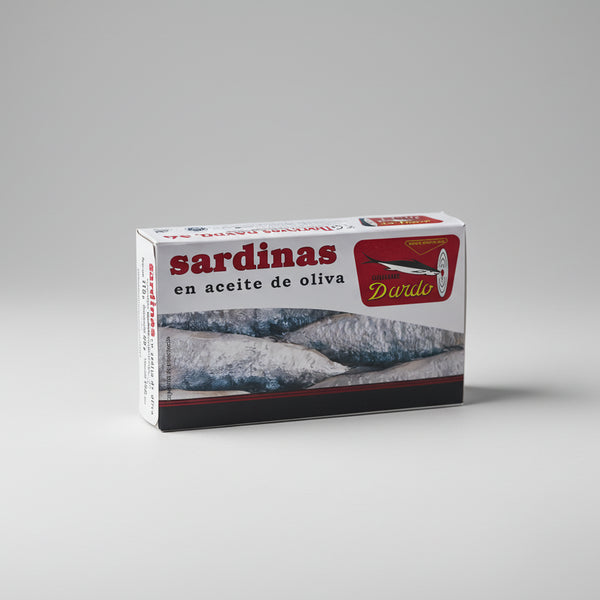
Preserved (vacuum-sealed): If you sterilize the jars in a water bath (15-20 minutes), they can last several months at room temperature. This is the homemade version of commercial pickled sardine preserves.
Freezing: Not recommended. The texture of the sardines changes when thawed, and the escabeche loses flavor.
Pickling variations
Escabeche with carrots and onions: Add 2 sliced carrots and 1 sliced onion to the escabeche. They cook in the hot liquid and add sweetness. This is the most classic bar version.
Mild escabeche (with PX): Substitute part of the vinegar with Pedro Ximénez vinegar. Sweeter, less acidic, with notes of raisins. Elegant.
Spicy escabeche: Add 2 dried chilies or cayenne peppers to the liquid. The spice pairs very well with the acidity of the vinegar and the fattiness of the sardine.
How to serve pickled sardines
As a tapa: Directly from the container to the plate, with a little of the escabeche liquid, bread, and olives. The classic bar tapa.
With salad: Over mixed greens, with cherry tomatoes and red onion. The escabeche acts as the salad dressing.
On toast: Toasted crystal bread, pickled sardines, piquillo pepper, and a touch of chives.
Nutritional value (4 pickled sardines)
| Nutrient | Per serving |
|---|---|
| Calories | 380 kcal |
| Protein | 28 g |
| Fats | 27 g |
| Omega-3 | 1,800 mg |
Conclusion
Pickled sardines are one of the great recipes of Spanish cuisine: simple, economical, long-lasting, and with a flavor that improves over time. It's a preparation our grandmothers made every week and that deserves to be rediscovered — not just for nostalgia, but because it's practical, delicious, and a brilliant way to preserve fish without refrigeration.
If you've never made homemade escabeche, this is the recipe to start with. 35 minutes of work, 2-3 weeks of enjoyment.
Frequently asked questions
How long do homemade pickled sardines last?
2-3 weeks in the fridge, covered by the escabeche liquid. In sterilized preserves in a water bath, several months.
When are pickled sardines ready?
They can be eaten after 4-6 hours, but they are much better after 24-48 hours of resting in the fridge when the flavors integrate.
Are they eaten hot or cold?
Normally cold or at room temperature, directly from the fridge or taken out 15 minutes beforehand. They can also be gently warmed, but this is less traditional.
Do the sardines need to be fried before pickling?
It is traditional and recommended: frying seals the flesh and adds texture. It can be done without frying (raw escabeche) but the texture is different and softer.
Do the bones soften with pickling?
Yes. The acid from the vinegar softens the bones over the days. After 48 hours, the sardine bones are practically imperceptible and edible.
What is the best vinegar for pickling?
White wine vinegar is classic. Apple cider vinegar works for a milder escabeche. Avoid cleaning vinegar or distilled vinegar.
Maria José Sáez Pastor
Chef and recipe creator for Bacalalo.com. Specialist in seafood cooking with accessible techniques for everyday use. From Mercat del Ninot, Barcelona.