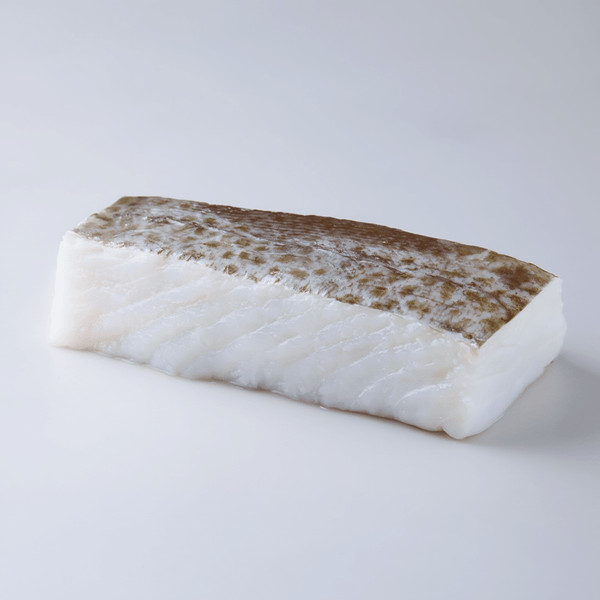


Science is clear: eating fish regularly reduces cardiovascular risk, improves brain function, strengthens bones, and may even prevent certain types of cancer. The WHO recommends consuming at least two servings of fish per week, and the evidence supporting this recommendation accumulates year after year. In this article, we analyze the benefits of fish based on real scientific studies and the recommendations of major health organizations.
What science says: irrefutable evidence
We are not talking about opinions or trends: the benefits of regular fish consumption are backed by decades of rigorous scientific research. Epidemiological studies with hundreds of thousands of participants, systematic reviews published in journals like The Lancet, JAMA, and The New England Journal of Medicine, and recommendations from organizations like the WHO, FAO, American Heart Association, and European Food Safety Authority all agree on the same message: eating fish is one of the dietary decisions with the greatest positive impact on health.
The main oily fish such as salmon, mackerel, sardines, anchovies, and tuna have the most accumulated evidence, but white fish (cod, hake, sole) also provide significant benefits as a source of high-quality lean protein.
The study that changed everything
In the 1970s, Danish scientists Hans Olaf Bang and Jørn Dyerberg studied the diet of Greenlandic Inuit. Despite consuming a very high-fat diet (mainly from fish and seals), the Inuit had extraordinarily low rates of cardiovascular disease. This finding triggered decades of research into omega-3 fatty acids from fish and opened up a whole new field in nutrition.

Omega-3: the fat that protects your heart and brain
Long-chain omega-3 fatty acids, especially EPA (eicosapentaenoic acid) and DHA (docosahexaenoic acid), are the most studied bioactive compounds in fish. Unlike plant-based omega-3s (ALA, found in walnuts and flax seeds), EPA and DHA from fish are directly usable by the body without the need for conversion.
What do EPA and DHA do?
- EPA: Potent anti-inflammatory. Reduces blood triglycerides, improves endothelial function of blood vessels, and modulates the immune response. It is especially relevant for cardiovascular prevention.
- DHA: Fundamental structural component of the brain and retina. It constitutes approximately 40% of the fatty acids in brain gray matter. It is crucial during fetal development and early childhood, and its deficiency is associated with cognitive decline in older adults.
How much omega-3 do we need?
The American Heart Association recommends a minimum of 250-500 mg daily of EPA+DHA for healthy adults. For people with cardiovascular disease, the recommendation increases to 1,000 mg daily. Two weekly servings of oily fish (salmon, sardines, mackerel, anchovies) amply cover these needs without the need for supplements.
Cardiovascular benefits of fish
Cardiovascular disease is the leading cause of death worldwide, and regular fish consumption is one of the dietary interventions with the strongest evidence for reducing this risk.
Key scientific evidence
- Reduction of sudden cardiac death: A 2019 meta-analysis published in JAMA Internal Medicine with more than 800,000 participants found that consuming fish 2-4 times per week is associated with a 21% reduction in the risk of death from coronary heart disease.
- Reduction of triglycerides: Fish omega-3s can reduce blood triglycerides by 15-30%, an effect comparable to some medications.
- Reduction of blood pressure: Clinical studies show that regular consumption of fatty fish reduces systolic blood pressure by 2-5 mmHg, a modest but clinically significant effect at the population level.
- Improvement of lipid profile: Fish consumption increases HDL ("good cholesterol") and reduces the LDL/HDL ratio, improving the overall cardiovascular risk profile.
- Antiarrhythmic effect: Omega-3s stabilize cardiac cell membranes, reducing the risk of potentially fatal arrhythmias.

Fish and brain health: memory, depression, and aging
The human brain is, proportionally, one of the body's organs with the highest fat content, and a significant part of that fat is DHA. It's not surprising that diet directly influences brain function.
Cognitive function and memory
A study published in Neurology (2014) followed more than 1,600 older adults for 10 years and found that those who consumed fish at least once a week had significantly larger brain volume in key areas for memory (hippocampus) and executive function. The conclusion: fish could delay brain aging by 4 to 5 years.
Depression and mental health
Multiple meta-analyses have found an association between fish consumption and a lower risk of depression. A study published in the Journal of Epidemiology & Community Health (2016) with data from 150,000 people concluded that those who consume more fish have a 17% lower risk of depression. The proposed mechanism: omega-3s modulate the production of neurotransmitters like serotonin and dopamine.
Alzheimer's prevention
Although the evidence is still preliminary, several observational studies suggest that regular fish consumption is associated with a lower risk of developing Alzheimer's and other forms of dementia. DHA appears to protect neurons from oxidative stress and inflammation that contribute to neurodegeneration.
Vitamin D, calcium, and bone health
Fish is one of the few natural food sources of vitamin D, an essential nutrient for calcium absorption and bone health. In Spain, despite being a sunny country, vitamin D deficiency affects a significant percentage of the population, especially older people.
Vitamin D content per 100g of fish
- Salmon: 11-25 µg (220-500% of recommended daily intake)
- Sardines: 7-11 µg (140-220%)
- Mackerel: 8-16 µg (160-320%)
- Tuna: 5-8 µg (100-160%)
- Cod: 1-3 µg (20-60%)
Small fish consumed with bones (sardines, anchovies) also provide significant amounts of bioavailable calcium, making them a particularly valuable food for osteoporosis prevention.
Fish during pregnancy and childhood
DHA is critical for the development of the fetal brain and eyes, especially during the third trimester of pregnancy. The WHO and most medical societies recommend that pregnant women consume 2-3 servings of low-mercury fish per week.
Proven benefits during pregnancy
- Greater cognitive development in the baby (measured at 3, 5, and 8 years of age)
- Better visual acuity in the infant
- Lower risk of premature birth
- Lower risk of low birth weight
- Possible reduction in the risk of childhood asthma
Safe fish during pregnancy
Fish with low mercury content and high omega-3 content are the most recommended: salmon, sardines, anchovies, trout, cod, hake, and Atlantic mackerel. Swordfish, shark, bluefin tuna, and pike should be avoided or limited due to their higher mercury accumulation.
Fish and cancer prevention
The relationship between fish consumption and cancer is complex and still being researched, but there are promising indications:
- Colorectal cancer: A 2012 meta-analysis published in the American Journal of Medicine with data from more than 500,000 people found that fish consumption is associated with a 12% reduction in the risk of colorectal cancer.
- Breast cancer: Observational studies suggest a modest association between higher intake of fish omega-3s and a lower risk of breast cancer, especially in postmenopausal women.
- Prostate cancer: Evidence is mixed, but some studies suggest a protective effect of omega-3s against aggressive prostate cancer.
It is important to note that substituting red and processed meats with fish can have an additional indirect protective effect, as excessive consumption of processed meats does have a clear association with certain cancers.
Oily fish vs. white fish: which is better?
Both are excellent, but they have different nutritional profiles:
Oily fish (salmon, sardines, mackerel, anchovies, tuna)
- High in omega-3 (EPA and DHA)
- Higher caloric content (150-250 kcal/100g)
- Rich in vitamin D
- More intense flavor
- Ideal for: cardiovascular, brain, and anti-inflammatory health
White fish (cod, hake, sole, monkfish)
- Very low in fat (0.5-2%)
- Low caloric content (70-90 kcal/100g)
- Very high-quality protein
- Rich in iodine and selenium
- Ideal for: weight control diets, people with delicate digestions, source of lean protein
The optimal recommendation is to combine both types: 1-2 servings of oily fish and 1-2 servings of white fish per week. This way, you get the omega-3s from oily fish and the lean protein from white fish.
How much fish should you eat? Official recommendations
World Health Organization (WHO)
Recommends consuming at least 1-2 servings of fish per week, including fatty (oily) fish. For populations with high cardiovascular risk, it suggests increasing to 3-4 servings.
American Heart Association (AHA)
Recommends at least 2 servings of fatty fish per week (approximately 200g in total) for cardiovascular prevention.
European Food Safety Authority (EFSA)
Recommends 250 mg daily of EPA+DHA for adults, which is equivalent to about 2 servings of oily fish per week. For pregnant women, it adds an additional 100-200 mg of DHA.
How much is a serving?
A standard fish serving is 125-150g of raw product (approximately the size of your palm). For small fish like sardines or anchovies, a serving is equivalent to about 4-6 pieces.
Myths about fish: mercury, anisakiasis, and contamination
Myth 1: "Fish has a lot of mercury and is dangerous"
Reality: Only certain large, long-lived fish (swordfish, shark, bluefin tuna, pike) accumulate significant amounts of mercury. The vast majority of fish we commonly consume (cod, hake, salmon, sardines, anchovies, trout) have mercury levels well below safety limits. The benefits of moderate fish consumption far outweigh the risks of mercury, according to the FDA and EFSA themselves.
Myth 2: "Anisakiasis makes it dangerous to eat fish"
Reality: Anisakis is completely eliminated by cooking (above 60°C for at least 1 minute in the center of the food) or by freezing (-20°C for 72 hours). All fish sold in Spain for raw consumption must have been previously frozen by legal regulation. Salted cod and canned anchovies do not pose a risk of anisakiasis.
Myth 3: "Farmed fish is worse than wild fish"
Reality: It's more complex than that. Modern aquaculture has greatly improved in recent decades. Well-managed farmed fish can have a comparable or even superior nutritional profile to wild fish (more omega-3s due to their controlled diet). The key is not wild vs. farmed, but the quality of management: there is excellent aquaculture and deficient aquaculture, just as with wild fishing.
Frequently asked questions
Can you get enough omega-3 without eating fish?
It's difficult but possible. Plant-based sources of omega-3s (walnuts, flax seeds, chia) contain ALA, which the body converts to EPA and DHA with very low efficiency (2-10%). Algae oil supplements are the only direct vegan source of EPA and DHA. However, most experts agree that fish is the most efficient and complete way to obtain long-chain omega-3s.
Does canned fish have the same benefits as fresh fish?
To a large extent, yes. Canned sardines, tuna, and anchovies retain most of their omega-3 and protein content. The canning process slightly reduces some heat-sensitive vitamins, but omega-3 fatty acids are well preserved. Canned fish is a practical, economical, and nutritionally excellent option.
Can children eat fish from a young age?
Yes, and they should. The introduction of fish into complementary feeding is recommended from 6 months (starting with mild white fish like hake or sole). Fish with high mercury content should be avoided in children under 3 years old. Fish is an excellent source of protein, omega-3s, and essential micronutrients for child development.
Does frying fish destroy its benefits?
Frying partially reduces the omega-3 content (approximately 20-30%) and adds calories due to oil absorption. However, fried fish is still a good source of protein and retains a significant portion of its nutrients. Cooking methods that best preserve omega-3s are steaming, baking at moderate temperatures, en papillote, and low-temperature cooking.
Is it true that eating fish improves eyesight?
There is evidence to support this. DHA is a structural component of the retina, and adequate intake is associated with a lower risk of age-related macular degeneration (AMD), the leading cause of blindness in people over 60. A study by AREDS2 found that people with higher omega-3 intake had a 30% lower risk of developing advanced AMD.
Which fish have the least mercury?
The safest fish regarding mercury are: sardines, anchovies, European anchovies, salmon, trout, cod, hake, sole, Atlantic mackerel, and herring. These are small or relatively short-lived fish that do not accumulate heavy metals. You can consume them without restrictions within the general recommendations (2-4 servings per week).