Cod pavías are strips of desalted cod, battered in a light mixture of flour, beer or sparkling water, and fried until they achieve a crispy, golden coating that contrasts with the fish's juicy and tender interior. Total time: 35 minutes. Serves 4 as an appetizer or tapa.

What are cod pavías: history and origin
Cod pavías are one of the most emblematic tapas in Spanish cuisine: thick strips of desalted cod battered in a light, crispy mixture, fried in very hot olive oil. The name "pavía" refers to the golden color of the batter, which resembles the hue of the bricks in the Italian city of Pavia.
They are also known as "soldaditos de Pavía" in many regions, although technically there is a difference that we explain below. What is universal is their function: an irresistible appetizer served hot, freshly fried, often accompanied by roasted red pepper or aioli.
Pavías originated in the tradition of Lent and Holy Week, when meat consumption was forbidden and cod became the star ingredient. Today, they are common year-round in taverns, tapas bars, and homes throughout Spain.
Difference between pavías and soldaditos de Pavía
Although they are often used interchangeably, there are nuances between the two terms worth noting:
| Aspect | Cod Pavías | Soldaditos de Pavía |
|---|---|---|
| Name | Generic term for battered cod | Traditional Madrid/Andalusian name |
| Cut | Thick strips or sticks | Thinner, more elongated strips |
| Batter | Flour + carbonated liquid + spices | Flour + saffron + water/beer |
| Color | Natural golden | Intense golden from saffron |
| Accompaniment | Variable (aioli, lemon, green sauce) | Fried red pepper (classic) |
If you want the specific recipe for soldaditos with saffron and red pepper, check out our dedicated article: Soldaditos de Pavía: cod recipe as an appetizer. This guide covers the general technique for pavías with all possible batter variations.
Ingredients for cod pavías (serves 4)
| Ingredient | Quantity | Notes |
|---|---|---|
| Desalted cod fillets | 500 g | Minimum thickness 2 cm |
| Wheat flour | 150 g | Pastry flour is better (finer) |
| Very cold lager beer | 200 ml | Or cold sparkling water |
| Egg | 1 unit | Yolk only (optional) |
| Sweet paprika | 1 teaspoon | Or saffron for classic version |
| Garlic powder | ½ teaspoon | — |
| Salt | A pinch | Cod already adds salt |
| Extra virgin olive oil | 1 liter (for frying) | Or high oleic sunflower oil |
| Lemon | 2 units | For serving |
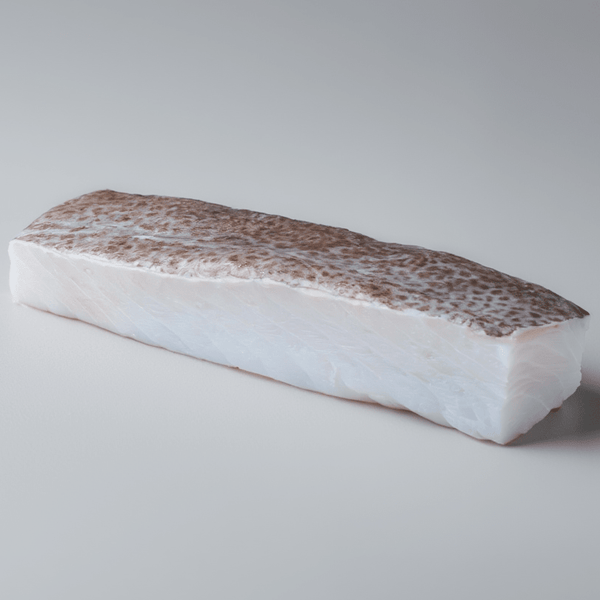
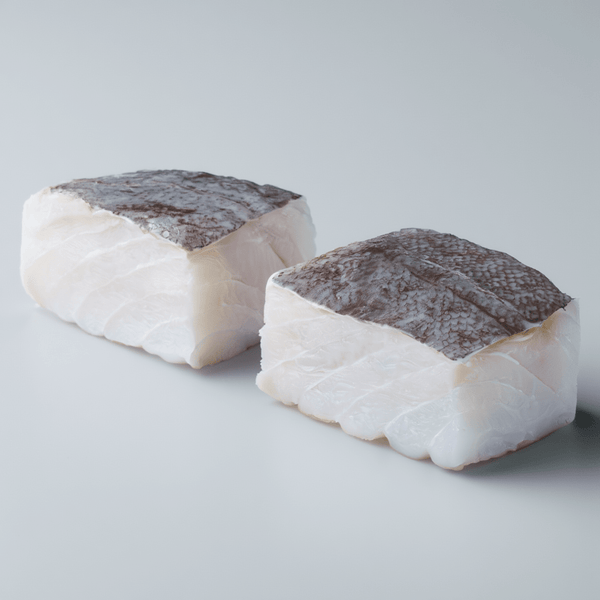
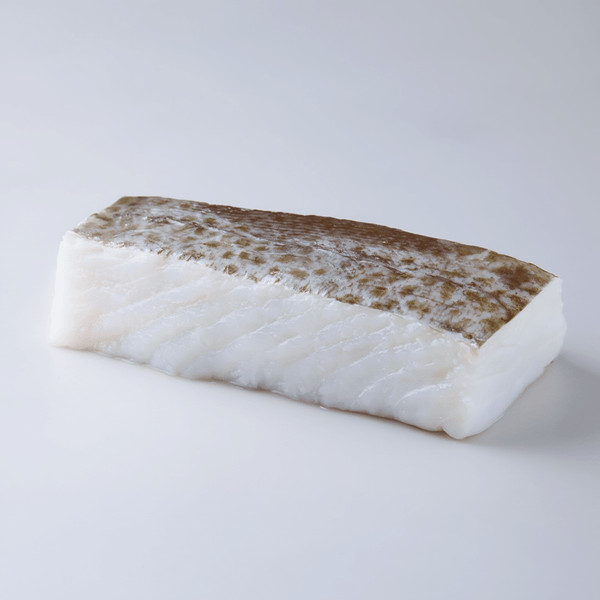
The quality of the cod makes all the difference in this recipe. You need thick, juicy fillets, not thin pieces that dry out when fried. In our desalted cod collection, you'll find fillets with the ideal thickness for pavías: at least 2 cm thick.
The 3 secrets to the perfect batter for pavías
The difference between mediocre and extraordinary pavías lies in the batter. These are the three principles you must adhere to:
1. VERY cold carbonated liquid
The beer or sparkling water should be almost ice-cold (2-4 °C). The cold CO₂ creates micro-bubbles that get trapped in the batter when frying, creating that airy and crispy texture. If the liquid is at room temperature, the batter will be heavy and rubbery.
2. Do not overmix
The batter is mixed with a fork, in 10-15 seconds, deliberately leaving small lumps. If you beat it until it's smooth and homogeneous, you activate the gluten in the wheat, and the batter will be tough and chewy instead of crispy. Lumps are your friends.
3. Use the batter immediately
The batter loses gas with every minute that passes. Prepare it just before frying and use it within the next 5 minutes. If you need to make several batches, prepare fresh batter for each one.

Step-by-step recipe: crispy cod pavías
Step 1: Prepare the cod (10 minutes)
If the cod is not desalted, follow our definitive desalting method (48-72 hours). Once desalted, pat it completely dry with paper towels — this step is crucial. Residual moisture prevents the batter from adhering.
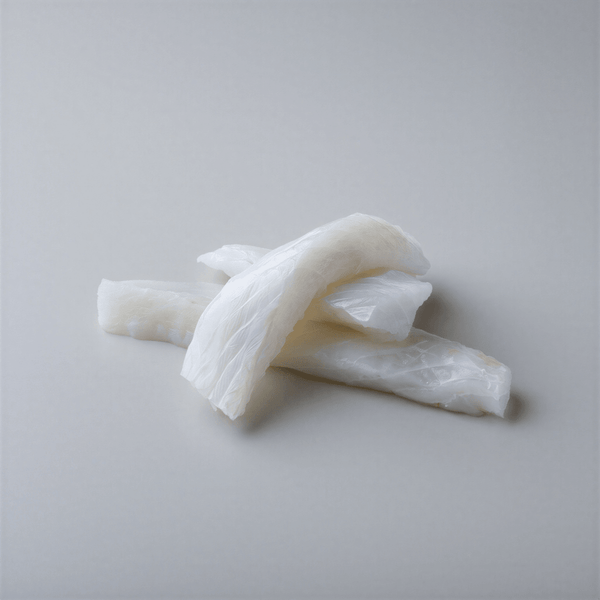
Cut the fillets into strips 7-8 cm long by 2-3 cm wide. They should be thick sticks, not thin slices. If the cod is very thick (more than 3 cm), cut it in half horizontally.
Step 2: Marinate (10 minutes, optional but recommended)
Place the cod strips in a bowl with the juice of half a lemon, a pinch of paprika and garlic powder. Mix gently and let rest for 10 minutes. This quick marinade adds background flavor and helps the batter adhere better.
Step 3: Prepare the batter (2 minutes)
In a large bowl, mix the flour with the paprika, garlic powder and salt. Make a well in the center. Pour in the VERY cold beer all at once and mix with a fork for only 10-15 seconds. If using egg yolk, add it with the beer. The batter should have the consistency of thick liquid yogurt, with visible lumps.
Step 4: Fry (10-15 minutes)
Heat the oil in a deep pan or fryer to 190 °C (this is higher than for other fried foods — the high temperature seals the batter quickly and prevents it from absorbing oil). Dry each cod strip again with paper before dipping it in the batter.
Dip each stick into the batter, ensuring it is completely covered. Let excess drip off for 2 seconds and carefully place in the hot oil. Fry for 3-4 minutes per batch, turning once, until golden and crispy.
Golden rule: do not put more than 4-5 pieces at a time. Overcrowding the pan lowers the oil temperature, and the batter absorbs fat instead of sealing.
Step 5: Drain and serve immediately
Drain on a wire rack (better than paper, which generates steam and softens the batter). Serve immediately with lemon wedges. Pavías DO NOT wait: every minute they spend out of the oil, they lose crispiness.
Tips for the crispiest batter
| Common mistake | Result | Solution |
|---|---|---|
| Over-beaten batter | Tough and chewy batter | Mix for only 10-15 seconds, leave lumps |
| Lukewarm beer | Heavy batter without air | Beer from the freezer (2-4 °C) |
| Oil below 180 °C | Oily and soft pavías | Use thermometer, maintain 185-190 °C |
| Too many pieces at once | Temperature drops, batter doesn't seal | Maximum 4-5 per batch |
| Damp cod | Batter doesn't adhere, splatters | Dry very well with paper towels |
| Drain on paper | Steam softens the base | Use an elevated rack over a tray |
Professional tip: add a tablespoon of vodka to the batter. Alcohol evaporates faster than water during frying, which creates a crispier and lighter crust. The taste is not noticeable.
Batter variations for pavías
- Saffron batter (classic Madrid style): Replace the paprika with a few saffron threads infused for 10 minutes in hot beer, then chill everything in the fridge before mixing. Spectacular intense golden color.
- Sparkling water batter: Replace beer with very cold sparkling water. A more neutral batter that allows the cod's flavor to shine through.
- Japanese tempura batter: 100 g flour + 50 g cornstarch + 200 ml ice-cold water with ice cubes. The crispiest and lightest of all, but requires oil at 195 °C.
- Gluten-free batter: Substitute wheat flour with rice flour + cornstarch (half and half). Works perfectly and is even crispier.
- Spiced batter: Add cumin, turmeric, or Espelette pepper for a different touch.
If you prefer a non-fried version, you can try air-fried pavías — they're not the same, but they're a valid healthy alternative.
Accompaniments and sauces for cod pavías

Cod pavías are traditionally served with simple accompaniments that complement without competing:
- Lemon: The universal classic. A squeeze of lemon just before eating enhances all the flavors.
- Fried red pepper: Strips of red pepper fried in the same oil. The classic accompaniment for soldaditos de Pavía.
- Aioli: Especially in Catalonia and Valencia. Homemade or store-bought (no judgment).
- Tartar sauce: Mayonnaise + pickles + capers + dill. Perfect combination.
- Green sauce: Parsley, garlic, capers, oil, and vinegar. Fresh and light.
- Green salad: As a main course, serve the pavías over lamb's lettuce, arugula, or endive with lemon vinaigrette.
Nutritional value (per serving of 4-5 pavías)
| Nutrient | Quantity | % DV |
|---|---|---|
| Calories | 420 kcal | 21% |
| Protein | 35 g | 70% |
| Fat | 20 g | 26% |
| Carbohydrates | 24 g | 9% |
| Sodium | 720 mg | 30% |
Cod pavías have a surprisingly good nutritional profile for a fried dish: cod provides high-quality protein with very little fat of its own, and if fried at the correct temperature (190 °C), oil absorption is minimal—less than many people imagine.
🛒 Products used in this recipe
⭐ 4.9/5 · Cold shipping 24-48h · Since 1990 at Mercat del Ninot
Conclusion
Cod pavías are a tapa that seems simple but hides a lot of technique. The difference between mediocre and extraordinary pavías lies in three things: ice-cold beer, batter mixed in 10 seconds, and oil at 190 °C. Respect these three principles, and the result will be a light, crispy, and golden batter with a juicy and tender cod interior.
Remember that the quality of the cod is essential—you need thick loins of at least 2 cm to keep the inside juicy while the outside browns. Thin pieces dry out instantly.
Desalted cod for perfect pavías
Thick loins of desalted cod, ready to cut and batter. Selected at Mercat del Ninot since 1990. View collection →

Frequently Asked Questions about Cod Pavías
What is the difference between pavías and soldaditos de Pavía?
Soldaditos de Pavía are a specific variation that includes saffron in the batter (giving it an intense golden color) and is served with fried red pepper. Cod pavías is the generic term for any cod battered in a light mixture and fried. All soldaditos are pavías, but not all pavías are soldaditos.
Why does the beer have to be very cold?
Cold beer (2-4 °C) retains more CO₂ gas. When frying, these micro-bubbles expand rapidly, creating an airy and crispy texture. Additionally, the temperature contrast between the cold batter and hot oil causes faster sealing, which reduces fat absorption.
Can I use sparkling water instead of beer?
Yes, the result is practically identical. Sparkling water provides the same function (bubbles) without the hops flavor. In fact, many professional cooks prefer sparkling water because it gives a more neutral batter that allows the cod flavor to shine.
Why do my pavías turn out soft and oily?
The two main causes are: insufficient oil temperature (it should be 185-190 °C) and putting too many pieces at once (the temperature drops sharply). Use a kitchen thermometer and fry in batches of a maximum of 4-5 pieces. Drain on a wire rack, never on absorbent paper, which generates steam.
Can cod pavías be made in the oven or air fryer?
In an air fryer at 200 °C for 10-12 minutes, an acceptable result is achieved, though not as crispy as traditional frying. In a conventional oven, it doesn't work well—the batter doesn't seal as well and becomes softer. Frying in hot oil is still the method that yields the best result.
Can pavías be prepared in advance?
You can cut and marinate the cod in advance (up to 12 hours in the fridge), but the batter must be prepared just before frying—it loses all its gas in minutes. Already fried pavías can be reheated in an oven at 220 °C for 3-4 minutes, but they will never be like freshly made ones.
What type of cod is best for pavías?
You need thick loins (at least 2 cm thick) to maintain internal juiciness while the exterior fries. Cod from Iceland or Norway (Gadus morhua) is ideal for its firm, flaky texture. Avoid thin pieces like tails or flakes—for those, it's better to make meatballs or fritters.
Can cod pavías be frozen?
Technically yes, but we don't recommend it. The batter loses all its crispiness when defrosted and reheated. It's much better to freeze the cod already cut into strips (without batter) and prepare fresh batter at the moment. This way, you have freshly made pavías in 10 minutes.
Are cod pavías suitable for coeliacs?
The traditional recipe is not, as it uses wheat flour and beer (with gluten). But the gluten-free version works very well: substitute rice flour + cornstarch in equal parts and use sparkling water instead of beer. The result is even crispier than the original version.
How many calories do cod pavías have?
A serving of 4-5 pavías has approximately 420 kcal, with 35 g of protein and 20 g of fat. If fried at the correct temperature (190 °C), oil absorption is minimal—cod itself barely has 0.7 g of fat per 100 g, so most of the calories come from the batter and absorbed oil.
About the author: Marc González Sáez runs Bacalalo.com from Mercat del Ninot in Barcelona, selecting premium cod and preserves since 1990. Each recipe is tested in our kitchen and adapted so you can achieve professional-level results at home.