

Summary: Anisakis (Anisakis simplex) is the best-known fish parasite, but not the only one. There are at least 6 relevant types in commercial fish. Prevention is simple: freezing at -20°C for 72 hours or cooking at a minimum of 60°C in the center. Here are the real facts, without alarmism but without sugarcoating.
Table of Contents
The reality: prevalence data in Spain
Spain is the second European country (after Japan globally) with the most cases of anisakiasis. According to AESAN (Spanish Agency for Food Safety), about 8,000 cases are reported annually, although experts estimate the real number is 4-5 times higher because many mild cases are mistaken for gastroenteritis.
A study by the University of Granada (2020) analyzed 1,432 fish pieces bought in Spanish markets. The result: 36.2% of the samples contained Anisakis larvae. In hake (Merluccius merluccius), prevalence reached 56%. In blue whiting (Micromesistius poutassou), 71%.
These data are not intended to cause panic. They are to make you understand that prevention is not optional—it's common sense. And prevention is extremely simple.
Anisakis: the main parasite
Anisakis simplex is a nematode (roundworm) 2-3 cm long in its L3 larval stage, which is what we find in fish. Its life cycle requires marine mammals (dolphins, whales, seals) as definitive hosts. Fish is an accidental intermediate host—anisakis cannot complete its cycle in humans.
Cycle: Marine mammal excretes eggs → free larvae in water → small crustaceans → fish that eat crustaceans → marine mammal that eats fish. When humans consume raw or undercooked fish, the larva tries to penetrate the gastric mucosa, causing two types of reaction:
- Gastric Anisakiasis: Acute abdominal pain, nausea, vomiting. Appears 1-12 hours after ingestion. This is the most common form.
- Allergic Anisakiasis: Urticaria, angioedema, and in severe cases, anaphylaxis. Can occur even if the parasite is dead—the reaction is to the nematode's proteins, not the living organism. Affects previously sensitized individuals.
Visual appearance: White or translucent larva, coiled in a spiral, 1.5-3 cm. You find them in the abdominal cavity of the fish, attached to the viscera or embedded in the muscle. In fillets, they can be visible to the naked eye if you look carefully on an illuminated surface.
Other relevant parasites
| Parasite | Type | Affected fish | Risk to humans |
|---|---|---|---|
| Anisakis simplex | Nematode | Hake, blue whiting, mackerel, bonito, anchovy | High (gastric and allergic) |
| Pseudoterranova decipiens | Nematode | Cod, halibut, wild salmon | Moderate (gastric pain) |
| Diphyllobothrium latum | Cestode (tapeworm) | Salmon, trout, perch (freshwater) | Moderate (intestinal infection) |
| Opisthorchis spp. | Trematode | Carp, Asian freshwater fish | High in endemic areas |
| Kudoa spp. | Myxozoa | Tuna, swordfish | Low (liquefies meat post-mortem) |
| Contracaecum spp. | Nematode | Sardine, anchovy, herring | Low-moderate |
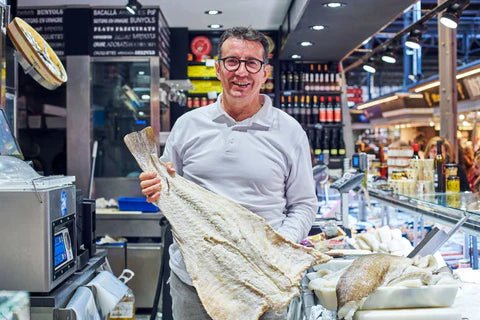
Relevant fact: Pseudoterranova is common in North Atlantic cod (Iceland, Norway). It is larger than Anisakis (3-5 cm), reddish-brown in color, and easier to detect visually. The traditional cod salting and desalting process eliminates the risk if it has been previously frozen.
Fish species and risk level
| High risk | Moderate risk | Low/No risk |
|---|---|---|
| Hake | Salmon (wild) | Salmon (aquaculture) |
| Blue whiting | Monkfish | Farmed sea bream |
| Anchovy (raw) | Cod | Farmed sea bass |
| Mackerel | Tuna | Mussels and bivalves |
| Horse mackerel | Sardine | Cephalopods (octopus, squid) * |
* Cephalopods may contain anisakis, but prevalence is low (<5%) compared to pelagic fish.
Important: Bivalve mollusks (mussels, clams, cockles, oysters) do not pose an anisakis risk. As filter feeders, they do not ingest parasite larvae. Their health risks are different (biotoxins, Vibrio), but not nematode parasites.
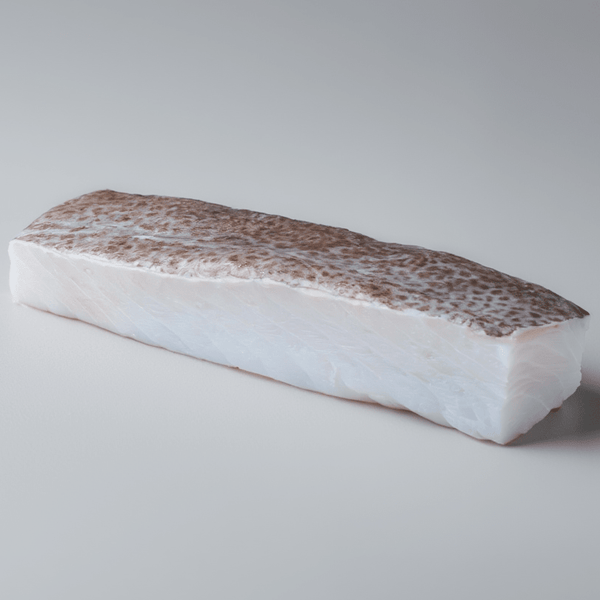
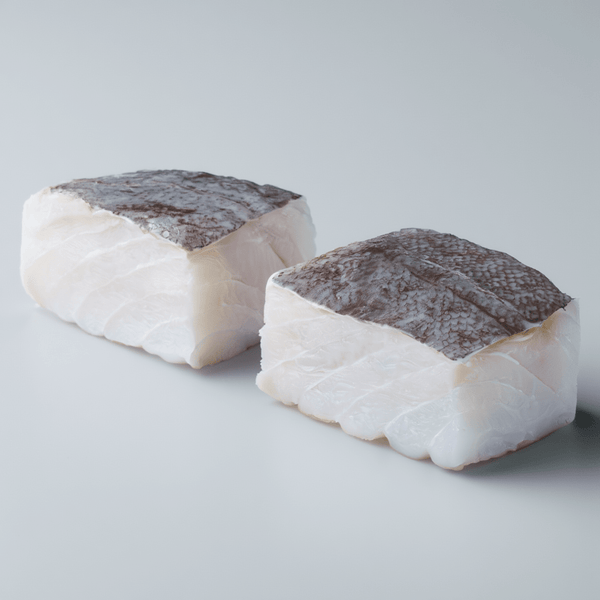
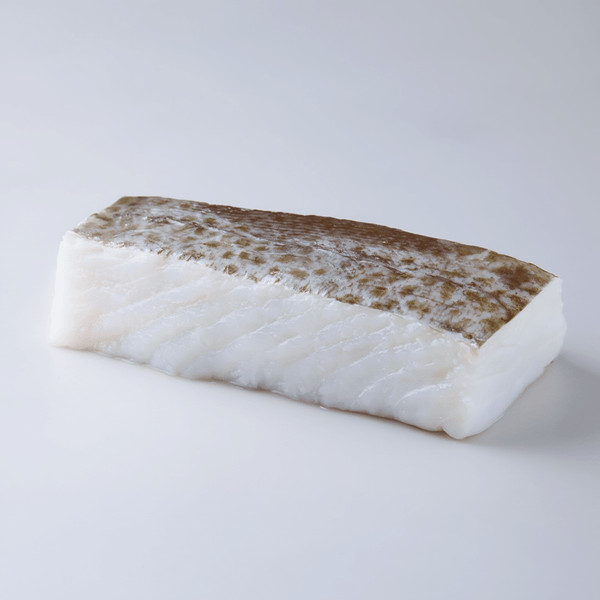
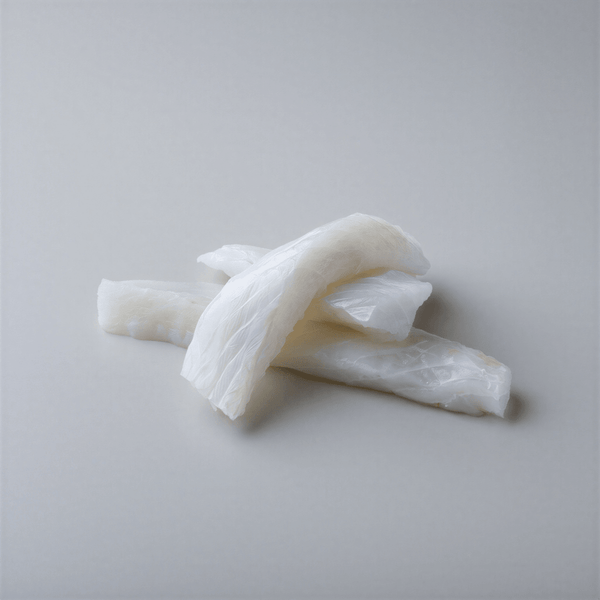
Our desalted cod complies with all prior freezing regulations. And our gourmet preserves eliminate any parasitic risk due to the sterilization process at over 115°C.
Prevention: freezing, cooking, or buying safe
European regulations (EC Regulation 853/2004) and Spanish regulations (RD 1420/2006) require freezing fish that will be consumed raw or semi-raw. The three effective prevention methods:
1. Freezing:
- -20°C for 72 hours (3-star or higher domestic freezer)
- -35°C for 15 hours (industrial freezing)
- -20°C for 24 hours (European regulation for establishments)
2. Cooking: Internal temperature of 60°C maintained for 1 minute. In practice, any well-cooked fish (baked, fried, boiled, grilled without leaving the center raw) exceeds this threshold. The risk is in preparations that leave the center raw: tataki, sashimi, ceviche, pickled anchovies.
3. Canned goods: The industrial sterilization process (115-121°C for 20-90 minutes depending on format) completely destroys any parasite, its larvae, and its allergenic proteins. A can of preserved fish is the safest format from a parasitic point of view.
What does NOT work:
- Vinegar: does not kill anisakis. Pickled anchovies without prior freezing are the main cause of anisakiasis in Spain.
- Lemon/citrus: ceviche does not kill anisakis. The acidity of lemon (pH ~2) is not enough to destroy the larva.
- Salt: salting at concentrations >6% NaCl for weeks can kill larvae, but it is not a reliable method for home use.
- Cold smoking: does not reach lethal temperatures for the parasite.
Why canned goods are inherently safe
The industrial canning process involves sterilization at 115-121°C (autoclave) for a time calculated to reach an F0 value ≥ 3 (equivalent to 3 minutes at 121°C at the coldest point of the package). This temperature destroys:
- All vegetative forms of bacteria
- Spores of Clostridium botulinum
- Nematode larvae (anisakis, pseudoterranova)
- Parasitic allergenic proteins (denatured at >100°C)
This means that a can of tuna, sardines, mussels, or cockles is intrinsically free of parasitic risk. It does not require prior freezing or additional precautions. It is one of the safest animal protein formats available.
Symptoms and what to do if you suspect infection
Gastric Anisakiasis (most common):
- Intense, colicky abdominal pain, 1-12 hours post-ingestion
- Nausea and/or vomiting
- May mimic appendicitis or gastric ulcer
Allergic Anisakiasis:
- Urticaria (red itchy welts)
- Angioedema (swelling of lips, eyelids, hands)
- In severe cases: anaphylaxis (difficulty breathing, drop in blood pressure)
What to do: Go to the emergency room if you have severe abdominal pain after eating raw or undercooked fish. Digestive endoscopy can directly remove the larva. In case of an allergic reaction with breathing difficulties, call 112 immediately.
Diagnosis: Hemogram with eosinophilia, specific IgE anti-anisakis, endoscopy. If the episode was mild and has passed, your doctor may request specific IgE to confirm sensitization.
The safest way to enjoy fish without worries: sterilized gourmet preserves. Zero parasitic risk, maximum flavor, high-quality protein.
Frequently Asked Questions
Do pickled anchovies kill anisakis?
No. Vinegar (4-6% acetic acid) does not kill anisakis larvae. Larvae can survive in vinegar for weeks. Spanish regulations require anchovies to be frozen at -20°C for 72 hours BEFORE preparing pickled anchovies. Without prior freezing, pickled anchovies are the main cause of anisakiasis in Spain.
Does farmed salmon have anisakis?
The prevalence is practically zero. Farmed salmon are fed processed feed, not wild fish, which breaks the parasite's cycle. Norway (the main producer) reports an incidence of less than 0.1% in farmed salmon. Even so, AESAN recommends freezing if consumed raw, as a precaution.
Does my home freezer reach -20°C?
It depends on its rating. 3-star (***) freezers reach -18°C, 4-star (****) freezers reach -24°C. To safely eliminate anisakis at home, use a 4-star freezer and freeze for at least 5 days (AESAN recommends 5 days for standard domestic freezers). Or use a 3-star freezer and freeze for 7 days for a greater margin of safety.
Do clams, mussels, and oysters have anisakis?
No. Bivalve mollusks are filter feeders that consume phytoplankton and microparticles. They do not ingest nematode larvae. Their health risks are different (red tide biotoxins, Vibrio, norovirus), but not anisakis-type parasites.
Can I see anisakis with the naked eye?
Yes. The L3 larva is 2-3 cm long and visible, especially on light fillets (hake, cod). It is usually coiled in a spiral. A professional trick: place the fillet on an illuminated surface or shine a light behind it—the larvae will appear as translucent white threads. However, not all larvae are on the surface—they can be embedded in the muscle, which is why freezing or cooking is essential.
Can one be allergic to anisakis without the live parasite?
Yes. The allergy is to the nematode's proteins (Ani s 1 to Ani s 12), not the live organism. A sensitized person can react to residual proteins even in well-cooked or frozen fish. It is rare, but it exists. If you have positive IgE for anisakis, consult your allergist about which fish and preparations you can safely consume.
Keep exploring
Desalted cod · Gourmet preserves · Sardines and small sardines · Canned mussels · Canned tuna and bonito