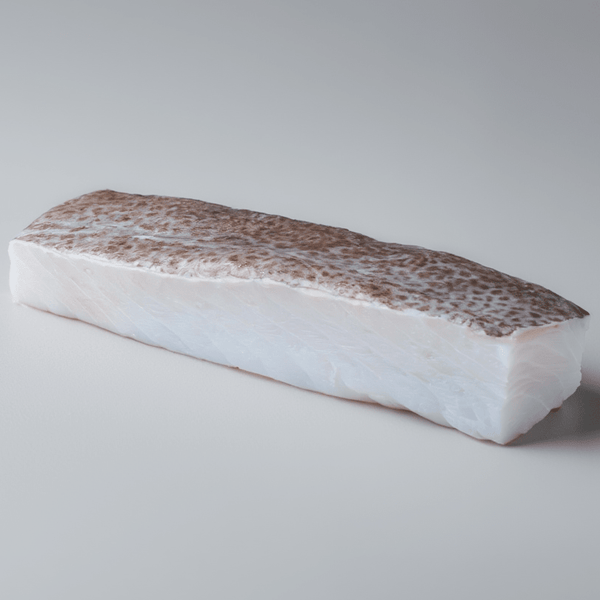
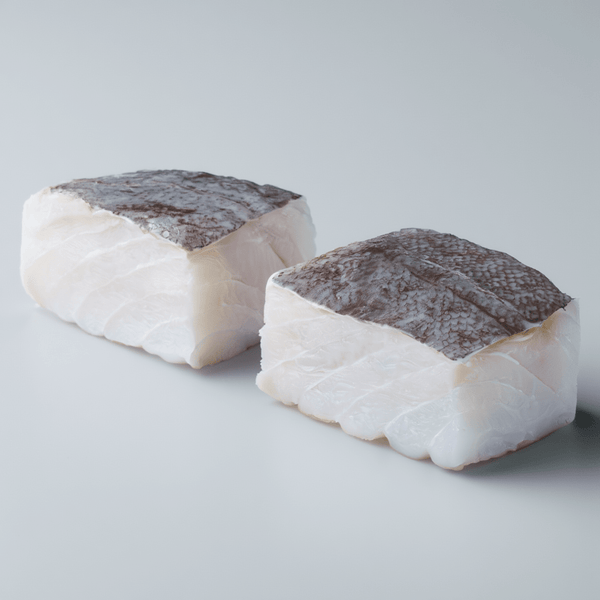
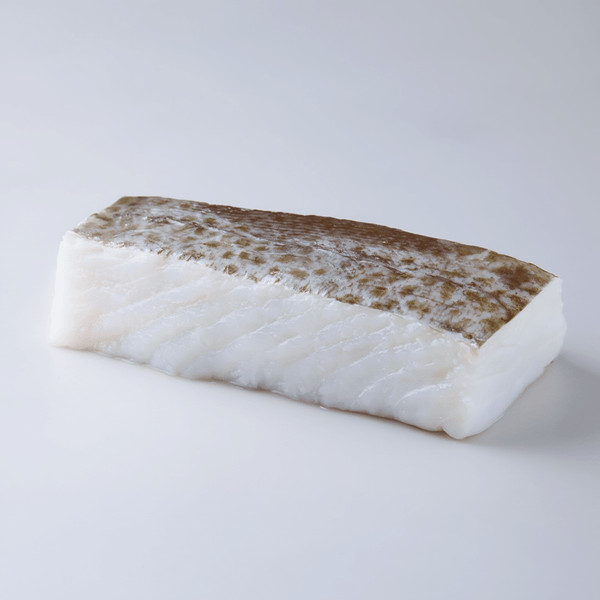
Confit cod has become one of MasterChef's star dishes. In season 11 of MasterChef Celebrity, this dish starred in one of the most memorable challenges: confiting cod at a low temperature with roasted peppers and crispy pork rinds. A dish that seems simple but hides a precise technique that separates amateur cooks from professionals. In this guide, we teach you how to replicate this recipe step by step, with the tricks that Marc González Sáez has perfected in more than 35 years working with cod in Barcelona's Mercat del Ninot.
Table of contents
- Confit cod on MasterChef: the challenge that made history
- What does "confit" mean and why does it work with cod?
- Ingredients for 4 people
- Preparing the cod: perfect desalting
- Confit, step by step: temperature and times
- Roasted peppers: grilling technique
- Crispy pork rinds: the texture touch
- MasterChef-style plating
- Common mistakes when confiting cod
- Recipe variations
- Pairing: what wine to serve
- Frequently asked questions
Confit cod on MasterChef: the challenge that made history
Confit cod has appeared in multiple editions of MasterChef Spain, but it was on MasterChef Celebrity where it became an iconic dish. Contestants had to prepare a cod loin confited at a low temperature, accompanied by roasted peppers and crispy pork rinds. What seemed like an accessible recipe ended up being the most tense elimination challenge of the season.
The main problem was the oil temperature. Confit is not frying: it requires maintaining the oil between 60 °C and 80 °C for a prolonged period. Several contestants exceeded 90 °C and obtained dry, fibrous cod instead of the silky, unctuous texture that defines a good confit. Jordi Cruz, a member of the jury, summarized it this way: "Confit cod is an exercise in patience and thermometry."
This recipe we present to you is inspired by that challenge, but enriched with over three decades of experience selecting and preparing cod. At Mercat del Ninot in Barcelona, we have been working with the best pieces of cod from the North Atlantic since 1990, and we know every nuance of this extraordinary fish.
What does "confit" mean and why does it work with cod?
Confit is a slow cooking technique in fat (usually olive oil) at a low, controlled temperature. Unlike frying, where the oil exceeds 170 °C, confit is done between 60 °C and 80 °C. This low temperature allows the fish proteins to coagulate gently, without contracting or expelling internal moisture.
The result is a texture that cannot be achieved with any other cooking method:
- Silky exterior: the natural gelatin of the cod partially melts, creating a bright and unctuous layer.
- Juicy interior: the cod fibers remain separate and tender, almost falling apart at the touch of a fork.
- Concentrated flavor: since there is no evaporation of juices, all the flavor stays inside the fish.
- Flavored oil: the oil absorbs the notes of the cod and the herbs we add, becoming a sauce in itself.
Cod is especially suitable for confit because its firm flesh and thick flakes hold up well to prolonged cooking without falling apart. In addition, the residual salt from the desalting interacts with the oil, creating a natural emulsion that resembles pil-pil, but more subtle.
Ingredients for 4 people
For the confit cod
- 4 quality desalinated cod loins (about 180g each)
- 500 ml mild extra virgin olive oil (Arbequina ideal)
- 4 cloves garlic, sliced
- 1 sprig fresh rosemary
- 1 bay leaf
- 1 dried chili pepper (optional)
For the roasted peppers
- 4 large red peppers
- 2 tablespoons extra virgin olive oil
- Maldon sea salt flakes
For the crispy pork rinds
- 200g thinly sliced Iberian pork belly
- 1 teaspoon sweet paprika from La Vera

The cod makes all the difference.
Available at Bacalalo.com with 24-48h refrigerated shipping
Preparing the cod: perfect desalting
Desalting is the invisible phase that determines the success of any cod recipe. For confit, you need precise desalting: neither too salty (it would dominate the dish) nor too desalted (the cod would be bland and soft in texture).
Desalting process for confit:
- Cut the loins into individual portions before desalting. Smaller pieces desalt faster and more evenly.
- Submerge in cold water in the refrigerator. Change the water every 8 hours.
- Total time: 36-48 hours for thick loins. For confit, a slightly shorter desalting (36 hours) is preferable to leave a residual salt point that will enhance the flavor during slow cooking.
- Salt test: cut a thin corner and taste it raw. It should taste like fish with a pleasant salty touch, not just salt.
- Dry the loins with paper towels. Exterior moisture is the enemy of confit because it causes bubbles and splashing in the oil.
A professional trick: after drying the loins, leave them for 30 minutes at room temperature before confiting. If they go directly from the cold to the oil, the temperature difference makes it difficult to maintain a stable 65-70 °C.
Confit, step by step: temperature and times
This is the critical phase. The one that tripped up the MasterChef contestants. Follow these steps precisely:
- Prepare the flavored oil: pour the olive oil into a wide, shallow saucepan. Add the sliced garlic, rosemary, bay leaf, and chili pepper. Heat over very low heat until the oil reaches 60 °C. Maintain for 10 minutes to infuse the aromas.
- Control the temperature: you need a kitchen thermometer. There are no shortcuts. The ideal range is 65-70 °C. Above 80 °C, the cod begins to cook too quickly. Below 55 °C, the cooking will be insufficient.
- Add the loins: place them skin-side up. The oil should cover them completely. If you don't have enough oil, add more. The cod must be submerged.
- Confit for 20-25 minutes: at 65-70 °C, a 3 cm thick loin needs about 20 minutes. You'll know it's ready when the flakes begin to separate slightly and the surface has a shiny, gelatinous appearance.
- Rest in the oil: turn off the heat and leave the cod in the oil for 5 more minutes. This rest equalizes the internal temperature and improves the final texture.
Signs that it's perfect: when gently pressed with a finger, the loin yields without resistance. The flakes separate easily. The surface shines. When cut, the interior is opaque and uniform, with no translucent areas (raw) or dry, fibrous areas (overcooked).
Roasted peppers: grilling technique
On MasterChef, they roasted the peppers directly over the stove flame. At home, you can replicate this in several ways:
Option 1 — Oven at maximum power (250 °C): place whole peppers on the oven rack with a tray underneath. Roast for 30-40 minutes, turning every 10 minutes, until the skin is black and blistered all over.
Option 2 — Direct flame: if you have a gas hob, place the peppers directly on the burner grate over medium-high heat. Turn with tongs every 2-3 minutes. They will be ready in 12-15 minutes.
Option 3 — Barbecue: the best option if you have one available. The smoke from the coals adds a depth of flavor impossible to replicate in the oven.
Once roasted, place them in a sealed plastic bag or a bowl covered with cling film for 15 minutes. The steam will loosen the burnt skin. Then, peel under a gentle stream of water, remove the seeds, and cut into wide strips. Dress with a drizzle of olive oil and a few Maldon salt flakes.
Crispy pork rinds: the texture touch
Pork rinds provide the crunchy contrast this dish needs. The key is to get them completely crispy without burning or becoming chewy.
- Cut the pork belly into half-centimeter thick strips. If you freeze it for 20 minutes beforehand, it will be easier to cut thinly and evenly.
- Cold cooking: place the strips in a cold pan, without oil. Turn on medium-low heat. The pork belly will gradually release its own fat.
- Patience: it will take about 12-15 minutes. Do not increase the heat. Slow cooking melts the internal fat and leaves the pork rind crispy without charring it.
- Drain on paper and immediately sprinkle with paprika from La Vera. The residual heat will activate the aromas of the paprika.
The pork rinds can be prepared in advance and reheated for 2 minutes in an oven at 180 °C just before serving.
MasterChef-style plating
MasterChef plating follows a clear visual logic: base, main ingredient, accompaniment, texture, and finish. Apply it like this:
- Base: place the roasted pepper strips in the center of the plate, forming an irregular nest. Don't stack them, distribute them naturally.
- Main ingredient: with a wide spatula, remove the cod loin from the oil, let it drain for a few seconds, and place it over the peppers. Skin side up.
- Texture: lean 3-4 pork rinds at an angle against the cod. Make them visible, adding verticality to the dish.
- Sauce: a spoonful of the strained confit oil around the plate. Not on top of the cod, but forming a mirror at the base.
- Finish: a few Maldon salt flakes on the cod, some fresh parsley leaves or green sprouts, and a thin drizzle of quality extra virgin olive oil.
On MasterChef, Samantha Vallejo-Nágera insisted on the importance of not overfilling the plate: "Less is more. Let the cod speak." Three well-executed elements impress more than ten mediocre ones.
Common mistakes when confiting cod
These are the mistakes we saw on MasterChef and that home cooks also make:
- Oil too hot: the number one mistake. If you see active bubbles around the cod, the oil is too hot. Immediately lower the heat and wait for it to stabilize.
- Cod directly from the refrigerator: a cold piece quickly cools the oil. Take the cod out 30 minutes beforehand.
- Too little oil: the cod must be completely submerged. If it sticks out, that part cooks unevenly.
- Moving the cod: once submerged, do not touch it. Moving it breaks the flakes and ruins the texture.
- Excessive desalting: cod that is too desalted becomes bland and cottony in texture when confited. Residual salt is part of the flavor.
- Serving cold: confit cod should be served warm. If you wait too long, the natural gelatin solidifies and loses its unctuous texture.
Recipe variations
The confit cod base allows for many accompaniments beyond peppers and pork rinds:
- With brandada: serve the confit loin over a base of cod brandada (mashed potato with shredded cod and olive oil). This doubles the presence of cod in two different textures.
- With piquillo pepper cream: blend roasted piquillo peppers with a confit garlic clove and a splash of cream. A perfect base for the loin.
- With aioli foam: a soft aioli whipped with a siphon adds lightness and a garlic contrast that naturally combines with cod.
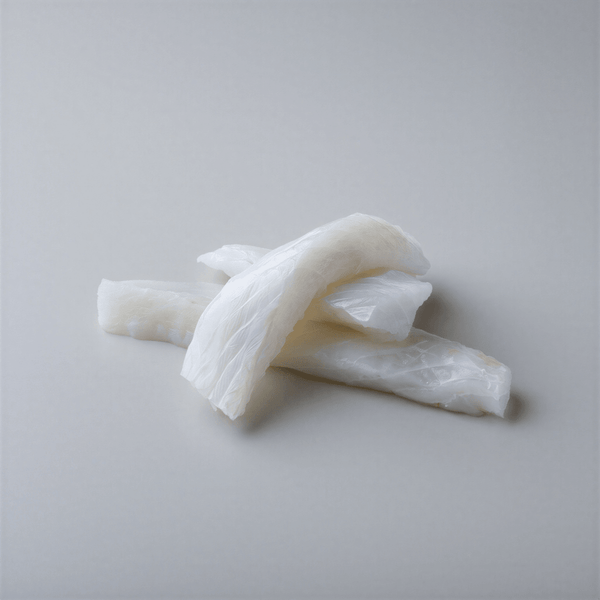
- With kokotxas: add some cod kokotxas to the confit oil during the last 5 minutes. Their gelatinous texture contrasts with the firmness of the loin.
Pairing: what wine to serve
Confit cod with roasted peppers calls for a wine that balances the richness of the oil and the sweetness of the pepper:
- Aged Albariño: the acidity of Albariño cuts through the fat of the confit, and the months on lees provide body to accompany the intensity of the dish.
- Godello: mineral, with medium body, works especially well with roasted peppers.
- Rioja Viura: if you prefer something more neutral, a young white Rioja offers freshness without competing.
- Txakoli: its slight effervescence and high acidity cleanse the palate between bites. Ideal in summer.
Discover our premium selection
Seafood products carefully selected since 1990 at Mercat del Ninot, Barcelona. Refrigerated shipping 24-48h.
🛒 Products used in this recipe
⭐ 4.9/5 · Cold shipping 24-48h · Since 1990 at Mercat del Ninot
Conclusion: confit cod is about technique, not difficulty
What MasterChef demonstrated with this challenge is that confit cod doesn't require complicated skills, but rather control and patience. A thermometer, good oil, good cod, and 25 minutes of attention. Nothing more. If you master the temperature, the result will be a dish that would impress the judges of any cooking competition. And if you start with premium quality cod like the one we've selected at Mercat del Ninot since 1990, half the work is already done.
What is the exact temperature for confit cod?
The ideal temperature for confit cod is between 65 °C and 70 °C. Above 80 °C, the cod cooks too quickly and loses the silky texture characteristic of confit. A kitchen thermometer is essential to control this process.
How long does it take to confit a cod loin?
A cod loin about 3 cm thick needs between 20 and 25 minutes at 65-70 °C. Thinner loins may be ready in 15 minutes. The visual cue is that the flakes begin to separate slightly and the surface shines with a gelatinous appearance.
Can the confit oil be reused?
Yes, and it is recommended. The confit oil absorbs flavors from the cod, garlic, and herbs, becoming a high-quality flavored oil. Strain it and use it to dress salads, cook potatoes, or even to confit more cod. It keeps in the refrigerator for up to a week.
What type of oil is best for confit?
A mild extra virgin olive oil, such as the Arbequina variety. Spicy or intensely bitter oils can overpower the flavor of the cod. Avoid sunflower or seed oils: they don't add flavor and the result is inferior.
Can cod be confited without desalinating?
It is not recommended. Salted cod without desalinating would add an excessive amount of salt to the oil and the final dish. Controlled desalinating (36-48 hours) is an essential preliminary step for any cod recipe, including confit.
In which MasterChef season was confit cod featured?
Confit cod has appeared in several seasons, but it was particularly memorable in MasterChef Celebrity, where the challenge of confiting cod with roasted peppers and pork rinds caused several eliminations. The confit technique has been repeated as a technical challenge due to its apparent simplicity and real difficulty.