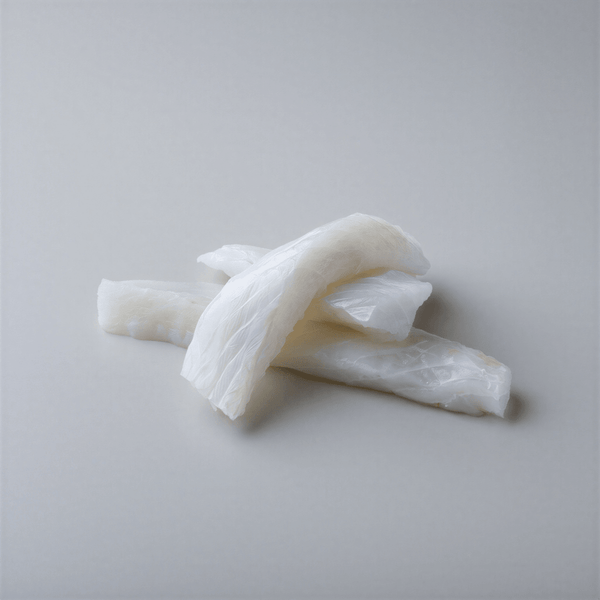
La Sirena is a Spanish chain of frozen food stores with hundreds of sales points. A lot of people buy their seafood and fish there, and it makes sense: it's convenient, close to home, and the price is usually very competitive. The most frequently asked question isn't whether La Sirena is good or bad—that's not the point—but a more useful one: when is frozen food suitable, and when is fresh or gourmet seafood worth it?
Here's an honest comparison. We neither demonize frozen food nor paint it as a substitute for everything. Each has its moment, and knowing how to distinguish them saves you money in some cases and frustration in others.
What you find at La Sirena (frozen seafood and fish)
The catalog of a frozen food store like La Sirena covers virtually the entire seafood family in ultra-frozen format. Broadly speaking, what you usually find:
- Raw and cooked shellfish: prawns and shrimp (whole, peeled, tails), mussels, clams, clean squid and cuttlefish, rings, cooked octopus in tubs or vacuum-packed.
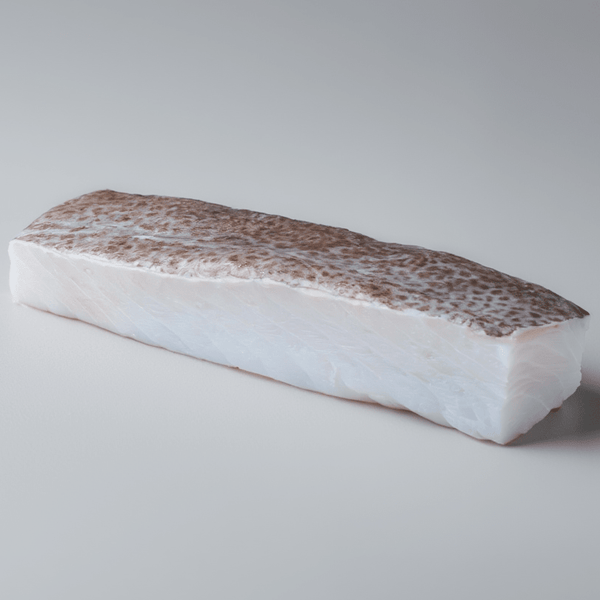
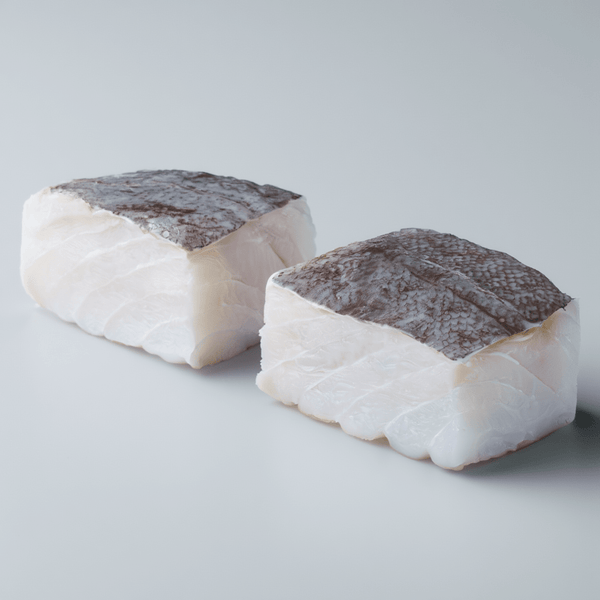
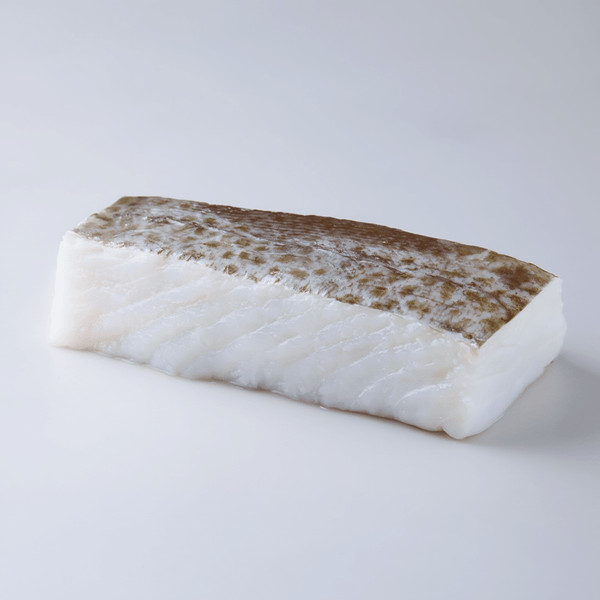
- Fish fillets and portions: hake, cod, pangasius, salmon, sea bream, or sea bass in loins, often boneless and ready for the oven or grill.
- Prepared and breaded dishes: fish sticks, seafood croquettes, calamari rings, glass eels (gulas), paellas and seafood rice dishes, stocks and broths.
- Seafood mixes: the classic "paella mix" or "seafood stir-fry" with various species combined.
The good, unreservedly acknowledged: industrial ultra-freezing is a serious technique. When the product is frozen on board or at the plant a few hours after capture and at very low temperatures (–18 °C or less), small ice crystals form that cause little damage to the fibers. This means that well ultra-frozen seafood can retain its texture and freshness better than "fresh" seafood that has been in ice for four days circulating through the distribution chain. Convenience, price, and year-round availability are real advantages, not just marketing.
Frozen vs. Fresh: When is Each Worth It?
The key is to understand that "fresh" and "frozen" are not quality categories, but process categories. There's excellent frozen and mediocre fresh, and vice versa. What changes is what you're going to use it for.
| Criterion | Frozen (La Sirena type) | Fresh / Gourmet Selected |
|---|---|---|
| Convenience | High: lasts months, buy and use on demand | Medium: must be consumed soon or stored well |
| Price | Competitive, especially for mixes and breaded items | Higher, but you pay for selection and traceability |
| Texture after thawing | Good in stews; may release water when grilled | Firm and juicy, ideal for raw or perfectly cooked preparations |
| Traceability | Generic (FAO zone, batch); difficult to know exact origin | Detailed: species, zone, season, sometimes fish market |
| Best Use | Stews, rice dishes, fried foods, stir-fries, everyday meals | Raw, short cooking times, occasions where the product is the star |
Translated into real cooking:
- Frozen shines when the product goes into a stew, rice dish, fry, or stir-fry. Here, the sauce, broth, or breading dictates, and ultra-frozen prawns or cuttlefish perform perfectly for much less money. For everyday cooking, it's a smart choice.
- Fresh or gourmet wins when the product is the star: grilled seafood that demands juiciness, oven-baked fish where texture is key, or any raw preparation. Also, when you're looking for a specific seasonal species and want to know its origin.
A technical tip that applies to any frozen food: always thaw in the refrigerator, never at room temperature or under hot running water. Slow thawing prevents the seafood from releasing all its juices and becoming rubbery. And if you're going to grill it, dry it thoroughly with paper beforehand: excess water is what ruins the texture, not the fact that it was frozen.
Seafood and Octopus: What to Look for in Quality
Whether you buy frozen or fresh, there are objective signs that separate good product from mediocre. You don't need to be an expert, just know where to look.
Prawns and Shrimp
- Head well attached to the body and a shiny shell. Black or blackened heads indicate poor preservation.
- Clean sea smell, never ammonia.
- In frozen, be wary of excessive ice or very thick "glazing": sometimes you're paying for water. A thin glaze protects; an excessive one inflates the weight.
Octopus
- Frozen octopus has a real and little-known advantage: freezing breaks its fibers and tenderizes it, just like the old trick of "scaring" or beating it. That's why many professional pulperos (octopus preparers) intentionally freeze octopus before cooking it.
- Look for intact skin, well-formed suckers, and a uniform purplish-gray color. Those with thick legs usually offer a better bite.
- Well-cooked Galician octopus should be tender but with a bite, never chewy or mushy. If you want cooked octopus ready to plate with pulpería quality, check out the selection of Galician octopus, where the piece and cooking point are carefully chosen.
Fish and Preserves
- For fresh: firm flesh that springs back when pressed, bright eyes, red gills.
- For gourmet preserves: quality olive oil, whole loins, species and region indicated on the label. A good preserve is not a substitute for fresh, it's another category with its own excellence.
The Gourmet Alternative: Selected Seafood Product
Large-format frozen food solves everyday needs. But there's an area where the difference is truly noticeable: when you want traceability, seasonality, and selection, and not just to fill your plate.
That's the league of gourmet seafood: pieces chosen by size and origin, artisan preserves with premium raw materials, and specialties—octopus, shellfish, cured fish, roe—where flavor is prioritized over price per kilo. It doesn't compete with supermarket frozen food in convenience or price; it competes in something else, and that's why it coexists perfectly with it in a discerning pantry.
If you want to take that leap when the moment calls for it—a special meal, a gift, or simply trying seafood with provenance and seasonality behind it—in the selection of preserves and gourmet products you'll find references chosen with that criterion. The idea is not for you to stop buying frozen food, but for you to know when each thing has its place.
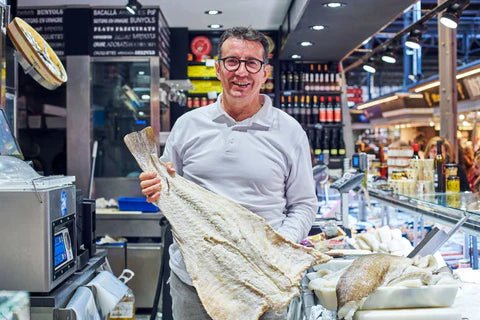
We have been selecting seafood products at the Mercat del Ninot in Barcelona since 1990, and the conclusion is always the same: the best buyer is not the one who pays the most, but the one who knows what to ask for on each occasion.
Frequently Asked Questions
Is La Sirena's frozen seafood good?
Yes, honestly: ultra-frozen seafood from a specialized chain is a perfectly valid option, especially for stews, rice dishes, and fried foods. Ultra-freezing preserves the product well, and the price is very competitive. Where it falls short is in preparations where seafood is the star (grilled, raw) and when you're looking for origin and seasonal traceability; there, fresh or selected gourmet wins.
Does fish lose quality when frozen?
It depends on the method. Industrial ultra-freezing at –18 °C or less, done shortly after capture, causes very little damage to the fibers and can preserve fish better than "fresh" fish that has been in the chain for days. The problem arises with slow or poorly done home freezing. The key to the result lies as much in the freezing as in slow thawing in the refrigerator.
Is fresh or frozen octopus better?
For cooking, frozen is often even better: the cold breaks the fibers and tenderizes it, preventing it from becoming tough. Many professionals intentionally freeze fresh octopus before cooking it. The important thing is not fresh vs. frozen, but the quality of the piece and the cooking point: tender with a bite, never chewy or mushy.
Do you want seafood with genuine origin and selection? Discover carefully chosen seafood, octopus, and preserves in our gourmet selection.