Table of Contents
Oil: olive vs. sunflower — the debate resolved with science
This debate has been going on for decades and can be settled with a single piece of data: the smoke point.
The smoke point is the temperature at which an oil begins to degrade, produce acrolein (toxic), and generate smoke. For frying fish, you need at least 180 °C stably. Let's see what happens with each oil:
| Oil | Smoke point | Stability | Flavor | Approx. price |
|---|---|---|---|---|
| EVOO (extra virgin) | 160-180 °C | Medium-low for frying | Strong, fruity | €5-8/L |
| Mild olive (refined) | 210-230 °C | High | Neutral | €4-6/L |
| Conventional sunflower | 225-230 °C | Medium (oxidizes quickly) | Neutral | €2-3/L |
| High oleic sunflower | 230-240 °C | High | Neutral | €3-4/L |
| Olive pomace | 230-240 °C | Very high | Neutral | €3-5/L |
Verdict: For deep frying fish, the best oil is mild olive oil (also called "olive oil" plain, without "virgin"). It combines a high smoke point with the chemical stability of oleic acid. High oleic sunflower oil is the second option. EVOO is not for frying — use it raw where its flavor adds value.
And forget about mixing used oils with new ones. Every time you heat oil, polar compounds are generated. Spanish regulations (RD 2207/1995) establish that frying oil should not exceed 25% polar compounds. Oil used 4-5 times already approaches that limit.
Exact temperature: the difference between crispy and greasy
Temperature is the most important factor in frying. Everything else — oil, coating, fish — is secondary if the temperature is not correct.
What happens at each temperature:
- Less than 150 °C: The water in the fish does not evaporate fast enough. The oil penetrates the piece. Result: greasy fish, soft coating.
- 160-170 °C: Cooking zone, not frying. Acceptable for very thick pieces that need to cook through (whole, for example).
- 175-185 °C: The optimal zone. Water on the surface evaporates instantly, creating a steam barrier that prevents oil from penetrating. The coating seals and becomes crispy. The inside cooks by the steam of its own moisture.
- 190-200 °C: For small, thin pieces (anchovies, chanquetes) that need ultra-fast sealing.
- More than 200 °C: The coating burns before the inside cooks. Dangerous — the oil can reach its smoke point.
Practical tip: Buy a kitchen thermometer. They cost €8-12 and are the best investment for frying. If you don't have a thermometer, the bread trick works: drop a 2 cm cube of bread — if it bubbles up in 2-3 seconds and browns in 40 seconds, you are at 175-180 °C.
Batter vs. flour coating: when to use each
They are not the same. And using one when you need the other is the most common mistake in home cooking.
Flour coating (flour only): For fish that already has its own flavor and you want a thin, light crust. Sardines, anchovies, red mullet, sole. The flour creates a 0.5-1 mm layer that seals without masking the fish's flavor.
Batter (flour + egg): For thicker pieces that need more protection and a more powerful crispy layer. Cod, hake slices, monkfish. The egg adds structure and a more pronounced crispness.
Tempura (flour + cold sparkling water): For an ultra-crispy and light, Japanese-style finish. Works very well with shrimp and vegetables. The secret is that the batter should be almost frozen — the thermal shock with the hot oil creates millions of tiny bubbles.
General rule: the thinner the fish, the less coating it needs. A whole anchovy only needs a quick pass through flour. A 3 cm hake slice needs flour + egg to protect the inside.
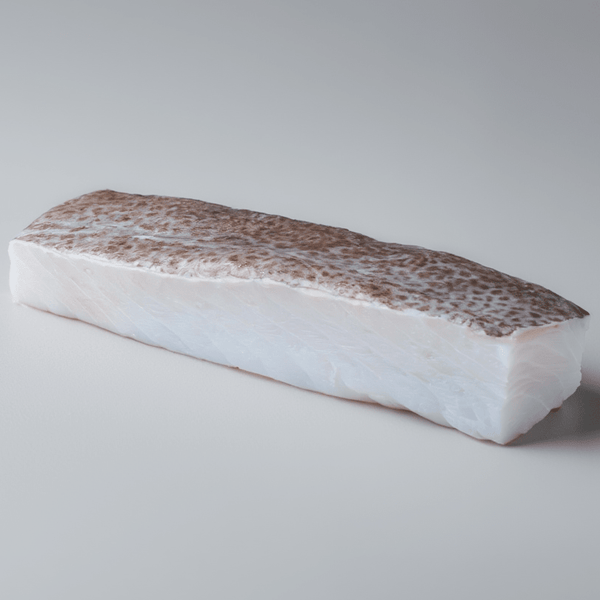
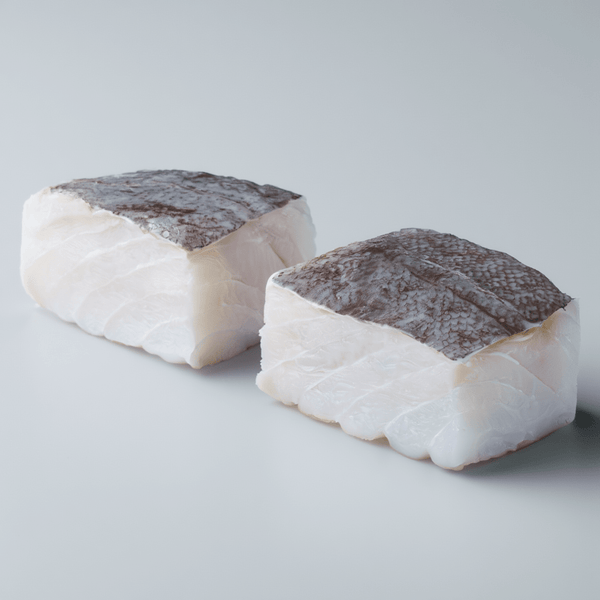
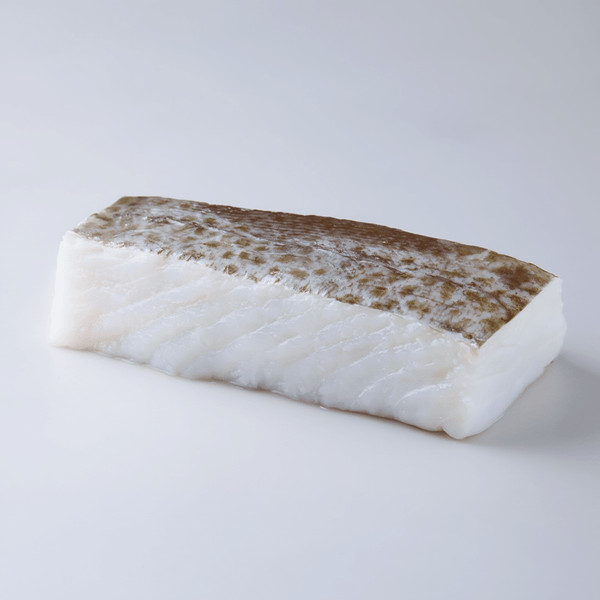
Salt cod is one of the fish that yields the best results when fried — its firm texture and deep flavor withstand both flour coating and egg batter. Try our artisanal salt cod for fritters or breaded fillets.
Frying times by fish type
| Fish | Preparation | Temp. | Time | Indicator |
|---|---|---|---|---|
| Anchovy | Whole, floured | 190 °C | 1.5-2 min | Dark golden, totally crispy |
| Sardine | Whole, floured | 185 °C | 2-3 min | Golden, crispy tail |
| Hake (2 cm slice) | Battered | 175 °C | 4-5 min | Uniform golden, floats |
| Cod (3 cm chunk) | Battered or floured | 180 °C | 4-5 min | Medium golden, firm |
| Monkfish (2 cm medallion) | Battered | 175 °C | 4-5 min | Golden, elastic to the touch |
| Squid (rings) | Floured | 190 °C | 1-1.5 min | Light golden (hardens quickly) |
| Shrimp (medium) | Battered or tempura | 185 °C | 2-3 min | Bright orange, crispy |
| Red mullet | Whole, floured | 180 °C | 3-4 min | Golden and crispy skin |
| Sole | Whole, floured | 175 °C | 3-4 min per side | Light golden, delicate |
| Chanquete / Puntillita | Floured | 195 °C | 45-60 sec | Instant, crispy block |
Draining: rack vs. absorbent paper
This seems like a minor detail but it makes a huge difference.
Absorbent paper: Absorbs oil but also returns moisture. The steam rising from freshly fried fish condenses on the paper and returns to the coating, softening it. If you leave the fish on paper for more than 30 seconds, you lose crispness.
Metal rack: Air circulates on all sides. Steam escapes upwards. Excess oil drips downwards. The coating maintains its crispness for minutes. It's what they use in all professional fry shops.
Tip: Place the rack over a baking sheet. Fry, place on the rack, and if you wish, briefly put it in the oven at 80 °C with the door ajar while frying subsequent batches. This way, everything comes to the table hot and crispy.
The 7 mistakes that ruin fried fish
- Wet fish: Water and hot oil are enemies. Always dry with paper before flouring. If it's thawed fish, gently squeeze it — it releases a lot of water.
- Cold oil: If you put the fish in before the oil reaches temperature, it absorbs fat like a sponge.
- Too much fish at once: The temperature drops 20-30 °C suddenly. Fry in small batches — a maximum of 4-5 pieces depending on the pan's diameter.
- Constantly moving the fish: Leave it still. A single flip when it's golden on the bottom. Each movement tears off pieces of coating.
- EVOO for frying: Its smoke point is too low. Use mild olive or high oleic sunflower oil.
- Not preheating enough: The oil needs 5-8 minutes over medium-high heat to reach 180 °C uniformly.
- Salting before frying: Salt extracts moisture from the surface. Salt AFTER, when it's already on the rack.
Andalusian frying vs. Basque frying: two schools
Spain has two completely different frying traditions:
Andalusian frying: Only flour. Small or cut pieces. Mild olive oil. High temperature (185-195 °C). Short time. Result: thin, crispy crust, juicy fish. The chiringuitos of Cádiz and Málaga are the global reference for this style. The key is the quality of the fish and the cut — a good "pescaíto frito" can include up to 8 different species on the same plate.
Basque frying: Flour + egg (battered). Larger pieces (hake slices, cod loins). Olive oil. Medium temperature (170-180 °C). Longer time. Result: thick, golden layer that protects a juicy, barely cooked interior. Hake in green sauce starts with a Basque batter before adding the broth.
Neither is better — they are techniques for different fish and objectives. The Andalusian celebrates the freshness of the product; the Basque protects noble pieces during longer cooking times.
In both Andalusian and Basque frying, cod is a star. From fritters to battered loins, our premium salt cod gives you the raw material you need for either tradition.
Keep exploring
Marinated fish: Andalusian recipe · Pan-fried fish · How to desalt cod · Salt cod
Frequently asked questions
What is the ideal temperature for frying fish?
Between 175 and 185 °C for most fish. Very small pieces (anchovies, chanquetes) can handle 190-195 °C. Thick pieces (hake slices, cod) do better at 170-180 °C to cook through without burning the outside.
How many times can I reuse frying oil?
3 to 5 times if you filter it after each use with a fine sieve or paper filter. Spanish regulations set a maximum of 25% polar compounds. Signs of discarding: smoke at normal temperature, rancid smell, excessive foam, or very dark color.
Is it better to fry with olive oil or sunflower oil?
Mild olive oil (refined) is the best option: high smoke point (210-230 °C) and superior chemical stability to conventional sunflower oil. Never EVOO for deep frying. High oleic sunflower oil is the second best option.
Why is my fried fish soft?
Three probable causes: oil not hot enough (buy a thermometer), too much fish at once (lowers the temperature), or wet fish before flouring. Always dry the fish with paper, flour just before frying, and fry in small batches.
Can frozen fish be fried directly?
Not recommended. Ice creates dangerous splashing, and the sudden release of water lowers the oil temperature. Always thaw in the refrigerator (12-24 h), drain, and dry thoroughly before frying. The exception is products specifically designed for frying from frozen (like industrial breaded fish sticks).
Wheat flour or chickpea flour for frying?
Both work. Wheat flour gives a neutral and fine coating. Chickpea flour adds more crispness, a touch of flavor, and is gluten-free. In Cádiz fry shops, chickpea flour is often used for shrimp fritters. For breaded white fish, wheat is more versatile.