Summary: At Bacalalo, since 1990 in Barcelona's Mercat del Ninot, we've seen how fresh cod, when fried well, creates one of the most pleasurable experiences in seafood cuisine. There's nothing quite like the exterior crunch and interior juiciness of good fried cod.
Discover our full catalog at Bacalalo, cod specialists since 1990.
But "fried cod" is a broad term. There are significant differences between the classic Spanish batter (thicker, fluffier), adapted Japanese tempura (lighter, almost translucent), buñuelos (with fermented dough), and Andalusian-style fried cod. This post focuses on the two main techniques: the classic Spanish batter with fresh cod and light tempura, and the key differences from buñuelos.
Fresh Cod vs. Salted Cod for Frying
This is the first question many people ask us: fresh or desalinated?
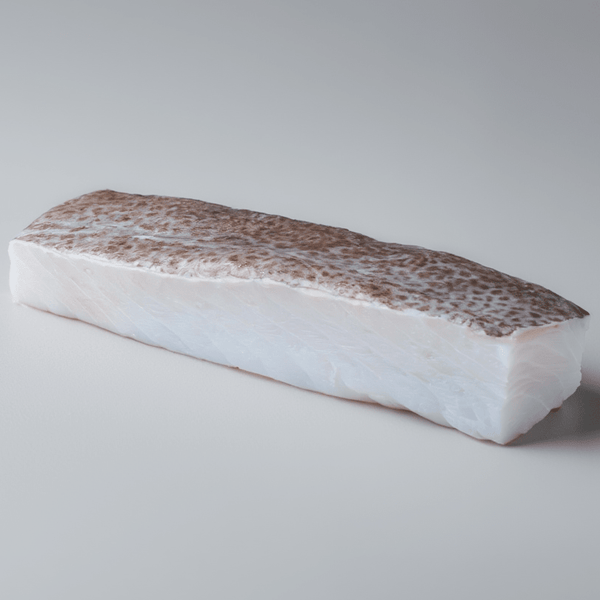
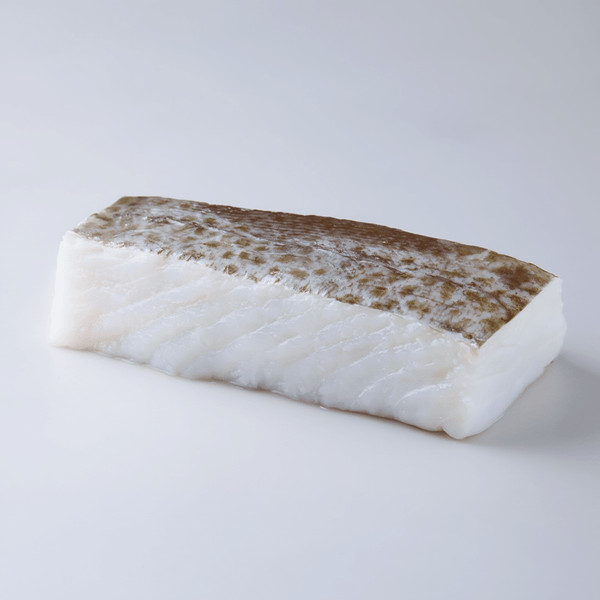
Fresh Cod:- Higher natural moisture — requires careful pre-drying
- Milder flavor, more delicate texture
- No prior soaking needed
- Can be used directly after purchase
- Ideal for tempura (delicate flavor that doesn't compete with the batter)
- More intense and concentrated flavor
- Slightly firmer texture (the salting process modifies proteins)
- Requires prior desalination process (18-72h depending on the cut)
- When fried, residual salt acts as a natural flavor enhancer
- Ideal for classic batter and buñuelos
The real difference: Desalinated cod, having less free moisture, forms a firmer crust when fried. Fresh cod, with more water, needs a batter that absorbs and manages that moisture. Tempura, due to its very light structure, is a better option for fresh cod. Classic batter works well with both.
The Classic Spanish Batter: Recipe
This is the traditional batter made in homes and restaurants throughout Spain for fried cod. It's not the Catalan buñuelo (which has leavened dough and requires resting), nor Japanese tempura. It's the usual batter: flour, egg, no complications, perfect result.
Ingredients (4 servings)
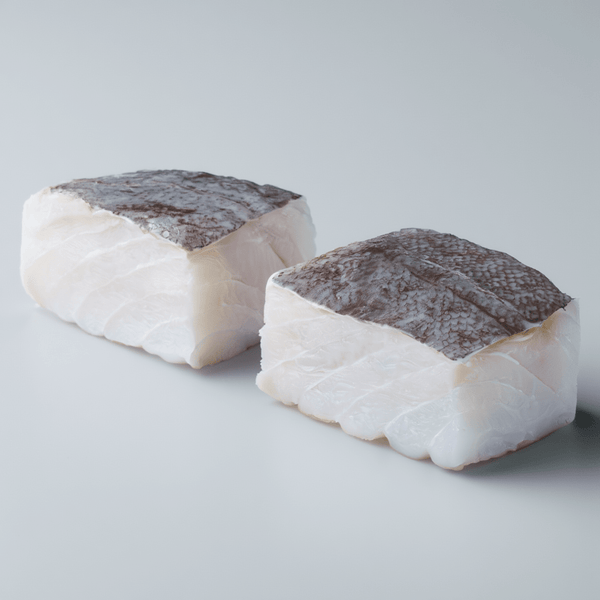
- 600 g fresh cod, cut into medium pieces (or desalinated)
- 150 g all-purpose wheat flour (or specific frying flour)
- 2 large eggs
- 100 ml very cold water or cold beer (the carbonation helps with lightness)
- 1 teaspoon salt (if cod is fresh; reduce if desalinated)
- 1 teaspoon sweet paprika from La Vera (optional — adds color and flavor)
- Dried chopped parsley (optional)
- Olive or sunflower oil for frying (plentiful)
- Lemon for serving
Step-by-Step Preparation
Step 1: Prepare the cod
If fresh: cut into 6-8 cm pieces. Dry them very well with paper towels on all sides. Surface moisture is the enemy of adherent batter.
If desalinated: similarly, dry well before flouring.
A trick from traditional fishmongers: lightly salt the fresh cod 10-15 minutes before frying, then pat dry with paper. The salt draws out surface moisture and improves batter adherence.
Step 2: The batter mixture
In a bowl, mix the flour with the paprika (if using). Make a well in the center.
Add the beaten eggs and cold water (or cold beer). Mix with a whisk or fork until combined — small lumps are acceptable and even desirable: they indicate you haven't overmixed (which would activate the gluten and make the batter tough).
The consistency should be that of a thick cream that flows slowly — thicker than milk, lighter than cream. If it's too thick, add more cold water. If it's too liquid, a tablespoon more flour.
Important: Do not prepare the batter in advance. The fresher it is, the lighter the result. Flour develops gluten over time, and the batter loses its sponginess.
Step 3: Pre-flouring
Before dipping into the batter, lightly flour the cod pieces. Shake off any excess flour. This dry step creates a base that helps the wet batter adhere much better.
Without this step, the batter tends to slide off the moist cod.
Step 4: The right oil
Oil is as important as the batter. The options:
- Extra virgin olive oil: Intense flavor, smoke point at 180-200°C. Adds flavor but can be heavy in large quantities.
- Mild olive oil (0.4°): The ideal middle ground. Good flavor, adequate smoke point, less invasive.
- High oleic sunflower oil: Neutral in flavor, high smoke point (~230°C). Allows higher temperatures without degradation.
- 50:50 blend of mild olive oil + sunflower oil: What many traditional fry shops use. The best of both.
Ideal temperature: 175-180°C for classic batter. Use a kitchen thermometer or test with a piece of bread crumb: it should bubble immediately and brown in 30-40 seconds.
If the oil is too cold (less than 160°C): the batter absorbs oil and becomes greasy. If the oil is too hot (more than 190°C): the outside burns before the inside is cooked.
Step 5: Frying
Dip the floured cod pieces into the batter. Drain excess and carefully drop into the hot oil (hold by one end and release diagonally to avoid splashing).
Do not overcrowd the pan or fryer: the batter needs space to bubble. A maximum of 3-4 pieces at a time.
Fry for 3-4 minutes per side until uniformly golden. The inside of fresh cod is cooked when the flesh flakes easily when lightly pressed.
Remove and place on paper towels for a maximum of 30 seconds — if left too long on paper, steam condenses and the batter softens.
Serve immediately.
Cod Tempura: Light and Crispy
Tempura is a Japanese technique that the Portuguese introduced to Japan in the 16th century — coincidentally, the same Portuguese who popularized salted cod in Europe. The name "tempura" comes from the Latin "tempora" (fasting time), referring to the Fridays of Lent when missionaries fried vegetables.
Tempura is the opposite technique to classic batter: it seeks maximum lightness, almost transparency. The coating you see in the photo should not be greasy — it should be a crispy, almost ethereal layer.
Ingredients for Tempura
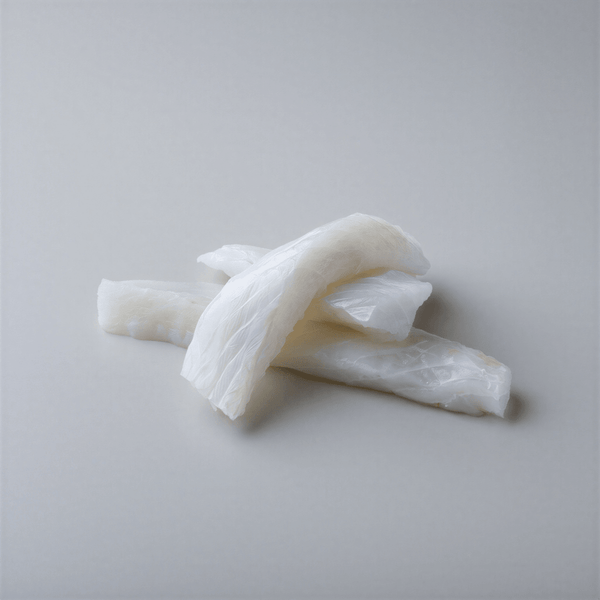
- 600 g fresh cod cut into thin strips (1 cm thick) or small pieces
- 100 g low-protein wheat flour (pastry flour) or special tempura flour
- 100 ml very cold water (almost ice water — put ice cubes in the bowl)
- 1 egg yolk
- Ice to chill the water
- High oleic sunflower oil for frying (temperature 180-185°C)
Key Differences from Classic Batter
| Characteristic | Classic Batter | Tempura |
|---|---|---|
| Flour | All-purpose | Pastry flour (less gluten) |
| Egg | Whole egg | Yolk only |
| Water | Cold or beer | Ice-cold (almost 0°C) |
| Mixing | Well integrated | Only 10-12 quick movements, intentional lumps |
| Result | Fluffy, golden | Light, crispy, almost translucent |
| Oil temperature | 175-180°C | 180-185°C |
Tempura Preparation
- Cold is essential: place the batter bowl in a larger bowl with ice. Chill the water to almost 0°C before using.
- Mix the flour, ice-cold water, and yolk with only 10-12 movements of a fork or chopsticks. Lumps are part of the process — a lump-free tempura is overmixed.
- Lightly flour the cod pieces before dipping them in the tempura batter.
- Fry in oil at 180-185°C. The contrast between the cold temperature (batter) and high temperature (oil) is what creates the characteristic texture.
- Serve immediately with ponzu sauce (citrus + soy) or simply with flaky sea salt and lemon.
Related Products from Bacalalo


Recommended Products

Natural Cod Foie Gras - 120g | Smoked Icelandic Cod L...
3,90 €

CHATKA Wild King Crab 60% Legs 40% Flaked Meat | L...
95,00 €

Hand-cut Smoked Cod Carpaccio | 1 Tray Pack
15,90 €

Dried Cod Cheeks (1 tray) - 500g
19,95 €
Refrigerated shipping 24-48h throughout the Peninsula
Differences from Cod Buñuelos
To clarify frequent confusions:
Cod buñuelos (bunyols de bacallà in Catalan):- Fermented dough with yeast or leavening agent
- Cod mixed into the dough (not an exterior batter)
- Ball-shaped or irregular
- Spongy, almost bread-like interior texture
- Made with flaked salted cod
- They are a typical starter or tapa from Catalonia, especially during Easter week
- The cod is coated on the outside, not mixed into the dough
- Unfermented dough
- Shape of the fish piece
- Crispy exterior texture, juicy interior
- Similar to classic fried fish in concept (exterior batter)
- Unfermented dough, much lighter
- Cold temperature (batter) + hot oil technique
Tips from Professional Fryers
In 35 years of watching cod being cooked, we've learned some tricks that make a difference:
Double frying: For maximum crispiness, fry at 160°C for 3 minutes (interior), remove and drain. Raise the oil to 185°C and fry again for 1 minute (crispy exterior). This is the technique of the best English fish & chips.
Salt at the end, not in the batter: Salt in the batter draws out moisture and softens the coating. Season with fine salt immediately after removing from the oil.
Dark beer in the batter: Adds toasted flavor and extra caramelization. The bitterness of the beer balances the fat from frying.
Do not reuse oil more than 3-4 times for battered frying: Used oil contains carbonized batter residue that imparts a bitter taste and burns faster.
What to Serve with Fried Cod
- Lemon: The most classic. The acid cuts through the fat and enhances the cod.
- Tartar sauce: Mayonnaise with capers, gherkins, and chopped hard-boiled egg.
- Allioli: The Catalan classic — emulsified garlic and oil.
- Mojo picón sauce: If you want a Canarian version.
- Cucumber tzatziki: For a Mediterranean version.
- Piquillo peppers: Fried on the griddle alongside the cod fritters.
Buy Fresh Cod at Bacalalo
For fresh cod fritters, the quality of the raw ingredient is everything. Inferior fresh cod will be dry and flavorless even with the best batter.
At Bacalalo, we select fresh cod using the same criteria we apply to cured cod: verified origin, firm texture, clean smell. What we put on the counter is what we would take to our own table.
Buy fresh cod at Bacalalo — Mercat del Ninot, Barcelona
Frequently Asked Questions
Why does the batter fall off the cod?
Two main reasons: the cod was too wet on the surface (not dried well with paper), or it was not pre-floured before dipping into the batter. Pre-flouring creates the base that anchors the batter.
Can I fry cod without batter, directly in oil?
Yes, but it's not "fried" in the traditional sense — it's more like confit or sautéed. The batter's function is to protect the cod from the direct heat of the oil, allowing it to cook more gently inside while browning on the outside.
How much oil do I need to fry cod correctly?
Enough for the pieces to be completely submerged. In a 24 cm pan, at least 400-500 ml. Abundant oil maintains a constant temperature, and the result is paradoxically less greasy — the batter doesn't absorb oil because it's always in contact with hot oil.
Can I use an air fryer to "fry" battered cod?
With an air fryer, the result is different: drier, less crispy with traditional wet batter. It works better with breaded cod (breadcrumbs) than with wet batter. For tempura, the air fryer does not reproduce the texture.
Does the oil temperature change with the thickness of the cod?
Yes. Very thick pieces (more than 3 cm): slightly lower the temperature to 165-170°C so the inside cooks before the outside burns. Thin pieces (1-2 cm): higher temperature, 180-185°C, quick frying.
Is fresh cod better than desalted cod for frying?
Neither better nor worse — different. Fresh: softer, less expressive, better for tempura. Desalted: more intense, more characteristic, better for classic batter. The choice depends on the flavor you're looking for.
How do I know if the oil is at the correct temperature without a thermometer?
Classic test: insert a wooden skewer. If it constantly bubbles around it, you're at about 175-180°C. Another option: drop a dab of batter — if it immediately rises to the surface bubbling, the oil is ready.
Can fried cod be reheated the next day?
Yes, in the oven at 200°C for 5-8 minutes. Do not use the microwave — the batter will soften. An air fryer also works well for reheating. That said, fried cod is one of those dishes best eaten immediately — it doesn't improve with time.
Can I use gluten-free flour for the batter?
Yes. Rice flour gives a very good and slightly crispier result than wheat flour. A mixture of rice flour + cornstarch (1:1) mimics the tempura texture well. Avoid flours with large amounts of xanthan gum, which can give the batter a rubbery texture.
Why is beer added to the batter?
Beer provides three things: carbonic gas (sponginess), alcohol (which evaporates quickly in the oil, making the batter lighter), and sugars and maltoses (which caramelize and add color and flavor). Dark beer adds more flavor; lager is more neutral.
At Bacalalo, we have been in Mercat del Ninot since 1990, observing and learning how cod is truly fried. If you'd like us to explain which cut is best for frying depending on what you're going to cook, stop by the counter or write to us. It's the kind of advice we're happy to give.
Discover more