

Summary: Tuna empanada is one of the most representative dishes of Galician cuisine: a thin, crispy crust that encloses a generous filling of canned tuna cooked with a slow-simmered sofrito of onion, pepper, and tomato. It is a dish found in every bakery, every festival, and every family table in Galicia, and it has conquered all of Spain as an appetizer, snack, dinner, or packed lunch.

What is Galician tuna empanada?
Tuna empanada is one of the most representative dishes of Galician cuisine: a thin, crispy crust that encloses a generous filling of canned tuna cooked with a slow-simmered sofrito of onion, pepper, and tomato. It is a dish found in every bakery, every festival, and every family table in Galicia, and it has conquered all of Spain as an appetizer, snack, dinner, or packed lunch.

What distinguishes Galician empanada from other stuffed pastries around the world is the thinness of its dough and the generosity of its filling. Unlike Argentinian empanadas or Spanish empanadillas, the Galician empanada is a large, flat, rectangular or round piece that is cut into portions. The dough must be as thin as a wafer yet strong enough to hold the filling without breaking, and the filling must be abundant, juicy, and well-seasoned.
At Bacalalo, where we have been offering the best seafood products from the Mercat del Ninot since 1990, we know that the quality of the tuna makes all the difference. Good canned tuna, like those you'll find in our selection of canned tuna and bonito, transforms an ordinary empanada into a memorable gastronomic experience.
History and tradition of empanada in Galicia
Galician empanada has a history dating back at least to the 12th century, when it was already mentioned in the Codex Calixtinus as a common food for pilgrims on the Camino de Santiago. In those days, empanada was a practical way to preserve and transport food: the dough sealed the filling, protecting it from air and contamination, making it the perfect travel food.
For centuries, empanada was the food that Galician families prepared for pilgrimages, patron saint festivals, and countryside outings. Each village, each family, had its own recipe passed down from generation to generation. Fillings varied according to season and availability: sardines in summer, cod during Lent, cockles on the coast, pork inland. But tuna, especially since canning became popular in the 19th century with factories in Vigo and the Arousa estuary, became the most universal and democratic filling.
Today, tuna empanada is recognized as Galician gastronomic heritage and is celebrated in numerous festivals throughout the community. The Festa da Empanada de Bandeira (Silleda) attracts thousands of visitors every August who sample the best empanadas in the region. And in any bakery in Galicia, from the humblest to the most sophisticated, tuna empanada always occupies a prominent place on the counter.
Ingredients for the homemade dough
Traditional Galician dough
- 500 g strong wheat flour
- 100 ml extra virgin olive oil
- 150 ml lukewarm water (around 35 °C)
- 15 g fresh yeast (or 5 g dry active yeast)
- 1 teaspoon salt
- 1 beaten egg for brushing
Quick dough (yeast-free alternative)
- 500 g flour
- 150 ml olive oil
- 150 ml white wine or water
- 1 teaspoon salt
- 1 egg
Traditional yeast dough is more elastic, easier to roll out, and becomes more tender and airy after baking. Yeast-free dough is crispier, thinner, and quicker to work with. Both are authentic and delicious; the choice depends on the time available and your preferred texture.

Related Bacalalo Products


Ingredients for the tuna filling
- 3 cans of good quality canned tuna (about 400-500 g drained)
- 3 large onions, finely julienned
- 2 red bell peppers (or 1 red and 1 green), thinly sliced
- 3 ripe tomatoes, grated (or 200 g crushed tomatoes)
- 3 cloves garlic, minced
- 100 ml extra virgin olive oil
- 1 teaspoon sweet paprika from La Vera
- 2 hard-boiled eggs, chopped (optional but classic)
- Salt and pepper to taste
- 1 bay leaf
The secret to the filling lies in the sofrito: a slow and patient cooking of the onion and peppers that can take 30-40 minutes. Don't rush it; a well-made sofrito is the basis of an extraordinary empanada.
Step-by-step dough preparation
Step 1: Activate the yeast
Dissolve the fresh yeast in lukewarm water (never hot, as it would kill the yeast) and let it rest for 5 minutes until a light foam forms on the surface. If using dry yeast, mix it directly with the flour.

Step 2: Mix the ingredients
In a large bowl, make a well with the flour and salt. Pour the olive oil and the water with yeast into the center. First, mix with a fork from the center outwards, gradually incorporating the flour, until a homogeneous dough is obtained.
Step 3: Knead
Turn the dough onto a lightly floured surface and knead for 8-10 minutes with firm pushing, folding, and turning motions. The dough should be smooth, elastic, and slightly sticky. If it's too sticky, add a pinch of flour; if it's too dry, a few drops of water. Form a ball and place it in an oiled bowl.
Step 4: Fermentation
Cover the bowl with a damp cloth or plastic wrap and let it rest in a warm place for 1 hour, until the dough doubles in volume. This step is what will give the dough its tender and airy texture. If you're not in a hurry, you can let it ferment in the fridge overnight to develop more flavor.
Step-by-step filling preparation
Step 1: The base sofrito
Heat the olive oil in a wide pan over medium-low heat. Add the finely julienned onion and cook for 15-20 minutes, stirring occasionally, until transparent and soft. Do not raise the heat to speed it up: a slowly caramelized onion provides a sweetness that defines the filling of Galician empanada.
Step 2: Peppers and garlic
Add the thinly sliced peppers, minced garlic, and bay leaf. Cook for another 10-15 minutes over medium heat, until the peppers are completely tender. Patience in this step is what distinguishes a mediocre filling from an extraordinary one.
Step 3: Tomato and paprika
Add the grated tomato and cook for 5-7 more minutes, until the liquid evaporates and the sofrito has a dense consistency. Remove from heat, add the paprika (off the heat so it doesn't burn and become bitter) and mix well. Let the sofrito cool for about 10 minutes.
Step 4: Incorporate the tuna
Drain the canned tuna well and flake it with a fork. Add it to the lukewarm sofrito along with the chopped hard-boiled eggs. Mix carefully so as not to completely break up the tuna; we want recognizable pieces. Season with salt and pepper to taste. The filling must be completely cold before assembling the empanada.
Assembling and baking the empanada
Step 1: Roll out the dough
Divide the dough into two parts, one slightly larger than the other (60%-40%). Roll out the larger part with a rolling pin on a floured surface, forming a rectangle or circle about 3-4 millimeters thick, large enough to cover the baking sheet with a couple of centimeters of margin around the edges.

Step 2: Assemble the empanada
Place the rolled-out dough on a baking sheet lined with parchment paper. Spread the tuna filling evenly, leaving a 2-centimeter border free. Roll out the second portion of dough to the same thickness and place it on top as a lid. Fold the edges inwards, pressing with your fingers or a fork to seal well. Make several small holes in the surface with a fork or toothpick (the "chimneys") to allow steam to escape during baking.
Step 3: Brush and bake
Preheat the oven to 200 °C (400 °F) with top and bottom heat. Brush the surface of the empanada with beaten egg mixed with a tablespoon of milk for a brighter golden finish. Bake for 25-30 minutes on the middle-lower rack of the oven, until the empanada is golden and crispy. If it browns too much on top too early, cover it with aluminum foil for the last few minutes.
Step 4: Rest
Remove the empanada from the oven and let it rest for 10-15 minutes before cutting. This allows the filling to settle and the juices to redistribute, facilitating a clean cut. The empanada is delicious both hot and at room temperature, one of its great virtues.
Variations of the Galician empanada
Fresh bonito empanada
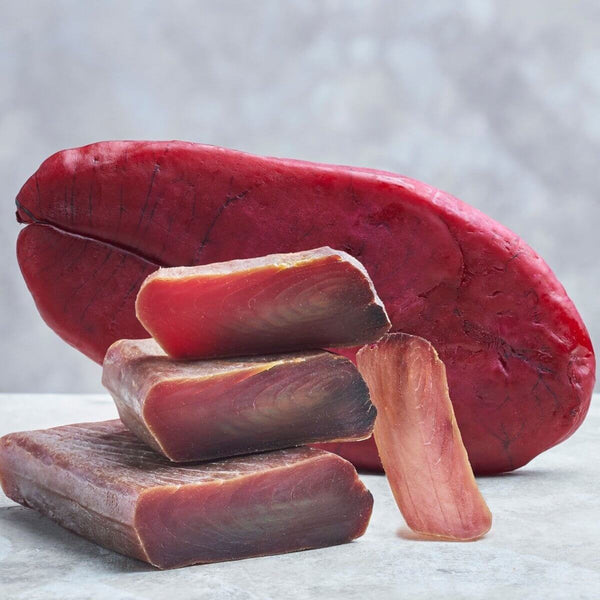
During bonito season (June-October), empanada with roasted and flaked fresh bonito reaches another dimension. The bonito is briefly confited in the oven before being added to the sofrito. The result is a juicier filling with a more pronounced seafood flavor. In our selection of tuna and bonito, you'll also find canned albacore tuna that yields an excellent result.
Cod empanada
Cod empanada is the queen of Galician Lent. It is prepared with flaked desalted cod and a sofrito enriched with raisins and pine nuts in some versions. Cod provides a firmer texture and a more intense flavor than tuna. It's a noble variation that deserves its own article.
Sardine empanada
Sardine empanada is perhaps the oldest of all: whole fresh sardines (headless and boneless) placed on the sofrito. It is more rustic and has a powerful seafood flavor that purists adore. Canned sardines and sardinillas also work magnificently for a quick version.
Cockle empanada
Typical of the Rías Baixas, cockle empanada is a delicate and elegant delicacy. The cockles are added to the sofrito just a few minutes before filling, so they don't toughen during baking. Their briny flavor and tender texture make this variation something special.
Corn dough (empanada de millo)
In some Galician regions, the dough is prepared with corn flour mixed with wheat flour (50-50). The resulting dough is more crumbly and has a sweet flavor that combines wonderfully with fish fillings. It is the most rustic and traditional version from inland Galicia.
Storage and final tips
One of the great advantages of Galician empanada is its excellent preservation and versatility. Here are some final tips we've learned over the years:
- At room temperature: Empanada keeps perfectly covered for 24 hours outside the refrigerator. In fact, many Galicians claim it tastes better the next day, when the flavors have settled and melded.
- In the refrigerator: Wrapped in plastic wrap or in an airtight container, it will keep in perfect condition for 3-4 days. Take it out 30 minutes before serving to allow it to reach room temperature.
- Freezing: It freezes wonderfully, both whole and in portions. Thaw in the refrigerator and heat for 10 minutes in the oven at 180 °C (350 °F) to regain its crispness.
- Dough thickness: Do not roll out the dough thinner than 3 mm or it will break with the filling. Nor thicker than 5 mm or it will be doughy. The ideal point is 3-4 mm.
- Cold filling: Never assemble the empanada with hot filling. The heat will moisten the bottom dough and it will remain raw and soft.
- The chimneys: The holes on the surface are essential for steam to escape and for the top crust to be crispy. Without them, the empanada steams from the inside and remains soft.
🛒 Products mentioned in this article
⭐ 4.9/5 · 24-48h cold shipping · Since 1990 at Mercat del Ninot
Conclusions
- What is Galician tuna empanada?: Tuna empanada is one of the most representative dishes of Galician cuisine: a thin and crispy dough that envelops a generous filling of canned tuna cooked with a slow sofrito of onion, pepper, and tomato.
- History and tradition of empanada in Galicia: The Galician empanada has a history dating back at least to the 12th century, when it was already mentioned in the Calixtinus Codex as a common food for pilgrims on the Camino de Santiago.
- Ingredients for the homemade dough: The traditional yeast dough is more elastic, easier to roll out, and becomes more tender and airy after baking.
- Ingredients for the tuna filling: The secret to the filling lies in the sofrito: a slow and patient cooking of the onion and peppers that can take 30-40 minutes.
- Step-by-step dough preparation: Dissolve the fresh yeast in lukewarm water (never hot, which would kill the yeast) and let it rest for 5 minutes until a slight foam forms on the surface.
Frequently asked questions
Can I use store-bought dough for tuna empanada?
Yes, it's a perfectly valid alternative. Refrigerated empanada doughs sold in supermarkets yield good results, especially those from Galician brands. You can also use shortcrust pastry or even puff pastry for a crispier version, although it would no longer be a strictly traditional Galician empanada. Homemade dough provides a superior flavor and texture, but store-bought saves you an hour of preparation.
What canned tuna is best for empanada?
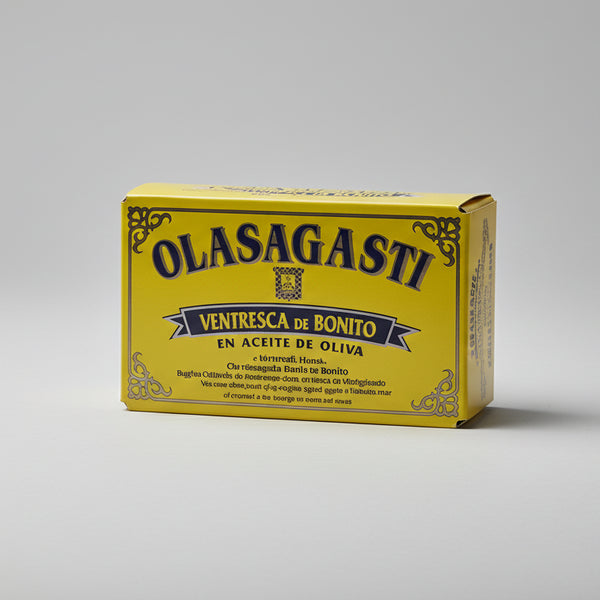
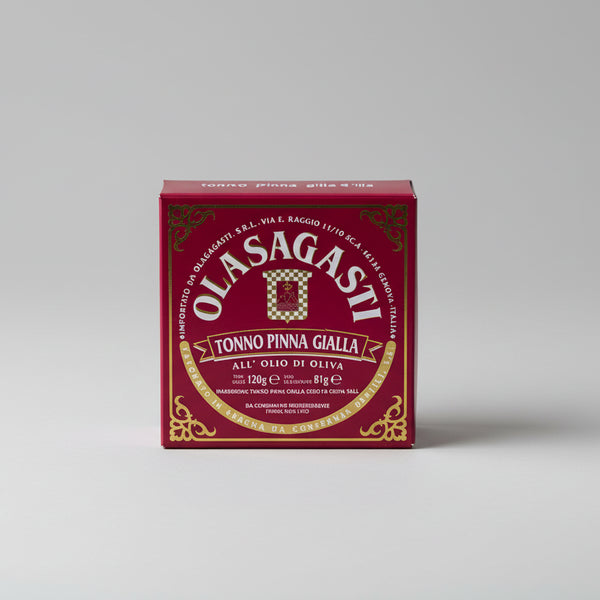
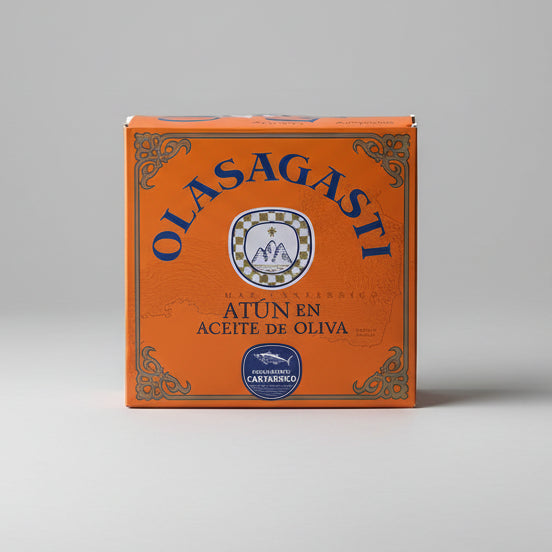
The best tuna for empanada is light tuna in olive oil, preferably whole loins and not crumbled pieces. Whole loins allow you to control the size of the flakes when shredding, achieving a more interesting texture. Canned bonito del norte is a premium option that notably elevates the empanada. Avoid tuna in water: it lacks the necessary fat for a juicy filling.
Is it necessary to let the yeast dough rise?
If you use the recipe with yeast, yes: fermentation is what provides the characteristic tender and airy texture. Without fermentation, the dough will be hard and chewy. If you don't have time for fermentation (1 hour minimum), it's better to use the yeast-free recipe, which is equally traditional and yields a thinner, crispier dough that doesn't need to rest.
Why is my empanada raw at the bottom?
The most common reasons are: too moist filling (drain the tuna well and cook the sofrito until it's thick), too thick dough (roll it to 3-4 mm), oven not hot enough at the bottom (bake on the lower rack for the first 15 minutes), or a tray that doesn't conduct heat well (use a metal tray, not glass). Preheating the oven and tray well helps significantly.
How many servings does one empanada yield?
A standard empanada in a large baking dish (about 30x40 cm) yields between 8 and 12 generous servings, depending on the size of the cut. It's an ideal dish for gatherings, parties, and large meals because it can be prepared in advance, transported easily, and doesn't require cutlery or plates: it's eaten with your hands.
Can the empanada be made the day before?
It's almost better to make it the day before. The Galician empanada is one of those dishes that improve with resting: the flavors blend, the dough absorbs the juices from the filling, and the result is more homogeneous and flavorful. Bake it, let it cool completely, wrap it, and store it at room temperature or in the refrigerator. The next day it will be at its optimal point.
Can I add olives or raisins to the filling?
Pitted black olives and raisins are popular additions in some versions of Galician empanada, especially the cod one. For tuna empanada, olives add an interesting salty touch. Raisins add sweetness that contrasts with the sofrito. These are legitimate variations that depend on personal taste, although Galician purists prefer the classic filling without these additions.
Is tuna empanada suitable for coeliacs?
Traditional empanada with wheat flour is not suitable for coeliacs. However, you can prepare the dough with special gluten-free flour for doughs (a mix of rice flour, corn starch, and xanthan gum). The texture will be slightly different but the result is equally delicious. The tuna filling is naturally gluten-free; just make sure the canned goods you use don't contain traces.
Related recipes
If you enjoy cooking with seafood, don't miss these other recipes from our blog:
- Garlic prawns: the perfect step-by-step recipe — the essential tapa
- Seafood salpicón: fresh and elegant recipe — ideal for summer
- Cod with tomato: homemade recipe, tips and variations
- Spanish gourmet preserves: tradition and flavor
- Anchovies from Santoña: complete guide
Discover our complete selection of gourmet preserves and canned tuna and bonito for your empanadas and recipes at Bacalalo.
→ Prepare it with Bacalalo products: Artisan tuna empanadillas
Products you might be interested in
Discover more