The WHO and the Mediterranean diet agree: 2-4 servings of fish per week (250-500g), alternating oily and white fish. Fish is the main source of omega-3 EPA/DHA, iodine, vitamin D, and selenium. Spain consumes 23 kg of fish per capita/year, but the trend is declining. Here are the real data and how to incorporate more fish without complicating your life.
Table of contents
What the WHO says about fish
The World Health Organization does not establish a universal exact amount of fish, but its dietary guidelines (updated in 2023) indicate that a healthy diet should include "fish and seafood as a primary source of long-chain omega-3 fatty acids, with a minimum of 250 mg of EPA+DHA per day."
Translated into servings: that's equivalent to 2-3 servings of fish per week, with at least 1 serving of oily fish (richest in omega-3). The EFSA (European Food Safety Authority) raises the recommendation to 2-4 servings per week. The Spanish AESAN recommends 3-4 servings.
Epidemiological studies are consistent. The meta-analysis by Zheng et al. (2012, Public Health Nutrition, 14 studies, 672,389 participants) found that consuming 2-4 servings of fish/week is associated with a 12% reduction in all-cause mortality compared to not consuming fish. The reduction in cardiovascular mortality was 17%.
Another relevant fact: the PREDIMED study (2018, New England Journal of Medicine) demonstrated that the Mediterranean diet supplemented with extra virgin olive oil or nuts reduced major cardiovascular events by 30%. Fish was one of the pillars of that diet.
The Mediterranean pyramid
The Mediterranean Diet Foundation (based in Barcelona) publishes an updated food pyramid that places fish on the "frequent consumption" rung — above red meat and at the same level as legumes and eggs.
| Pyramid Level | Foods | Frequency |
|---|---|---|
| Base (daily) | Whole grains, fruits, vegetables, olive oil | Every meal |
| Frequent | Fish and seafood, legumes, eggs, dairy | 2-4 times/week |
| Moderate | Poultry | 2 times/week |
| Occasional | Red meat, cured meats, sweets | Few times/month |
The Mediterranean diet is not a fad — it is a dietary pattern scientifically documented as one of the healthiest in the world. And fish is a structural pillar, not a supplement.
Recommended servings per week
A serving of fish is defined as 125-150g of cooked fish (equivalent to about 150-200g raw). For canned fish, an 80-120g can counts as one serving.
| Organization | Servings/week | Specifications |
|---|---|---|
| WHO | 2-3 minimum | At least 250 mg EPA+DHA/day |
| EFSA (Europe) | 2-4 | Minimum 1 oily fish |
| AESAN (Spain) | 3-4 | Vary species, limit high mercury |
| AHA (USA) | 2 minimum | Especially oily fish |
| Mediterranean Diet Foundation | 3-4 | Alternate oily and white fish |
The reality in Spain: according to MAPA (2024), fresh fish consumption in Spanish households has fallen by 18% in the last decade. We consume about 23 kg per capita annually — still above the European average (22 kg) but declining. The causes: price, lack of habit in younger generations, and the perception that cooking fish is complicated.
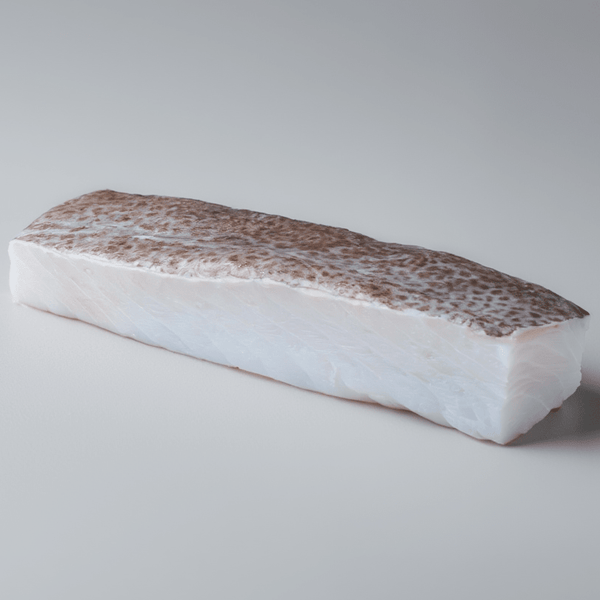
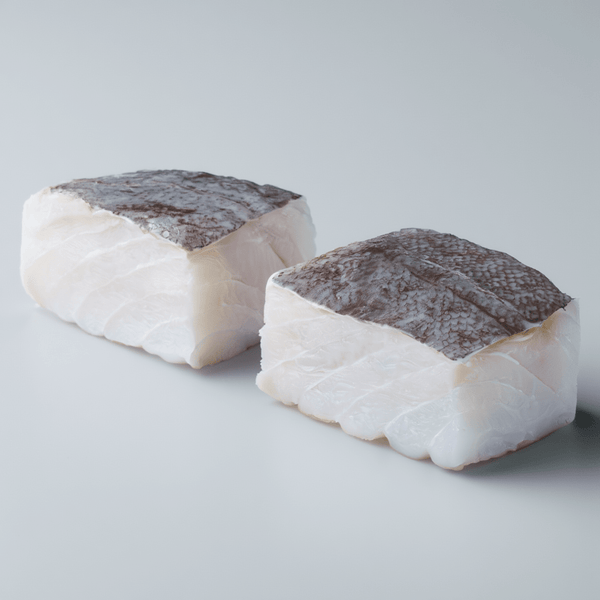
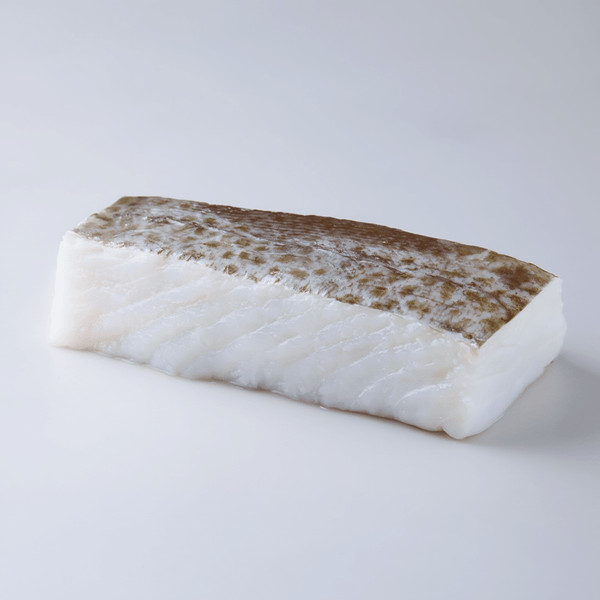
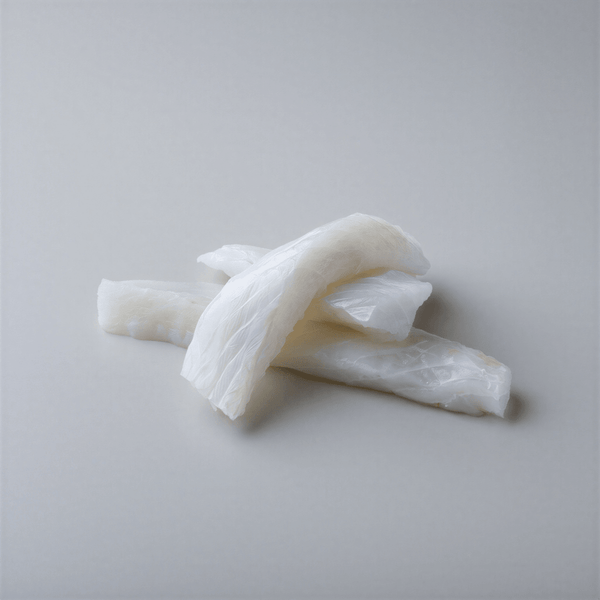
Desalted cod ready to cook. No complications, no bones, no excuses. See desalted cod at Bacalalo
Oily vs. white fish: the necessary balance
The distinction between oily and white fish is not arbitrary — it has direct nutritional implications:
Oily fish (sardine, anchovy, mackerel, salmon, tuna, bonito): more than 5% fat. This fat is mostly omega-3 (EPA and DHA). A 150g salmon fillet provides 2,000-3,000 mg of omega-3 — ten times the recommended daily amount. Oily fish is also the best dietary source of vitamin D (10-25 mcg/100g in salmon, compared to 0.5-1 mcg in chicken).
White fish (cod, hake, sole, monkfish, sea bream, sea bass): less than 2% fat. Low in calories (70-90 kcal/100g vs 180-220 for oily fish), high in protein (18-22g/100g), and rich in iodine and selenium. Cod, in particular, has only 0.7% fat and 82 kcal/100g — it's practically pure protein.
The recommendation is to alternate: 1-2 servings of oily fish + 1-2 servings of white fish per week. Oily fish provides omega-3s and vitamin D. White fish provides lean protein, iodine, and variety.
Comparative nutritional table
| Species | Type | Kcal/100g | Protein (g) | Fat (g) | Omega-3 (mg) | Vit D (mcg) |
|---|---|---|---|---|---|---|
| Cod | White | 82 | 18 | 0.7 | 150 | 1.0 |
| Hake | White | 86 | 17 | 1.8 | 200 | 1.2 |
| Sole | White | 81 | 17 | 1.3 | 180 | 1.0 |
| Sea Bream | White | 96 | 20 | 2.5 | 300 | 3.0 |
| Sardine | Oily | 185 | 21 | 11 | 1,800 | 11 |
| Salmon | Oily | 208 | 20 | 13 | 2,200 | 16 |
| Mackerel | Oily | 205 | 19 | 14 | 2,600 | 16 |
| Anchovy | Oily | 131 | 20 | 5 | 1,400 | 7 |
| Light Tuna | Oily | 130 | 26 | 2 | 800 | 3.2 |
| Bonito | Oily | 138 | 24 | 4.5 | 1,200 | 8 |
Fish as protein vs. meat
The comparison is revealing:
| Protein Source | Kcal/100g | Protein (g) | Saturated Fat (g) | Omega-3 (mg) | Cholesterol (mg) |
|---|---|---|---|---|---|
| Cod | 82 | 18 | 0.1 | 150 | 43 |
| Chicken Breast | 110 | 23 | 0.5 | 30 | 70 |
| Pork Tenderloin | 143 | 21 | 2.5 | 0 | 62 |
| Beef (loin) | 175 | 22 | 4.5 | 0 | 68 |
| Sardine | 185 | 21 | 1.5 | 1,800 | 65 |
| Salmon | 208 | 20 | 2.0 | 2,200 | 55 |
White fish wins in low calories and minimal saturated fat. Oily fish wins in omega-3 (red meat has zero). Both win in cholesterol (similar or lower than meat). The only nutrient where red meat surpasses fish is heme iron — but shellfish (mussels, cockles) provide as much or more iron than beef.
The data rarely mentioned: substituting 2 servings of red meat with fish per week reduces the risk of cardiovascular disease by 10-15% according to the EPIC-Oxford study (2019, 48,188 participants). It's not an effect of fish itself — it's the combined effect of adding omega-3s and eliminating saturated fat.
How to incorporate more fish without complicating things
The main obstacle is not the price (canned goods are economical) or taste (there's fish for all palates). The obstacle is the perception that cooking fish is difficult. Here are practical solutions:
1. Canned goods as a serving. A can of sardines, bonito, or anchovies counts as a serving of fish. They open in 10 seconds, require no cooking, and are always available. Having 5-10 cans in the pantry is the easiest way to meet the 3-4 weekly servings.
2. Desalted cod. Desalted cod is a "ready-to-cook" product — no cleaning, gutting, or deboning required. Just cut it, put it in a pan or oven, and in 15 minutes you have a dish. It's the easiest fish in the world.
3. Baked salmon (10 minutes). Place a salmon fillet on a baking sheet with a drizzle of EVOO, salt, pepper, and lemon. 180°C, 10-12 minutes. Done. You don't need anything more.
4. Quick griddle. Any white fish fillet (hake, sea bream, sea bass) cooks in 3-4 minutes per side in a hot pan with a drizzle of oil. Salt, lemon, done.
5. Incorporate into dishes you already make. Add canned tuna to a salad. Put anchovies on pizza. Add shredded cod to a Spanish omelet. Make a pasta with sardines. You don't need to "cook fish" as a separate dish — integrate it into what you already cook.
Canned goods, desalted cod, and seafood products ready for your table. Meeting recommendations has never been so easy. See gourmet canned goods
Frequently Asked Questions
Is fresh or frozen fish better?
Nutritionally, they are practically the same. Frozen even has an advantage: it is frozen on board the boat (blast freezing at -40°C), which preserves freshness better than "fresh" fish that has been caught for 3-4 days. There is no nutritional reason to reject frozen.
Do canned fish count as a serving?
Yes. A can of sardines (80-120g drained), tuna (80g) or anchovies (50g) counts as a serving. Canned goods retain omega-3s and protein. Canned sardines with bones also provide extra calcium.
How many calories are in a serving of fish?
White fish (150g cooked): 120-140 kcal. Oily fish (150g cooked): 200-320 kcal. For context, an equivalent serving of beef provides 260-350 kcal with more saturated fat.
Should children eat fish?
Yes. AESAN recommends 3-4 servings/week for children, avoiding the 4 high-mercury species (swordfish, shark, bluefin tuna, pike). DHA is essential for infant brain and visual development. Introduce fish from 6 months, starting with mild white fish (hake, sole).
Do omega-3 supplements replace fish?
Not completely. Supplements provide EPA and DHA, but fish also provides protein, iodine, selenium, vitamin D, and other nutrients that capsules do not contain. Studies show that the cardiovascular benefit is greater with real fish than with supplements.
Is farmed fish as nutritious as wild fish?
In general, yes, with nuances. Farmed salmon has more total fat than wild (13% vs 6-8%) but also more omega-6 (due to vegetable feed). The omega-3 profile is still good. Wild fish has a better omega-3/omega-6 ratio. Both are valid options.