Gourmet Canned Fish: Your Guide to Choosing the Best in 2026
The market for gourmet canned fish in Spain has exploded in recent years. Where there were once 5 reference brands, there are now 50 with beautiful designs and premium prices. The problem: most of the "gourmet" is marketing, not product. This guide teaches you how to read labels, identify real quality, and differentiate artisanal preserves from industrial ones with expensive packaging. With discernment, not slogans.
Contents
What Makes a Preserve Gourmet (and What Doesn't)
Updated March 2026. We have hand-selected every product since 1990. This guide reflects that experience.
Gourmet canned fish is defined by verifiable factors, not by the can's design or price. The criteria that separate real quality from marketing:
| Factor | Truly Gourmet Preserve | Industrial Preserve with Expensive Packaging |
|---|---|---|
| Species | Exactly identified (Thunnus alalunga, Engraulis encrasicolus) | Generic "tuna", no species specified |
| Oil | Extra virgin olive oil, sometimes of specific origin | Olive oil (no further details), blend, or sunflower oil |
| Process | Manual selection, hand-filleted, cooked in its own juices | Mechanized, industrial filleting |
| Fish Origin | Indicated: catch area, fishing method | Omitted or vague ("Atlantic") |
| Net vs. Drained Weight | High drained/total ratio (>70%) | Lots of liquid, little product |
| Ingredients | Fish, oil, salt. Nothing else | Vegetable broth, starch, flavor enhancers |
The golden rule: turn the can over and read the ingredients. If there are more than 3 ingredients (fish, oil, salt), it's probably not gourmet, no matter what the front label says.
Types of Canned Fish
By Preservation Method
- Preserve: sterilized at high temperature (>115 °C). Long shelf life (3-5 years). Includes: tuna, bonito, mussels, cockles, sardines.
- Semi-preserve: cured but not sterilized. Requires refrigeration. Limited shelf life (6-12 months). Includes: anchovies in oil, smoked fish.
- Escabeche: cooked in vinegar, oil, and spices. Sterilized preserve with an acidic flavor profile. Includes: mussels in escabeche, bonito in escabeche.
- In natural brine: in its own juice, without added oil. Lighter, purer flavor. Includes: clams in natural brine, cockles in natural brine.
By Cut (for Tuna/Bonito Preserves)
| Cut | Description | Quality | Price |
|---|---|---|---|
| Ventresca (belly) | Fish belly. Maximum fat, flaky texture | Premium | €€€€ |
| Loin | Dorsal part. Whole, firm pieces | High | €€€ |
| Trunk | Transverse slices from the center. With central bone | Medium-High | €€ |
| Fillets | Lateral pieces, boneless | Medium | €€ |
| Shredded / Flakes | Irregular pieces. Ideal for salads and fillings | Basic | € |
For a complete immersion into canned tuna, consult our canned tuna guide. And if you are specifically interested in albacore tuna, the albacore tuna guide is your reference.
How to Read a Preserve Label
The back label contains all the information you need. Key points to check:
1. Product Name
"Albacore tuna in olive oil" is different from "tuna in vegetable oil." The legal denomination requires specificity regarding the species and the covering medium.
2. List of Ingredients
Less is more. A premium preserve: "Albacore tuna (Thunnus alalunga), extra virgin olive oil, salt." An industrial preserve: "Tuna, sunflower oil, salt, vegetable broth, hydrolyzed soy protein, flavorings."
3. Net Weight vs. Drained Weight
Net weight includes the covering liquid. Drained weight is the actual fish. A quality preserve has a drained/net ratio higher than 70%. An industrial preserve might be 50-60%: you pay half for oil, half for fish.
4. FAO Catch Area
European regulations require indicating the FAO catch area. Area 27 = Northeast Atlantic (best for albacore tuna). Area 34 = Central-East Atlantic (medium quality). Area 71 = Pacific (common in economical skipjack tuna preserves).
5. Fishing Method
Artisanal preserves usually indicate "hook-and-line fishing" or "pole-and-line fishing" (curricán). This guarantees individual catches, undamaged fish, superior quality. If no method is indicated, it is likely industrial purse-seine fishing.
The Best Spanish Canned Fish Brands
Artisanal Canneries of the Cantabrian Sea
- Olasagasti: Hondarribia (Guipúzcoa). Hook-and-line caught albacore tuna. Absolute reference in ventresca (belly). Own extra virgin olive oil.
- Ortiz: Ondarroa (Vizcaya). The best-known artisanal cannery. Wide range: bonito, anchovies, sardines. High and consistent standard.
- Basque artisanal canneries: Bermeo and other Vizcaya ports. Specialists in albacore tuna. Limited seasonal batches. High price, exceptional quality.
- Premium artisanal canneries: Santoña (Cantabria). Reference for Cantabrian anchovies. Hand-filleted, long maturation.
- Gourmet supermarket brands: Santoña (Cantabria). Artisanal anchovies. Less known, excellent value for money.
Canneries of Galicia
- Real Conservera Española: Cambados (Pontevedra). Very high-quality canned seafood. Cockles, clams, razor clams.
- Güeyu Mar: Ribadesella (Asturias, but works with Galician seafood). Smoked preserves. Unique product.
- Frinsa: La Ribeira (A Coruña). High volume but consistent quality. Good option for everyday use.
Brands with Good Value for Money
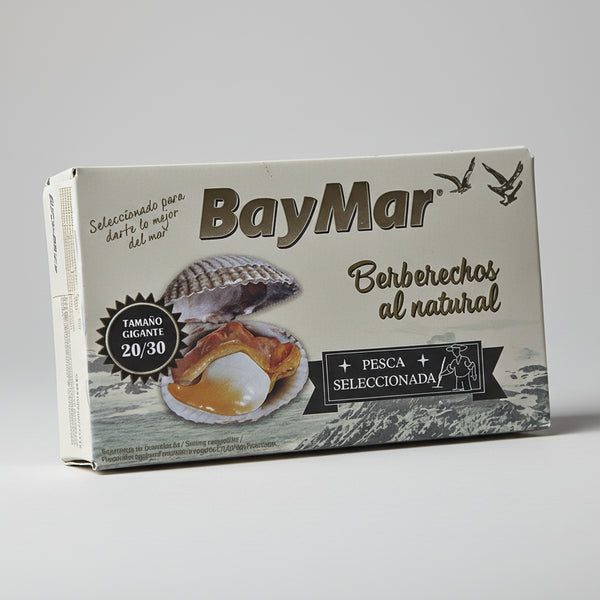
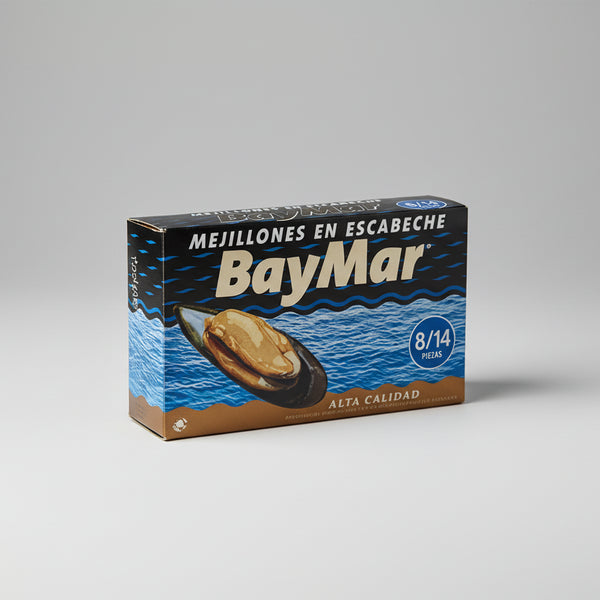
- Baymar: wide range, competitive prices. 1kg light tuna belly — perfect for families.
- Dardo: clams and cockles from Rías Gallegas. Consistent product.
- Conservas Cambados: Galician seafood at a reasonable price.

Clams in Natural Brine 20/30 Rías Gallegas Dardo Premium Preserve - 120ml
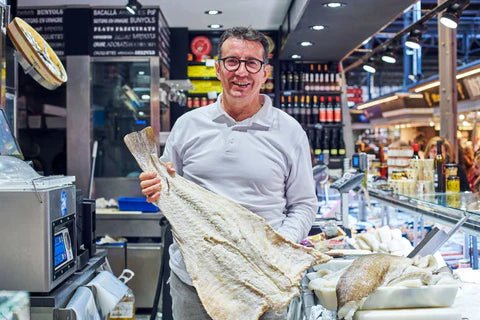
We work with artisanal canneries that we personally select: Olasagasti, Baymar, Dardo, and more. Each product has verifiable traceability, minimal ingredients, and the standard we have demanded since 1990 at Mercat del Ninot.
Price Comparison 2026
| Product | Basic Range | Mid-Range | Premium Range |
|---|---|---|---|
| Albacore tuna in oil (120g) | €2.50-€3.50 | €4.00-€6.00 | €7.00-€12.00 |
| Bonito belly (120g) | €5.00-€7.00 | €8.00-€11.00 | €12.00-€18.00 |
| Cantabrian anchovies (50g) | €3.00-€4.50 | €5.00-€7.00 | €8.00-€15.00 |
| Sardines in oil (120g) | €1.20-€2.00 | €2.50-€4.00 | €5.00-€8.00 |
| Mussels in escabeche (120g) | €1.50-€2.50 | €3.00-€5.00 | €6.00-€9.00 |
| Cockles in natural brine (120g) | €3.00-€5.00 | €6.00-€9.00 | €10.00-€16.00 |
The difference between basic and premium ranges can be 3-4x in price. The difference in taste and texture is also significant — but not always proportional. A well-chosen mid-range preserve can offer 80% of the premium experience at 50% of the price.
How to Taste Canned Fish Like a Professional
- Temperature: Preserves are best enjoyed at room temperature or slightly warm (not from the fridge). Take the can out 30 minutes beforehand.
- Oil: Taste the oil separately with a piece of bread. In a premium preserve, the oil is enriched with fish juices and has its own flavor.
- Texture: Observe whether the fish maintains its structure (flakes, fibers) or is a shapeless paste. Structure is a sign of quality.
- Minimal accompaniment: Sourdough bread, a few drops of lemon, and nothing else. If you need sauce or condiments for a preserve to taste good, the preserve is not good.
- Pairing: Preserves pair exceptionally well with vermouth, manzanilla, fino sherry, and brut cava. The acidity and bubbles complement the oiliness.
Storage and Maturation
Canned fish, like wine, can improve with age. This is a concept that surprises many, but it is documented by the canneries themselves.
Preserves (Sterilized)
- Shelf life: 3-5 years from the canning date.
- Maturation: During the first 6-12 months after canning, the fish fibers soften and the oil penetrates more deeply. An albacore tuna preserve that has matured for 1-2 years has more complexity than a freshly canned one.
- Storage: Cool place (15-20 °C), dry, out of direct light. Never in the fridge (cold can solidify the oil and alter the texture).
Semi-Preserves (Anchovies)
- Shelf life: 6-12 months. Always refrigerated (4-8 °C).
- Maturation: Anchovies mature in the can — the flavor intensifies over time. But after a year, they can become too intense and the texture degrades.
- Once opened: Consume within 3-5 days. Keep covered with oil in the fridge.
Nutritional Value
Canned fish is nutritionally excellent — and often more convenient than fresh fish.
| Preserve (per 100g drained) | Calories | Protein | Omega 3 |
|---|---|---|---|
| Albacore tuna in oil | 225 kcal | 24 g | 1.2 g |
| Sardines in oil | 208 kcal | 21 g | 1.8 g |
| Anchovies in oil | 210 kcal | 28 g | 1.5 g |
| Mussels in escabeche | 168 kcal | 18 g | 0.8 g |
| Cockles in natural brine | 74 kcal | 15 g | 0.3 g |
Relevant fact: the preservation process does not significantly reduce the omega-3 or protein content. Canned fish is a source of nutrients practically equivalent to fresh fish, with the advantage of immediate availability and long shelf life.
Frequently Asked Questions
Does canned fish have a lot of salt?
It depends on the product. Preserves in natural brine (cockles, clams) have little salt. Preserves in oil (bonito, sardines) have moderate salt (1-2 g per 100 g). Anchovies are the saltiest (5-8 g per 100 g). If you limit salt, opt for preserves in natural brine or drain the oil well from preserves.
Is a glass jar or a can better?
Both preserve equally well. A glass jar allows you to see the product before opening it (an advantage) but is more fragile and more expensive. A can protects better from light (which degrades the oil). In terms of product quality, they are equivalent if the preservation process is correct.
Is an older preserve better?
Up to a certain point, yes. Sterilized preserves (bonito, sardines) improve during the first 1-2 years: the oil penetrates more, the fibers soften, the flavors integrate. After the second year, the improvement is marginal. Semi-preserves (anchovies) have a shorter window: optimal between 3 and 10 months.
Is canned fish safe for pregnant women?
Yes. Sterilized preserves (bonito, sardines, mussels, clams) are completely safe during pregnancy: the sterilization process eliminates all pathogens. Salt-cured anchovy semi-preserves are also safe. The only precaution is with red tuna preserves due to mercury (maximum 1 serving per week).
How do I know if a preserve is truly artisanal?
Reliable indicators: cannery identified with name and address, fewer than 4 ingredients, exact species, catch area, fishing method indicated. Indicators that it is probably industrial even if it looks artisanal: "produced for" (not "produced by"), generic ingredients, can design more expensive than the content.
Is paying €12 for a can of bonito worth it?
It depends on the context. For a special tapa, an appetizer with friends, or a gourmet gift, absolutely yes — the difference from a €3 can is evident at the first bite. For an everyday sandwich or a salad where the bonito is mixed with other ingredients, a €4-5 preserve works perfectly.
Natural Clams 20/30 Rías Gallegas Dardo Premium Preserve - 120ml
Cantabrian anchovies, albacore tuna, belly, mussels, clams, sardines. Each preserve selected with the same criteria we have applied at Mercat del Ninot since 1990: minimal ingredients, verifiable origin, real flavor.
🛒 Our premium alternative
⭐ 4.9/5 · Cold delivery 24-48h · Since 1990 at Mercat del Ninot
Conclusion
The gourmet preserve market is full of noise: beautiful design, words like "artisan" and "premium" on every can, prices that are not always justified. The good news is that the information is there for anyone who wants to look for it: the back label tells you everything you need to know.
Exact species, extra virgin olive oil, less than 4 ingredients, identified fishing area, cannery with a name. If these five points are met, you have a real gourmet preserve. Everything else is marketing.