In short: Traditional anchovy escabeche: brief pre-cooking, 1:1:1 vinegar/oil/water mix + bay leaf + garlic + paprika. Keeps for 15 days in the fridge. Flavor improves after the 2nd day.
Table of Contents
Origin of Escabeche and Why It Works
Escabeche is one of the oldest preservation methods in Mediterranean cuisine. The word comes from the Arabic sikbāj: vinegar + oil + spices that create an acidic and oily medium where bacteria do not grow.
For anchovies, it works exceptionally well because the mixture infuses them with flavor (bay leaf, garlic, paprika) and the fat from the oily fish congeals perfectly with the oil in the escabeche.
Ingredients (1 jar 500 ml)
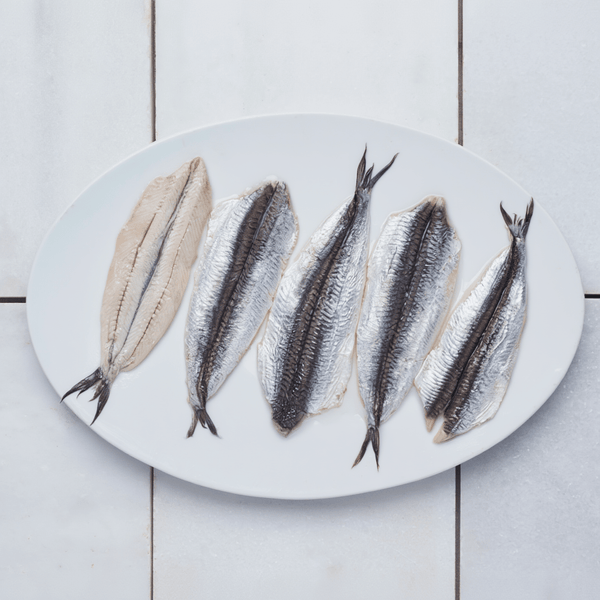
- 400 g cleaned anchovies (anisakis-treated)
- 150 ml white wine vinegar
- 150 ml EVOO
- 150 ml water
- 2 bay leaves
- 4 whole garlic cloves
- 1 teaspoon sweet paprika (or smoked)
- 1 teaspoon black peppercorns
- Salt to taste
- 1 small onion, julienned (optional)
- Flour for frying the anchovies
- Oil for frying (200 ml)
Step-by-Step Recipe
- Briefly fry anchovies. Lightly flour them and fry for 30 seconds per side at 180°C. Just "mark" them, do not cook through. Set aside.
- Sauté garlic and onion (if using) in a pan with EVOO until golden. Add paprika and remove from heat immediately to prevent burning.
- Add vinegar, water, bay leaf, pepper, and salt. Bring to a gentle boil for 5 minutes.
- Pour the anchovies into an airtight jar and cover completely with the hot escabeche.
- Cool to room temperature for 30 min, then refrigerate.
- Wait at least 24 hours before consuming. Better after 48-72 hours.
Regional Variations
Asturian: add sliced carrot, cider instead of vinegar.
Andalusian: more smoked paprika, Sherry vinegar, optional cumin.
Catalan: add a little crushed tomato to the escabeche. Redder color, sweeter flavor.
Basque: cayenne pepper, txakoli instead of vinegar. Spicier.
How to Store Correctly
Airtight glass jar, ensuring anchovies are well covered by the mixture. If any are exposed, add more oil until covered. In the refrigerator: 15 days maximum.
Once the jar is opened, always keep the contents covered by the mixture. If you need more oil, add clean EVOO. DO NOT add used oil.
To sterilize and store for 1 month: boil jars for 15 min, fill while hot, close, cool upside down. This creates a vacuum and preserves longer.
How to Serve
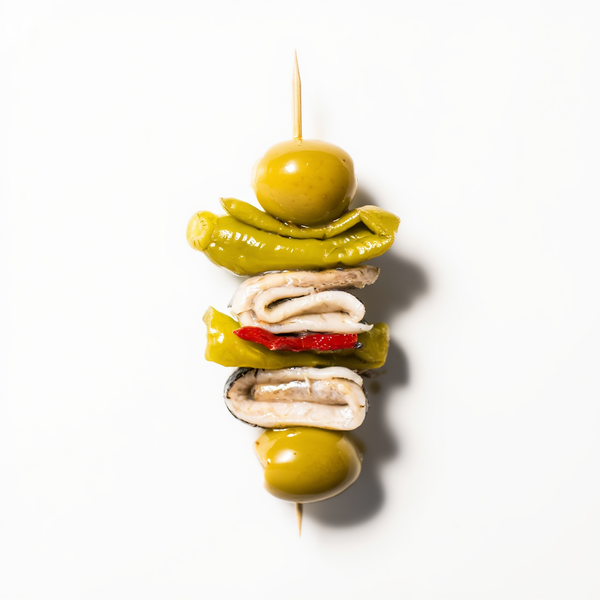
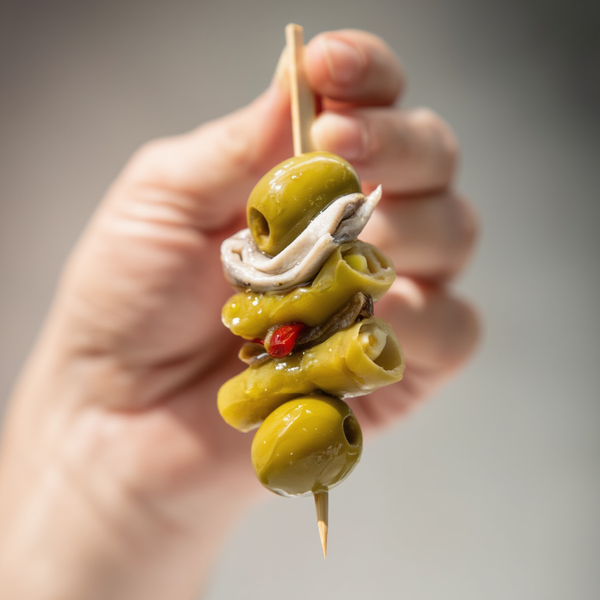
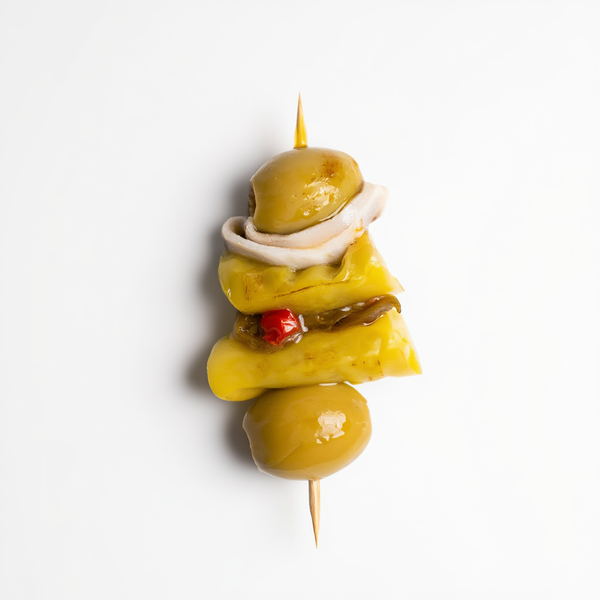
On a flat plate with a drizzle of the escabeche on top, fresh chopped spring onion, toasted bread or Andalusian breadsticks on the side. Pairing: dry manzanilla, fino de Jerez, young Albariño.
It also works shredded over salads, in empanadas or as an ingredient in turnovers. Escabeche automatically adds a layer of flavor to any dish you add it to.
Cantabrian Anchovies for your Escabeche
Fresh Cantabrian anchovies treated for anisakis. Ideal quality for homemade preservation.
Frequently Asked Questions
What is the difference between escabeche and anchovies in vinegar?
How long do anchovies in escabeche last?
Do I need to sterilize the jar?
Do anchovies need to be frozen first?
What vinegar is used in escabeche?
Exact escabeche proportion?
Can escabeche be made without frying first?
In conclusion
Homemade escabeche is one of the most versatile recipes in Spanish cuisine: it lasts, travels well, and improves with time. Once you have a jar in the fridge, you have an appetizer ready for 2 weeks. If cooking seems like too much effort, check out our selection of ready-to-eat preserves in oil and escabeche.
Gourmet preserves ready to serve
If you like homemade escabeches, try our selection of premium preserves: cockles, mussels, razor clams. Ready straight from the can.