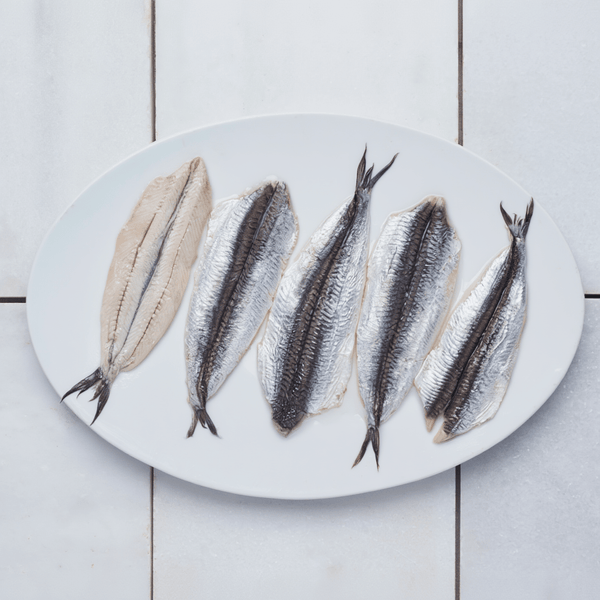
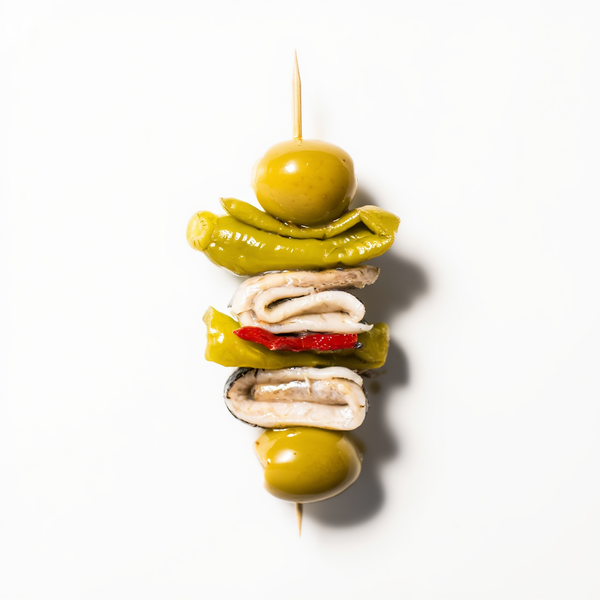
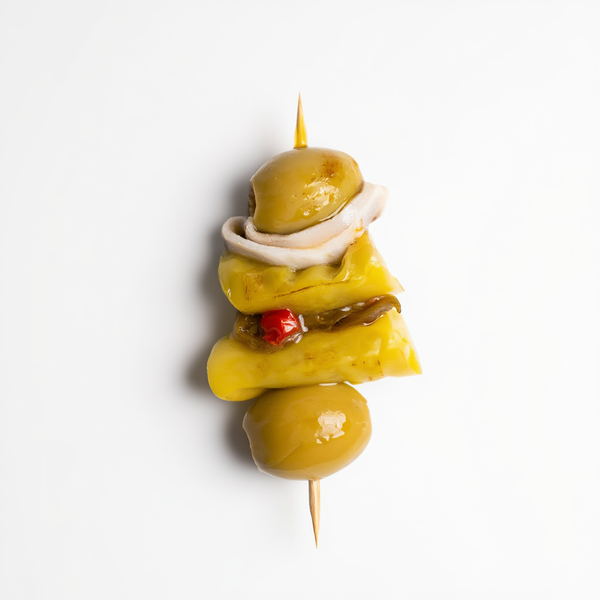
Anchovies in vinegar are not safe during pregnancy if they have not been previously frozen. Vinegar does not kill anisakis larvae, and listeria can survive in cold marinades. We explain what medical evidence says, what alternatives you have, and how to enjoy similar flavors safely during gestation.
The direct answer: no, except under specific conditions
Updated March 2026. After decades working with seafood products, we have learned that quality makes all the difference.
If you are pregnant and wondering if you can eat anchovies in vinegar, the answer from AESAN (Spanish Agency for Food Safety and Nutrition) and most gynecologists is clear: it is not recommended to consume anchovies in vinegar during pregnancy unless they have been previously frozen at -20 °C for at least 5 days.
The two main risks are anisakis and listeria. Both can have serious consequences during pregnancy, and the vinegar marinating process does not reliably eliminate either.
That said, it's not a black-and-white issue. There are nuances worth knowing to make an informed decision.
The real risk: anisakis
Anisakis is a parasite present in many saltwater fish. Anisakis larvae live in the viscera of the fish and can migrate to the flesh after the animal's death. Ingesting live larvae can cause:
- Gastric anisakiasis: severe abdominal pain, nausea, and vomiting (hours after ingestion)
- Allergic reactions: from urticaria to anaphylaxis in sensitized individuals
During pregnancy, anisakiasis is especially problematic because:
- Medications to treat complications may be contraindicated
- Severe vomiting and dehydration affect the fetus
- Anaphylactic reaction is an emergency that puts both mother and child at risk
- Diagnosis can be confused with other gastrointestinal problems in pregnancy
Anchovy is one of the fish with the highest prevalence of anisakis in Spain. According to CSIC studies, between 30% and 80% of anchovies caught in Spanish waters contain anisakis larvae.
The other risk: listeria
Listeriosis (Listeria monocytogenes infection) is a less well-known but potentially more serious risk during pregnancy. Pregnant women are 10 times more likely to contract listeriosis than the general population.
Listeria can cause:
- Spontaneous abortion
- Premature birth
- Severe neonatal infection
- Fetal death
Cold marinades like anchovies in vinegar do not reach temperatures high enough to eliminate listeria. Only cooking at over 70 °C for at least 2 minutes ensures the elimination of this bacteria.

Shredded Traditional Dried Cod - 500g
Available at Bacalalo.com with refrigerated shipping in 24-48h
Does vinegar kill anisakis? What science says
Not reliably. This is the most widespread and dangerous belief.
Scientific studies show that vinegar (acetic acid) can kill anisakis larvae, but only in concentrations and times that would make the fish inedible:
| Vinegar concentration | Time needed | Kills anisakis? | Edible? |
|---|---|---|---|
| Commercial vinegar (6%) | 48-72 hours | Partial (not guaranteed) | Yes, but very acidic |
| Concentrated vinegar (10%) | 24-48 hours | Probable | Hardly |
| Typical homemade marinade | 6-12 hours | No | Yes |
| Freezing -20 °C | 5 days (120 hours) | Yes, guaranteed | Yes, after thawing |
The typical homemade marinade (wine vinegar + salt for 6-12 hours) does not reliably kill anisakis larvae. Larvae can survive in the center of the fillet where acid penetration is lower. In bars and restaurants in Spain, legislation requires pre-freezing, but there is no control at home.
Freezing as a solution
Freezing is the only reliable household method to eliminate anisakis:
- 3-star home freezer (-18 °C): minimum 5 days (AESAN recommends 7 days for greater safety)
- Industrial freezer (-20 °C or lower): 24-48 hours
- Ultra-freezing (-35 °C): 15 hours
If you freeze anchovies before marinating them in vinegar, you eliminate the risk of anisakis. But the risk of listeria remains, as freezing does not kill bacteria, it only temporarily inactivates them.
For this reason, even with prior freezing, some medical professionals advise against anchovies in vinegar during pregnancy.
When can anchovies in vinegar be eaten?
Strictly speaking, you could consider eating anchovies in vinegar during pregnancy if ALL these conditions are met:
- The anchovies have been frozen at -20 °C for at least 5 days (7 days in a home freezer)
- After thawing, they have been marinated in vinegar with proper hygiene
- They have been kept in the refrigerator (below 4 °C) at all times
- They are consumed on the same day of preparation
- Your gynecologist has no specific objection
Even fulfilling all this, the risk of listeria (although low) is not completely eliminated. It is a personal decision based on the risk-benefit balance that each person must make with complete information.

Shredded Dried Universal Cod - 500g
Available at Bacalalo.com with refrigerated shipping in 24-48h
Safe alternatives during pregnancy
If you miss the taste of anchovies in vinegar, these alternatives are safe:
- Canned anchovies (tin or jar): the prolonged salting process (6+ months) and vacuum packing eliminate risks. Cantabrian anchovies in oil are safe during pregnancy.
- Fried anchovies: frying exceeds 170 °C, killing both anisakis and listeria. All the flavor, zero risk.
- Canned sardines: safe, nutritious (omega-3, calcium if you eat the bone) and with a strong marine flavor.
- Baked anchovies: cooking at 180 °C for 10+ minutes eliminates all risks.
- Canned tuna: safe (maximum 2-3 servings per week due to mercury).

Smoked Cod in Oil in Thin Slices - 1000g
Available at Bacalalo.com with refrigerated shipping in 24-48h
Which fish can be eaten during pregnancy?
| Category | Safe fish | Condition |
|---|---|---|
| Cooked (baked, grilled, fried) | Cod, hake, monkfish, sea bream, sea bass, sardine, anchovy | Complete cooking (>65 °C internal) |
| Canned | Tuna, sardines, anchovies, mussels, cockles | Tuna maximum 2-3 servings/week |
| Frozen + cooked | Any white or oily fish | Thaw in refrigerator + cook |
| Avoid | Swordfish, shark, pike, fresh red tuna | High mercury content |
| Avoid | Sushi, ceviche, carpaccio, raw marinades | Anisakis + listeria risk |
Cooked cod is an excellent option during pregnancy: low in mercury, high in protein, rich in omega-3 and vitamin B12. A cod stew, baked cod, or cod fritters are safe and nutritious dishes.
Frequently asked questions
Can I eat anchovies in vinegar from a restaurant while pregnant?
In Spain, legislation requires restaurants to pre-freeze fish served raw or semi-preserved (such as anchovies in vinegar). This eliminates anisakis. However, the risk of listeria persists. Most gynecologists advise against cold marinades during pregnancy, although the risk in restaurants with good hygiene is low.
Are canned anchovies safe during pregnancy?
Yes. Canned or jarred anchovies have undergone a 6-18 month salt curing process that eliminates anisakis. Furthermore, canning and high salt concentration inhibit the growth of listeria. They are a safe and very nutritious alternative during gestation.
Does vinegar eliminate bacteria from fish?
Vinegar has a bacteriostatic effect (slows bacterial growth) but is not a reliable bactericide at the concentrations and times of a culinary marinade. It does not reliably eliminate listeria or other pathogens. Only cooking at over 70 °C guarantees the elimination of pathogenic bacteria.
What happens if I ate anchovies in vinegar without knowing I was pregnant?
Don't panic. The risk exists but is statistically low. Most anchovies served in Spanish restaurants have been pre-frozen. Monitor for possible symptoms (abdominal pain, fever, vomiting) in the following days and consult your doctor if they appear. Nothing will probably happen, but it's good to be informed to avoid it in the future.
Can I eat fried anchovies while pregnant?
Yes, no problem. Frying (170-180 °C) kills both anisakis larvae and listeria. Fried anchovies are safe during pregnancy. Enjoy them without worry.
Does anisakis affect the fetus?
Anisakis does not cross the placenta or directly infect the fetus. The danger is indirect: severe allergic reactions, intense vomiting, and dehydration that anisakiasis can cause can affect the pregnancy. Furthermore, medical treatment becomes complicated during gestation.
When can I eat anchovies in vinegar again?
After childbirth and the postpartum period, you can eat anchovies in vinegar again without restrictions. If you are breastfeeding, anisakis and listeria are not transmitted through breast milk, so there is no risk to the nursing baby.
🛒 Related products from Bacalalo
⭐ 4.9/5 · Cold shipping 24-48h · Since 1990 at Mercat del Ninot
Conclusions
Anchovies in vinegar during pregnancy are an avoidable risk. Vinegar does not reliably kill anisakis in a normal marinade, and the risk of listeria adds to the equation. With such accessible alternatives as fried anchovies, canned anchovies, or cooked cod, there is no point in taking a risk that, although statistically low, can have serious consequences.
It's not alarmism: it's information to make a conscious decision. Nine months without anchovies in vinegar pass quickly. What does not pass quickly are the consequences of complicated anisakiasis or listeriosis during pregnancy.
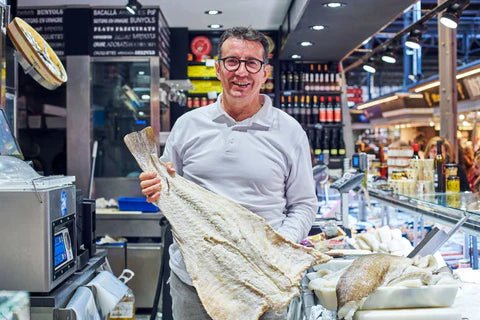
Marc González Sáez has been working with seafood products since 1990 at Mercat del Ninot, Barcelona. At Bacalalo.com, we sell long-cured Cantabrian anchovies, a safe and delicious alternative for fish lovers at any stage of life.