Cod bacalao al Club Ranero is one of the great classics of Basque cuisine: cod loins confited over a piperrada of onions, tomatoes, green peppers, and choricero peppers, bound with a pil-pil emulsion. This recipe, born in the Bilbao society El Club Ranero in the 19th century, is the perfect synthesis between the garden and the sea. In this article, we teach you the original recipe step-by-step, with all the tricks to master the piperrada and the emulsion. Marc González Sáez, from Mercat del Ninot in Barcelona, revives this recipe he has been preparing since 1990 for true cod lovers.
History of Club Ranero: the gastronomic society
Club Ranero is one of the oldest gastronomic societies in Bilbao, founded in 1891 on Ronda Street. In these societies — txokos — men would (and still do) gather to cook, eat, and socialize. Each society developed its own emblematic recipes, and the Club Ranero's became one of the most famous throughout Euskadi.
The original recipe combined two pillars of Basque cuisine: bacalao al pil-pil and piperrada (a slow sauté of peppers and tomato). The genius was in uniting both traditions in a single dish: cod confited in oil is topped with piperrada, and the pil-pil emulsion integrates with the vegetables to create a sauce that is much more than the sum of its parts.
Over time, bacalao al Club Ranero spread throughout the Basque Country and leaped to restaurants across Spain. Today, it is a dish found on the menus of the best Basque restaurants, from the steakhouses of Getxo to the bistros of San Sebastián. And in every Basque home, the recipe is passed down with the same reverence as a family heirloom.
Ingredients (4 servings)
For the cod
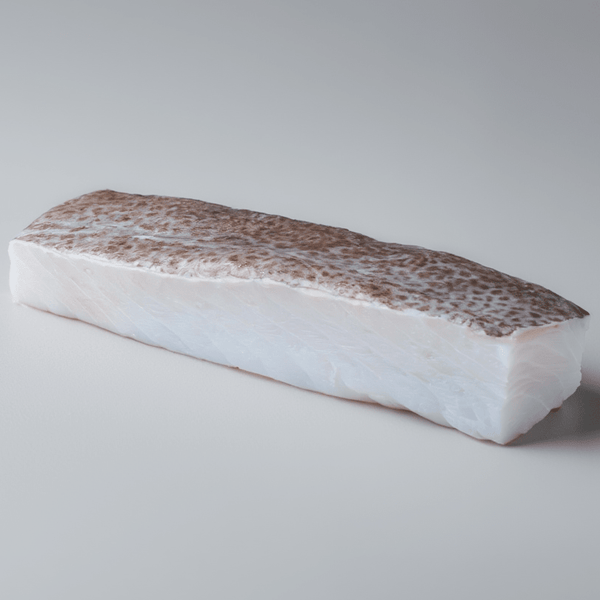
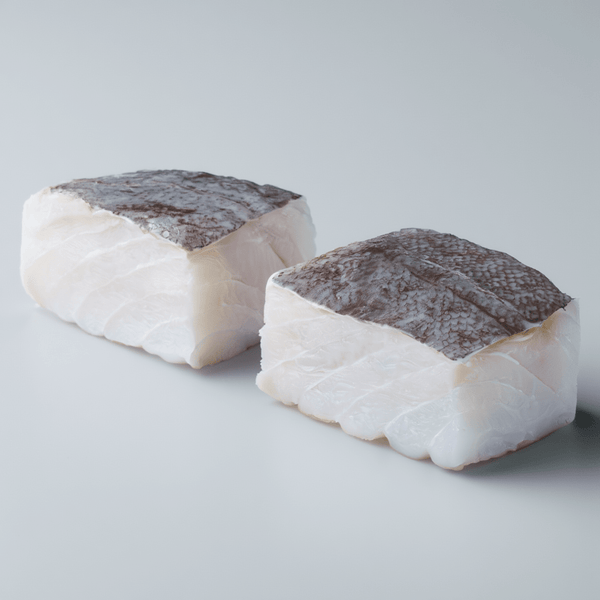
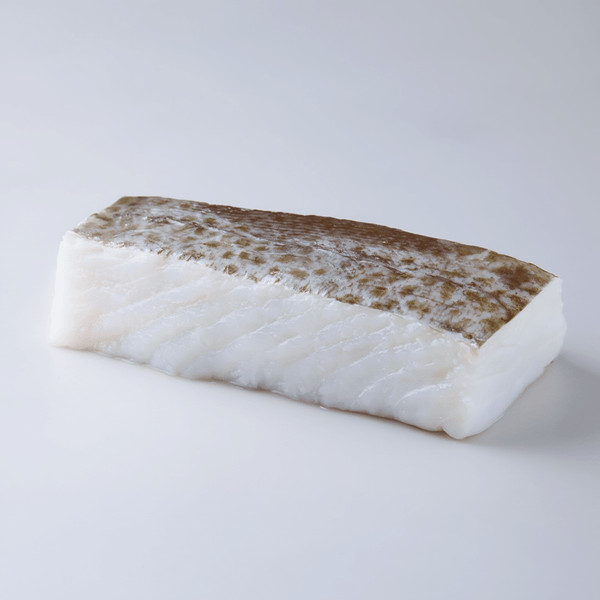
- 4 desalted cod loins, 180-200 g each, with skin
- 250 ml extra virgin olive oil
- 4 cloves garlic, sliced
- 1 dried chili pepper (optional)
For the piperrada
- 3 large onions, thinly julienned
- 4 ripe tomatoes (pear type), peeled and crushed
- 3 Italian green peppers, cut into thin strips
- 4-5 dried choricero peppers (or 2 tablespoons choricero pulp)
- 4 cloves garlic, minced
- Extra virgin olive oil
- 1 teaspoon sugar (to balance tomato acidity)
- Salt
The piperrada: foundation of the dish
Piperrada is much more than a soffritto. It is a slow, patient preparation, where vegetables are confited in olive oil until they lose all their water and become a silky, sweet, and deep cream. There are no shortcuts: a good piperrada needs a minimum of 45 minutes over low heat.
Start with the julienned onions in a large saucepan with generous olive oil, over low heat. They should sweat slowly, first becoming translucent and then golden. This takes about 15-20 minutes. Do not raise the heat: burnt onion adds bitterness.
Add the green pepper strips. Cook for another 10-15 minutes until they are soft and almost disintegrated. Italian green peppers are ideal because they have a lot of flesh and little bitterness. If you can only find Padrón peppers, use 8-10 instead of 3.
Stir in the minced garlic for one minute, then add the crushed tomato with the teaspoon of sugar. The sugar is not for sweetness, but to neutralize the natural acidity of the tomato, which would otherwise unbalance the dish. Cook the tomato for 10-15 more minutes until it darkens and loses all its water.
Finally, add the choricero pepper pulp and mix well. The finished piperrada should have a thick, almost jam-like consistency, with a deep reddish-orange color. Taste it: it should be sweet, slightly acidic, with a smoky undertone from the choricero.
Choricero peppers: the Basque secret
The choricero pepper is the ingredient that sets Basque cuisine apart from the rest of Spain. It is a dried red pepper, with thick flesh and intense flavor — sweet, smoky, slightly spicy — used in practically all Basque stews: marmitako, bacalao a la vizcaína, piperrada, chilindrón.
To use dried choricero peppers:
- Soak them in hot water for 30 minutes until soft.
- Cut them in half and, with the tip of a knife, scrape the pulp from the flesh (the inner part), discarding the outer skin.
- You will obtain a thick red paste: that is the choricero pulp. Each pepper yields approximately one generous teaspoon.
If you cannot find choricero peppers (outside the Basque Country it can be difficult), you can substitute them with 1 tablespoon of canned choricero pulp (sold in jars) or, as a last resort, with a mixture of piquillo pepper and a pinch of smoked paprika de la Vera. It's not the same, but it's close.

Cod al Club Ranero demands quality.
Available at Bacalalo.com with refrigerated 24-48h shipping
Step-by-step preparation
Step 1: Prepare the piperrada (45-50 minutes)
Follow the detailed instructions in the previous section. While the piperrada cooks slowly, prepare the cod. The piperrada can be made in advance (even the day before) and reheated. In fact, it improves after resting.
Step 2: Confit the cod (15-20 minutes)
In a separate saucepan (ideally clay), heat the 250 ml of oil over low heat. Add the sliced garlic and the chili pepper. When the garlic turns a light golden color, remove and set aside.
Place the cod loins with the skin facing up in the warm oil (60-65 °C). Confit for 10 minutes. Do not touch the loins: let them release their gelatin into the oil. Carefully flip and confit for 5 more minutes with the skin facing down. Remove the loins to a warm plate and cover with aluminum foil.
Step 3: The emulsion (5-8 minutes)
With the cod confiting oil still in the saucepan, off the heat, begin to move the saucepan in circles or use a mesh strainer to stir the oil. The cod's gelatin will emulsify with the oil, creating a whitish, creamy sauce. If you add a couple of tablespoons of the piperrada to the oil while emulsifying, the sauce will take on a beautiful rosy hue and a more complex flavor.
Step 4: Assembly (5 minutes)
Spread a generous layer of piperrada on the bottom of a clay dish or deep plate. Place the cod loins on top. Spoon the pil-pil emulsion over them. Garnish with the golden sliced garlic and, if desired, a few strips of rehydrated choricero pepper on top. Serve immediately.
The pil-pil emulsion over the piperrada
The fusion of the pil-pil emulsion with the piperrada is what makes Club Ranero unique. It is not a bacalao al pil-pil with vegetables on the side, nor a piperrada with fish on top. It is the integration of both preparations that defines the dish.
Some chefs mix the emulsion directly with the piperrada, creating a unified salmon-colored sauce. Others — and this is the most traditional presentation of Club Ranero — keep the piperrada as a base and spoon the emulsion over it, creating two visible layers. Both versions are correct; the second is more visual.
If you have become familiar with the pil-pil technique through our bacalao al pil-pil guide, here you have the advantage that the piperrada acts as a safety net: even if your emulsion isn't perfect, the piperrada provides more than enough body and flavor.
Differences with other Basque cod dishes
Basque cuisine has an impressive repertoire of cod recipes. They are often confused with each other, so here's a quick guide:
- Bacalao al pil-pil: just cod, olive oil, garlic, and chili. No vegetables. The sauce is a pure emulsion of gelatin and oil. The most minimalist and technical dish.
- Bacalao al Club Ranero: bacalao al pil-pil + piperrada of green peppers, tomato, and choricero peppers. The enriched version with garden vegetables.
- Bacalao a la vizcaína: cod with Vizcaína sauce (made exclusively from choricero peppers, onion, and broth, without tomato). It is the oldest and most debated: purists insist that authentic Vizcaína does not contain tomato. Consult our bacalao a la bilbaína guide for more details.
- Cod marmitako: stew with potatoes, choricero peppers, and broth. A spoon dish, not a fork dish.
Pairing and accompaniment
Club Ranero is a complete and generous dish that does not need a side dish. However, good country bread for dipping in the sauce is essential. Bread with a crispy crust and dense crumb that absorbs the piperrada and the emulsion.
For wine, the classic options:
- Txakoli: the quintessential Basque wine. Its sharp acidity and citrus notes cleanse the palate of the pil-pil oil.
- Young white Rioja: Viura with freshness and medium body. Complements without competing.
- Verdejo de Rueda: if you prefer more body and herbaceous notes that harmonize with the green peppers.
🛒 Related Products from Bacalalo
⭐ 4.9/5 · Chilled delivery 24-48h · Since 1990 at Mercat del Ninot
Frequently asked questions
What is the difference between Club Ranero and Vizcaína?
The fundamental difference is the tomato and green peppers. Club Ranero uses a complete piperrada (onion, tomato, green peppers, and choricero peppers). Authentic Vizcaína does NOT contain tomato: it is a sauce made only with poached onion, choricero peppers, and broth. Furthermore, Vizcaína is served with the sauce covering the cod, while Club Ranero separates the piperrada from the pil-pil emulsion.
Can I prepare the piperrada in advance?
Yes, and it is actually recommended. The piperrada improves after resting for 12-24 hours in the refrigerator: the flavors concentrate and integrate. Prepare it the day before and gently reheat it before assembling the dish. What you should NOT prepare in advance is the pil-pil emulsion, which must be made at the moment.
Can it be made without the pil-pil emulsion?
Technically yes: you can confit the cod and serve it over the piperrada without emulsifying the oil. The result is delicious but it is not an authentic Club Ranero. If the emulsion is difficult for you, practice first with a basic pil-pil and once you master the technique, apply it to this recipe.
What if I can't find choricero peppers?
You can substitute them with canned choricero pulp (2 tablespoons) or with a mixture of roasted piquillo peppers (3-4 crushed units) with half a teaspoon of smoked paprika de la Vera. Another alternative is Lodosa peppers or dried bell peppers, although the flavor will not be identical.
Is it necessary to use cod with skin?
For the pil-pil emulsion, yes. Cod skin is rich in collagen which, when heated, turns into gelatin. This gelatin is what allows the oil to emulsify into a creamy sauce. Without skin, the emulsion will not form correctly and you will lose the component that defines Club Ranero versus a simple cod with piperrada.
How many calories does bacalao al Club Ranero have?
A generous portion of Club Ranero (1 loin with piperrada and emulsion) provides approximately 450-550 kcal, depending on the amount of oil. The piperrada itself is relatively light (vegetables hardly contribute calories), but the confit and emulsion are rich in healthy monounsaturated olive oil. It is a caloric dish but with healthy monounsaturated fats.
Bacalao al Club Ranero is Basque cuisine in its purest state: top-quality product, refined technique, and respect for tradition. It is a dish that requires time — the piperrada is not rushed and the pil-pil does not allow shortcuts — but it rewards every minute with a rounded, deep, and comforting flavor. If you are looking for a recipe that truly impresses at a family meal or a special dinner, Club Ranero never fails.