

"Simi cod" is not cod. It is pollock (Pollachius virens), a different fish sold as a substitute because it is cheaper. Here is the definitive guide to distinguishing them: species, price, flavor, texture, and when it's worth it — with data and no marketing.
What exactly is simi cod
Updated March 2026. In our 30+ years of experience at Mercat del Ninot, this is what we recommend.
Simi cod is a trade name given to pollock (Pollachius virens), also known as saithe or coley, when it is salted and dried in a similar way to cod. It is not a type of cod, it is not an inferior variety of cod, it is not "second-grade" cod. It is a completely different fish.
The term "simi" comes from "similar" — and that is precisely the problem. It is sold as something similar to cod, at a lower price, and many buyers believe they are buying real cod at a discount. They are not.
It is not fraud when correctly labeled as "pollock" or "simi cod." It is fraud when sold simply as "cod." And it happens more often than the industry cares to admit.
The real species: Pollachius virens
To understand the difference, we need to talk biology:
- Real cod: Gadus morhua (Atlantic cod) or Gadus macrocephalus (Pacific cod). Gadidae family. Can exceed 30 kg. White, thick flesh, with large, firm flakes.
- Simi cod / Pollock: Pollachius virens. Also Gadidae family (they are relatives, not twins). Rarely exceeds 10 kg. Darker flesh (grayish-green), softer texture, smaller flakes.
Both belong to the same taxonomic family (Gadidae), just as a lion and a domestic cat belong to Felidae. They are related, but the differences are obvious to those who know how to look.
Why it's called "simi" and who sells it as such
The name "simi cod" originated in wholesale trade as a way to sell salted pollock at a price point between fresh pollock (very cheap) and real cod (expensive). The salting and drying process significantly improves the flavor of pollock, bringing it closer to that of cod — hence "simi" (similar).
It is commonly found in:
- Traditional markets: especially in southern Spain, where demand for dried cod is high and the average purchasing power is more limited.
- Ethnic food stores: Latin American and African communities that use salted cod in their cuisine.
- Supermarkets: in the salted products section, sometimes with ambiguous labeling.
- Hospitality industry: restaurants that need to reduce costs for dishes like croquettes, fritters, or brandade.

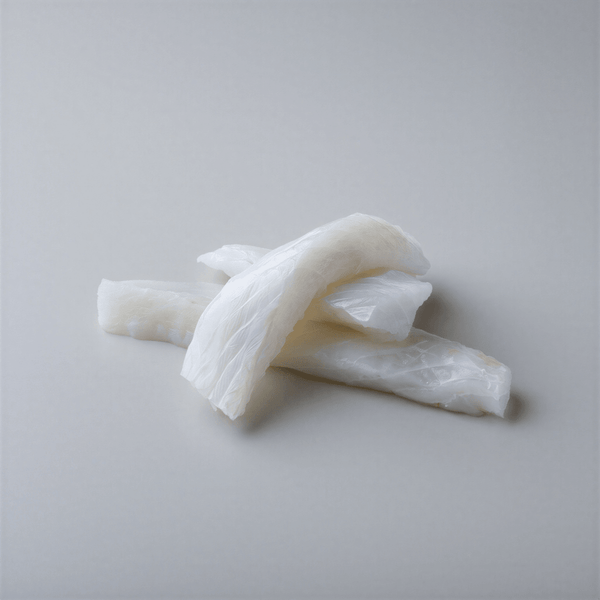
Traditional Dried Shredded Cod - 500g
Available at Bacalalo.com with refrigerated delivery in 24-48h
Comparison chart: real cod vs simi
| Characteristic | Real cod (Gadus morhua) | Simi cod (Pollachius virens) |
|---|---|---|
| Species | Gadus morhua | Pollachius virens |
| Common name | Atlantic cod | Pollock, saithe, coley |
| Flesh color (salted) | Creamy white | Grayish green / yellowish |
| Loin thickness | Thick (3-6 cm) | Thin (1.5-3 cm) |
| Flake size | Large, defined | Small, falls apart |
| Texture after desalting | Firm, juicy | Soft, somewhat watery |
| Flavor | Clean, sweet, deep | Flatter, slightly bitter |
| Skin | Thick, firm, easily removed | Thin, fragile |
| Average weight (whole piece) | 3-15 kg | 2-5 kg |
| Price/kg (salted) | €15-25/kg | €6-12/kg |
| Price/kg (desalted) | €18-30/kg | €8-15/kg |
| Protein (100g) | 18-20 g | 17-19 g |
| Fat (100g) | 0.5-1 g | 0.5-1 g |
Differences in flavor, texture, and cooking
Let's speak plainly, without euphemisms:
Flavor
Real cod has a clean flavor, with a sweet undertone and a complexity that comes from salt curing. It's a taste difficult to describe but easy to recognize: deep without being strong. Simi cod has a flatter, less complex flavor, with a slight bitter undertone that salting doesn't fully conceal. It's not unpleasant, but it's noticeably inferior.
Texture
Real cod, properly desalted, has a firm texture that flakes into large, juicy pieces. It's meaty. Simi cod has a softer, somewhat watery texture, and shreds into small, irregular pieces. In the mouth, real cod is satisfying; simi cod is... adequate.
Cooking behavior
Here's the most practical difference:
- Baked: real cod maintains its shape and juiciness. Simi cod tends to dry out and fall apart.
- Confit: both work acceptably, but real cod is silkier.
- Fried/battered: both work well. The batter protects and evens out differences.
- Stews: both work. In a stew with potatoes and paprika, the difference is less noticeable.
- Raw (brandade, salad): here the difference is maximal. Real cod wins hands down.
Market price: the real difference
Simi cod costs between 40% and 60% less than real cod. This makes it an attractive option for tight budgets or for preparations where the cod is shredded (croquettes, fritters, empanadas).
Indicative prices (2026, Spanish market):
- Real cod (Gadus morhua) salted: €15-25/kg depending on cut and quality
- Real cod desalted ready-to-cook: €18-30/kg
- Simi cod salted: €6-12/kg
- Simi cod desalted: €8-15/kg
The price difference reflects the product difference. It's not that real cod has an abusive margin — it's that simi cod is an intrinsically cheaper fish to produce (more abundant, grows faster, caught in larger volumes).

Smoked Cod in Oil, Thin Slices - 1000g
Available at Bacalalo.com with refrigerated delivery in 24-48h
How not to be fooled
These are the indicators that work in practice:
- Read the label: the legal name must include the species. "Gadus morhua" or "Gadus macrocephalus" = real cod. "Pollachius virens" = pollock/simi cod. If there is no species on the label, do not buy.
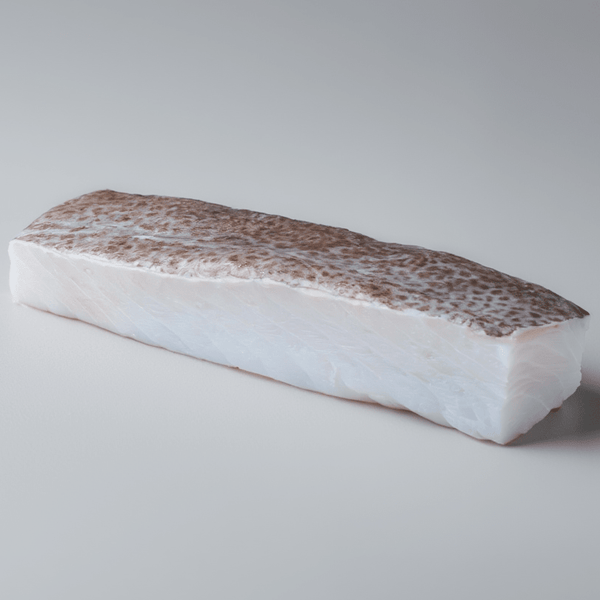
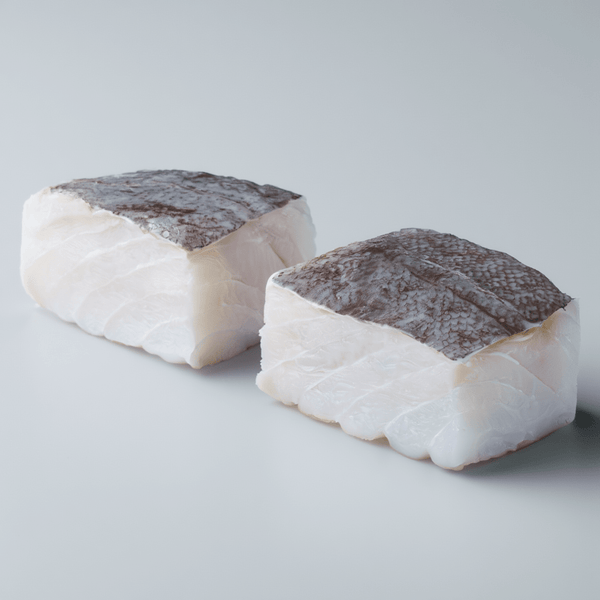
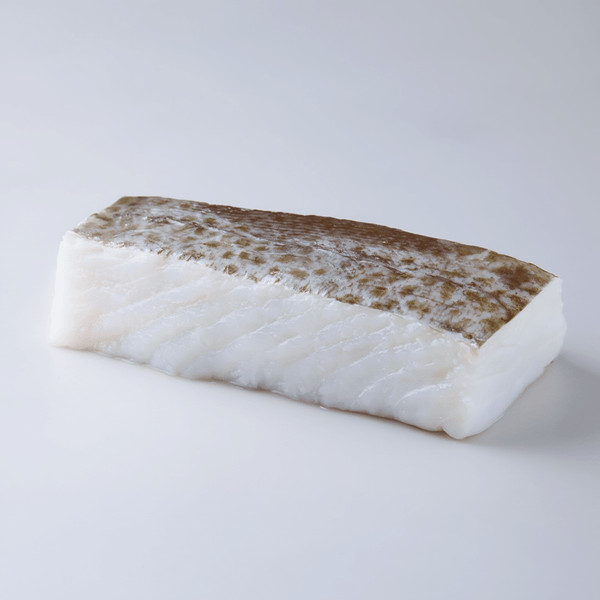
- Look at the color: real salted cod is creamy-white. Simi cod is grayish-green or yellowish. The difference is visible to the naked eye.
- Feel the thickness: real cod loin is thick (3-6 cm). Simi cod rarely exceeds 2-3 cm in thickness.
- Observe the skin: real cod has thick, tough skin with a defined scale pattern. Simi cod's skin is thin and fragile.
- Compare the price: if they sell you "cod" at €8-10/kg, it's not cod. Gadus morhua doesn't go below €15/kg in any format.
For a more detailed guide on how to choose cod, we have a specific article: definitive guide to choosing quality cod.
When it's worth buying simi cod
We don't demonize simi cod. It's a perfectly valid fish when you know what you're buying and use it correctly:
- Cod croquettes: the béchamel dominates the flavor. Shredded simi cod works well and saves 50%.
- Fritters: the fried batter masks texture differences. It works.
- Empanadas and empanadillas: the filling is mixed with other ingredients. Simi cod is sufficient.
- Stews with strong sauces: in a stew with tomato, pepper, and onion, the difference is diluted.
It's NOT worth it when:
- Cod is the visible star: baked, confit, grilled. Here the difference in texture and flavor is too evident.
- Simple preparations: bacalao al pil-pil, a la vizcaína, brandade. The product rules.
- Christmas or special dinners: when you want to impress, simi cod doesn't measure up.
Other cod substitutes
Pollock/simi cod is not the only fish sold as "cod" or similar:
| Trade name | Real species | Difference from cod |
|---|---|---|
| Simi cod | Pollachius virens (pollock) | Smaller, gray flesh, flat flavor |
| Blue whiting | Micromesistius poutassou | Very small, soft flesh, low price |
| Pangasius (sold as "cod") | Pangasius hypophthalmus | River, not sea. Bland flavor. Fraud if sold as cod |
| Haddock | Melanogrammus aeglefinus | Close relative. Similar but milder flavor. Legal and legitimate |
| Pacific cod | Gadus macrocephalus | Real cod, but from the Pacific. Slightly lower quality than Atlantic |
More details on cuts and qualities in our complete guide to dried salted cod.

Universal Dried Shredded Cod - 500g
Dried salted cod — Bacalalo Selection — Selected pieces of Gadus morhua, salt-cured for a minimum of 3 months. What simi cod tries to imitate without success. See dried cod
🛒 Related Products from Bacalalo
"Discover Bacalalo" Assortment
Our best-selling pack — ideal for first-time buyers
€19.90
View product →⭐ 4.9/5 · Cold shipping 24-48h · Since 1990 at Mercat del Ninot
Frequently asked questions
Is it legal to sell simi cod?
Yes, as long as it is correctly labeled as "pollock" or "simi cod" and includes the species (Pollachius virens). What is illegal is to sell it as "cod" without specifying that it is pollock. European regulations require that the trade name and scientific species appear on the label of all fishery products.
Is simi cod bad for your health?
No. Nutritionally, it is a lean white fish, rich in protein and low in fat, very similar to real cod. The difference is gastronomic (flavor, texture), not nutritional. If it is sold to you as what it is and the price suits you, it is a perfectly healthy food.
How do I know if the cod in a restaurant is real or "simi"?
By the texture and price of the dish. If a "bacalao al pil-pil" costs 8 euros on a set menu, it's probably not Gadus morhua. If it breaks into small, irregular pieces instead of large, firm flakes, it's possibly "simi." There's no way to know for sure without seeing the original product label.
Does "simi" cod need to be desalted the same way as real cod?
The process is the same (cold water, 24-48 hours, change water every 8-12 hours), but "simi" needs less time (24-36 hours) because the pieces are thinner. If you desalinate it too much, it loses the little flavor it has. Taste a small piece before cooking.
Why is it called "black cod" in some places?
It's another commercial name for salted pollock, referring to the darker color of its flesh. Do not confuse it with true black cod (Anoplopoma fimbria), which is a completely different deep-water fish from the Pacific, highly prized in Japanese cuisine.
Is it worth paying double for real cod?
It depends on the use. For croquettes and fritters: no, "simi" works well. For baked cod, bacalao al pil-pil, confit, or any preparation where the fish is the star: yes, absolutely. The difference in flavor and texture justifies the price when the dish depends on the product. Since 1990, at Mercat del Ninot, we only sell Gadus morhua because we know the difference is noticeable where it matters.
"Simi" cod is not bad — it's a different fish with a confusing name. The problem is not the product, it's the lack of transparency. If you buy it knowing it's pollock (Pollachius virens) and use it where it works well (croquettes, fritters, stews), it's a perfectly reasonable and economical option.
If you buy it believing it's real cod and serve it baked on Christmas Eve, you're going to be disappointed. Information is your best tool. Read the label, look at the color, check the thickness, and be suspicious of prices that are too good to be true.
Marc González Sáez · Bacalalo · Mercat del Ninot, Barcelona (since 1990)
Related articles: Guide to choosing quality cod · Dried salted cod: complete guide · Desalted cod collection