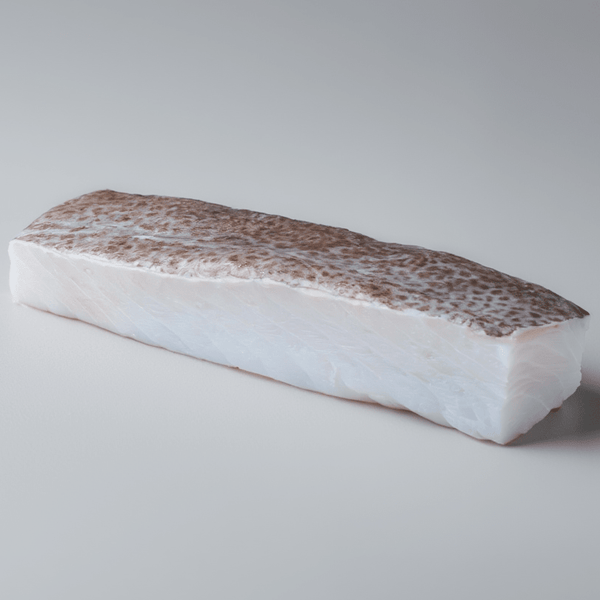
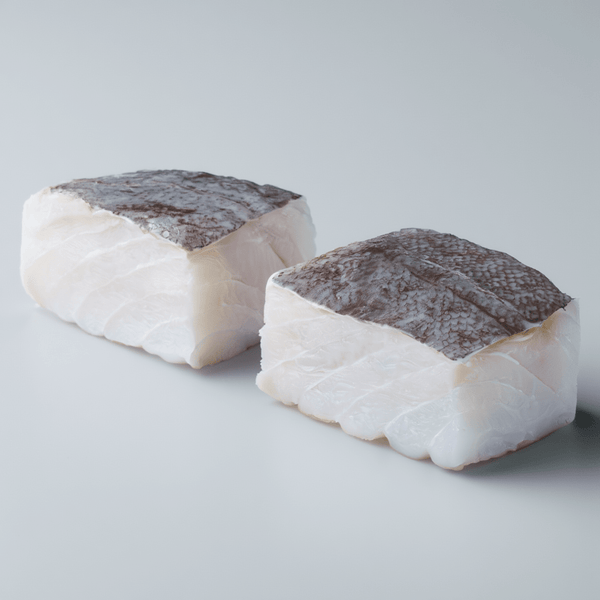
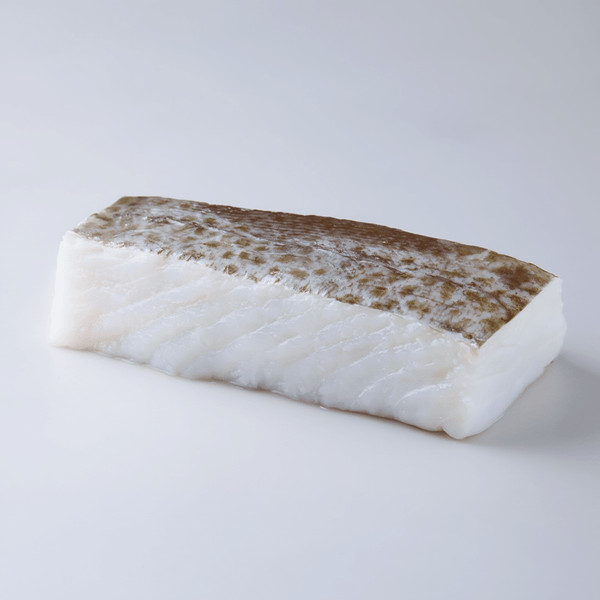
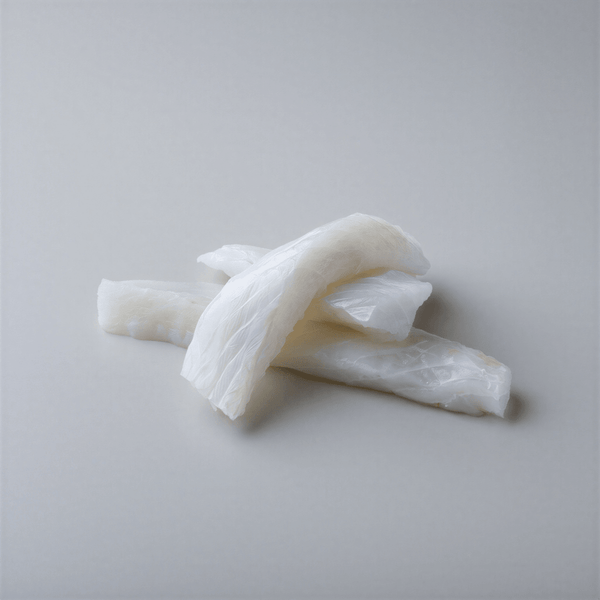
Cod is one of the most prominent ingredients in Michelin-starred restaurants in Spain, Portugal, and the French Basque Country. Its versatility, ability to absorb flavors, and unique texture make it a perfect canvas for haute cuisine. In this article, we discover how top chefs work with cod and offer you 5 recipes inspired by Michelin-starred restaurant dishes that you can prepare in your own kitchen.
Cod in Michelin-starred restaurants
If we review the menus of Michelin-starred restaurants on the Iberian Peninsula, cod appears with surprising frequency. It is not just another ingredient: it is a cult ingredient. From Basque steakhouses to avant-garde Catalan restaurants, and through Portuguese gastronomic temples, cod has a status that few seafood products can match.
The reason is twofold. On the one hand, cod offers extraordinary technical versatility: it can be confited, roasted, fried, sous-vide cooked, dehydrated, turned into foams, its natural gelatin can be gelled, and much more. On the other hand, it has a deep cultural component in Iberian gastronomy that emotionally connects with the diner. A cod dish in a Michelin restaurant is always a statement of intent: the chef acknowledges tradition and elevates it.
In the Michelin Guide Spain and Portugal of recent years, we find cod on the menus of restaurants such as Mugaritz, Arzak, Akelarre, Quique Dacosta, Nerua (at the Guggenheim), ABaC, Belcanto (Lisbon), and dozens more. Each interprets it from their own culinary perspective, but all share a common element: they use the highest quality cod, generally from Iceland or Norway, and apply techniques that enhance its natural flavor rather than masking it.

Chefs who have elevated cod to haute cuisine
Martín Berasategui
The chef with the most Michelin stars in Spain has made cod one of the pillars of his cuisine. His famous roasted cod with pil-pil from its own juice and garlic refrito is a masterpiece of apparent simplicity that hides a highly refined technique. Berasategui demonstrates that great dishes do not need complexity, but rather absolute mastery of the product and technique.
Juan Mari Arzak and Elena Arzak
Arzak restaurant in San Sebastián, with three Michelin stars since 1989, features cod as a recurring ingredient. Their preparations combine Basque tradition with daring innovation: cod with pepper textures, with txakoli gelatins, or with sauces based on the pil-pil technique but with completely unexpected ingredients.
Quique Dacosta
The Alicante-born chef, with three Michelin stars, has explored cod from a Mediterranean perspective. His work with dehydrated cod, subsequently rehydrated with aromatic broths, has opened a new path in avant-garde cuisine. Dacosta demonstrates that cod is not only a northern ingredient: the Mediterranean has its own cod tradition with dishes such as Valencian esgarraet.
José Avillez (Belcanto, Lisbon)
The Portuguese chef with two Michelin stars has made cod the centerpiece of his gastronomic proposal. In a country where it is said there are 365 cod recipes (one for each day of the year), Avillez has found a way to reinvent classic preparations with avant-garde techniques without losing the emotional connection to Portuguese tradition.
Haute cuisine techniques applied to cod
Michelin-starred chefs apply techniques to cod that go far beyond traditional cooking. These are the most important:
Sous-vide cooking
The most revolutionary technique for cod. By cooking it sous-vide at a controlled temperature (generally between 55 and 65°C), an impossible-to-achieve texture is obtained with conventional methods: the cod flakes easily separate, the protein remains juicy, and the fish's natural gelatin turns into a silky sauce that coats each bite.
Confit in oil
Confit at low temperature (between 55 and 70°C) in extra virgin olive oil is the most used technique in Basque and Portuguese Michelin restaurants. The oil acts as a gentle thermal conductor, and slow cooking allows the cod's collagen to transform into gelatin without excessive denaturation of the protein.
Molecular pil-pil
Traditional pil-pil sauce is based on emulsifying cod gelatin with olive oil. Avant-garde chefs have taken this technique further, creating stable emulsions with the help of sifons, airs, foams, and gels. The result maintains the flavor of classic pil-pil but with completely new textures.
Controlled dehydration and rehydration
Some chefs work with completely dehydrated cod which they then rehydrate with specific aromatic broths (dashi, seafood consommé, tomato water). This allows the cod to absorb new flavors while maintaining its characteristic texture.
Fermentation and maturation
The most recent trend in haute cuisine is the controlled fermentation of cod, similar to what is done with koji in Japanese cuisine. This process intensifies the fish's natural umami and creates completely new flavor profiles.

Recipe 1: Deconstructed pil-pil cod
Inspired by the interpretations that Michelin-starred Basque restaurants make of the most emblematic cod dish. This version maintains traditional flavors but presents textures differently.
Ingredients (4 servings)
- 4 loins of desalted cod, 180 g each
- 300 ml extra virgin olive oil
- 6 cloves garlic
- 2 dried chilies
- Fresh parsley
- Salt (if necessary)
Step-by-step preparation
- Confit the garlic: Slice the garlic thinly and confit it in olive oil at 60°C for 20 minutes, until golden and crispy. Remove the garlic and chilies and set aside separately. Keep the oil.
- Cook the cod: In the same oil (at 65°C), place the cod loins skin-side up. Cook for 15-18 minutes, moving the pan in circles every 3-4 minutes so that the cod's gelatin emulsifies with the oil. The sauce will gradually thicken.
- The emulsion: When the cod is cooked, carefully remove it. Continue moving the pan with the oil over low heat, adding cold water by the spoonful if the emulsion breaks. The perfect pil-pil sauce is thick, shiny, and pale yellow.
- Deconstructed plating: Place the cod loin in the center of the plate, partially flaked to show its layers. Drizzle with the pil-pil sauce. Scatter the crispy garlic chips around. Garnish with fresh parsley and a drizzle of raw extra virgin olive oil.
What makes it "Michelin-starred"?
The difference between a homemade pil-pil and a Michelin restaurant one lies in three details: the quality of the cod (thick and gelatinous loins), patience in emulsifying (at least 15 minutes of constant movement), and presentation (each element intentionally placed).
Recipe 2: Cod confit at 62°C with cauliflower cream
This recipe is inspired by cod dishes served in restaurants like Nerua (Bilbao) or ABaC (Barcelona). The precise cooking at 62°C produces a texture that is impossible to achieve with conventional methods.
Ingredients (4 servings)
- 4 desalted cod loins, 180 g each
- 400 ml extra virgin olive oil
- 1 medium cauliflower
- 200 ml whole milk
- 50 g butter
- Chives
- Truffle oil (optional)
- Salt and white pepper
Step-by-step preparation
- Cauliflower cream: Cut the cauliflower into small florets. Reserve a few mini florets for garnish. Cook the rest in milk with a pinch of salt for 20 minutes until very tender. Drain (reserve the cooking liquid) and blend with the butter until a super smooth cream is obtained. Adjust consistency with the reserved liquid. Season with salt and white pepper.
- Garnish cauliflower: Cut the reserved mini florets into thin slices. Sauté them in a pan with butter until caramelized. Set aside.
- Cod confit: Heat the olive oil to exactly 62°C (use a thermometer). Submerge the cod loins and maintain the temperature for 18-20 minutes. The cod will be perfect when the flakes start to separate slightly but the loin retains its shape.
- Plating: Spread a mirror of cauliflower cream on the plate. Place the confit cod loin on top. Garnish with the caramelized cauliflower slices, chopped chives, and, if you want the final Michelin restaurant touch, a few drops of truffle oil.
Recipe 3: Cod kokotxas in green sauce
Kokotxas are the hidden gem of cod and one of the most emblematic dishes of Basque cuisine with a Michelin star. It is the lower part of the cod's jaw, a small, gelatinous piece that, when cooked correctly, offers a unique gastronomic experience. Restaurants such as Arzak, Mugaritz, or Elkano prepare them in different ways, but the classic green sauce remains the most striking.
Ingredients (4 servings)
- 500 g desalted cod kokotxas
- 200 ml extra virgin olive oil
- 4 cloves garlic
- 1 dried chili
- 200 ml fish stock (fumet)
- A generous bunch of fresh parsley
- Flour for dusting
- Salt
Step-by-step preparation
- Dust the kokotxas with flour: Dredge the kokotxas in flour, shaking off any excess.
- Base sofrito: In an earthenware pot, heat the oil over medium heat. Sauté the sliced garlic and chili until golden. Remove them before they burn.
- Cook the kokotxas: In the same oil, place the kokotxas and cook for 2 minutes on each side.
- Green sauce: Add the fish stock and finely chopped parsley. Gently rock the pot back and forth (never stir with a spoon) for 8-10 minutes over low heat. The gelatin from the kokotxas will emulsify with the oil and stock, creating a thick, glossy green sauce.
- Final touch: The sauce is ready when it has a light cream consistency and the kokotxas are tender and gelatinous. Serve immediately in the same earthenware pot.
The secret to perfect kokotxas
Never stir with a spoon or fork. The rocking motion of the pot is essential for the emulsion to form correctly. Cod kokotxas have more gelatin than any other part of the fish, and this natural collagen is what creates the sauce without the need for any artificial thickeners.
Recipe 4: Cod brandade with black truffle
Brandade is a classic of French Provençal cuisine that has been reinterpreted by Michelin-starred chefs across Europe. This version with black truffle elevates the dish to a level of sophistication that will surprise any diner.
Ingredients (4 servings)
- 400 g shredded desalted cod
- 300 g potato
- 200 ml extra virgin olive oil
- 100 ml whole milk
- 2 cloves garlic
- 20 g black truffle (or quality truffle oil)
- White pepper
- Glass bread for accompaniment
Step-by-step preparation
- Cook the cod: Place the cod in cold water and bring to a boil. As soon as it boils, remove from heat, cover, and let rest for 10 minutes. Drain, shred, removing skin and bones.
- Potato purée: Cook the peeled potatoes in salted water. Pass through a food mill when tender.
- Assemble the brandade: In a saucepan over low heat, combine the shredded cod with the potato purée. Gradually add the olive oil in a thin stream while stirring vigorously, as if making an aioli. Alternate with hot milk. The mixture should be creamy, unctuous, and lump-free.
- Truffle: Off the heat, grate the black truffle directly over the brandade and mix gently. The residual heat will release the truffle aromas.
- Serve: Serve in individual bowls with a few truffle slices on top, a drizzle of raw olive oil, and toasted glass bread for dipping.
Recipe 5: Cod loin with squid ink and saffron aioli
This recipe is inspired by cod dishes served in Michelin restaurants on the Mediterranean coast. The combination of the pure white of the cod with the black of the squid ink and the yellow of the saffron creates a visually striking dish with deeply marine flavors.
Ingredients (4 servings)
- 4 desalted cod loins, 180 g each
- 2 sachets of squid ink
- 200 ml fish stock
- 1 small onion
- 2 cloves garlic
- 100 ml extra virgin olive oil
- A few saffron threads
- 1 egg yolk
- Lemon juice
- Salt
Step-by-step preparation
- Ink sauce: Sauté the finely chopped onion with one clove of garlic. Add the squid ink dissolved in the fish stock. Cook for 15 minutes over low heat. Blend and strain to obtain a black, glossy sauce.
- Saffron aioli: Infuse the saffron in one tablespoon of hot water for 10 minutes. Prepare a classic aioli with the egg yolk, the remaining garlic, the oil in a thin stream, and a few drops of lemon. Incorporate the saffron water at the end to give it color and flavor.
- Cook the cod: In a hot pan with olive oil, cook the loins skin-side down for 5 minutes. Flip and cook for 2 more minutes. The inside should remain juicy.
- Plating: Pour a mirror of ink sauce onto the plate. Place the cod loin on top. Add dots or a quenelle of saffron aioli. Garnish with a few parsley or chervil leaves.
Pairing: Wines for Fine Dining Cod
Pairing wine with cod in fine dining is an art in itself. These are the wines recommended by sommeliers from Michelin-starred restaurants:
- For pil-pil and confit: Full-bodied Txakoli or a Godello from Valdeorras. The acidity cuts through the oil's fat, and the slight effervescence of Txakoli cleanses the palate.
- For kokotxas in green sauce: A recent vintage Albariño Rías Baixas. The minerality and freshness of the Albariño complement the gelatinous texture of the kokotxas.
- For brandade with truffle: A white Burgundy (Meursault or Puligny-Montrachet) or, as a Spanish alternative, an aged Chardonnay from Somontano. The buttery notes of the wine harmonize with the creaminess of the brandade.
- For cod with ink: A barrel-fermented Verdejo or a white wine from DO Terra Alta. The complexity of the wine supports the intensity of the squid ink.
- Bold option: A young Mencía red wine from Bierzo can work surprisingly well with confit cod. The soft tannins and red fruit create an unexpected contrast.
The Importance of Cod Quality in Fine Dining
In home cooking, average quality cod can yield an acceptable result. In fine dining, product quality accounts for 80% of the final outcome. Michelin-starred chefs select their cod with extremely rigorous criteria:
Origin
The best cod for fine dining comes from the cold waters of Iceland and Norway. North Atlantic cod (Gadus morhua) has a firmer texture, more defined flakes, and a higher gelatin content than cod from other sources. This is precisely the cod you will find in the kitchens of the world's best restaurants.
Curing and Desalting
The salting and subsequent desalting process greatly influences the final result. Properly cured cod, salted for just the right amount of time and patiently desalted (48-72 hours in cold water, changing every 8 hours), develops complex flavors that fresh cod simply does not possess. This is why Michelin chefs prefer salted cod over fresh for most preparations.
Loin Thickness
For confits and sous vide preparations, chefs look for loins at least 4 cm thick. A thick loin allows for slower, more controlled cooking and produces that separable flake effect that is the hallmark of perfectly cooked cod.