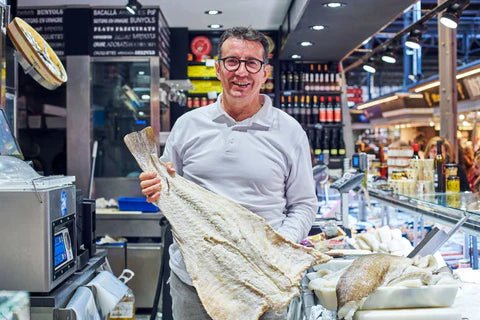
Summary: At Bacalalo, we've been filleting whole cod at the Mercat del Ninot in Barcelona since 1990. And in that time, we've learned that buying a whole cod is one of the best decisions a home cook seeking real quality at a good price can make — if they know what to do with each part.
This guide explains exactly that: how to evaluate a whole cod before buying it, how to fillet it at home, what to cook with each part, and how to use absolutely everything without wasting a thing.
Contents
Why Buy Whole Cod
The first question is the obvious one: why bother with a whole cod when you can buy pre-cut loins?
Reason 1: Price. Whole cod costs significantly less per kilo than pre-cut loins. You're paying for the processing and filleting work.
Reason 2: Verifiable quality. When you buy a whole cod, you can assess the quality of the entire piece — the color, smell, texture, size. With a pre-cut loin, that information is partially hidden.
Reason 3: Variety. A whole cod gives you access to all parts: the loin for some recipes, the belly for others, the jowl for stews, the cheeks for pil pil, the tail for stocks. Buying only loins is like buying only tenderloin — you're missing out on the best parts.
Reason 4: Cod stock. The bones, head, and non-meat parts of the cod make an extraordinary stock that enhances any stew or rice dish. If you only buy loins, you don't have that option.
Weight, Sizes, and Yield
Weight of Whole Salt Cod
Cod is sold salted, meaning the purchase weight includes salt and retained moisture. The most common ranges:
| Size | Salt weight | Approx. desalted weight | Edible meat |
|---|---|---|---|
| Small | 0.5-1 kg | 0.4-0.8 kg | 50-60% of salt weight |
| Medium | 1-2 kg | 0.8-1.6 kg | 55-65% of salt weight |
| Large | 2-4 kg | 1.7-3.2 kg | 60-70% of salt weight |
| Extra large | 4-7 kg | 3.5-6 kg | 65-70% of salt weight |
Larger Cod are Best
In general, larger cod are more highly valued:- Thicker loins
- More uniform pieces when filleted
- Better maturation (larger ones are usually better cured)
- Higher yield of premium cuts (upper loin)
A 4-6 kg cod is ideal for a home cook who wants to get quality cuts. Cod weighing less than 1 kg are harder to fillet and yield small amounts per cut.
Cod Diagram: The Parts
Here is a textual representation of the parts of a deboned and opened cod:
The 7 Main Parts
1. JOWL (MORRO)- Location: First piece of the body, behind the head
- Characteristics: High gelatinosity due to collagen, melt-in-your-mouth texture
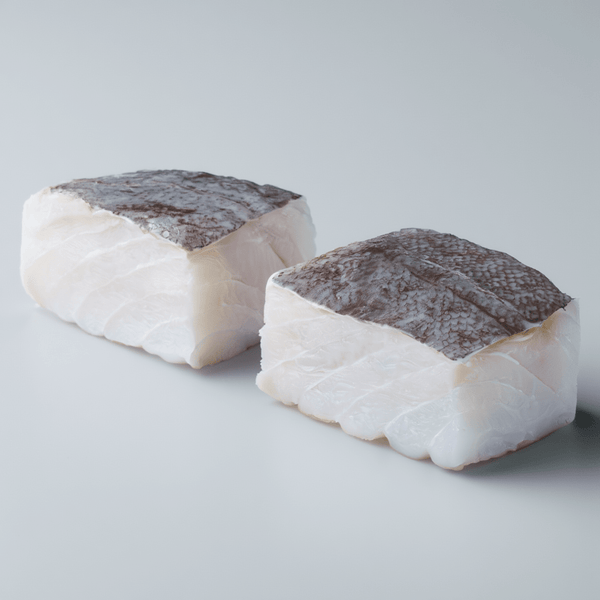
- Use: Pil pil, stews, confit
- Quantity: 1-2 pieces per cod (relatively small)
- Location: The central dorsal part, the thickest
- Characteristics: The most prized piece, meat in perfect flakes
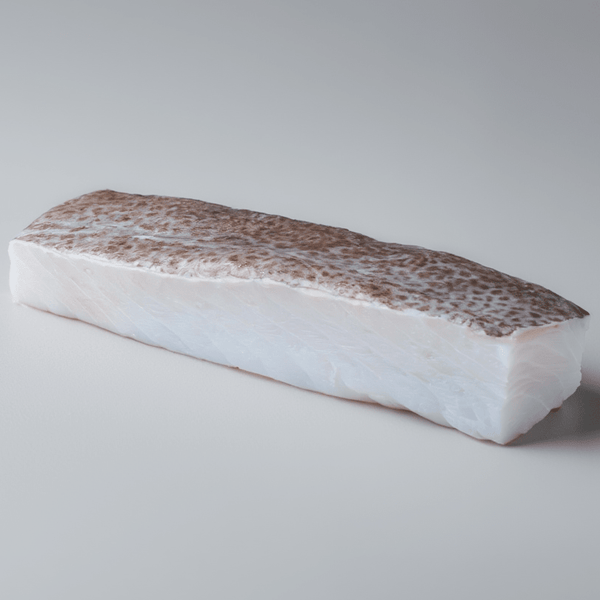
- Use: All premium preparations — pil pil, confit, oven-baked, pan-fried
- Quantity: 2 upper loins per cod (one on each side)
- Location: The continuation of the loin towards the tail
- Characteristics: Thinner than the upper loin, good quality but less spectacular
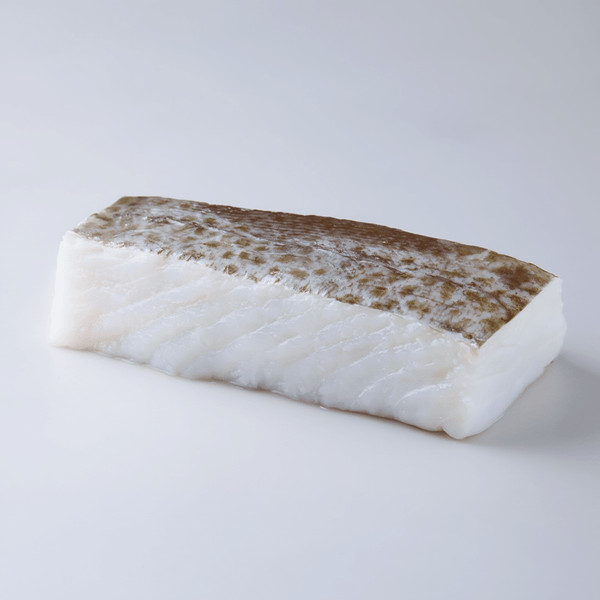
- Use: Oven-baked, stews, ajoarriero
- Quantity: 2 pieces
- Location: Ventral area (belly) of the cod
- Characteristics: Higher fat content, intense flavor, melt-in-your-mouth texture
- Use: Confit, pil pil, pickled, carpaccio
- Quantity: 2 bellies per cod
- Location: Jowl area, below the mouth
- Characteristics: Extreme collagen, maximum gelatinosity
- Use: Pil pil, stews, pil pil with rice
- Quantity: Very little (80-100 g per large cod)
- Location: Final area, before the caudal fin
- Characteristics: Less meat, more bones, delicate flavor
- Use: Stocks and broths, shredded for croquettes or brandade
- Quantity: 1 piece
- Location: Everything that is not meat
- Characteristics: Rich in gelatin and flavor
- Use: Cod stock, bases
- Quantity: 30-40% of the total weight of the cod
Related Products from Bacalalo


Recommended Products

Natural Cod Liver Foie Gras - 120g | Smoked C...
3,90 €

CHATKA Wild King Crab 60% Legs 40% Shredded | ...
95,00 €

Smoked Cod Carpaccio Artisan Cut | Pack 1 Tra...
15,90 €

Dried Cod Cheeks (1 tray) - 500g
19,95 €
Refrigerated shipping 24-48h to all of Peninsular Spain
How to Evaluate a Whole Cod Before Buying It
If you have access to see it (in a traditional fishmonger):
Color
- It should be uniformly golden-yellowish
- White-grayish loins indicate poorly cured cod or excess moisture
- Dark spots may indicate spoilage (check for an associated odor)
- The inside of the loin (if you can see a cut) should be creamy white, not grayish
Aroma
- It should smell of cod — intense but clean
- If it smells ammoniacal, rancid, or putrid, do not buy it
- A well-cured cod smells of salt-curing, not "bad fish"
Texture
- Firm to the touch, without soft spots
- If you press it and the mark remains for a long time, it has excess moisture
Skin
- Well adhered to the body, without separation
- White-grayish or slightly golden color on the outside
How to Fillet a Whole Cod at Home
Filleting a whole cod requires a long, flexible knife, a large cutting board, and some patience. If you're unsure, at Bacalalo we can do it for you when you buy it.
Necessary Tools
- Long (30-35 cm) and flexible filleting knife
- Kitchen knife for the head
- Large cutting board (minimum 50 cm long)
- Bone tweezers
Filleting Process
Step 1: Separate the head With the kitchen knife (not the filleting knife), cut behind the pectoral fins diagonally. Reserve the head for stock.
Before cutting off the head, extract the cheeks: they are on the underside of the jaw, like two small symmetrical pieces. Run the knife along the joining line and carefully remove them.
Step 2: Open the cod With the filleting knife, cut along the backbone from head to tail, staying close to the spine. This cut separates the cod into two halves (like the two wings of an open book).
Step 3: Separate the loins In each half, separate the loin from the central spine and ribs. The filleting knife should glide along the bone, not cut through it.
Step 4: Identify the parts Once opened:- The jowl is the anterior (narrower) part of each fillet
- The upper loin is the thicker central part
- The lower loin is the part that continues towards the tail
- The belly is the lower edge of each fillet (the thinner, fattier part)
- The tail is the final piece
Step 5: Separate the belly With the filleting knife, make a cut along the boundary between the loin meat and the belly (which is thinner). This boundary generally follows the line of ventral bones.
Step 6: Clean bones With tweezers, go over the loins, searching for and removing the lateral bones. Use your fingers to detect them.
How to Store Each Part
Once filleted, each part has its own storage needs:
Salted (without desalting)
You can keep the pieces salted for as long as you need. Well-wrapped in cling film and in the fridge: 4-6 weeks without problems. In dry salt in a sealed container: up to 3 months.Pre-desalted and Stored
If you have desalted all the cod but are not going to cook it immediately:- Wrap each piece in damp kitchen paper and then in cling film
- In the fridge: 2-3 days maximum
- In the freezer: 3-4 months (freeze in individual portions)
The Stock from the Bones
Make the stock from the bones and head on the same day you fillet, when they are freshest. The stock can be frozen in cubes or portions and used for months.What to Do with Each Part: Recipe Summary
| Part | Ideal Recipes | Main Technique |
|---|---|---|
| Jowl | Pil pil, long stews, confit | Slow cooking |
| Upper loin | Pil pil, confit, pan-fried, oven-baked | Any technique |
| Lower loin | Oven-baked, stews, ajoarriero | Moderate heat |
| Belly | Confit, carpaccio, pil pil | Very gentle heat |
| Cheeks | Pil pil, stew, with rice | Very gentle cooking |
| Tail | Stocks, croquettes, brandade | Slow cooking or shredded |
| Bones + head | Cod stock | Gentle boil 25 min |
Buy Whole Cod at Bacalalo
At Bacalalo, we sell whole cod and also fillet it to your specifications. If you want the whole cod to use it entirely, or if you prefer us to cut it into parts according to your recipes, we'll gladly do it.
We've been filleting cod at Mercat del Ninot since 1990. If you have questions about how best to use a whole cod, ask us — it's literally what we do every day.
Buy whole and cut cod at Bacalalo — Mercat del Ninot, Barcelona
Frequently Asked Questions
How many people does a 2 kg whole salt cod feed?
Considering a yield of 55-60% edible desalted fish, you will get between 1.1-1.2 kg of meat. For a main course (150-180 g per person), this serves 6-8 portions. More if you combine it with generous side dishes or use it in preparations like croquettes or brandade.
Can I ask the fishmonger to cut it for me?
Yes, and it's highly recommended if you don't have experience. At Bacalalo, we do it regularly. The important thing is to specify what dishes you want it for — that way we can adapt the cuts.
Is the cod head good for anything?
Yes. The head, although it has little direct edible yield, is essential for broth. The cheeks (muscular areas of the face), though small, are also edible and very tasty. The eyes are also eaten in some Mediterranean cultures.
Is bigger cod always better quality?
Not necessarily. Quality depends on processing, curing, and origin. But all else being equal, larger cod usually have thicker, better-developed loins, which makes them more versatile and presentable on the plate.
How much does a whole cod weigh after desalting?
After desalting, cod loses the incorporated salt but absorbs water. The final weight varies, but desalted cod weighs approximately 80-90% of its original salted weight. Then, after removing bones and skin, you are left with 55-65% of the original salted weight as edible meat.
Is it better to buy whole cod or loins?
It depends on your situation. If you're cooking for many people and want a variety of preparations, a whole cod is more cost-effective. If you only need loins for a specific recipe, pre-cut loins save time. Price/quality: whole cod always wins.
Is cod skin edible?
Yes. Cooked cod skin (especially in pil-pil, where it provides collagen) is excellent. Crispy fried skin is an extraordinary bite. If you don't like the texture of the skin in stews, you can remove it before cooking.
How do I know if the cod I buy is authentic Gadus morhua?
Labeling requires the scientific name to be indicated. Look for "Gadus morhua" (or "Gadus morhua L.") on the label or ask for confirmation. Gadus macrocephalus (Pacific cod) is a different species and should be indicated as such.
Can I freeze whole cod without desalting?
Yes. Salt cod is technically already a preserved food, but freezing it before desalting is valid and allows it to be stored for much longer. Thaw in the refrigerator and desalt normally.
What is the correct desalting temperature?
Always in the refrigerator (4-6°C). At room temperature, cod can begin to spoil during desalting. In the refrigerator, the process is slower but safe and results in a better final product.
How many water changes does whole cod need to be desalted?
For a whole cod, start with plenty of cold water and change it every 8 hours for a minimum of 3-4 days. The salt content is higher than in an already cut loin, so it needs more time and more changes. Always taste the thickest part (the central loin) before considering the desalting complete.
Where can I buy whole cod in Barcelona?
At Bacalalo, Mercat del Ninot in Barcelona. We have been specializing in cod and seafood preserves since 1990. Also available in our online store with shipping throughout Spain.
At Bacalalo, we have been at Mercat del Ninot since 1990, convincing people that whole cod is the best buy. Once you try it, there's no going back. Visit us and we'll show you how to get the most out of each part.
Discover more