Summary: Culinary excellence in Barcelona demands suppliers who understand the sophistication of the gastronomic market. A specialized cod supplier makes the difference between an ordinary dish and a memorable dining experience.
Contents
- Why Choose a Specialized Cod Supplier for Your Restaurant
- The B2B Cod Market in Barcelona: Opportunities for Restaurateurs
- Professional Cuts Tailored to Every Culinary Need
- Precise Weights to Optimize Costs and Waste
- Pricing Structure and Restaurant Profitability
- Cold Logistics: Ensuring the Preservation Chain
- Advantages of Local Supply in Barcelona
Why Choose a Specialized Cod Supplier for Your Restaurant
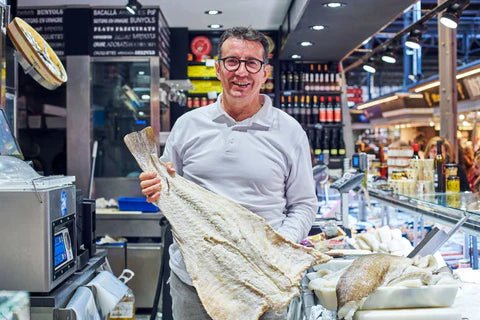
Culinary excellence in Barcelona demands suppliers who understand the sophistication of the gastronomic market. A specialized cod supplier makes the difference between an ordinary dish and a memorable dining experience. The meticulous selection of Icelandic and Norwegian cod requires expert knowledge of the best fishing grounds, preservation techniques, and artisanal desalting methods.
Restaurants seeking to differentiate themselves need products with complete traceability from Nordic origin to the final kitchen. Manually desalted cod preserves textures and flavors impossible to achieve with industrial methods — an attention to detail that is directly reflected in customer satisfaction.
“The quality of the cod determines the success of our traditional Catalan dishes. We need suppliers who understand the demands of fine dining and the consistency required for daily service.” — Chef specializing in Mediterranean cuisine
The B2B Cod Market in Barcelona: Opportunities for Restaurateurs
Barcelona has consolidated itself as a Mediterranean gastronomic epicenter, where the demand for premium cod is experiencing sustained growth among HORECA establishments. Barcelona restaurateurs seek specialized suppliers who guarantee organoleptic consistency and logistical flexibility for their daily operations.
Differentiation in the current hospitality channel lies in offering products with specific designations of origin. Icelandic cod has a firm texture and homogeneous desalting that professional chefs particularly value for iconic dishes such as bacallà a la llauna, pil-pil, or esqueixada.
Professional Cuts Tailored to Every Culinary Need
Premium Cuts for Fine Dining
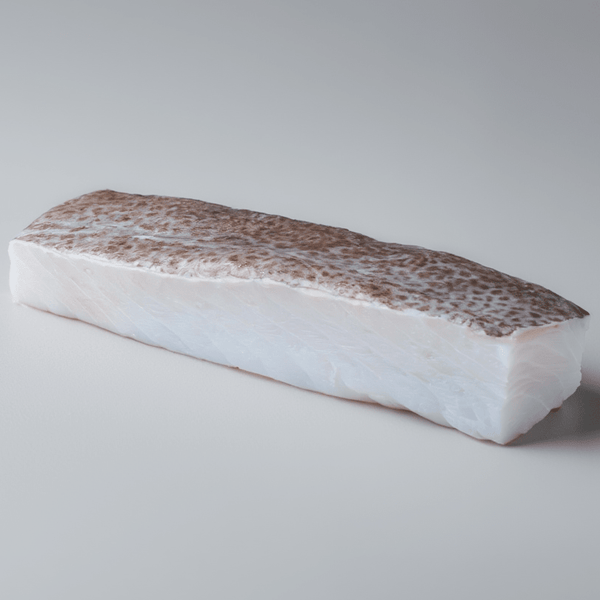
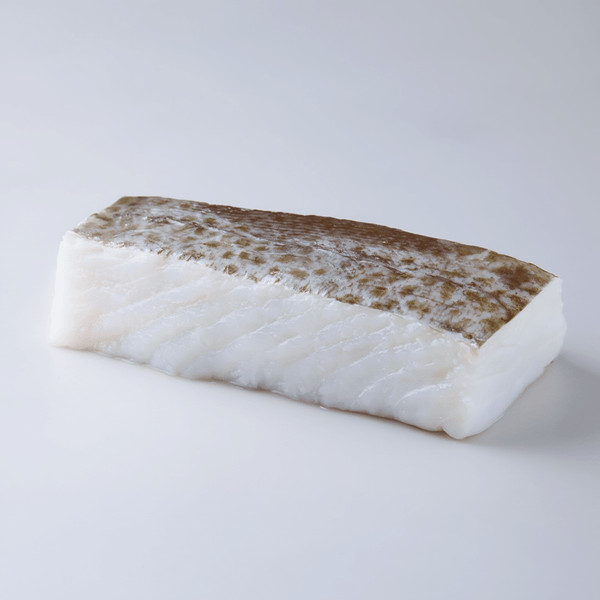
Gourmet establishments require specific cuts that optimize plate presentation. Desalted cod loin is the most demanded option by mid-to-high-level restaurants, offering cooking uniformity and complete absence of bones.
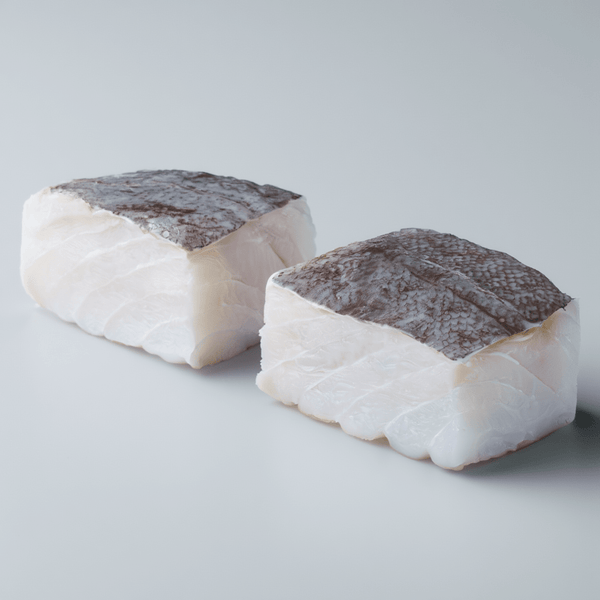
Individual portions of 150-200 grams facilitate cost control and minimize waste. Medallion cuts allow for elegant presentations, especially valued in Barcelona's author cuisine.
Versatile Formats for Traditional Cuisine
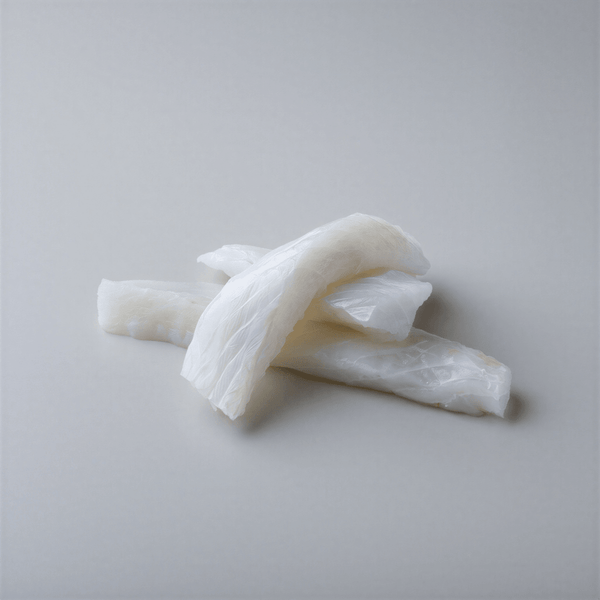
Irregular cod chunks are ideal for preparations such as esqueixada, croquettes, or brandade. This format offers an excellent quality-price ratio while maintaining the organoleptic properties of the premium product.
Thin flakes adapt perfectly to gourmet tapas and appetizers — a segment in full expansion within contemporary Barcelona restoration. Shredded cod is perfect for gourmet croquettes and elaborate preparations that utilize 100% of the product.
- Premium loins: grilled, pan-fried, baked — individual presentation
- Regular chunks: traditional stews, braises, pil-pil
- Thin flakes: gourmet tapas, appetizers, salads
- Shredded: croquettes, fritters, brandade
- Special cuts: according to chef's specifications
Artisanal vs. Industrial Cut: Is it worth it?
The manual cutting of cod preserves the muscular integrity of the fish. Master cod preparers use centuries-old techniques that respect the natural anatomy of the product, removing bones with surgical precision.
Industrial cuts sacrifice quality for speed: machines generate microscopic tears that affect the final texture during cooking. For a restaurant that charges €18-25 per cod dish, the investment in artisanal cutting is amply justified. Is it really worth compromising your restaurant's reputation for a marginal saving?
Related Products from Bacalalo


Precise Weights to Optimize Costs and Waste
Rigorous weight control is a crucial aspect of restaurant management. Professional suppliers offer exact weighings that facilitate cost calculation per dish, eliminating inventory surprises.
| Format | Typical Weight | Yield | Recommended Use |
|---|---|---|---|
| Whole loin | 800g - 1,200g | 95% | Main courses, premium portions |
| Regular chunks | 150g - 200g | 98% | Stews, braises, pil-pil |
| Thin flakes | 80g - 120g | 99% | Tapas, appetizers, salads |
| Shredded | 500g - 1,000g (bag) | 100% | Croquettes, brandade, fritters |
Pricing Structure and Restaurant Profitability
Pricing in the HORECA channel presents specific variables according to volume, order frequency, and cut type. Restaurant margins range from 300-400% over raw material cost, justifying the investment in premium product.
| Format | Approximate Price/kg | Typical Restaurant Margin |
|---|---|---|
| Premium desalted loin | 45 - 55€ | 350 - 400% |
| Irregular chunks | 35 - 42€ | 300 - 350% |
| Thin flakes | 38 - 46€ | 320 - 380% |
| Shredded | 28 - 35€ | 400 - 500% |
Recurring orders allow for advantageous commercial conditions: volume discounts, flexible payment terms adapted to restaurant cash flow, and stable prices guaranteed quarterly.
Cold Logistics: Ensuring the Preservation Chain
Specialized Refrigeration Systems
Refrigerated logistics transcends simple cold transport. It requires specialized vehicles that maintain constant temperatures between 0°C and 4°C. Temperature fluctuations irreversibly compromise product quality.
Continuous monitoring systems record every variation during transport. This thermal traceability provides peace of mind to both the supplier and the receiving restaurant, meeting all current sanitary requirements.
Scheduled Deliveries and Optimized Frequencies
B2B distribution requires precise synchronization with restaurant operations. Scheduled deliveries in the morning hours optimize goods reception without interfering with service. Punctuality in deliveries is essential to maintain operations smoothly.
- Scheduled deliveries 24-48 hours in Barcelona city
- Temperature controlled throughout transport
- Individual vacuum packaging for optimal preservation
- Complete sanitary documentation and traceability
- Flexibility for last-minute modifications
Efficient Management of Recurring Orders
Recurring order systems eliminate repetitive administrative management. Restaurateurs can establish weekly or bi-weekly deliveries according to their specific rotation, ensuring constant availability without overstocking.
Flexibility for last-minute modifications responds to the typical fluctuations of the hospitality sector, especially relevant during Barcelona's peak tourist season (March-October).
Advantages of Local Supply in Barcelona
Geographical proximity facilitates quick deliveries and fresher products. A local supplier better understands the particularities of the Catalan market, and direct communication allows for agile incident resolution.
In-depth knowledge of Mediterranean gastronomy adds consultative value: an experienced supplier can advise on optimal weights for your menu, suggest specific cuts depending on the dish, propose pairings and preparations that enhance your culinary offerings, and provide detailed technical data sheets that enrich your proposal.
Conclusions
- Why choose a specialized cod supplier for your restaurant: Culinary excellence in Barcelona demands suppliers who understand the sophistication of the gastronomic market.
- The B2B cod market in Barcelona: opportunities for restaurateurs: Barcelona has established itself as a Mediterranean gastronomic epicenter, where the demand for premium cod experiences sustained growth among HORECA establishments.
- Professional cuts tailored to every culinary need: Individual portions of 150-200 grams facilitate cost control and minimize waste.
- Pricing structure and restaurant profitability: Recurring orders allow for advantageous commercial conditions: volume discounts, flexible payment terms adapted to restaurant cash flow, and stable prices guaranteed.
- Cold logistics: ensuring the preservation chain: Continuous monitoring systems record every variation during transport.
- Advantages of local supply in Barcelona: In general, specialized suppliers work with minimum orders of 5-10 kg, although this varies depending on the format requested and the delivery frequency.
Frequently Asked Questions
What is the minimum order for restaurants?
Generally, specialized suppliers work with minimum orders of 5-10 kg, although this varies depending on the requested format and the agreed delivery frequency.
Does desalted cod last as long as salted cod?
No. Vacuum-packed desalted cod keeps for 7-10 days in refrigeration (0-4°C). Salted cod, without desalting, can last for months under appropriate conditions. For high-turnover restaurants, desalted is more practical.
Can the cut be customized according to the restaurant's menu?
Yes. Specialized suppliers offer custom cuts according to each chef's needs: exact weight per portion, type of cut, specific presentation, etc.
What sanitary documentation is included with each delivery?
Each batch includes a delivery note with complete traceability (origin, lot, desalting date, expiry), temperature record during transport, and current sanitary certifications.
Are deliveries made on weekends?
It depends on the supplier. In Barcelona, some specialized suppliers offer Saturday morning deliveries to cover weekend service, although most operate Monday to Friday.
What is the advantage of buying desalted cod vs. desalting it in the restaurant?
Professional desalting guarantees uniform results: exact salt point, optimal texture, and complete bone removal. Additionally, it saves 24-48 hours of process, cold room space, and labor in the restaurant. For high-volume establishments, the cost per serving is lower than internal desalting.
Discover our selection of desalted cod and cod at salt point at Bacalalo.