Summary: Gilded cod — or bacalhau à Brás in Portugal — is one of those dishes that effortlessly crosses borders and conquers palates. In the Arguiñano style, this version combines shredded cod with crispy straw potatoes, creamy scrambled eggs, black olives, and fresh parsley. It is a generous, comforting, and surprisingly easy-to-make dish. We explain each step with tricks that transform a simple recipe into a memorable dish.
Discover our entire catalog at Bacalalo, cod specialists since 1990.
Arguiñano and gilded cod: an Iberian classic
Karlos Arguiñano has a declared weakness for Portuguese cod cuisine. "The Portuguese have more than 365 cod recipes, one for each day of the year," he has said more than once on his show. And among them all, gilded cod (bacalhau à Brás) is the one he has prepared the most — for a simple reason: it's spectacular with humble ingredients.
Gilded cod is proof that resourcefulness in cooking can be haute cuisine. It was born in the taverns of Lisbon as a way to use leftover cod, potatoes, and a few eggs. Today it is a menu item in the best Portuguese restaurants and has crossed the border to settle into Spanish cuisine quite naturally.
This version is inspired by Karlos Arguiñano's style, which adds his personal touch: more olive oil than usual, a long and patient onion sofrito, and a precise technique with the eggs that leaves the dish creamy without being liquid. At Bacalalo, since 1990 in the Mercat del Ninot in Barcelona, we know that the quality of the cod makes all the difference in this dish where cod is the absolute protagonist.
Origin of bacalhau à Brás
The name "à Brás" comes from the Lisbon tavern owner who popularized the dish at the end of the 19th century — a certain Brás, owner of an establishment in Lisbon's Bairro Alto. Legend has it that he invented it one night to use leftover cod and potatoes from the day before, adding some eggs to bind everything together.
You can find view Bacalalo cod directly on the catalog page: desalted, salted, Icelandic, smoked, cod cheeks and brandade, all selected piece by piece.
In Spain, the dish arrived under different names: bacalao dorado (gilded cod, due to the color from the egg), bacalao a la portuguesa (Portuguese-style cod), or simply bacalao con patatas y huevo (cod with potatoes and egg). The version that Arguiñano has popularized follows the original Portuguese recipe but with his own touches: a more elaborate onion sofrito and a generosity with olive oil that is typically Basque.
The interesting thing about this dish is that it works equally well as an informal dinner or as a luxury tapa. In Portugal, it is served in generous portions as a main course; in the Basque Country, Arguiñano has adapted it as a pintxo or tapa in smaller portions.
Ingredients for gilded cod (4 people)
- 400 g desalted Icelandic cod, shredded into flakes
- 400 g potatoes, cut into fine straw (or store-bought straw potatoes as a shortcut)
- 6 eggs, lightly beaten
- 2 large onions, finely julienned
- 3 cloves garlic, thinly sliced
- 100 g black olives, pitted
- Plenty of extra virgin olive oil (for frying potatoes + sofrito)
- Fresh chopped parsley
- Salt and black pepper
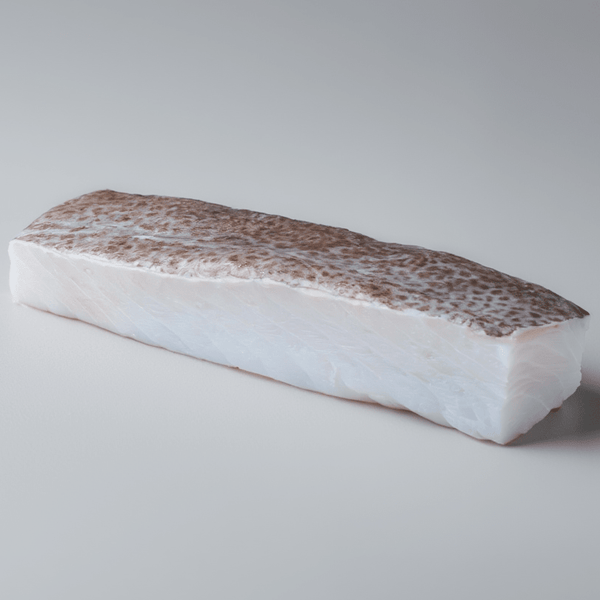
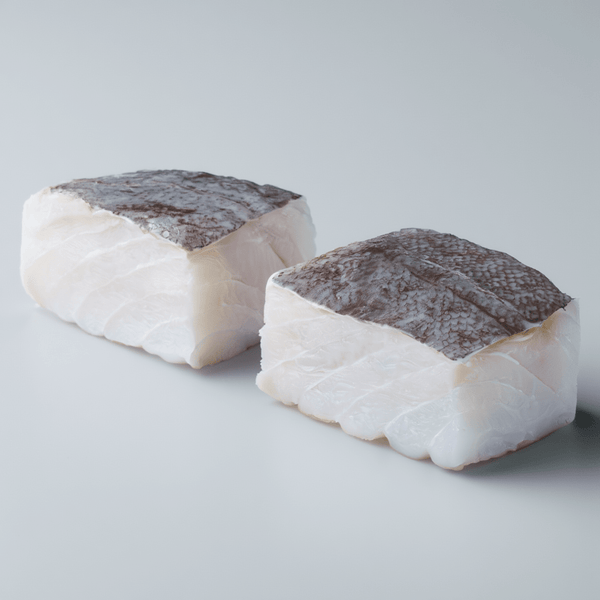
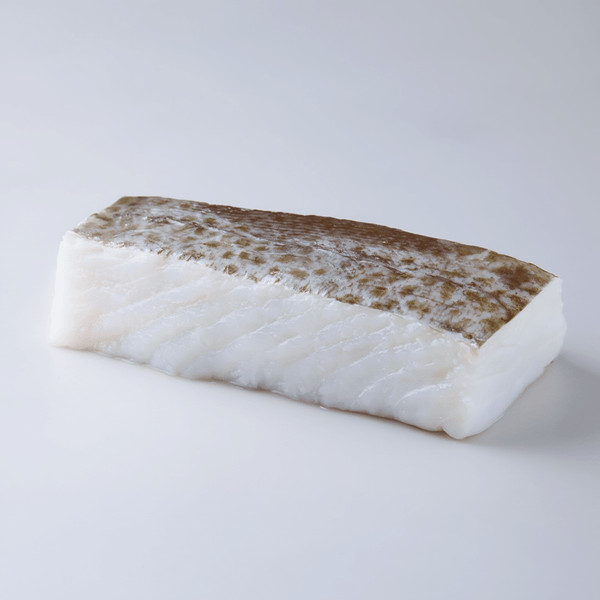
The cod protagonist of your gilded cod
Premium Icelandic Cod
Shreds into perfect flakes — clean, intense flavor for this dish
Step-by-step preparation
Step 1: Prepare the cod
If using dry cod, desalt it in cold water for 48 hours in the refrigerator, changing the water every 8-10 hours. If you prefer to skip this step, at Bacalalo we offer pre-desalted cod ready to use.
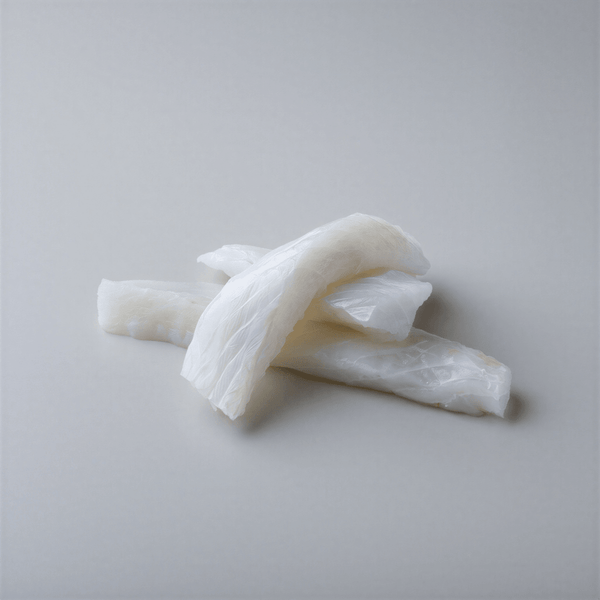
Blanch the desalted cod in simmering water (not boiling) for 5-6 minutes. Drain it, let it cool, and shred it with your hands into fine flakes, carefully removing bones and skin. The flakes should be irregular but not too small — if you break them up too much, the dish loses texture.
Step 2: Fry the straw potatoes
Cut the potatoes into very thin julienne strips (2-3 mm), like matchsticks. If you have a mandoline, use it — consistency in cutting is important for even frying.
Heat plenty of olive oil in a large skillet to 180°C. Fry the potatoes in batches without overcrowding, for 2-3 minutes until golden and crispy. Drain them on absorbent paper. Arguiñano openly admits that he sometimes uses store-bought straw potatoes: "if they're good, there's no shame."
Step 3: The onion sofrito
In a large skillet (the largest you have), heat 4-5 tablespoons of olive oil over medium-low heat. Add the finely julienned onion and sliced garlic. Sauté for 15-20 minutes, stirring occasionally, until the onion is completely transparent, sweet, and almost melted. This step is key: undercooked onion ruins the dish; caramelized onion elevates it.
Step 4: Incorporate the cod
Increase the heat slightly to medium. Add the shredded cod to the caramelized onion and mix carefully for 3-4 minutes. The cod should heat through and absorb the flavors of the sofrito without overcooking. If the cod breaks down too much at this stage, the dish loses the flaky texture that defines it.
Step 5: The potatoes and eggs
This is the most delicate step and the one that defines the success of the dish. Add the fried straw potatoes and mix with gentle, enveloping motions. The potatoes will begin to lose some of their crispiness upon contact with moisture — this is normal and desirable: the final texture should be half crispy, half soft.
Reduce the heat to minimum. Pour the beaten eggs over the cod and potato mixture. Stir constantly with broad, gentle movements, as if making scrambled eggs, for 2-3 minutes. The eggs should set slightly, enveloping the cod and potatoes in a creamy, glossy layer. The most common mistake is to overcook the eggs: they should remain juicy and creamy, never dry or set like an omelet.
Remove from heat when the eggs still look a little liquid — the residual heat will finish setting them. Add the black olives and chopped parsley.
Arguiñano's tricks for perfect gilded cod
- Caramelized onion, not fried: The onion needs 15-20 minutes over low heat. If you cook it in 5 minutes over high heat, it will be raw and pungent instead of sweet and silky.
- Eggs off the heat: The secret is to remove the pan from the heat before the eggs are completely set. The residual heat from the pan and potatoes will finish the job. Arguiñano says: "if the eggs look done in the pan, they will be overcooked on the plate."
- Flakes, not crumbs: The cod should be shredded into recognizable flakes, not pulverized. The texture of gilded cod relies on finding pieces of cod among the potatoes and egg.
- Black olives at the end: Add them after turning off the heat. If you cook them with the rest, they release a dark liquid that stains the entire dish black.
- Thin straw potatoes: The thinner the potatoes, the better the result. Thick potatoes do not absorb the egg correctly and remain like a foreign body in the dish.
- Generous olive oil: This dish needs plenty of oil at each stage. The unctuousness of the oil is what binds the flavors and gives shine to the final dish.
Presentation and accompaniments
Gilded cod is served immediately, freshly made, when the potatoes still retain some crispness and the eggs are creamy:
- Serve on a flat platter or in the same pan if presentable
- Garnish with whole black olives on top, artfully arranged
- Generous fresh chopped parsley
- A couple of parsley sprigs for decoration
- Serve with a green salad dressed with a lemon vinaigrette to cut through the richness
As a tapa or pintxo, serve small portions on crispy toast or in appetizer spoons. In Portugal, it is often served with white rice on the side, which might seem excessive but works surprisingly well.
Variations of gilded cod
- With piquillo peppers: Add 6-8 piquillo peppers cut into strips along with the onion. They add sweetness and a red color that contrasts with the yellow of the egg.
- With shrimp: Add 8 peeled shrimp sautéed on top as a luxury garnish. The cod-shrimp combination is a Portuguese classic.
- Gratin style: Place the gilded cod in an ovenproof dish and gratinate with grated cheese for 3 minutes under the grill. It's not the most orthodox version, but it's irresistible.
- Light version: Substitute fried potatoes with mashed cooked potatoes. Less crispy but lighter and without frying.

Premium Seafood Products — Bacalalo
Since 1990 selecting the best from the sea at Mercat del Ninot, Barcelona. Refrigerated shipping 24-48h.
View desalted cod →Frequently asked questions
What is the difference between gilded cod and bacalhau à Brás?
They are the same dish. Bacalhau à Brás is the original Portuguese name, while bacalao dorado is what it's called in Spain. The recipe is practically identical: shredded cod, straw potatoes, scrambled eggs, onion, and black olives.
Can I use store-bought straw potatoes?
Yes, it's a perfectly valid shortcut that even Arguiñano uses. Choose good quality, thin, and crispy straw potatoes. Add them at the very end, just before the eggs, so they retain some texture.
How to prevent the eggs from becoming dry?
The trick is to remove the pan from the heat when the eggs still look liquid. The residual heat will finish setting them. If the eggs look done in the pan, they will be overcooked on the plate. Lower the heat to a minimum before adding them and stir constantly.
Can I make gilded cod with fresh cod?
It is not recommended. Salted and desalted cod has a firmer texture and more concentrated flavor than fresh cod, and it shreds into defined flakes. Fresh cod breaks down too much and the result is a soft mass without the characteristic texture of the dish.
Can gilded cod be reheated?
It's best consumed freshly made because the potatoes lose their crispness and the eggs overcook when reheated. If you have leftovers, reheat it over very low heat in a pan with a drizzle of oil, and accept that the texture will be different — it's still delicious, but it loses the charm of the crispy-creamy contrast.
How long should cod be desalted?
48 hours in cold water in the refrigerator, changing the water every 8-10 hours. For this dish, it's important that the cod is well desalted, as it concentrates when shredded and cooked with the potatoes. At Bacalalo, we offer pre-desalted cod ready to use.