Summary: Berasategui-style fish soup is a deep, clean, and intensely flavorful broth where every sip tells a story of the sea. Icelandic cod, shrimp, mussels, and a fumet made with carcasses and bones — all concentrated with the technique and precision that characterize the chef with the most Michelin stars in Spain. We explain how to prepare it at home, step by step, with the tricks that transform a simple fish soup into a gastronomic experience.
Contents
Berasategui and Fish Soup: Elevated Basque Tradition
In Basque cuisine, fish soup is not just any first course: it is a statement of principles. Martín Berasategui, born in San Sebastián and trained in Spain's most demanding culinary tradition, has made this dish one of his hallmarks. With 12 Michelin stars spread across all his restaurants, Berasategui knows that the greatness of a soup lies in its broth.
Berasategui's philosophy for soups is clear: a well-made fumet is 80% of the success. There are no shortcuts – if the broth is bland, no last-minute ingredient will save it. Therefore, his technique focuses on extracting the maximum flavor from each element: toasted carcasses, sweated bones, confit vegetables, and a patient reduction that concentrates all the aromas of the sea.
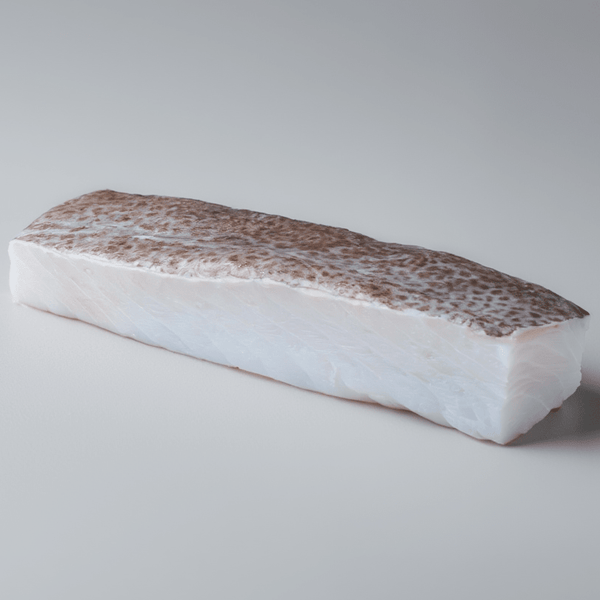
This recipe is inspired by Martín Berasategui's style, adapted for home cooking but without sacrificing any essential steps. We use Icelandic cod from Bacalalo as the protagonist, a product that, due to its clean flavor and firm texture, adds body and elegance to the broth.
The Fumet: The Base of Everything
A fumet is a short fish broth, more concentrated and aromatic than a normal broth. The difference lies in the prior toasting of the carcasses and a controlled cooking time: too little and the broth is bland; too much and it becomes bitter from the bones.
Berasategui uses a mix of rock fish (scorpionfish, monkfish, redfish) with crustacean shells (shrimp, prawns, Norway lobster) to achieve a broth with depth and complexity. The crustacean shells provide a natural orange color and a seafood flavor that elevates the soup above any basic fumet.
Complete Ingredients (6 servings)
For the fumet
- 1 kg fish carcasses (monkfish, hake, scorpionfish — ask at the fishmonger's)
- 500 g shrimp heads and shells
- 2 leeks, cleaned and sliced
- 2 carrots, sliced
- 1 large onion, quartered
- 3 ripe tomatoes, halved
- 4 cloves garlic, crushed
- 1 glass white wine (200 ml)
- 1 sprig parsley
- 1 bay leaf
- 10 black peppercorns
- 3 liters cold water
- Extra virgin olive oil
For the soup
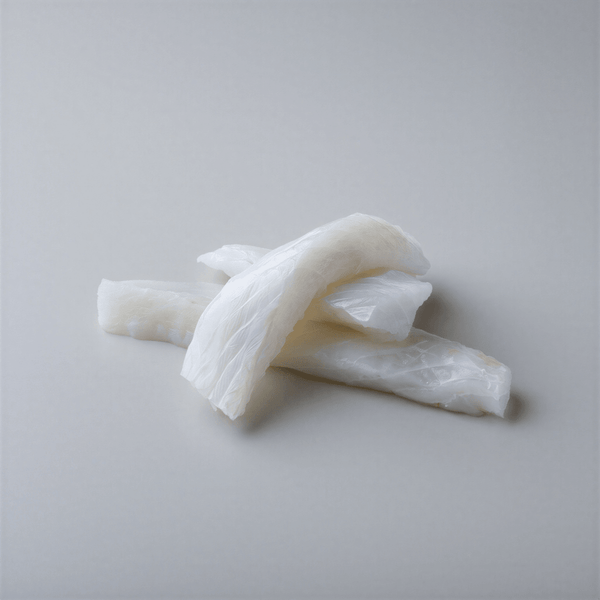
- 300 g desalted Icelandic cod, in 3 cm pieces
- 12 fresh shrimp (reserve shells for the fumet)
- 500 g mussels, cleaned and de-bearded
- 1 red bell pepper, finely diced (brunoise)
- 2 tablespoons tomato paste
- Fresh chopped parsley
- Toasted bread for serving
Quality Cod for Your Fish Soup
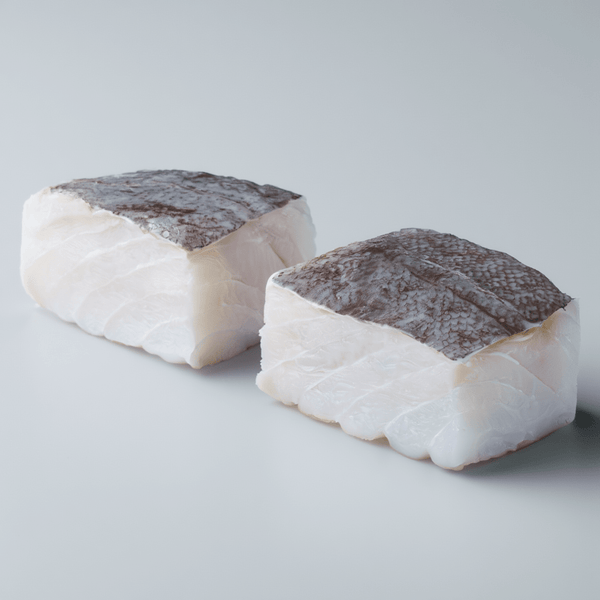
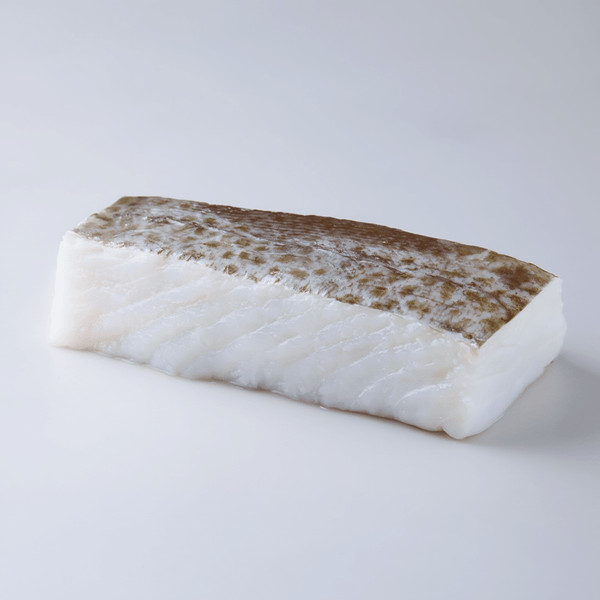
Premium Icelandic Cod
Firm pieces that hold their shape in the broth without falling apart
Fumet Preparation Step-by-Step
Step 1: Toast the Carcasses
In a large pot, heat a drizzle of olive oil over high heat. Add the fish carcasses and shrimp shells. Toast for 5-7 minutes, stirring, until the carcasses are golden and fragrant. Berasategui considers this toasting step fundamental: the Maillard reaction in the carcasses adds depth and color to the broth.
Step 2: Aromatic Vegetables
Add the onion, leek, carrot, garlic, and chopped tomatoes. Reduce the heat to medium and sauté for 10 minutes, stirring so that the vegetables absorb the juices from the carcasses. The vegetables should soften and begin to release their juices.
Step 3: Deglaze and Cook
Pour in the white wine and scrape the bottom of the pot with a wooden spoon to release any caramelized bits stuck to the bottom. Let the wine reduce for 2 minutes. Add the cold water, parsley, bay leaf, and peppercorns.
Increase the heat until it comes to a boil, then reduce to a gentle simmer. Cook for 40-45 minutes over low heat, with the pot half-covered. Do not cook for more than 45 minutes: the bones start releasing bitter substances after that time.
Step 4: Strain and Reduce
Strain the fumet through a fine-mesh sieve or cheesecloth, pressing lightly on the carcasses with the back of a ladle to extract the last juices. Discard the solids. You should have approximately 2 liters of fumet.
If you want a more concentrated flavor (as Berasategui does), reduce the fumet over medium heat until you have 1.5 liters. The broth should have a golden-orange color and a deep sea aroma.
Assembling the Soup and Cooking the Fish
Step 5: The Soup Base
In a clean pot, heat 2 tablespoons of olive oil over medium heat. Sauté the finely diced red bell pepper for 5 minutes. Add the tomato paste and cook for 2 more minutes. Pour in the hot fumet and bring to a gentle boil.
Step 6: Cook the Seafood
Add the cleaned mussels to the simmering soup. Cover and cook for 3-4 minutes until they open. Remove the opened mussels with a slotted spoon and set aside. Discard any that have not opened.
Add the pieces of desalted Icelandic cod to the broth. Cook over low heat for 5-6 minutes. The cod from Bacalalo has the perfect firmness to hold its shape in the broth without falling apart.
In the last 3 minutes, add the peeled shrimp. They cook quickly and should not be overcooked or they will become rubbery.
Step 7: Reincorporate and Serve
Return the mussels to the soup. Season with salt to taste. Sprinkle generously with fresh chopped parsley.
Berasategui's Tricks for an Unforgettable Soup
- Toast the carcasses: This step makes the difference between a homemade fish soup and a restaurant-quality one. Toasting creates complex flavors that water alone would never extract.
- Shrimp shells: Never throw them away. Shrimp shells are the most underrated source of flavor in Spanish cuisine. Freeze them if you don't use them immediately.
- Just the right cooking time: 40-45 minutes for the fumet, no more, no less. More time extracts bitterness from the bones. It's a common mistake to think that more cooking = more flavor.
- Cold water at the start: Always start with cold water. Cold water gradually extracts flavors; hot water seals proteins and traps flavor within the carcasses.
- Reduction for concentration: If the broth lacks intensity, reduce it. Better 1.5 liters of intense broth than 2 liters of watery broth.
- Cook each protein separately: Mussels first, then cod, then shrimp. Each has a different cooking time, and putting them all in at once leads to disaster.
- Do not boil vigorously with fish inside: Once you add the cod and shrimp, the soup should be at a gentle simmer. Aggressive boiling breaks down the flesh and makes it dry.
Presentation and Serving
In Berasategui's style, the soup is served in preheated deep plates:
- Distribute the pieces of cod, shrimp, and mussels on the plate
- Pour the hot broth with a ladle, partially covering the ingredients
- A drizzle of extra virgin olive oil in a spiral over the broth
- Fresh chopped parsley and optionally a few drops of lemon
- Toasted bread rubbed with garlic as an essential accompaniment
For a more spectacular presentation, you can serve the broth separately in a small pitcher and pour it at the table over the ingredients already arranged on the plate. This is a theatrical trick Berasategui uses in his restaurants.
Premium Seafood Products — Bacalalo
Since 1990, selecting the best from the sea at Mercat del Ninot, Barcelona. Refrigerated shipping 24-48h.
View desalted cod →Frequently Asked Questions
Can the fumet be made in advance?
Yes, it's highly recommended. Fumet keeps for 3 days in the refrigerator and 3 months in the freezer. Having homemade fumet frozen in portions is a professional kitchen trick that greatly speeds up the preparation of fish soups, rice dishes, and stews.
Can I use a fish stock cube instead of making fumet?
You can, but the result will be incomparable. A stock cube is an acceptable substitute for an emergency, but the depth, color, and clean flavor of a homemade fumet are irreplaceable. If you don't have time, at least toast the shrimp shells in oil and add them to the stock cube broth.
Which fish are best for fumet?
Rock fish like scorpionfish, redfish, and monkfish provide gelatin and body. Hake bones yield a clean and elegant broth. Avoid oily fish (sardines, mackerel, tuna) because they produce a broth that is too strong and dark. Crustacean shells are the ideal complement.
Can cod be substituted with another fish in the soup?
Yes, hake and monkfish are excellent alternatives. However, Icelandic cod offers a unique texture — firmer and with more character than other white fish — which pairs particularly well with the concentrated flavors of the fumet.
Is white wine necessary?
White wine adds acidity and complexity when deglazing the caramelized juices from the carcasses. If you don't want to use alcohol, substitute it with lemon juice diluted in a little water. The result will be different but acceptable.
How many calories does fish soup have?
A generous serving of Berasategui-style fish soup has approximately 250-300 kcal. It is a surprisingly light dish for how filling it is, as the base is broth with lean protein and hardly any added fats beyond olive oil.
Discover more