Summary: You don't need to turn on the oven to enjoy quality fish in summer. Ceviches, tartares, carpaccios, salads, toasts, and seafood gazpachos are quick, nutritious options that make the most of fresh or canned products. Here are 10 concrete ideas with real techniques.
Table of Contents
- Why fish is ideal in summer
- Ceviches and tartares: acid that cooks
- Salads with fish that truly nourish
- Toasts and cold appetizers
- Fish carpaccios: technique and product
- Gazpachos and cold soups with seafood
- Instant canned goods: the smart pantry
- Quick Ideas Table
- Conclusion
- Frequently Asked Questions
Why fish is ideal in summer
When the thermometer climbs above 30 degrees, the last thing you want to do is turn on the oven and turn your kitchen into a sauna. But that doesn't mean you have to give up eating well. Fish is probably the protein that best adapts to the heat for three reasons that are not opinion, but biochemistry.
First: fish is digested more quickly than red meat. The muscle proteins of fish like salmon (Salmo salar) or sea bass (Dicentrarchus labrax) denature with less gastric effort. The average gastric emptying time for white fish is 2-3 hours, compared to 4-5 hours for a beef steak. In summer, this means less heaviness and more energy.
Second: many fish do not require cooking. Ceviche is "cooked" with citric acid. Tartare is eaten raw. Canned goods are already ready. Smoked salmon only needs a plate. We are talking about preparations that take 5-15 minutes without turning on a single burner.
Third: the nutritional profile. Oily fish like bonito (Sarda sarda) or anchovies (Engraulis encrasicolus) provide EPA and DHA omega-3 fatty acids which, according to meta-analyses published in the Journal of the American Heart Association (2020), reduce inflammatory markers. In summer, with more sun exposure and dehydration, an anti-inflammatory profile is not a luxury, it's common sense.
And there is a fourth factor that no one mentions: gourmet canned goods. A can of Cantabrian anchovies or bonito belly is restaurant-quality food that you open in 10 seconds. It doesn't require a cold chain until you open it, doesn't expire in days, and the quality is consistent. It's the perfect summer pantry.
Ceviches and tartares: acid that cooks
Ceviche is not magic, it's chemistry. When you submerge raw fish in lime or lemon juice, the citric acid (pH ~2.0) denatures the muscle proteins in exactly the same way heat would. The proteins lose their tertiary structure, the tissue becomes opaque and firm. The process takes between 15 and 30 minutes depending on the thickness of the cut and the species.
Classic sea bass ceviche: Cut 400 g of sea bass (Dicentrarchus labrax) into 1.5 cm cubes. Mix with the juice of 6 limes, half a thinly sliced red onion, a seeded and chopped chili pepper, salt, and a handful of cilantro. Marinate for 20 minutes in the refrigerator. Serve with cooked sweet potato and toasted corn. Total time: 25 minutes. Cooking: none.
Salmon tartare with avocado: Tartare is even faster because it doesn't need marinating. Dice 300 g of fresh salmon (sashimi quality, previously frozen for 72 h at -20 °C to eliminate anisakis) into 0.5 cm cubes. Mix with one diced ripe avocado, a tablespoon of soy sauce, sesame oil, chopped chives, and a few drops of lime. Form with a ring mold and serve with thin toasts. 10 minutes.
The key to both preparations is the product. With mediocre fish, ceviche tastes mediocre. No sauce can cover it up. You need real freshness or, in the case of salmon, quality smoked fish that already has its own flavor.
Our Norwegian smoked salmon is hand-cut and vacuum-packed. Perfect for tartares, toasts, and cold dishes with no preparation. Ready on your table in 2 minutes.
Salads with fish that truly nourish
A salad with two lettuce leaves and a can of tuna is not a recipe, it's resignation. But a well-constructed salad with quality fish can be the main course of a summer dinner without anyone missing anything.
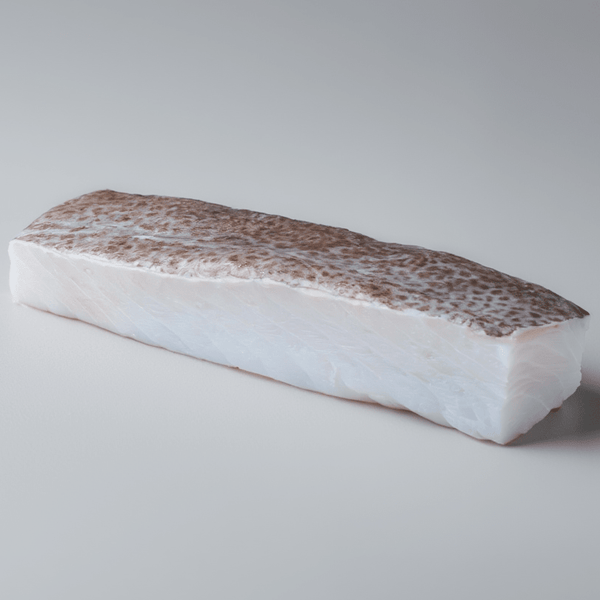
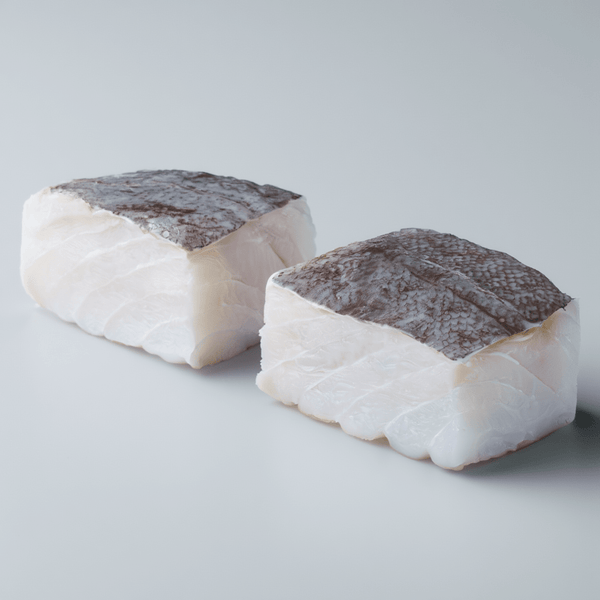
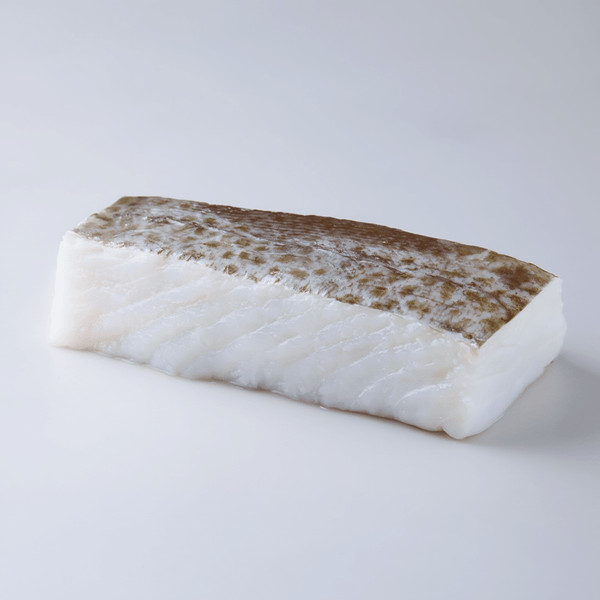
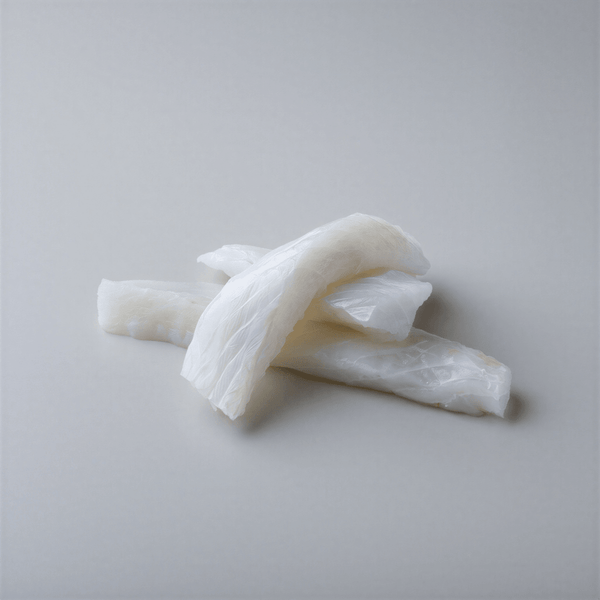
Shredded cod salad with tomato and peppers: Shred 250 g of desalted cod (Gadus morhua) into thick strips. Do not cook it: quality desalted cod has a firm texture and a clean flavor that works raw or with a 30-second blanching. Combine with sliced seasonal tomato, roasted red pepper (from a jar is fine), spring onion, black Aragon olives, and an extra virgin olive oil vinaigrette with a grated garlic clove. This is esqueixada, Catalonia's quintessential summer dish.
Nordic smoked salmon salad: Mix mixed greens with thinly sliced cucumber, fresh dill, capers, red onion rings, and 150 g of smoked salmon cut into strips. Dress with a Dijon mustard, honey, and lemon vinaigrette. You can add hard-boiled egg or boiled potato for substance. It's a complete dinner in 10 minutes.
Mediterranean anchovy salad: Here, anchovies (Engraulis encrasicolus) are not a complement; they are the star. On a base of thick-sliced beefsteak tomato, arrange 8-10 Cantabrian anchovy fillets in a fan shape, olives, capers, fresh oregano, and a generous drizzle of olive oil. No vinegar—the anchovy's own saltiness provides all the umami you need.
The pattern is always the same: quality product + seasonal vegetables + simple dressing. The better the fish, the less you need to do.
Toasts and cold appetizers
Toasts are the perfect format for summer because they are individual, quick, and versatile. You can prepare 4-5 varieties in 15 minutes and have a high-level appetizer without breaking a sweat.
Smoked salmon toast with cream cheese and dill: The classic that always works. Toasted rye bread, a layer of cream cheese (or fresh ricotta), smoked salmon slices, dill, and a little lemon zest. Simple, elegant, ready in 2 minutes per toast.
Anchovy toast with butter: This is the Spanish version of French tartines. Toasted rustic bread, a thin layer of good butter (preferably salted), and two Cantabrian anchovy fillets on top. The fat from the butter softens the saltiness of the anchovy, and the result is addictive. If you want to elevate it, add some sun-dried tomato slices or a touch of smoked paprika (pimentón de la Vera).
Gildas: Not a toast, but the quintessential cold appetizer from northern Spain. An olive, a Basque guindilla pepper, and an anchovy skewered on a toothpick. The combination of sour, spicy, salty, and fatty is chemically perfect. A gilda with a cold beer is the closest you can get to gastronomic happiness in August.
Bonito belly montadito: Open a can of northern bonito belly, place a generous piece on toasted cristal bread, add a slice of tomato, and a drizzle of oil. Bonito belly is the fattiest part of the bonito (Thunnus alalunga), with an omega-3 content twice that of the loin. It's a bite that would cost you 8 euros in a restaurant and that you prepare at home in 1 minute.
Fish carpaccios: technique and product
Fish carpaccio is the preparation that impresses the most with the least effort. There's only one key technique: the cut. You need a sharp knife and fish that has been in the freezer for at least 30 minutes before cutting (not fully frozen, but semi-firm, which makes thin slices easier).
Cod carpaccio with truffle oil: Slice 200 g of desalted cod loin as thinly as possible. Arrange the slices on a large plate without overlapping. Dress with extra virgin olive oil, a few drops of truffle oil ( sparingly, as it's potent), Maldon sea salt flakes, freshly ground black pepper, and a few arugula leaves. It's a Michelin-starred restaurant appetizer you can prepare in 5 minutes.
Smoked salmon carpaccio with capers: If you use pre-sliced smoked salmon, you don't even need a knife. Arrange the slices, dress with lemon juice, olive oil, capers, chopped chives, and pink peppercorns. Add some Parmesan shavings if you want contrast.
A fact few people know: quality desalted cod has a firm and clean texture that rivals any fresh fish for carpaccio. The prior salting compacts the muscle and concentrates the flavor. When you desalt it correctly, you have a product with a flavor density that fresh cod simply doesn't have.
Gazpachos and cold soups with seafood
Gazpacho is the quintessential cold soup, but it is rarely combined with fish. And that's a mistake, because the acidity of the tomato and the freshness of the cucumber are the perfect base for seafood and canned fish.
Gazpacho with shrimp tartare: Prepare a classic gazpacho (ripe tomato, cucumber, bell pepper, garlic, Sherry vinegar, olive oil, salt) and serve it very cold in bowls. In the center, place a spoonful of small diced peeled shrimp, dressed with olive oil and lime. The contrast of temperature and texture is spectacular.
Ajoblanco with anchovies: Ajoblanco is the white version of gazpacho, made with raw almonds, garlic, bread, vinegar, and olive oil. Traditionally served with grapes, but try adding two Cantabrian anchovy fillets on top. The fat from the almond and the salt from the anchovy create an umami you won't forget.
Vichyssoise with smoked salmon: Classic vichyssoise contains leek, potato, cream, and onion. When serving it cold, top each bowl with small cubes of smoked salmon, chives, and a drizzle of olive oil. It's a light and elegant dinner for summer evenings.
Our gourmet canned goods include Cantabrian anchovies, bonito belly, and quality tuna. They are the perfect pantry for improvising cold dishes without planning. See Cantabrian anchovies.
Instant canned goods: the smart pantry
Canned fish has an unfair stigma. In Spain, we probably have the best canned goods in the world — and that's no exaggeration. Brands like Olasagasti, Ortiz, or artisanal producers from the Cantabrian region create canned goods using techniques with over a century of tradition.
A can of "00" series Cantabrian anchovies (the largest, hand-selected) is a gourmet product in its own right. They are cured for 6-12 months in salt, and the result has a flavor complexity comparable to an acorn-fed Iberian ham. It's not "canned food" — it's seafood charcuterie.
The same applies to northern bonito belly in olive oil. The belly is the ventral part of the bonito (Thunnus alalunga), the most infiltrated with fat, the most tender. When you open a good can, you find fillets that flake with a fork and an oil that is a dressing in itself.
The trick to using canned goods in summer: don't cook them. Take them out of the can, place them on a toast, in a salad, or directly on a plate with good bread. The oil from the can is your dressing. The fish already has all the flavor you need.
Three express assemblies with canned goods:
- Anchovy plate with piquillo peppers: Open a can of each, alternate on a plate, drizzle with oil. 2 minutes.
- Bonito belly with tomato: Slices of ripe tomato, crumbled bonito belly on top, spring onion, oil. 3 minutes.
- Sardines in oil on toast with lemon: Quality canned sardines (Sardina pilchardus) on cristal bread with a few drops of lemon and pepper. 1 minute.
Quick Ideas Table
| Recipe | Main fish | Time | Difficulty | Cooking |
|---|---|---|---|---|
| Sea bass ceviche | Fresh sea bass | 25 min | Easy | None (acid) |
| Salmon tartare | Fresh/smoked salmon | 10 min | Easy | None |
| Cod esqueixada | Desalted cod | 15 min | Easy | None |
| Nordic salad | Smoked salmon | 10 min | Easy | None |
| Anchovy salad | Cantabrian anchovies | 5 min | Very easy | None |
| Assorted toasts | Salmon/anchovies/bonito belly | 2-5 min | Very easy | None |
| Gildas | Anchovies | 5 min | Very easy | None |
| Cod carpaccio | Desalted cod | 10 min | Medium | None |
| Gazpacho with shrimp | Fresh shrimp | 20 min | Easy | None |
| Ajoblanco with anchovies | Cantabrian anchovies | 15 min | Medium | None |
Conclusion
Cooking fish in summer without an oven is not a limitation; it's an advantage. The best fish preparations—ceviches, tartares, carpaccios, salads—are precisely those that require the least manipulation. The heat forces you to be minimalist, and minimalism in cooking means letting the product speak for itself.
The rule is simple: the better the ingredient, the less you have to do. Quality smoked salmon only needs a plate. Cantabrian "00" anchovies only need bread. You don't create the complexity with complicated techniques—the sea and the producer who processed that fish already did.
If your pantry has good canned goods and your fridge has quality fresh or smoked fish, your summer dinners are sorted, each in less than 15 minutes.
Frequently Asked Questions
Is it safe to eat raw fish at home?
Yes, as long as you follow regulations: freeze the fish at -20 °C for at least 72 hours (or 24 hours at -35 °C) to eliminate anisakis larvae (Anisakis simplex). Smoked salmon and canned goods do not need this step because the processing already makes them safe.
Which fish are best for ceviche?
Firm-fleshed white fish: sea bass (Dicentrarchus labrax), meagre (Argyrosomus regius), sole (Solea solea), and gilthead seabream (Sparus aurata). Salmon also works, but its fat changes the texture. Avoid soft-fleshed fish like hake, which breaks down with acid.
How long does prepared ceviche last?
Consume it within 2 hours of preparation. The acid continues to "cook" the fish, and after that time, the texture becomes rubbery and dry. Prepare ceviche just before serving for optimal results.
Are canned fish healthy?
Yes. Canned fish in olive oil largely retains its omega-3 fatty acids and proteins. A study published in Food Chemistry (2019) showed that canned tuna and sardines retain 70-85% of their original EPA and DHA content. Olive oil adds polyphenols. The only thing to watch is sodium in salted anchovies.
Can I prepare these recipes with frozen fish?
For ceviches and tartares, it's recommended: prior freezing is mandatory for food safety. For salads and toasts, fresh or smoked fish will yield better results. Canned goods, by definition, are already ready. The trick: always thaw in the refrigerator (never at room temperature) and drain well before use.
Which wine pairs best with cold fish in summer?
Young, fresh whites: Albariño (Rías Baixas), Verdejo (Rueda), or a Txakoli (Basque Country) are options that work with virtually any cold fish preparation. Always serve between 8-10 °C. For anchovies, a Fino sherry is unbeatable.