Summary: Marinating fish is a technique, not an improvisation. The acid (lemon, vinegar), salt, and exposure time determine whether you get silky ceviche or a rubbery piece. Here are the techniques by type of marinade (acid, dry, oil), exact times per species, and 5 recipes ranging from ceviche to gravlax.
Table of contents
- What marinating means: science simplified
- The 3 types of marinades and when to use each
- Marinating times by species
- Recipe 1: White fish ceviche
- Recipe 2: Dill-marinated salmon (express gravlax)
- Recipe 3: Tataki-style marinated tuna
- Recipe 4: Pickled anchovies (boquerones en vinagre)
- Recipe 5: Cod marinated with citrus
- Frequently asked questions
What marinating means: science simplified
Marinating is subjecting a food to a liquid medium that modifies its flavor, texture, and/or safety. In fish, there are three active mechanisms:
1. Protein denaturation by acid: When lemon juice (pH ~2) or vinegar (pH ~2.5-3) comes into contact with fish proteins, they denature—the same process that occurs with heat. This is why fish "cooks" in ceviche: the flesh changes from translucent to opaque. But, unlike heat, acid denaturation is superficial and gradual. A 15-minute marinade penetrates 2-3 mm; a 2-hour marinade penetrates the entire fillet.
2. Osmosis by salt: Salt extracts water from the fish by osmosis (salt has a higher solute concentration than the cell). This process concentrates flavor and modifies texture: a short cure (30 minutes) adds firmness without drying; a long one (12-24 hours) produces a gravlax or cured cod-like result.
3. Flavor infusion: Herbs, spices, and aromatics dissolve in the liquid medium (oil, acid) and penetrate the flesh. Liposoluble aromatic molecules (from dill, pepper, cilantro) dissolve better in oil; hydrosoluble ones (from lemon, ginger) diffuse better in acidic media.
The 3 types of marinades and when to use each
| Type | Base | Typical time | Result | Example |
|---|---|---|---|---|
| Acid marinade | Lemon, lime, vinegar | 15 min - 4 hours | "Cooks" the surface, fresh flavor | Ceviche, pickled anchovies |
| Dry marinade (curing) | Salt, sugar, spices | 2-48 hours | Firm texture, concentrated flavor | Gravlax, cured cod |
| Oil/fat marinade | Olive oil, herbs | 30 min - 12 hours | Infused flavor, soft texture | Dill salmon, tuna for tataki |
Combinations: The best marinades often combine two types. Gravlax uses dry curing (salt + sugar) with aromatics (dill). Peruvian ceviche uses an acid marinade (lime) with aromatics (cilantro, aji). Pickled anchovies combine acid (vinegar) with oil (final olive oil).
Marinating times by species
| Species | Acid marinade | Dry curing | Oil marinade |
|---|---|---|---|
| White fish (sea bass, corvina) | 15-30 min (ceviche) | 2-4 hours | 1-4 hours |
| Salmon (Salmo salar) | 20-40 min | 24-48 hours (gravlax) | 2-12 hours |
| Tuna (Thunnus spp.) | 5-15 min (very fast) | 1-2 hours | 30 min - 2 hours |
| Cod (Gadus morhua) | 30-60 min | 4-12 hours | 2-6 hours |
| Anchovy (Engraulis encrasicolus) | 4-6 hours (vinegar) | 1-2 hours | N/A |
| Shrimp / prawns | 10-20 min | 30 min-1 hour | 1-4 hours |
Golden rule: Less is more. Over-marinated fish has a rubbery texture on the outside and is raw on the inside. It's better to under-marinate and serve with the marinade on the side than to overdo it and ruin the texture.
Recipe 1: White fish ceviche
Ingredients (4 servings): 400g fresh sea bass or corvina (previously frozen for 72h at -20°C), juice of 6-8 limes, 1 thinly sliced red onion, 1 aji limo or half a deseeded jalapeño, fresh cilantro, salt, 1 cooked sweet potato (classic Peruvian garnish).
Method: Cut fish into 1.5 cm cubes. Season with salt and let rest for 2 minutes. Pour in lime juice and mix. Marinate for exactly 15-20 minutes in the refrigerator—no longer. The fish should be opaque on the outside but slightly translucent in the center. Drain partially (reserve the "leche de tigre"—the juice is a drink or sauce). Mix with onion, aji, and cilantro. Serve immediately with sweet potato.
Safety: The acid in ceviche DOES NOT kill anisakiasis. Pre-freezing is mandatory if the fish is wild.
For fish marinades, the raw material is everything. Our smoked salmon is perfect as a starting point for express gravlax. And our desalted cod makes for spectacular citrus marinades.
Recipe 2: Dill-marinated salmon (express gravlax)
Traditional Scandinavian gravlax takes 48-72 hours. This express version in 12 hours achieves 90% of the result in 30% of the time.
Ingredients: 500g fresh salmon fillet with skin, 3 tablespoons coarse salt, 2 tablespoons sugar, 1 tablespoon coarsely crushed black pepper, a large bunch of fresh dill, zest of 1 lemon.
Method: Mix salt, sugar, pepper, and zest. Spread half the dill in a dish. Place salmon skin-side down. Cover the flesh with the salt-sugar mixture, pressing down. Place the rest of the dill on top. Wrap in cling film, place a weight on top (a plate with a can), and refrigerate for a minimum of 12 hours (24 for a firmer texture).
Serving: Scrape off the curing mixture, pat dry with paper, and slice thinly diagonally. Serve with rye bread, Swedish mustard (sweet), and lemon.
Science: Salt extracts 10-15% of the water from the salmon, concentrating flavor and creating a silky-firm texture. Sugar balances salinity and acts as an additional preservative (reduces water activity). Dill infuses its anethole (main aromatic compound) during the curing hours.
Recipe 3: Tataki-style marinated tuna
Ingredients: 300g fresh tuna loin (previously frozen), 3 tablespoons soy sauce, 1 tablespoon sesame oil, 1 tablespoon mirin or honey, 1 teaspoon grated ginger, 1 teaspoon wasabi (optional).
Marinade: Mix soy, sesame, mirin, and ginger. Submerge the tuna and marinate for 30 minutes in the refrigerator (no longer—soy is salty and will dry out the surface if you exceed the time).
Cooking: Remove tuna from marinade, pat dry with paper. In a very hot pan with a drizzle of oil, sear each side for 30-45 seconds. The inside should remain pink/red. Slice thinly into 5mm pieces. Serve with the reduced marinade as a sauce and sesame seeds.
Recipe 4: Pickled anchovies (boquerones en vinagre)
The most consumed tapa in Spain and the one that causes the most anisakiasis intoxications when the fish is not previously frozen. Do it right.
Ingredients: 500g fresh anchovies (cleaned, filleted, PREVIOUSLY FROZEN for 72h at -20°C), 300ml white wine vinegar, 3 sliced garlic cloves, chopped fresh parsley, extra virgin olive oil, salt.
Method: Defrost fillets in the refrigerator. Place them in a container and cover with vinegar + a teaspoon of salt. Refrigerate for 4-6 hours (minimum 4). Fillets should be completely white (opaque). Drain the vinegar well. Arrange on a plate, cover with extra virgin olive oil, sliced garlic, and parsley. Refrigerate for another 30 minutes for the oil to infuse. Serve cold.
CRITICAL: Pre-freezing at -20°C for a minimum of 72 hours is MANDATORY. Vinegar DOES NOT kill anisakiasis. This is the main cause of anisakiasis in Spain. Don't risk it.
Recipe 5: Cod marinated with citrus
A fresh preparation that transforms desalted cod into a restaurant-quality starter.
Ingredients: 300g desalted cod loin, juice of 2 oranges and 1 lemon, orange zest, 2 tablespoons extra virgin olive oil, 1 tablespoon honey, fresh dill or parsley, pink peppercorns, salt.
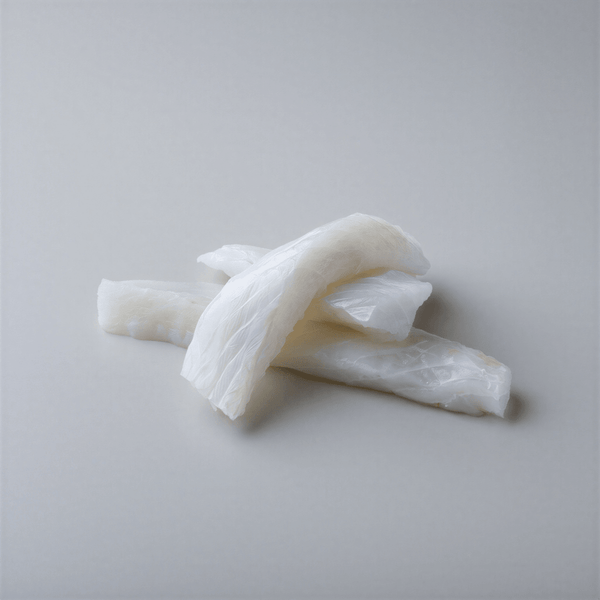
Method: Slice cod into thin pieces (3-4 mm). Mix juices with honey, oil, and zest. Arrange cod slices on a plate and pour over the citrus marinade. Refrigerate for 30-45 minutes. Serve with fresh herbs and crushed pink peppercorns.
Result: The cod remains semi-raw in the center (like a mild ceviche) with a buttery texture that contrasts with the citrus acidity. Honey softens the acidity without being cloying.
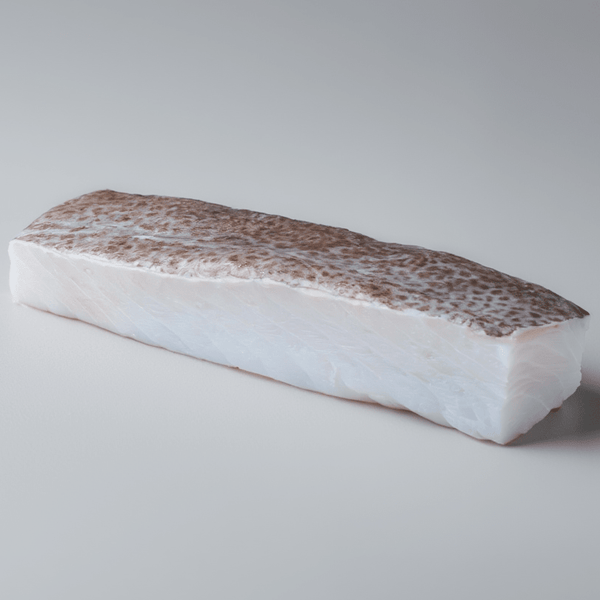
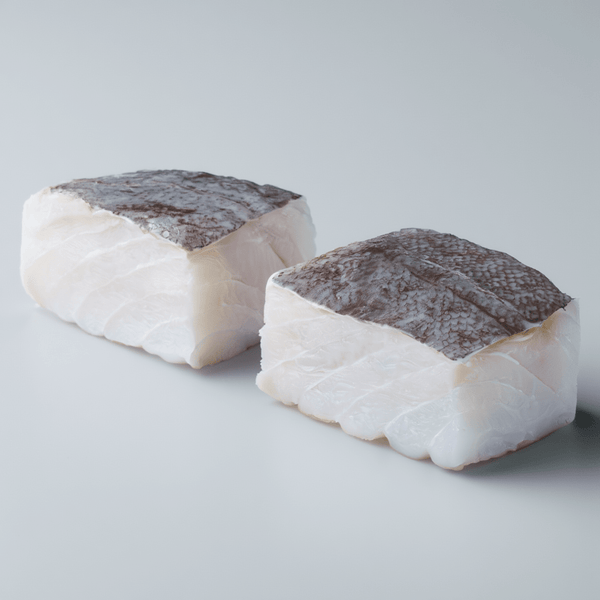
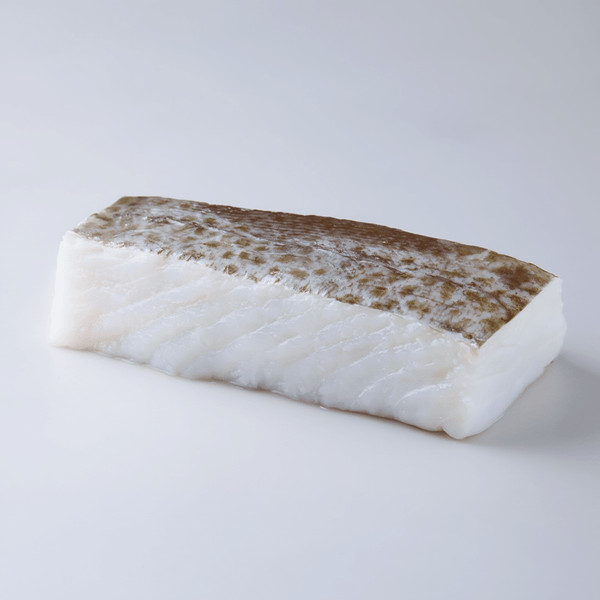
For this marinade, you need premium desalted cod: thick, uniform loins. Our desalted cod is ready to marinate or cook, boneless and perfectly salted.
Frequently asked questions
Does marinating fish in lemon really "cook" it?
It denatures surface proteins, which is the same thing heat does—but it doesn't reach the same depth or temperature. The result is visually similar (opaque flesh) but the texture is different: silkier, less firm. And, crucially, acid DOES NOT reach lethal temperatures for parasites or bacteria. It's not cooking from a food safety perspective.
What happens if I marinate fish for too long?
In an acid marinade: the protein denatures excessively, the texture becomes rubbery, fibrous, and dry. In dry curing: the fish loses too much water, becomes salty and tough. In an oil marinade: less risk of excess, but flavors can become overpowering. In all cases, respect the indicated times.
Do I need to freeze fish before marinating it raw?
Yes, whenever the marinade does not reach cooking temperatures (>60°C in the center). Ceviche, carpaccio, tataki, pickled anchovies, tartare—all require pre-freezing. Spanish regulations require -20°C for 72 hours in a domestic freezer. It is the only way to eliminate anisakiasis.
Can I marinate frozen fish without thawing?
It is not recommended. Frozen fish releases a lot of water when thawing, which dilutes the marinade and creates an ineffective watery medium. Always thaw in the refrigerator (24 hours), pat dry with paper, and then marinate. The exception: gravlax, where dry curing can be applied to semi-frozen fish (it facilitates thin slicing).
Can I marinate fish in milk?
Yes, and it's a useful technique. Casein in milk binds to trimethylamine (the molecule responsible for the "old fish" smell) and neutralizes it. Soaking fish fillets in milk for 30 minutes before cooking reduces odor and softens flavor. It is especially useful with frozen or strong-flavored fish (mackerel, sardine). After soaking, pat dry well before cooking.
Is smoked salmon a type of marinade?
Partially. Traditional smoked salmon goes through two phases: dry curing (salt + sugar + spices, similar to gravlax) and smoking (cold at <30°C or hot at >60°C). Curing is a dry marinade. Smoking adds phenolic compounds that preserve and flavor. Cold smoking does not cook the fish; hot smoking does.
Keep exploring
Smoked salmon · Desalted cod · Cantabrian anchovies · Smoked, salted, and pickled foods