Summary: Boiled fish is one of the oldest, most nutritious, and most comforting preparations. From Galician caldo with cod to Provencal bouillabaisse, boiling fish in an aromatic broth yields two things: juicy fish and an extraordinary broth. Here are the techniques, times, and proven recipes.
Table of Contents
- Technique: boiling vs. poaching (the difference that matters)
- The base broth: homemade fish stock in 25 minutes
- Recipe 1: Boiled cod with potatoes and garlic oil
- Recipe 2: Hake in green sauce
- Recipe 3: Comforting fish soup
- Recipe 4: Catalan Suquet de Peix
- Recipe 5: Galician Caldeirada
- Cooking times by species
- Frequently Asked Questions
Technique: boiling vs. poaching (the difference that matters)
The most common mistake with boiled fish is actually boiling it. Boiling = violent bubbles at 100°C. Gentle simmering (poaching) = barely perceptible bubbles at 70-85°C. The difference in results is immense.
At 100°C, the fish proteins contract violently, expelling intracellular water, and the flesh becomes dry, fibrous, and tough. At 70-80°C, the proteins denature gradually, the flesh retains its water, and it remains juicy, tender, and with a silky texture.
Golden rule: Fish is cooked in a liquid that is NOT boiling. Bring the broth to a boil, then lower the heat until you only see an occasional lazy bubble rise, and then introduce the fish. Target temperature: 75-85°C. If you have a thermometer, use it. If not, the visual reference is: the surface of the liquid shimmers but does not bubble vigorously.
Exception: To make broth/fish stock, you do boil fish scraps (heads, bones). To cook the fish you are going to eat, never.
The base broth: homemade fish stock in 25 minutes
A good fish stock is the base for all the recipes on this page. The good news: it's made in 25 minutes (not 4 hours like beef stock).
Ingredients: 500 g white fish scraps (heads, bones, skin — from hake, monkfish, cod; avoid oily fish as they can be bitter), 1 onion, 1 leek, 1 carrot, 1 celery stalk, 1 bay leaf, 5 peppercorns, 100 ml white wine, 1.5 liters cold water.
Method: Wash the fish scraps (remove the gills, they cause bitterness). Sauté the chopped vegetables in a little oil for 5 minutes. Add the fish scraps and wine. Cover with cold water. Bring to a boil, reduce to medium-low heat, and cook for 20 minutes, skimming off any impurities that rise to the surface. Strain and it's ready.
Important: Never cook fish stock for more than 30 minutes. Unlike meat stock (which improves with hours), prolonged fish stock extraction can release too much gelatin and bitter flavors from the bones. 20-25 minutes is the sweet spot.
Recipe 1: Boiled cod with potatoes and garlic oil
The most humble and most perfect cod dish. Protein, carb, healthy fat — all in one dish.
Ingredients (4 servings): 4 desalted cod fillets (200 g each), 4 medium potatoes, peeled and cut into thick slices, 4 cloves garlic, sliced, 100 ml extra virgin olive oil, 1 bay leaf, salt.
Method: Cook the potatoes in salted water with the bay leaf for 15-18 minutes until tender. In the last 6-8 minutes, add the cod fillets to the same water (with the heat on minimum — remember: do not boil). The cod is ready when the flesh flakes easily but the center is still moist.
Meanwhile, heat the olive oil with the sliced garlic over low heat until golden (3-4 minutes). Do not burn them.
Serve the potatoes with the cod on top and pour the hot garlic oil over it at the table. The sizzling of the oil over the cod is part of the experience.
Total time: 25 minutes. Luxury version: Add half a hard-boiled egg and a pinch of pimentón de la Vera over the oil.
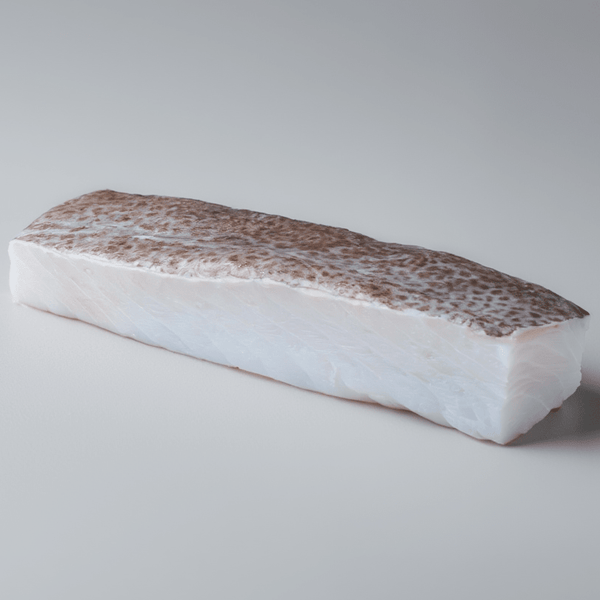
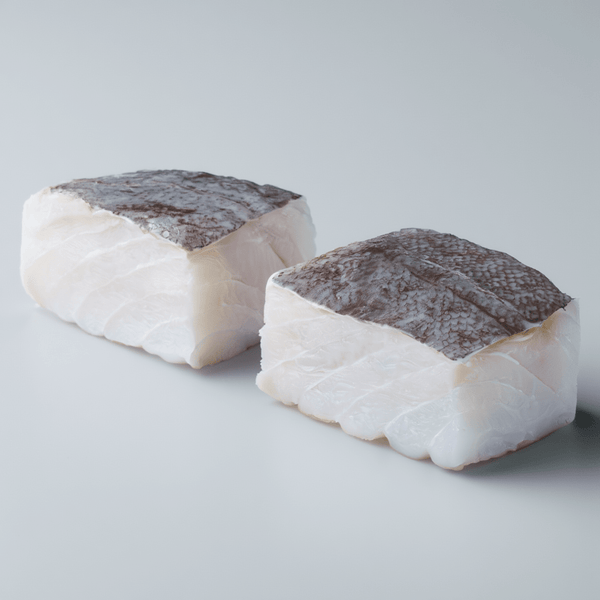
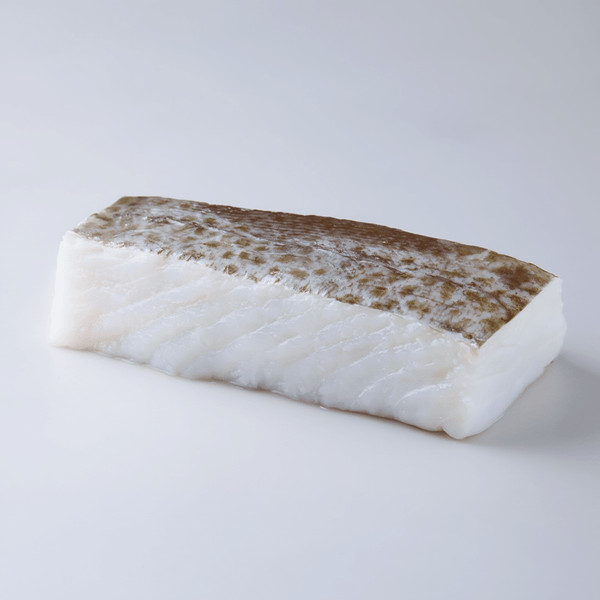
For this recipe, you need quality desalted cod: thick fillets that hold their shape during cooking. Our desalted cod is perfect: optimal salt level, boneless, ready to cook. Or try Icelandic cod for a more intense flavor.
Recipe 2: Hake in green sauce
One of the most emblematic dishes of the Basque Country. Green sauce does not contain cream or butter — it is an emulsion of olive oil with fish stock and parsley.
Ingredients (4 servings): 4 thick hake slices (200 g each), 4 cloves garlic, sliced, 1 large bunch fresh parsley, chopped, 200 ml fish stock, 100 ml extra virgin olive oil, 2 tablespoons flour, 100 g peas (fresh or frozen), 8 white asparagus spears (canned), salt.
Method: In a shallow casserole dish (an earthenware casserole is ideal), heat the oil and brown the garlic for 2 minutes. Add the flour and stir for 1 minute (light roux). Pour in the fish stock all at once and stir with the casserole in a circular motion (this movement emulsifies the sauce — classic Basque technique). When the sauce begins to thicken, add the hake, peas, and asparagus. Cook over low heat for 10-12 minutes, moving the casserole periodically (never stir with a spoon — move the casserole). Add the parsley in the last 2 minutes.
Key: The sauce should be thickened but fluid — not too thick. If it's too dense, add more fish stock. If it's too liquid, turn up the heat for 1 minute. The circular movement of the casserole is what creates the emulsion: the starch from the flour + the oil + the collagen from the fish stock form a silky texture.
Recipe 3: Comforting fish soup
For cold days. A soup that is a complete meal.
Ingredients (4 servings): 500 g assorted fish (cod, hake, monkfish — whatever you have), 1 liter fish stock, 1 onion, 2 ripe tomatoes, 1 potato, 2 cloves garlic, sweet paprika, saffron (0.3 g), olive oil, salt, pepper, parsley. Optional: 100 g fine noodles, 100 ml white wine.
Method: Sauté chopped onion and garlic for 8 minutes. Add grated tomato and cook for 5 minutes. Paprika (20 seconds). Pour in the fish stock and wine. Diced potato. Cook for 12 minutes until the potato is almost tender. Incorporate the noodles (if using) and fish in large pieces. Cook for 5-6 more minutes over low heat. Saffron and parsley at the end.
Tip: Use 2-3 types of fish for greater complexity. Cod provides firmness, hake softness, monkfish a meaty texture. Each one breaks down differently in the mouth.
Recipe 4: Catalan Suquet de Peix
Suquet is the quintessential seafood stew of the Catalan coast. It differs from other stews by the use of picada (a paste of almonds, garlic, parsley, and fried bread) as a thickener.
Ingredients (4 servings): 800 g assorted rockfish (monkfish, hake, gurnard, scorpionfish), 500 g potatoes, 200 g prawns or langoustines, 1 liter fish stock, 2 tomatoes, 1 onion, 4 cloves garlic. Picada: 20 toasted almonds, 2 cloves garlic, parsley, 1 slice fried bread, a few saffron threads.
Method: Sauté onion and garlic for 8 minutes. Grated tomato, cook for 5 minutes. Thickly sliced potatoes, sauté for 2 minutes. Hot fish stock. Cook for 12 minutes. Meanwhile, prepare the picada: mash almonds, garlic, parsley, fried bread, and saffron in a mortar until a paste is formed. Incorporate the fish and prawns into the stew 8 minutes before the end. Add the picada dissolved in a little broth, stir gently, and cook for 3 more minutes.
The picada: It is the soul of suquet. Almonds provide body (fats, proteins), fried bread thickens, garlic and parsley add aroma, and saffron gives color and flavor. Without picada, it's a fish soup; with picada, it's a suquet.
Recipe 5: Galician Caldeirada
The Galician version of seafood stew. More rustic, less sophisticated than suquet, but just as comforting.
Ingredients (4-6 servings): 1 kg assorted fish (conger eel, monkfish, cod), 500 g potatoes, thickly sliced, 2 onions, julienned, 2 green peppers, sliced, 4 cloves garlic, 1 bay leaf, pimentón de la Vera, extra virgin olive oil, salt, water or fish stock.
Method: In a pot or earthenware casserole, layer alternately: potatoes, onion, peppers, garlic, fish. Repeat. Drizzle each layer with olive oil and paprika. Add the bay leaf. Cover with water or fish stock just until covered. Bring to a boil, reduce to low heat, and cook for 25-30 minutes without stirring (only moving the casserole). The fish cooks by steaming from the ingredients below.
Tradition: Caldeirada was made in Galician ports with fish that wasn't sold at the fish market. That's why it uses a mixture of fish — each one adds something different to the broth. Conger eel (Conger conger) is essential in the authentic version: its natural gelatin thickens the broth.
Good boiled cod starts with good cod. Our desalted cod and our Icelandic cod are ideal for stews: fillets that hold their shape, with the right amount of salt.
Cooking times by species
| Fish | Thickness | Time in broth (75-85°C) | Doneness indicator |
|---|---|---|---|
| Cod (fillet) | 3-4 cm | 8-10 min | Flakes easily, moist center |
| Hake (slice) | 2-3 cm | 6-8 min | Opaque flesh, separates from bone |
| Monkfish | 3-4 cm | 10-12 min | Firm but not rubbery |
| Salmon (fillet) | 2-3 cm | 6-8 min | Slightly translucent center (medium) |
| Prawns/shrimp | — | 2-3 min | Pink shell, opaque flesh |
| Mussels (in shell) | — | 3-5 min | Shells open |
Frequently Asked Questions
Can the fish cooking liquid be reused?
Yes, and you should. The fish cooking water is a natural fish stock: it contains collagen, minerals, and marine flavor. Strain it, cool it quickly, and freeze it in portions. Use it as a base for soups, rice dishes, or sauces. It lasts 3 months in the freezer.
Why does my boiled fish turn out dry?
Almost certainly for one of two reasons: the water was boiling vigorously (too high temperature) or the fish was in the liquid for too long. Reduce the heat until it barely bubbles and stick to the exact times. Remove the fish as soon as it's done — every extra minute dries it out.
Can frozen fish be cooked directly?
Yes. Place the frozen fish in hot (not boiling) broth and add 3-4 minutes to the usual cooking time. The result is acceptable, though inferior to fish thawed beforehand in the refrigerator. Slow thawing allows for more uniform cooking.
Which fish are best for making broth and which for eating boiled?
For broth (fumet): heads and bones of white fish (hake, monkfish, cod, sea bass). Avoid oily fish (sardine, mackerel) — they can cause bitterness. For eating boiled: fillets and slices of cod, hake, monkfish, salmon. Cod is the king of boiled fish due to its firm texture that doesn't fall apart.
Is boiled fish more nutritious than fried fish?
In terms of protein and omega-3, the difference is minimal (gentle cooking retains 95%+ of nutrients). The big difference is in calories: a boiled cod fillet has ~85 kcal/100g; the same fried fillet, 160-200 kcal/100g (due to absorbed oil). The cooking broth contains some of the water-soluble minerals and vitamins that dissolve, so if you consume the broth, the nutritional loss is almost nil.