Summary: Escabeche is the most undervalued preservation technique in Spanish cuisine. A well-made fish escabeche lasts 2-4 weeks in the fridge, improves in flavor over time, and doesn't require a freezer. Here's the traditional step-by-step recipe, with the science behind each ingredient and variations that work.
Table of Contents
2,000 Years of Escabeche: A Brief History
The word escabeche comes from the Arabic sikbaj, which referred to an acidic stew based on vinegar and spices. The Romans already used a similar technique with vinegar and honey. In the Iberian Peninsula, escabeche is documented from the 13th century in the Llibre de Sent Soví (one of Europe's oldest cookbooks), where "peix en escabetx" (fish in escabeche) is described with vinegar, oil, onion, and spices.
Its popularity was practical: in an era without refrigeration, escabeche allowed fish to be preserved for weeks. Spanish and Portuguese sailors used it on ocean voyages. Galician canneries industrialized the process in the 19th century, producing the first cans of sardines and mussels in escabeche.
Today, escabeche is no longer a survival necessity but has become a first-rate gastronomic technique. Michelin-starred restaurants include it on their menus. But the basic principle remains the same as centuries ago: vinegar + oil + spices + time.
The Science: Why Escabeche Preserves
Escabeche works through three simultaneous mechanisms:
1. Acidification (vinegar): The acetic acid in vinegar lowers the food's pH below 4.6 — the critical threshold below which Clostridium botulinum cannot produce toxin. Most pathogenic bacteria (Salmonella, E. coli, Listeria) do not survive at pH below 4.2. A good escabeche has a pH of 3.5-4.0.
2. Lipid barrier (oil): The layer of oil covering the fish creates a physical barrier against oxygen. Without oxygen, aerobic bacteria cannot multiply, and the oxidation of fats (rancidity) slows down dramatically.
3. Antimicrobial compounds (spices): Bay leaf contains eucalyptol and linalool with bacteriostatic activity. Black pepper contains piperine with an antimicrobial effect. Paprika provides capsaicin (in the spicy varieties) with activity against gram-positive bacteria. These compounds do not preserve on their own but enhance the effect of vinegar and oil.
Ingredients for a Traditional Escabeche
| Ingredient | Quantity (for 1 kg of fish) | Function |
|---|---|---|
| Extra virgin olive oil | 300 ml | Lipid barrier + flavor + polyphenols |
| White wine or Sherry vinegar | 200 ml | Acidification + flavor |
| Onion | 2 medium, julienned | Flavor + texture + natural sugars |
| Carrot | 2 medium, sliced | Sweetness + color |
| Garlic cloves | 4-6, whole crushed | Flavor + antimicrobial (allicin) |
| Bay leaves | 3-4 | Aroma + antimicrobial |
| Black peppercorns | 10-12 grains | Flavor + antimicrobial |
| Smoked paprika (sweet) | 1 tablespoon | Color + flavor + antioxidants |
| Salt | To taste | Preservation + flavor |
| Water (optional) | 100-150 ml | Adjust acidity if vinegar is very strong |
About vinegar: Sherry vinegar offers the most complex flavor (notes of wood, dried fruits). White wine vinegar is more neutral and lets the fish shine. Cider vinegar provides fruity freshness. Avoid spirit vinegar (cheap white vinegar): it only provides acidity without nuances.
Step-by-Step Recipe
1. Prepare the fish:
Clean and cut the fish into portions of about 100-120 g. If fillets, cut into rectangles. If small whole pieces (sardines, mackerel), leave them whole and eviscerated. Pat dry with kitchen paper. Season lightly with salt and pepper.
2. Fry the fish (optional but recommended):
Flour the portions and fry them in hot olive oil (170-180°C) until golden brown on both sides. They don't need to be cooked through — the escabeche will finish the cooking. This pre-frying adds texture, color, and seals the surface, preventing the meat from absorbing too much vinegar.
Drain on absorbent paper and place in a deep glass or ceramic dish.
3. Prepare the escabeche:
In the same pan (remove excess oil, leaving about 100 ml), sauté the julienned onion over medium heat for 8-10 minutes. Add the carrot and cook for 3 more minutes. Add the crushed garlic, bay leaves, and peppercorns. Stir for 1 minute. Add the paprika and stir immediately (5 seconds — it burns quickly).
Pour in the vinegar and the remaining olive oil. If using water, add it now. Bring to a boil and cook for 5 minutes over medium heat.
4. Combine and marinate:
Pour the hot escabeche over the fish. The liquid should completely cover the portions. If it doesn't, add more olive oil. Let cool to room temperature, cover with cling film or a lid, and refrigerate.
5. Patience:
The escabeche is ready after 12-24 hours but improves significantly after the third day. The vinegar penetrates the meat gradually, the spices infuse the oil, and the flavors balance out.
If you prefer professionally prepared escabeches, explore our gourmet preserves: artisan sardines, mussels, and bonito in escabeche, matured for months. And our sardines and small sardines in olive oil escabeche.
Which Fish Work Best
| Fish | Suitability | Notes |
|---|---|---|
| Sardines (Sardina pilchardus) | Excellent | A classic escabeche. The sardine's fat absorbs the spices. |
| Mackerel (Scomber scombrus) | Excellent | Firm flesh, powerful flavor that balances the vinegar. |
| Albacore tuna (Thunnus alalunga) | Excellent | Albacore tuna in escabeche is a premium classic from the Cantabrian Sea. |
| Trout (Oncorhynchus mykiss) | Very good | Classic pickled trout from Navarre and Aragon. |
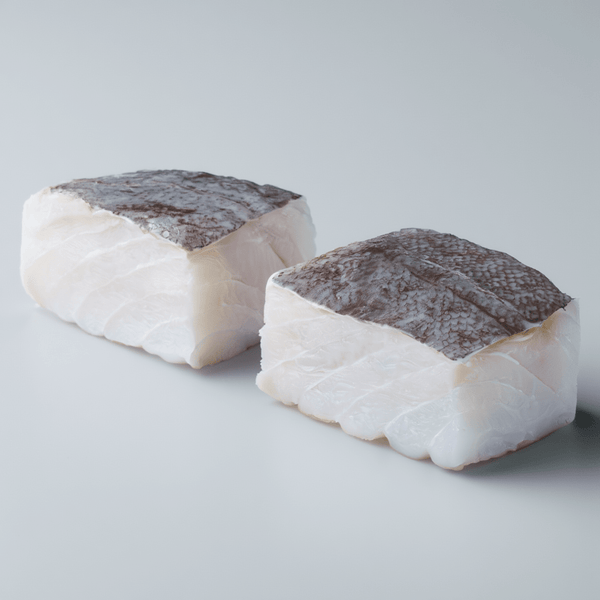
| Hake (Merluccius merluccius) | Good | More delicate flesh — needs thick portions. |
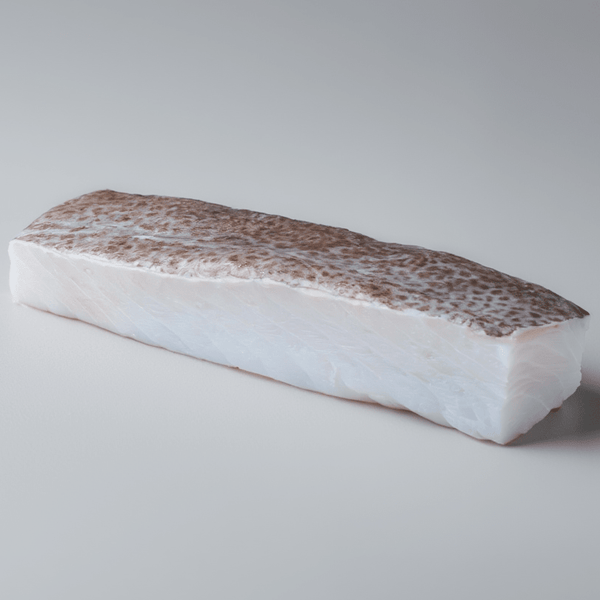
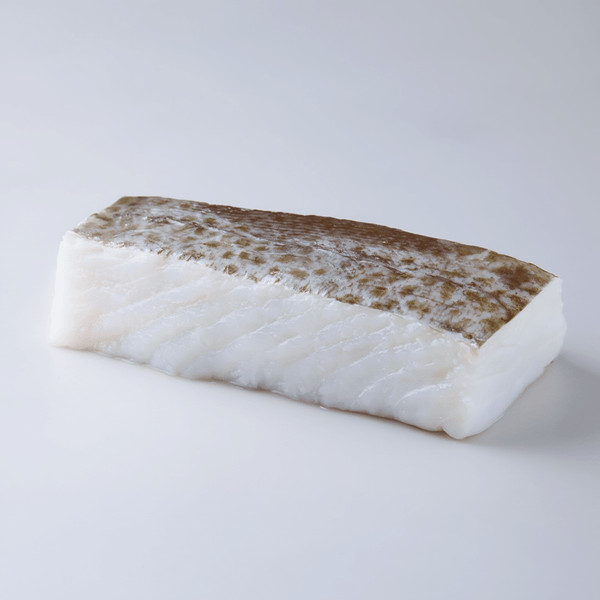
| Cod (Gadus morhua) | Good | Salted cod in escabeche is a signature dish. |
| Anchovies (Engraulis encrasicolus) | Good | Careful: anchovies in vinegar ≠ escabeche. Here they are cooked. |
| Partridge / Quail | Excellent | Escabeche is not just for fish — poultry works perfectly. |
General rule: Oily fish (sardines, mackerel, tuna) work better than white fish because their fat acts as a flavor carrier. White fish work but need thicker portions to avoid drying out.
Worthwhile Regional Variations
- Galician Escabeche: With fried Padrón peppers added to the liquid. They provide an unpredictable spicy kick and a vegetable flavor that complements mussels.
- Cider Escabeche (Asturias): Replace half the vinegar with natural cider. The result is milder, fruitier, and less acidic. Perfect for delicate white fish.
- Orange Escabeche (Valencia): Add the peel of an orange to the hot escabeche and a splash of juice. The essential oils from the peel provide citrus notes that balance the acidity of the vinegar.
- Oriental Escabeche: Replace paprika with fresh ginger, bay leaf with star anise, and add soy sauce. A fusion that works surprisingly well with mackerel.
- Mild Escabeche (for children): Reduce the vinegar by half and add a tablespoon of honey. The result is sweeter and less acidic — ideal as an introduction for young palates.
Storage and Shelf Life
In the refrigerator (0-4°C), well covered with oil:
- Sardines and mackerel in escabeche: 3-4 weeks
- Albacore tuna in escabeche: 2-3 weeks
- White fish (hake, cod): 2 weeks
Keys to maximum duration:
- The fish must be completely submerged in the escabeche at all times.
- Use glass or ceramic containers, never metallic (vinegar reacts with some metals).
- Do not put dirty utensils into the container — each time you introduce bacteria, you shorten the shelf life.
- If you remove fish, make sure the liquid still covers the rest.
Industrial canned escabeche: Lasts 3-5 years unopened thanks to autoclave sterilization. Once opened, the same rules apply as for homemade escabeche: refrigerator, non-metallic container, 3-5 days.
Escabeches that mature for months in a can develop flavors that a 3-day homemade escabeche cannot achieve. Discover our gourmet canned escabeches and our artisan canned sardines in escabeche.
Frequently Asked Questions
Can I reuse the escabeche for a second batch of fish?
Yes, once. Strain the escabeche, boil it again for 5 minutes (to sterilize), adjust with a little more vinegar and oil if it has lost volume, and pour it over the new fish. The second batch will have more flavor than the first because the liquid is already infused. Do not reuse more than once: acidity decreases with each use.
What vinegar is best for fish escabeche?
Sherry vinegar for maximum flavor (complex, with woody notes). White wine vinegar for a clean escabeche where the fish is the star. Cider vinegar for milder escabeches. Never use plain white spirit vinegar (flat, without nuances). The ideal acetic acid concentration is 6-7%.
Is it necessary to fry the fish before making escabeche?
It's not mandatory, but it's highly recommended. Pre-frying seals the surface of the fish (Maillard reaction), adds toasted flavor, and prevents the meat from absorbing too much vinegar (it would become "soggy" and excessively acidic). If you don't want to fry, you can blanch the fish for 2 minutes in boiling water as a lighter alternative.
Can I make escabeche without olive oil (lighter)?
You can reduce the amount of oil, but not eliminate it completely. Oil serves two functions: a barrier against oxygen (preservation) and a flavor vehicle for fat-soluble spices. An escabeche without oil is essentially flavored vinegar — it works for consumption within 24-48 hours but won't preserve for weeks.
Is homemade escabeche safe? Is there a risk of botulism?
If you follow the recommended vinegar proportions, the pH of the escabeche will be below 4.6, which prevents the production of botulinum toxin. The risk exists if you drastically reduce the vinegar or use one with a low concentration (<5% acetic acid). Safety rule: if you are unsure, measure the pH with a test strip — it should be below 4.5.
Does escabeche eliminate anisakiasis?
Not directly. The acetic acid in vinegar at normal concentrations (4-7%) does not reliably kill anisakiasis larvae. Therefore, if you are preparing escabeche with fresh fish, you must have previously frozen it (-20°C, 72 hours) or cooked it completely (60°C in the center) before submerging it in the escabeche.